一个中国原则

Search documents
解放军报:一切后果,日方承担
21世纪经济报道· 2025-11-25 04:39
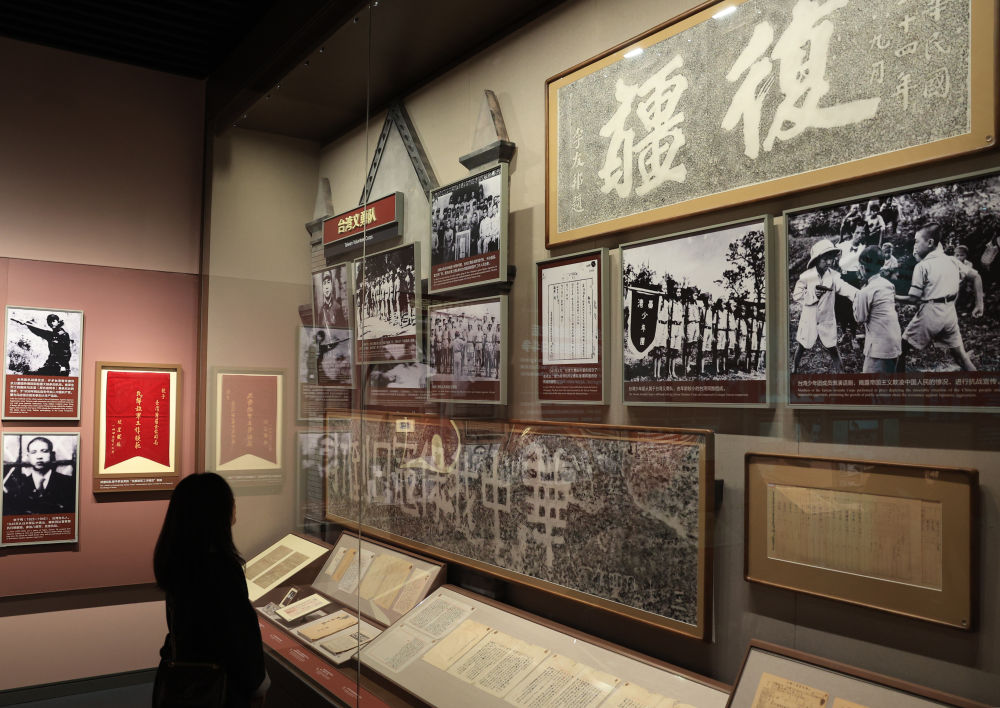
来源:中国军网-解放军报 撰文: 宝川 原文: 军国主义余毒未除才是"日本有事" 如何解决台湾问题,完全是中国人自己的事,不关日本的事。台湾光复是二战胜利成果,是战后国际秩 序的重要组成部分。《开罗宣言》《波茨坦公告》等国际法律文件,都明确了中国对台湾的主权。台湾 问题纯属中国内政,一个中国原则是国际社会普遍共识。采取何种方式解决台湾问题、实现中国完全统 一,完全是中国人自己的事。任何人都没有资格说三道四,负有历史罪责的日本更应谨言慎行。 历史与现实充分证明,军国主义余毒未除才是真正的"日本有事"。从发动侵华战争造成超3500万中国军 民伤亡,到袭击珍珠港引发太平洋战争,日本军国主义不仅给世界人民造成深重灾难,也把本国拖入战 争泥潭,使日本成为唯一遭受原子弹轰炸的国家。日本军国主义军事扩张史,也是回旋镖不断刺向自身 的毁灭史。如今,日本右翼政客逆国际大势而动,不仅在历史问题上大开倒车,还冒天下之大不韪借台 湾生事,更大幅提升防卫预算、发展远程攻击能力、试图修改"无核三原则",大有复军国主义亡魂之 势。对于这一动向,国际社会必须始终保持高度警惕。 中国人民和人民军队不信邪也不怕邪,不惹事也不怕事。如果高市早苗等 ...

解放军报:一切后果,日方承担!
第一财经· 2025-11-25 03:17
2025.11. 25 本文字数:1079,阅读时长大约2分钟 《解放军报》11月25日刊发文章《军国主义余毒未除才是"日本有事"》。 以下为全文: 历史的回旋镖,终归会刺向自己。近日,日本首相高市早苗公然将纯属中国内政的台湾问题与所谓日 本"存亡危机事态"挂钩,暗示武力介入台海局势的可能性。这一狂妄言论,逻辑极其荒谬、态度极 其嚣张、影响极其恶劣,不仅遭到中国强烈反对和坚决反制,也引发国际社会高度警惕。 (注:我们会对线索进行核实。您的隐私将严格保密。) 推荐阅读 韩国宣布:中国排日本前面 IFA 118 11 I i Change 台湾有事,多是日本惹的事。明治维新后,日本军国主义扩张野心蠢蠢欲动。1874年,日本借 口"牡丹社事件"强侵台湾,对台湾原住民进行大肆杀戮;1895年,日本通过《马关条约》强行割占 台湾,残暴殖民统治了近50年,致使65万台湾同胞生灵涂炭。二战结束后,台湾回归祖国怀抱,但 日本军国主义阴魂不散,觊觎台湾之心不死。在台湾问题上对中国人民负有历史罪责、犯下累累罪行 的日本,是最没有资格谈"台湾有事"的一方。高市早苗身为日本首相,不仅对历史罪责毫无反思歉 疚,还发表极其错误、极为危险 ...

日方所谓“一贯立场”的具体内容到底是什么?
Ren Min Ri Bao· 2025-11-24 22:31
Core Viewpoint - The Chinese government emphasizes the importance of Japan adhering to the "One China" principle and the commitments made in the four political documents between China and Japan, particularly regarding Taiwan's status [1][2]. Group 1: China's Position on Japan's Statements - The Chinese government criticizes Japan for reiterating its stance on Taiwan without providing specific details, suggesting that such reiteration is meaningless if it does not reflect concrete actions [1]. - The spokesperson urges Japan to take China's serious demands seriously and to reflect on its actions, emphasizing the need for Japan to align its statements with its commitments to China [2]. Group 2: Historical Context and Commitments - The Chinese government highlights the historical commitments made in the 1972 Sino-Japanese Joint Statement, which recognizes the People's Republic of China as the sole legitimate government of China and asserts that Taiwan is an inseparable part of China [2]. - The spokesperson questions why Japan cannot accurately restate its commitments regarding the "One China" principle and urges Japan to avoid double standards in its approach to China [2].
距中国台湾仅110公里,日本宣布在敏感区域部署进攻性武器,外交部:这一动向极其危险!G20峰会上,高市早苗尴尬陪笑
Mei Ri Jing Ji Xin Wen· 2025-11-24 09:00
Group 1 - Japan's Defense Minister Koizumi Shinjiro announced the deployment of medium-range air defense missiles at a Self-Defense Forces base in the Ryukyu Islands, which is located 110 kilometers from Taiwan [1][2] - There has been a significant increase in the cancellation of flights from China to Japan, with a reported 56% rise in cancellations from November 24 to December 31 compared to the same period last month [1] - Domestic airlines have seen a 29% decrease in ticket bookings to Japan for the next 60 days compared to bookings made on November 15 [1] Group 2 - China's Foreign Ministry spokesperson Mao Ning criticized Japan's deployment of offensive weapons near Taiwan, labeling it as a dangerous move that escalates regional tensions [2] - Mao emphasized that Japan's recent security policy adjustments, including increased defense budgets and the pursuit of offensive weapons, are concerning and deviate from Japan's post-war pacifist principles [2][5] - The spokesperson reiterated China's commitment to safeguarding its territorial sovereignty and warned against the resurgence of Japanese militarism [2][6] Group 3 - The Foreign Ministry stated that the current conditions do not support holding a trilateral meeting between China, Japan, and South Korea due to Japan's recent statements regarding Taiwan [4] - China has urged Japan to take its concerns seriously and to retract its erroneous statements regarding Taiwan, emphasizing the need for Japan to adhere to its commitments under international agreements [3][6]
多国人士:高市错误言论挑衅国际正义 危害深重
Yang Shi Xin Wen Ke Hu Duan· 2025-11-24 08:40
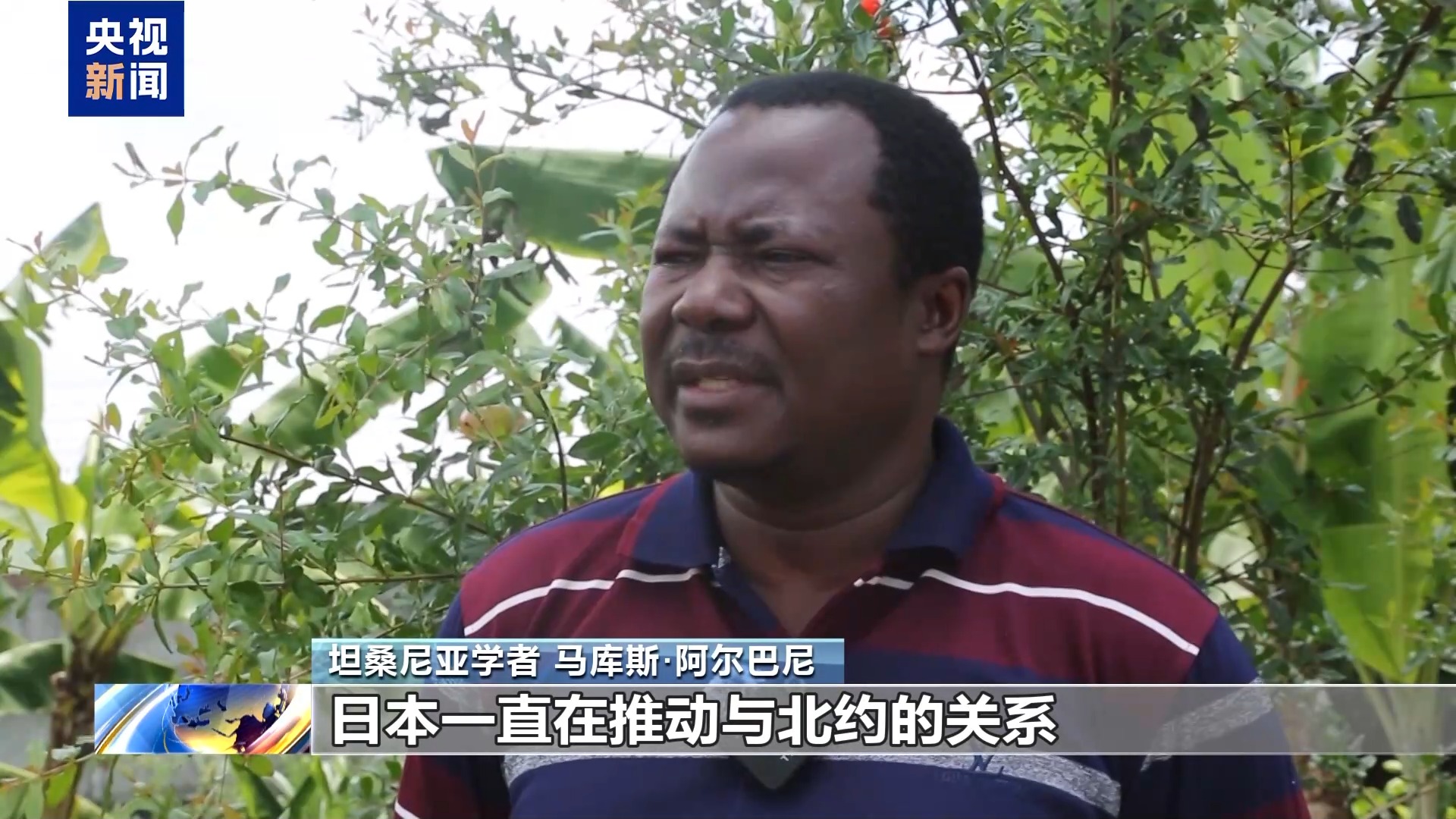
Core Viewpoint - Recent remarks by Japanese Prime Minister Sanae Takaichi regarding Taiwan have sparked widespread criticism, with many international figures asserting that her statements challenge historical agreements and threaten global stability [1][3]. Group 1: International Reactions - Russian State Duma member Maria Butina emphasized that Takaichi's comments attempt to challenge post-World War II international agreements, which many countries, including Russia, find intolerable [1]. - Tanzanian scholar Marcus Albani criticized Japan's efforts to strengthen ties with NATO and expand its influence in the Asia-Pacific region, arguing that Takaichi's statements violate the One China principle and undermine regional stability [1]. - British Asia-Pacific studies scholar Jenny Craig highlighted that documents like the Cairo Declaration are foundational to post-war peace, and ignoring these historical contexts undermines global peace efforts [3]. Group 2: Historical Context and Implications - Craig pointed out that Takaichi's remarks are not isolated incidents but are linked to her frequent visits to the Yasukuni Shrine and Japan's militarization, indicating a lack of genuine reflection on wartime atrocities [3]. - U.S. international affairs expert William Jones warned that Takaichi's statements reflect a resurgence of militarism and expansionism, posing risks to post-war prosperity and stability [3]. - Senegal's official media criticized Takaichi's comments as provocative and contrary to international law, highlighting a disregard for historical facts and global consensus [3].
日方称已多次向中方解释“一贯立场” 外交部回应
Zhong Guo Xin Wen Wang· 2025-11-24 08:12
日方称已多次向中方解释"一贯立场" 外交部回应 中新网北京11月24日电 (记者 谢雁冰 黄钰钦)中国外交部发言人毛宁24日主持例行记者会。 有记者提问:据报道,针对中方就日本首相高市早苗涉台错误言论致函联合国秘书长,日政府发言人在 G20峰会期间对记者称,中方所谓日改变在台湾问题上的立场毫无依据。日方已多次向中方解释高市首 相言论的要义和日方一贯立场,并致力于同中方对话。中方对此有何回应? 编辑:徐世明 广告等商务合作,请点击这里 本文为转载内容,授权事宜请联系原著作权人 中新经纬版权所有,未经书面授权,任何单位及个人不得转载、摘编或以其它方式使用。 关注中新经纬微信公众号(微信搜索"中新经纬"或"jwview"),看更多精彩财经资讯。 我们注意到日方近期提到在台湾问题上的"一贯立场",但日方所谓"一贯立场"的具体内容到底是什么? 日方能不能完整公开地表述这个"一贯立场"?如果日方只是反复重申立场未变的概念,却对具体内容语 焉不详,行动上不断越线,那这种重申就是一句空话,是在虚化和掏空一个中国的立场。 一个中国原则是国际社会不可动摇的普遍共识。如果日本政府在台湾问题上的立场真的没有改变,就应 当明确坚持一个 ...
视频丨多国人士:高市错误言论挑衅国际正义 危害深重
Yang Shi Xin Wen Ke Hu Duan· 2025-11-24 07:38
Core Viewpoint - Recent remarks by Japanese Prime Minister Sanae Takaichi regarding Taiwan have sparked widespread criticism, with many international figures asserting that her statements challenge international justice and undermine the post-war international order [1][3][4]. Group 1: International Reactions - Russian State Duma member Maria Butina stated that Takaichi's comments attempt to challenge historical agreements established post-World War II, with many countries, including Russia, condemning such actions as intolerable [3]. - Tanzanian scholar Marcus Albani highlighted that Japan's efforts to strengthen ties with NATO and expand its influence in the Asia-Pacific region contradict the One China principle and threaten regional stability [4]. - British Asia-Pacific studies scholar Jenny Craig emphasized that documents like the Cairo Declaration are foundational to post-war peace, and ignoring these historical contexts undermines global peace efforts [6]. Group 2: Historical Context and Implications - Craig also noted that Takaichi's remarks are not isolated incidents but are linked to her frequent visits to the Yasukuni Shrine and Japan's accelerating militarization, indicating a lack of genuine reflection on wartime atrocities [6]. - William Jones, an expert on international issues, warned that Takaichi's statements reflect a resurgence of militarism and expansionism, posing risks to post-war global prosperity and stability [6]. - Senegal's official media criticized Takaichi's comments as provocative and in violation of international law, diverging from historical facts and global consensus [6].
12条中日航线取消全部航班,涉名古屋、福冈、札幌、大阪等地!未来一周取消率将达1个月来最高值!央视:高市早苗公然挑衅必将自取灭亡
Mei Ri Jing Ji Xin Wen· 2025-11-24 05:51
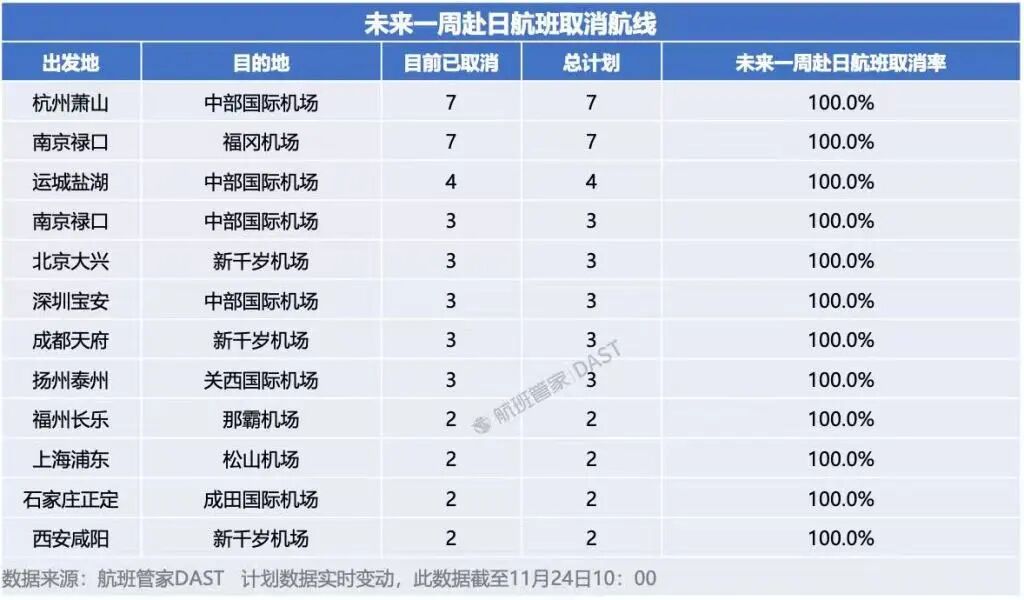
Group 1 - The core point of the article is the significant cancellation of flights from China to Japan due to rising tensions following controversial remarks made by Japan's new Prime Minister, which have led to diplomatic warnings and travel advisories from Chinese authorities [1][7][30] Group 2 - As of November 24, 12 routes between China and Japan have canceled all flights, affecting cities such as Nagoya, Fukuoka, Sapporo, and Osaka [1] - The cancellation rate for planned flights to Japan is expected to reach 21.6% by December 27, the highest in a month, with routes like Tianjin to Kansai seeing a 65% cancellation rate [3] - Major Chinese airlines have begun adjusting their flight schedules to Japan, with many flights being closed for booking [7][9][10] Group 3 - Specific flight cancellations include routes from Beijing to Sapporo, which will reduce from 7 to 4 weekly flights, and from Shanghai to Osaka, which will decrease from 21 to 16 weekly flights [8][9][10] - The overall impact on the airline industry includes a significant portion of flights being suspended, with approximately 24% of planned flights on certain routes no longer accepting bookings [11] Group 4 - The situation has prompted various responses from Chinese authorities, including travel advisories and the suspension of cultural exchanges, aimed at protecting national interests [27][30] - The broader implications of these cancellations reflect heightened geopolitical tensions and the potential for further disruptions in travel and trade between China and Japan [30]
国际观察|82年前,《开罗宣言》划下“永不可逾越的历史红线”
Xin Hua She· 2025-11-23 15:09
新华社北京11月23日电(记者阚静文 熊茂伶 赵家淞)在埃及首都开罗西南的吉萨金字塔不远处,有一幢名为"米纳饭店"的历史建筑。1943 年11月22日至26日,中国、美国和英国三国政府首脑在这里召开开罗会议,讨论对日作战问题,签署了《开罗宣言》。 《开罗宣言》于1943年12月1日正式发表,是世界反法西斯战争的重大成果,明确确认了中国对台湾的主权,为国际社会确立战后国际秩序奠 定了重要基础。 本月21日和22日,中国外交部发言人连续两天在例行记者会上提及《开罗宣言》,批驳日本首相高市早苗的涉台错误言论以及扩军危险行径。 多国人士指出,高市一系列错误言行践踏《开罗宣言》等"永不可逾越的历史红线",严重违背国际法和国际关系基本准则,挑战战后国际秩 序,必将走向失败结局。 红线早已划下 《开罗宣言》明确规定,日本将窃取于中国的领土,包括台湾和澎湖列岛归还中国。1945年,中美英三国发表、苏联后来加入的《波茨坦公 告》,重申"开罗宣言之条件必将实施"。同年9月,日本签署《日本投降条款》,承诺"忠诚履行波茨坦公告各项规定之义务"。 国际社会公认,这些具有国际法效力的文件为二战后中国收复被日本军国主义掠夺和窃取的领土提供 ...
焦点访谈|公然挑衅,执意玩火!高市早苗挑衅言论会造成什么样的恶果?
Yang Shi Wang· 2025-11-23 13:41
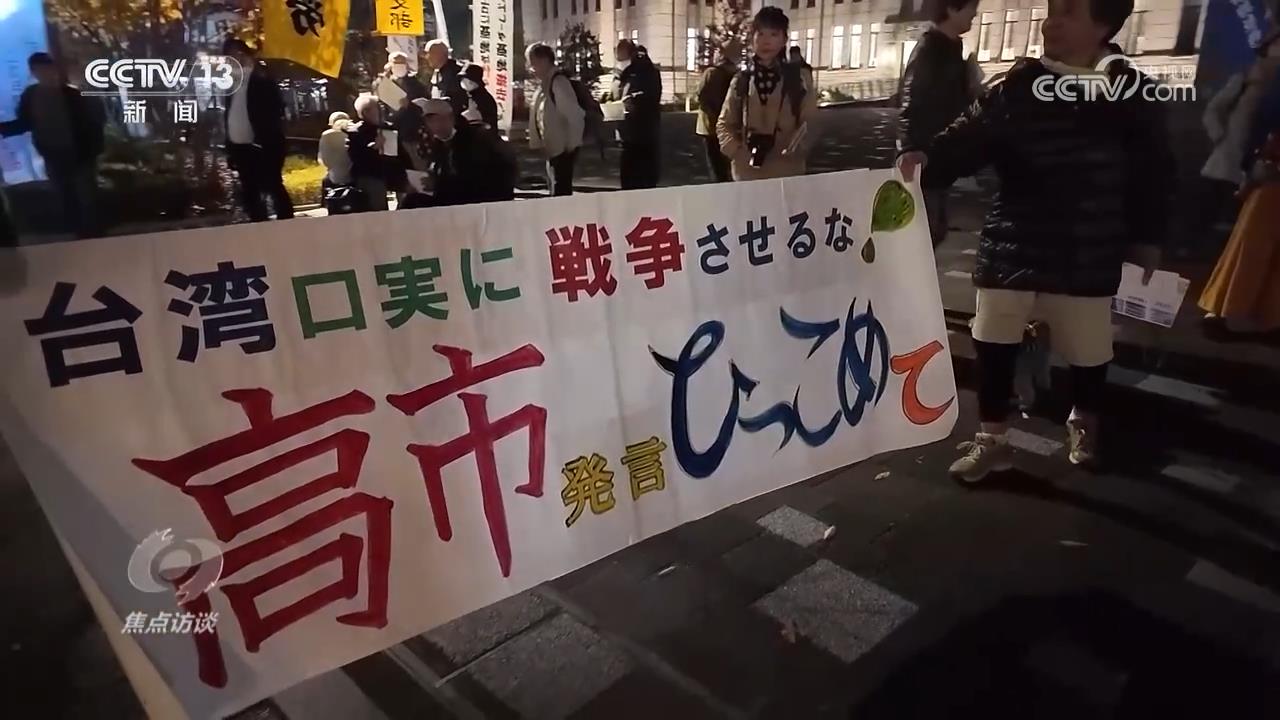
Core Viewpoint - The provocative remarks made by Japanese Prime Minister Sanae Takaichi regarding Taiwan have escalated tensions in Sino-Japanese relations and have drawn widespread condemnation from various parties [1][3][15] Group 1: Political Context - Takaichi's statements suggest a potential military intervention in the Taiwan Strait, linking Taiwan's situation to Japan's collective self-defense rights [3][5] - The remarks have been met with strong criticism from both China and the international community, highlighting the dangerous implications for regional stability [5][9] - China's UN representative has firmly stated that any military intervention by Japan would be met with a strong defense of China's sovereignty [3][9] Group 2: Legal and Historical Implications - Takaichi's comments violate several key political documents, including the Japan-China Joint Statement and the Japan-China Peace and Friendship Treaty, undermining the long-standing political commitments between the two nations [5][7] - The assertion that "Taiwan's issues are Japan's issues" represents a significant departure from Japan's post-war pacifist constitution and international legal norms [9][11] - Historical documents, such as the Cairo Declaration and the Potsdam Proclamation, affirm Taiwan as part of China, further complicating Japan's legal standing on the issue [7][9] Group 3: Domestic and International Reactions - There have been widespread protests in Japan against Takaichi's remarks, indicating significant domestic opposition to her stance [3][11] - China has implemented countermeasures, including suspending imports of Japanese seafood and advising citizens against travel to Japan, to assert its position on the matter [13][15] - The international community has largely condemned Takaichi's statements, reflecting a broader concern over the resurgence of militarism in Japan [15]