
保护主义

Search documents
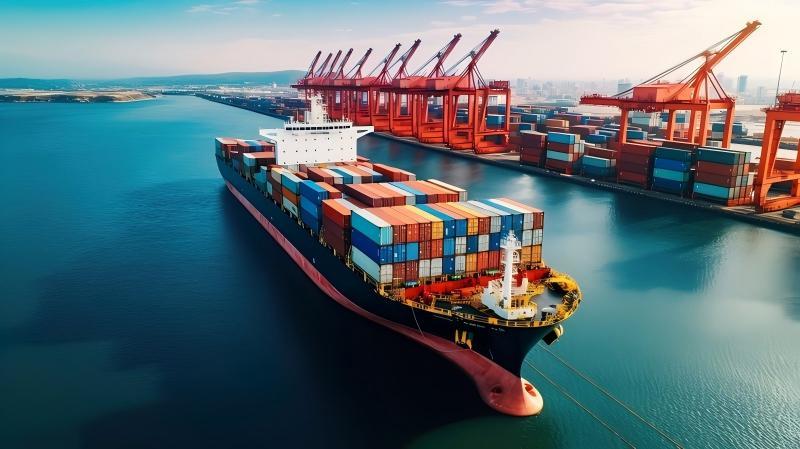
全球航运与供应链在关税不确定性中“漂泊”
Huan Qiu Wang· 2025-07-10 03:00
Core Insights - The U.S. President has extended the "reciprocal tariff" deferral period to August 1, which is expected to impact global shipping and supply chains significantly [1] - The extension has not led to a new surge in imports, with Los Angeles port data showing a 5% year-on-year decline in TEU volume for May and an anticipated 27% decline in July [1] - High inventory levels among U.S. retailers, resulting from a previous import rush, are contributing to weak shipping demand and falling freight rates, with container shipping costs down 5.7% month-on-month and over 20% from peak levels [1] Shipping Industry Challenges - Shipping giant Maersk has noted that declining policy transparency and changing deadlines are affecting transportation decisions, with an average tariff burden of approximately 21% [2] - Geopolitical conflicts are also raising insurance costs, with war risk insurance rates increasing, particularly for Israeli ports, which have surged to 0.7% [4] - Companies are advised to adopt multi-faceted strategies to navigate these challenges, including renegotiating with freight forwarders, testing crisis plans, optimizing transportation in high-risk areas, diversifying supply chains, adjusting pricing efficiency, and expanding insurance coverage [4] Long-term Implications - The trend of rising costs due to tariff policies is likely to impact global manufacturing and consumers, with the restructuring of supply chains facing uncertainties and challenges from both policy and geopolitical factors [4]

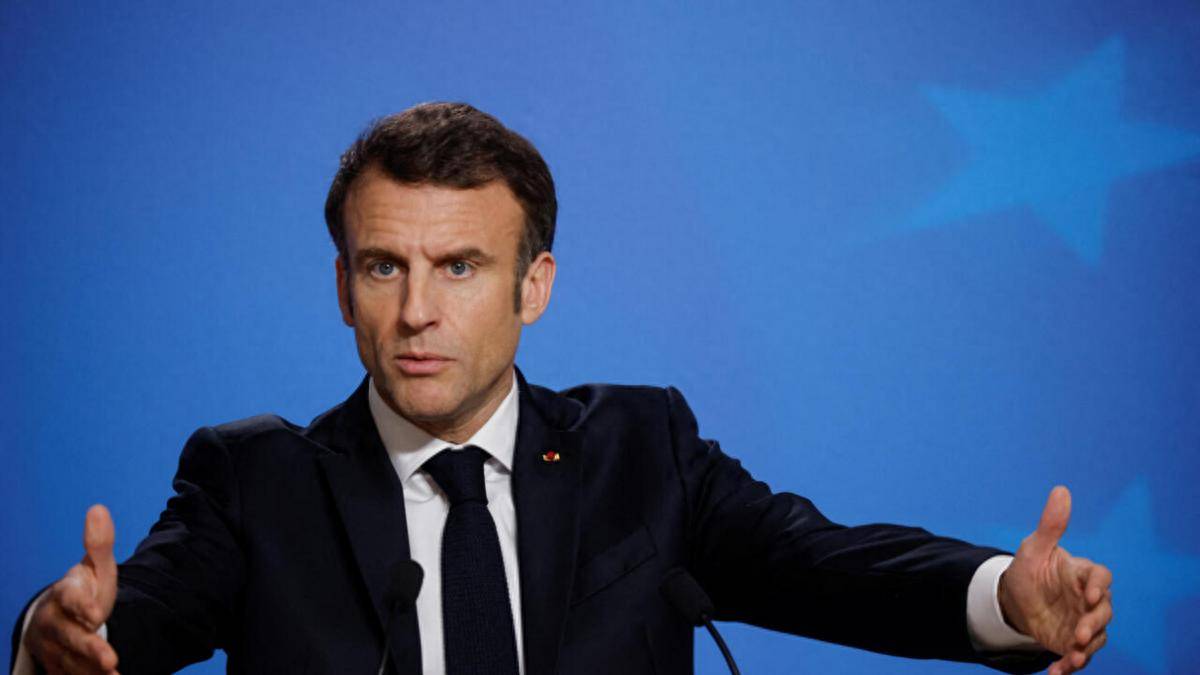
马克龙刚见完王毅,法国财长就对华变脸,鼓动欧盟对中国全面加税
Sou Hu Cai Jing· 2025-07-08 09:04
Group 1 - The core viewpoint of the articles highlights the contradictory stance of France regarding its relationship with China, where it seeks investment while simultaneously advocating for increased trade barriers against Chinese goods [1][3][5] - French Finance Minister Le Maire's call for the EU to raise tariffs on Chinese imports reflects a broader anxiety within the EU about competition from China, despite the need for access to the Chinese market [5][7] - The simultaneous statements from French ministers indicate a potential coordinated effort within the French government to adopt a tougher stance on China, which contradicts the EU's proclaimed position of non-confrontation [7][8] Group 2 - The articles suggest that France's fluctuating approach towards China is not new, as seen in previous actions like the investigation into Chinese electric vehicle subsidies, indicating ongoing concerns about the impact of Chinese competition on French manufacturing [7][8] - The emphasis on increasing trade barriers is criticized as a superficial solution that fails to address the underlying structural issues facing European manufacturing, particularly in digital transformation and key industries [8] - The overall narrative raises questions about the EU's long-term strategy towards China, balancing between cooperation and protectionism, and the implications of this for global economic relations [8]
中美双方未来几周将会谈?外交部回应
券商中国· 2025-07-08 08:23
7月8日,外交部发言人毛宁主持例行记者会。 综合自:北京日报、央视新闻 澳大利亚总理阿尔巴尼斯将于7月12日至18日对中国进行正式访问。有记者提问,发言人能否介绍此访背景情 况和中方期待? 毛宁表示,阿尔巴尼斯总理此访正值中澳全面战略伙伴关系开启第二个10年,在两国领导人的引领和双方共同 努力下,中澳关系不断改善发展。中方愿同澳方一道以此访为契机,加强沟通,增进互信,拓展务实合作,推 动中澳全面战略伙伴关系向前发展。 有记者提问,美国财政部长贝森特表示,他预计将在未来几周内与中方官员会面,以推动两国就贸易和其他议 题的讨论。 "这个问题建议向中方的主管部门询问。"毛宁说。 有记者提问,美国总统特朗普7日表示,将从8月1日起分别对来自日本、韩国等14个国家的进口产品征收25% 至40%不等的关税。外交部对此有何评论?此外,你有关于中美贸易谈判的最新情况吗? 毛宁表示,在关税问题上,中方的立场是一贯的,也是非常明确的,关税战、贸易战没有赢家,搞保护主义损 害各方利益。你关心中美之间的这个谈判,建议你向中方的主管部门了解。 违法和不良信息举报电话:0755-83514034 邮箱:bwb@stcn.com 责编:罗 ...
中美双方未来几周将会谈?外交部回应
证券时报· 2025-07-08 08:07
7月8日,外交部发言人毛宁主持例行记者会。 澳大利亚总理阿尔巴尼斯将于7月12日至18日对中国进行正式访问。有记者提问,发言人能否介绍此访背 景情况和中方期待? 毛宁表示,阿尔巴尼斯总理此访正值中澳全面战略伙伴关系开启第二个10年,在两国领导人的引领和双方 共同努力下,中澳关系不断改善发展。中方愿同澳方一道以此访为契机,加强沟通,增进互信,拓展务实 合作,推动中澳全面战略伙伴关系向前发展。 有记者提问,美国财政部长贝森特表示,他预计将在未来几周内与中方官员会面,以推动两国就贸易和其 他议题的讨论。 "这个问题建议向中方的主管部门询问。"毛宁说。 有记者提问,美国总统特朗普7日表示,将从8月1日起分别对来自日本、韩国等14个国家的进口产品征收 25%至40%不等的关税。外交部对此有何评论?此外,你有关于中美贸易谈判的最新情况吗? 毛宁表示,在关税问题上,中方的立场是一贯的,也是非常明确的,关税战、贸易战没有赢家,搞保护主 义损害各方利益。你关心中美之间的这个谈判,建议你向中方的主管部门了解。 综合自:北京日报、央视新闻 责编:李丹 校对:刘星莹 版权声明 证券时报各平台所有原创内容,未经书面授权,任何单位及个人 ...

外交部:“大金砖合作”要维护和践行多边主义,开辟经济增长新蓝海
news flash· 2025-07-08 07:58
Group 1 - The core viewpoint emphasizes the importance of multilateralism and the commitment to building an open world economy through the "BRICS cooperation" [1] - The initiative aims to enhance international financial cooperation and explore new avenues for economic growth [1] - There is a clear stance against unilateralism and protectionism, highlighting the need to maintain stable and smooth industrial and supply chains [1] Group 2 - China expresses willingness to use the upcoming leaders' meeting as an opportunity to uphold the "BRICS spirit" and collaborate with BRICS partners [1] - The focus is on promoting shared values, safeguarding common interests, and fostering self-reliance among nations [1] - The goal is to advance global governance towards a more just, reasonable, efficient, and orderly direction, contributing to a better world [1]
李强总理出席金砖国家领导人第十七次会晤 外交部介绍有关情况
news flash· 2025-07-08 07:50
Group 1 - The meeting highlighted the significance of BRICS cooperation in the context of rising unilateralism and protectionism, emphasizing the need for equal respect and collaboration among member states [1] - Premier Li Qiang pointed out the accelerated evolution of global changes and the serious impact on international rules and order, advocating for BRICS to be a leading force in global governance reform [1] - The BRICS nations are encouraged to maintain independence, promote economic growth, and enhance cultural exchanges while opposing unilateralism and protectionism [1] Group 2 - The Rio de Janeiro Declaration was adopted, along with statements on global governance of artificial intelligence and a climate finance framework [2] - China expressed its commitment to uphold the "BRICS spirit" and work with partners to promote common values and interests, aiming for a more just and efficient global governance [2]
外交部回应特朗普宣布对14国加征关税
第一财经· 2025-07-08 07:32
据央视新闻,7月8日,外交部发言人毛宁主持例行记者会。有记者提问,美国总统特朗普7日表示, 将从8月1日起分别对来自日本、韩国等14个国家的进口产品征收25%至40%不等的关税。外交部对 此有何评论?此外,你有关于中美贸易谈判的最新情况吗? 毛宁表示,在关税问题上,中方的立场是一贯的,也是非常明确的, 关税战、贸易战没有赢家,搞 保护主义损害各方利益。 你关心中美之间的这个谈判,建议你向中方的主管部门了解。 ...

特朗普宣布对14国加征关税,外交部回应
财联社· 2025-07-08 07:26
外交部发言人毛宁表示,在关税问题上,中方的立场是一贯的,也是非常明确的,关税战、贸易战 没有赢家,搞保护主义损害各方利益。 据央视新闻消息,今日,外交部发言人毛宁主持例行记者会。有记者提问,美国总统特朗普7日表 示,将从8月1日起分别对来自日本、韩国等14个国家的进口产品征收25%至40%不等的关税。 ...

特朗普推迟“对等关税”至8月1日生效 外交部回应
news flash· 2025-07-08 07:25
特朗普推迟"对等关税"至8月1日生效 外交部回应 智通财经7月8日电,据北京日报,记者提问,美国总统特朗普签署行政令,推迟"对等关税"至8月1日生 效,中方对此有何评论?能否介绍中美经贸磋商情况最新进展?毛宁指出,在关税问题上,中方的立场 是一贯的,也是非常明确的。关税战、贸易战没有赢家,搞保护主义损害各方利益。"你关心中美之间 的谈判,建议向中方的主管部门了解。"毛宁说。 ...
外交部回应特朗普宣布对14国加征关税
news flash· 2025-07-08 07:24
今日,外交部发言人毛宁主持例行记者会。美国总统特朗普7日表示,将从8月1日起分别对来自日本、 韩国等14个国家的进口产品征收25%至40%不等的关税。请问有何看法?外交部发言人毛宁表示,在关 税问题上,中方的立场是一贯的,也是非常明确的,关税战、贸易战没有赢家,搞保护主义损害各方利 益。(央视新闻) ...