
稀土出口管制

Search documents
外媒紧盯:中国6月对美稀土磁体出口环比激增660%
Guan Cha Zhe Wang· 2025-07-21 00:49
Group 1 - China's rare earth magnet exports to the US surged to 353 tons in June, a 660% increase from May, indicating a strong recovery in supply after a trade agreement between China and the US [1] - Overall, China's rare earth magnet exports reached 3188 tons in June, up 157.5% from 1238 tons in May, but down 38.1% compared to the same period in 2024 [1][3] - The approval of more export licenses in June is expected to further boost rare earth magnet exports in July [3] Group 2 - China accounts for over 90% of global rare earth magnet supply and implemented export controls on several rare earth products in early April in response to US tariffs [3][4] - The export volume significantly declined in April and May due to lengthy approval processes for export licenses, disrupting global supply chains and causing some automakers to halt production due to rare earth shortages [3] - The total export volume of China's rare earth magnets for the first half of 2025 was 22319 tons, reflecting an 18.9% year-on-year decrease [3]

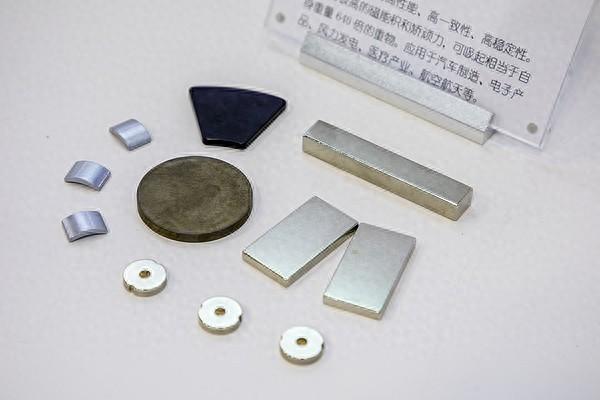
稀土磁材行业动态报告:MPMaterials的前世今生
HUAXI Securities· 2025-07-20 05:13
Investment Rating - The report provides a positive outlook on the rare earth materials industry, particularly focusing on MP Materials and its strategic partnerships, indicating a favorable investment environment [13]. Core Insights - MP Materials has established a public-private partnership with the U.S. Department of Defense, which includes significant investments and commitments for domestic manufacturing of rare earth magnets [11][51]. - The company has signed a long-term supply agreement with Apple, valued at $500 million, to produce magnets using recycled rare earth materials [11][53]. - The report highlights the increasing demand for rare earth elements and the strategic importance of domestic production in the U.S. due to geopolitical factors [13]. Summary by Sections Historical Context - Mountain Pass was the world's leading rare earth supplier until 1986 when China surpassed U.S. production [4][20]. - Molycorp, the previous owner, faced multiple operational challenges leading to bankruptcy in 2015, after which MP Materials took over [7][39]. Recent Developments - MP Materials has successfully ramped up production, achieving a rare earth oxide (REO) output of 45,455 tons in 2024, with a focus on cost reduction and efficiency [10][41]. - The company plans to expand its production capacity to 60,000 tons of REO through strategic investments over the next three years [41]. Strategic Partnerships - The partnership with the U.S. Department of Defense includes plans for a new magnet manufacturing facility, "10X," expected to be operational by 2028, enhancing domestic supply capabilities [11][51]. - The agreement with Apple involves the development of a recycling facility to produce rare earth elements from industrial and consumer waste [11][53]. Future Outlook - The report anticipates that MP Materials will play a crucial role in the U.S. rare earth supply chain, especially with the expected increase in demand from defense and technology sectors [13]. - The establishment of the "10X" facility and the ongoing expansion of the Independence Facility are expected to significantly boost production capabilities [11][52].

这样窃取我国稀土,国安部披露→
证券时报· 2025-07-18 11:39
Core Viewpoint - The article emphasizes the strategic importance of rare earth elements, highlighting their dual-use nature for military and civilian applications, and the necessity for export controls to safeguard national security [1]. Group 1: Export Control Measures - The country has implemented export controls on rare earth elements to protect national interests, drawing from international practices [1]. - There are ongoing threats from foreign intelligence agencies attempting to illegally acquire these resources through various deceptive methods [2]. Group 2: Illegal Export Activities - Evidence has been found of a foreign contractor attempting to smuggle rare earth elements by altering packaging and mislabeling products as "non-Chinese origin" [2]. - The contractor is also reported to be using tactics such as falsifying content composition, misrepresenting product names, and utilizing small parcel shipments to evade detection [2]. Group 3: Enforcement Actions - National security agencies, in collaboration with relevant departments, have taken decisive actions to disrupt illegal export channels for rare earth elements, thereby enhancing resource and national security [3].
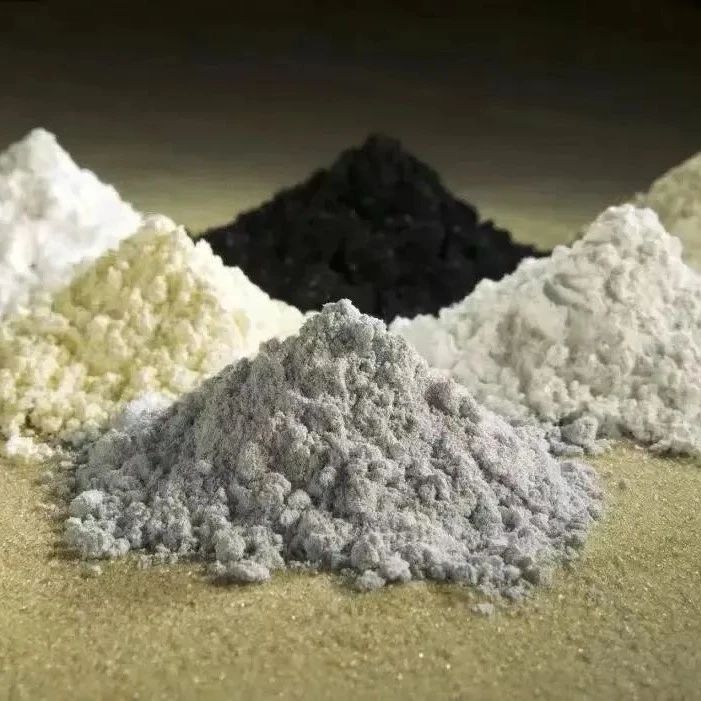
近4000吨稀土被运往美国!中国揪出两个“帮凶”,反制也已在路上
Sou Hu Cai Jing· 2025-07-18 10:53
Core Viewpoint - The global competition for rare earth resources is intensifying, with China holding a near-monopoly in this sector, while other countries, despite having rich rare earth mineral resources, lack efficient refining technology [1] Group 1: Rare Earth Supply Chain Dynamics - The United States and other countries are increasingly relying on Thailand and Mexico as key transit points to bypass China for rare earth supplies [3] - These countries employ various tactics, including repackaging rare earths to disguise their origin, to facilitate the export of Chinese rare earths to the U.S. [3][5] - The logistics companies involved in this smuggling operation are profiting significantly, with U.S. imports of antimony products from Thailand and Mexico reaching 3,834 tons between December 2024 and April 2025, far exceeding the total from the previous three years [7] Group 2: China's Response and Regulatory Measures - In response to the smuggling and circumvention of export controls, China has implemented unprecedented measures to track rare earths, assigning unique codes to each gram for precise monitoring [11] - Customs authorities in Shenzhen and Hong Kong have been equipped with advanced detection technology to identify disguised rare earth products quickly [11][12] - Following the implementation of these measures, the difficulty for the U.S. to acquire rare earths through illegal channels has increased, leading to a backlog of suspicious containers in Mexican ports and detained rare earth products in Thai warehouses [13] Group 3: Global Implications and Future Outlook - The European Union has recognized the severity of the situation, with the introduction of the Critical Minerals Act aimed at stabilizing supply chains, although European automakers still rely on Chinese rare earth permits due to technological gaps [15] - China has developed a new "dysprosium-free magnet" that is 40% cheaper than traditional materials, potentially setting a new industry standard [17] - The "zero-carbon rare earth" certification system promoted by China is becoming the default standard for global procurement, indicating China's dominant position in the rare earth supply chain [17]
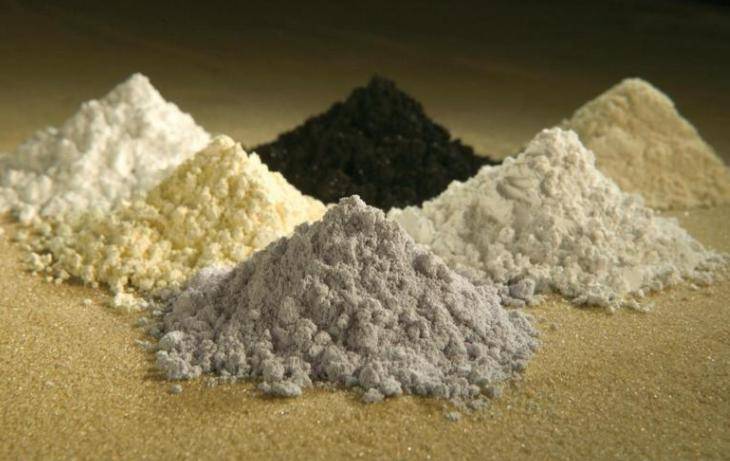
中印外长谈了稀土出口管制吗?外交部:中方相关政策符合国际惯例
news flash· 2025-07-18 08:00
Core Viewpoint - The Chinese Ministry of Foreign Affairs emphasizes that its policies regarding rare earth export controls are in line with international norms and expresses willingness to enhance dialogue and cooperation with relevant countries to maintain the stability and security of global supply chains [1] Group 1 - The spokesperson Lin Jian confirmed that the Chinese side has already released information regarding Indian Foreign Minister S. Jaishankar's visit to China [1] - Lin Jian highlighted that China is open to strengthening dialogue and cooperation in the field of export controls with relevant countries and regions [1] - The statement indicates China's commitment to maintaining the stability and security of global production and supply chains [1]
境外间谍利用寄递手段窃取我国稀土 国安机关最新提示
Yang Shi Xin Wen· 2025-07-17 22:42
Group 1 - The article highlights the strategic importance of rare earth elements, which possess dual-use attributes for military and civilian applications, leading to the implementation of export controls by the country to safeguard national security and interests [1] - There is a significant threat from foreign espionage agencies attempting to illegally acquire rare earth materials through various deceptive methods, posing a serious risk to national security [2][3] Group 2 - The country has a leading position in the global rare earth market, with the highest reserves, production, consumption, and export volumes, creating a resource and industrial chain advantage [3] - Foreign entities are employing sophisticated tactics to illegally transport rare earth materials out of the country, including mislabeling and concealing these materials within legitimate shipments [3][4] - The national security agencies are actively working to prevent and combat the infiltration and espionage activities targeting critical mineral resources, emphasizing the importance of public vigilance and reporting suspicious activities [4]
相差448票,欧洲议会督促中国放开稀土管制!中国使团一句话戳中问题关键,王毅早已有言在先
Sou Hu Cai Jing· 2025-07-17 12:18
据智通财经报道,近日,欧洲议会以523票赞成、75票反对、14票弃权的悬殊结果通过决议,要求中国 放开稀土管制。中国驻欧盟使团迅速回应,明确指出其中问题,而在此之前,王毅外长也早有相关表 态。这一系列事件背后,究竟隐藏着怎样的国际关系博弈?咱们一起来看看。 稀土(资料图) 中国,是全球稀土储量和产量最大的国家,在稀土领域有着举足轻重的地位 。之前,中国长期大量向 全世界供应稀土,保障着全球产业链的稳定 。但近年来,随着国际形势变化,特别是美国挑起全球贸 易战,全球贸易秩序被严重扰乱,供应链稳定性受到极大冲击 。在这种情况下,中国出于自身主权、 国际义务以及维护全球产业链安全等多方面考虑,对稀土出口进行了必要管制 。 而欧洲,一直以来对稀土的需求量都很大,其很多产业发展都依赖进口稀土 。中国对稀土出口的管 制,确实在一定程度上影响了欧洲的相关产业 。不过,中国已经明确表示,只要欧洲遵守规定、履行 程序,正常需求能得到保障,还专门开了"快捷通道" 。但欧洲议会却还是通过这么个决议,要求中国 放开管制,这就有点说不过去了 。 从实际情况来看,欧洲议会的这个决议,和现实情况有很大出入 。就拿中国稀土出口数据来说,今年 ...

还想买稀土?欧盟公开报复美,特朗普万没料到,供应链将受重创
Sou Hu Cai Jing· 2025-07-17 09:16
Group 1 - The EU has finalized a 206-page tariff retaliation list targeting nearly €72 billion worth of US goods, escalating transatlantic trade tensions [1] - Trump's announcement of a 30% tariff on EU imports starting August 1 has stalled previously progressing US-EU trade negotiations, with claims of a significant trade deficit from the US perspective [3] - The EU's response includes a potential additional tariff on over €72 billion of US imports, covering more than €65 billion in industrial goods and approximately €6 billion in agricultural products [3] Group 2 - Internal divisions within the EU have emerged regarding the scale of retaliation, initially proposed at €95 billion but reduced by €23 billion due to concerns from some member states about provoking the US [5] - The EU's heavy reliance on Chinese rare earths, exceeding 90%, complicates its position in the trade conflict, highlighting the importance of stable rare earth supplies for its industries [6] - The ongoing trade conflict between the US and EU poses significant risks to global supply chains, particularly affecting industries like the German automotive sector, which could face billions in losses due to tariffs [6] Group 3 - For China, the current situation presents both challenges and opportunities, as its dominance in the rare earth sector provides leverage in international economic negotiations [8] - The future of US-EU trade talks remains uncertain, with the potential for ongoing trade wars to harm both economies and disrupt global supply chains, raising concerns about the overall growth of the world economy [8]
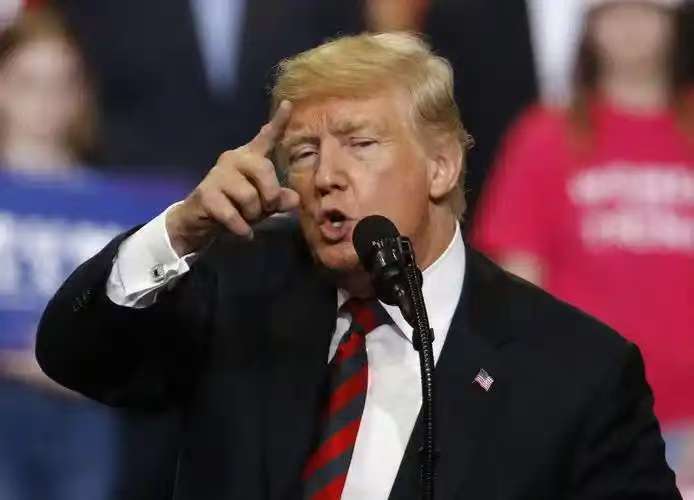
523:75!欧洲议会通过决议,对稀土管制表示关切
Sou Hu Cai Jing· 2025-07-17 03:53
Core Viewpoint - The European Parliament has deemed China's restrictions on rare earth exports as "illegal" and criticized the lack of justification for such measures, leading to a strong rebuttal from the Chinese mission to the EU, which accused the EU of unfairly undermining China's development rights [1][3]. Group 1: European Parliament's Resolution - The European Parliament passed a resolution with a significant majority, expressing deep concern over China's restrictions on rare earth exports, stating that China's actions lack any basis [3]. - The voting results showed 523 votes in favor, 75 against, and 14 abstentions, indicating a strong negative sentiment within the EU regarding China's monopolistic behavior in rare earth exports [3]. - The EU has urged the European Commission to take swift action to address the issue, highlighting the need for the EU to strengthen its capabilities in critical areas where China holds advantages [3]. Group 2: China's Response - The Chinese mission to the EU labeled the European Parliament's statements as "political manipulation," accusing the EU of politicizing economic issues and expanding them into security concerns [6]. - China emphasized that rare earths have both military and civilian applications, asserting that its export controls are a legitimate right and align with international practices [6]. - The Chinese side pointed out the double standards in the EU's demands, noting that while the EU requests restrictions on China's exports of certain technologies to Russia, it simultaneously calls for relaxed rare earth export controls [6]. Group 3: Implications for EU-China Relations - China stated that the rare earth issue should not become a point of contention between China and the EU, asserting that as long as the EU complies with Chinese regulations, European companies' normal demands can be met [8]. - The EU's concerns about China's request for disclosure of rare earth importers' information were acknowledged, with China arguing that such transparency is necessary to prevent military misuse of the materials [8]. - The current geopolitical landscape suggests that the EU has not fully grasped the complexities of its relationship with China and the pressures from the US, indicating that cooperation with China may be the only viable path forward for the EU [9].
对话稀土专家-如何解读稀土价格
2025-07-16 06:13
Summary of Conference Call Records Industry or Company Involved - The discussion primarily revolves around the rare earth industry and its export regulations, particularly focusing on the impact of non-tariff measures and supply chain dynamics in China and Japan. Core Points and Arguments 1. **Export Regulations and Market Uncertainty** There is significant uncertainty regarding the future of export regulations, especially concerning non-tariff measures that were paused or canceled after April 2. Industry experts believe that it is unlikely that technical product export restrictions will be lifted, despite some products like magnetic steel being exported [1][2][3] 2. **Japan's Production Capacity** Japan's production capacity has increased significantly, with reports indicating that it can now produce over 2,500 units per month, compared to previous years where production was much lower due to competition from China [2] 3. **Domestic Price Adjustments** Domestic companies are concerned about future orders and are adjusting their prices accordingly. There is a shift from quantity-based to price-based regulation, although it is unclear if this will be formally implemented [3][4] 4. **Export Volume and Strategic Resources** The export volume of certain materials remains low, with only 150 tons exported in seven months. The focus is on controlling the quantity of strategic resources rather than their prices [4][5] 5. **Supply and Demand Dynamics** The demand for rare earth materials is expected to grow in the coming years, driven by sectors such as electric vehicles and robotics. However, supply has not kept pace, leading to price fluctuations [5][6] 6. **Regulatory Changes Impacting Supply** New regulations are limiting the ability of smaller companies to operate freely in the market, as they can only sell to major groups. This is expected to create a significant shift in the supply landscape [6][7] 7. **Profit Margins and Cost Structures** Companies with their own mining operations have better profit margins compared to those reliant on purchasing raw materials. The cost of production varies significantly among companies, affecting their competitiveness [12][13] 8. **International Competition and Local Production** International players like Lynas and others are ramping up their production capabilities, which could impact China's dominance in the rare earth market. Countries like Vietnam, Australia, and the U.S. are also enhancing their refining capabilities [14][15] 9. **Investor Sentiment** Investors are showing interest in both upstream mining companies and downstream processing firms, with a general sentiment favoring upstream operations due to their potential for higher margins [15][16] Other Important but Possibly Overlooked Content - The conversation highlighted the complexities of the supply chain and the regulatory environment, indicating that future market dynamics will be heavily influenced by government policies and international relations. - There is a notable concern about the sustainability of supply given the current regulatory landscape, which may lead to a supply-demand mismatch in the near future [6][7][8]