
未来产业

Search documents
玉渊谭天:国家带头,再干一件大事
Xin Lang Cai Jing· 2025-12-27 03:07
Group 1 - The National Venture Capital Guidance Fund has officially launched, focusing on early-stage and small-scale technology projects [1][26] - The fund aims to address high-risk investments in strategic emerging industries and support disruptive technological innovations [2][27] - The fund's structure includes a multi-layered design of guidance funds, regional funds, and sub-funds, with at least 70% of sub-fund investments directed towards seed and early-stage enterprises [10][39] Group 2 - The fund has a unique 20-year duration, the longest among national-level funds, signaling a commitment to long-term support for technology enterprises [41][42] - The fund operates with a limited partner model, allowing for professional management while respecting market-driven decisions [44] - The fund is expected to mobilize nearly 1 trillion in local and social capital, enhancing the investment landscape for early-stage companies [46] Group 3 - The fund will prioritize investments in sectors such as renewable energy, new materials, aerospace, and low-altitude economy, aiming to foster future industries [47] - Specific regional focuses include high-end chips and foundational software in Beijing, smart product innovation in Zhejiang, and an AI-robotics cluster in Guangdong [52][53] - The fund's approach is designed to avoid duplication of investments across regions, aligning national strategies with local resources and industry foundations [52][53]

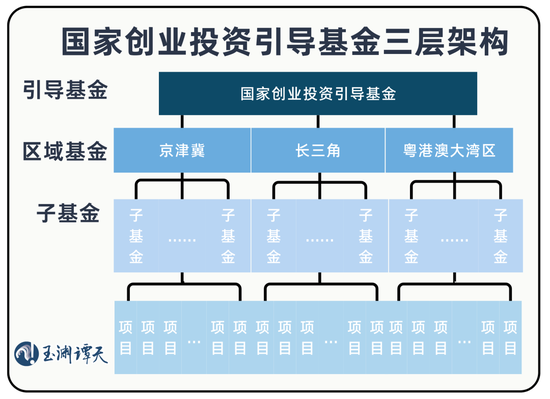
国家创业投资引导基金启动 资本与创新迎来更多双向奔赴
Jing Ji Ri Bao· 2025-12-27 02:34
国家创业投资引导基金日前宣布启动,3只区域基金与首批49个子基金以及27个项目代表正式签约,资 本与创新迎来更多"双向奔赴"。 "引导基金发挥中央资金引领带动作用,广泛吸引地方政府、中央企业、金融机构、民间资本等多方参 与,形成万亿元资金规模。"国家发展改革委创新和高技术发展司司长白京羽介绍,引导基金通过投基 金、投企业、投项目,加大对战略性新兴产业和未来产业支持力度,加快培育和发展新质生产力。 近年来,我国持续推进科技创新和产业创新深度融合,大力推动战略性新兴产业和未来产业发展,培育 了一批代表国家参与全球竞争的科技领军企业。但新兴产业、未来产业发展还存在资金等创新要素投入 不足等问题,亟需通过发展耐心资本加以解决。 "针对创业投资市场在募资、退出等环节上出现的难点堵点,在国家层面由中央全额出资设立国家创业 投资引导基金,是发展创业投资、提振市场预期的重要布局。"国家发展改革委创新驱动发展中心主 任、国家创业投资引导基金有限公司董事长霍福鹏说。 在募资环节,引导基金设立"基金公司—区域基金—子基金"3层架构,旨在通过发挥中央资金"四两拨千 斤"的杠杆效应,逐级吸引社会资本。据介绍,自2025年初宣布设立引导 ...

新兴产业“未来已来”,中国科技创新如何“惊艳”世界
2 1 Shi Ji Jing Ji Bao Dao· 2025-12-27 02:16
Core Viewpoint - The article emphasizes the rapid growth and transformation of China's economy driven by innovation, particularly through strategic emerging industries and future industries, which are reshaping the industrial landscape and enhancing global competitiveness [6][11]. Group 1: Economic Transformation - The "14th Five-Year Plan" prioritizes the construction of a modern industrial system and the strengthening of the real economy, focusing on nurturing emerging and future industries as a strategic task [5]. - Continuous increases in R&D investment and the rising contribution of strategic emerging industries to GDP highlight a clear shift towards an innovation-driven economy [8][9]. Group 2: Industry Growth - Strategic emerging industries are becoming the main force in China's economic transformation, with significant growth in sectors such as low-altitude economy, commercial aerospace, and renewable energy [11][12]. - The market size of the low-altitude economy has doubled over four years, while the commercial aerospace sector has seen a substantial increase in launch frequency and satellite numbers [12][13]. Group 3: R&D Investment - R&D expenditure has steadily increased for four consecutive years, with the intensity of R&D investment rising significantly [9]. - The value added by strategic emerging industries is projected to continue expanding, with a notable increase in their share of GDP [9][10]. Group 4: Future Industries - Future industries, including quantum technology and brain-computer interfaces, are experiencing rapid advancements and commercialization, positioning China as a leader in global technology competition [15][17]. - The artificial intelligence sector is expected to exceed 700 billion yuan in 2024, maintaining a growth rate of over 20% annually, with China leading in AI patent applications [17][18].

“国家队”超千亿“耐心资本”投向硬科技 中投、国投、深创投联手管理
Zhong Guo Jing Ying Bao· 2025-12-27 00:29
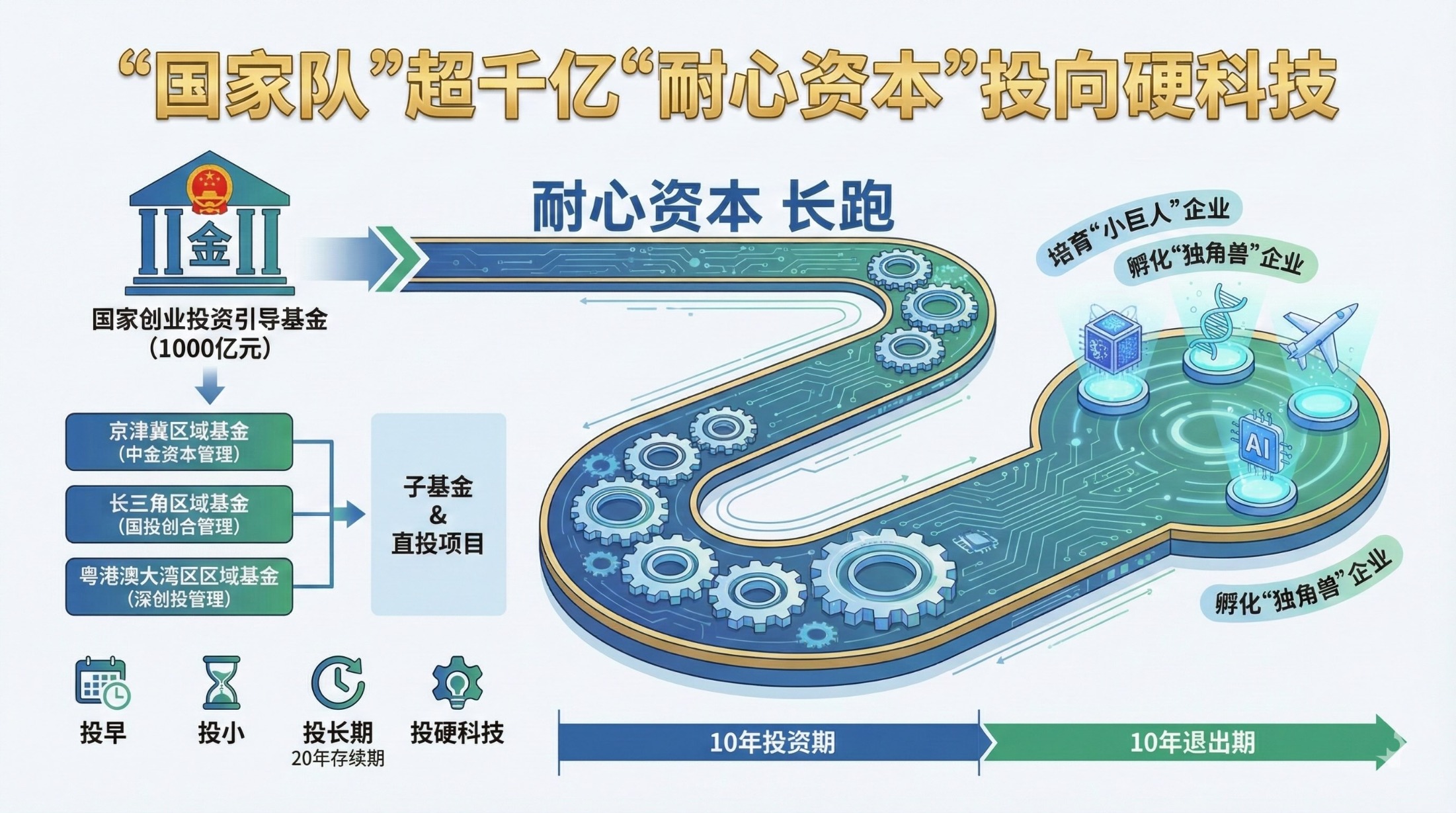
白京羽解释称,科创企业的成长壮大是一场"马拉松",需要资本长期、稳定的陪伴。国家创业投资引导基金设置20年存续期,其中10年为投资期、10年为退 出期,通过更长久的投资期限,为企业提供稳定的长周期资金支持;同时,以更为宽松的退出安排,为企业发展留出空间,用耐心资本陪伴企业"长跑",培 育更多专精特新的"小巨人"和"独角兽"企业。 在投资导向方面,白京羽表示,引导基金坚持"投早、投小、投长期、投硬科技"的"四投"原则,重点引导和带动创投市场发展。基金将以种子期、初创期企 业为主要投资对象,对此类企业的投资规模占比不低于基金总规模的70%。 在资金来源方面,财政部经济建设司司长郭方明在发布会上介绍,根据国务院批复方案,国家创业投资引导基金使用超长期特别国债资金出资,在国家层面 由财政出资1000亿元;在区域基金和子基金层面,则积极引导和鼓励社会资本参与。 据了解,国家创业投资引导基金采用"基金公司—区域基金—子基金"的三层架构运行。目前,京津冀创业投资引导基金、长三角创业投资引导基金、粤港澳 大湾区创业投资引导基金均已完成工商注册,未来3只区域基金的总规模均将超过500亿元。 区域基金是落实国家战略意图的重要载体 ...
国家创业投资引导基金启动——资本与创新迎来更多双向奔赴
Xin Lang Cai Jing· 2025-12-26 23:07
Core Viewpoint - The National Venture Capital Guidance Fund has been launched, signing agreements with three regional funds, 49 sub-funds, and 27 projects, aiming to attract a total capital scale of trillions of yuan to support strategic emerging industries and future industries [1][2]. Group 1: Fund Structure and Investment Strategy - The Guidance Fund is structured in a three-tier system: "Fund Company - Regional Fund - Sub-Fund," leveraging central government funds to attract social capital [2]. - The first three regional funds are established in the Beijing-Tianjin-Hebei, Yangtze River Delta, and Guangdong-Hong Kong-Macau Greater Bay Area, each with a total scale exceeding 50 billion yuan [2]. - The Guidance Fund focuses on early-stage investments, targeting seed, startup, and early-mid stage companies, with at least 70% of the total fund size allocated to these investments [2][3]. Group 2: Long-term Investment Approach - Unlike traditional venture capital funds with a lifespan of 7 to 10 years, the Guidance Fund has a 20-year duration, including a 10-year investment period and a 10-year exit period, accommodating sectors with longer return cycles [3]. - The fund aims to provide patient capital to support the long-term growth of innovative companies, fostering the development of "small giants" and "unicorns" across various industries [3]. Group 3: Support for Emerging Industries - The Guidance Fund will focus on strategic emerging industries and future industries as outlined in the 14th Five-Year Plan, investing in key common technology projects and companies achieving significant breakthroughs [3]. - The fund will collaborate with existing government and market-oriented investment funds to avoid duplication and competition, addressing the long-term capital shortage in the venture capital industry [3][4]. Group 4: Value-Added Services - In addition to financial support, the Guidance Fund will provide value-added services such as corporate governance, strategic planning, human resources, and industry collaboration to the invested companies [4].
国家创业投资引导基金启动 用耐心资本陪伴企业“长跑”
Xin Lang Cai Jing· 2025-12-26 22:03
(来源:河北日报) 转自:河北日报 据新华社北京12月26日电(记者魏玉坤)记者从国家发展改革委获悉,12月26日,国家创业投资引导基 金启动,京津冀创业投资引导基金、长三角创业投资引导基金、粤港澳大湾区创业投资引导基金3只区 域基金设立运行。 四是坚持做标杆基金。引导基金将与已设立的各类政府投资基金、市场化基金错位发展,重在解决创投 行业长期资本短缺的问题。 国家发展改革委创新和高技术发展司司长白京羽表示,引导基金发挥中央资金引领带动作用,广泛吸引 地方政府、中央企业、金融机构、民间资本等多方参与,形成万亿元资金规模,通过投基金、投企业、 投项目,加大对战略性新兴产业和未来产业支持力度,加快培育和发展新质生产力。归纳起来,引导基 金的定位是"四个坚持": 国家发展改革委创新驱动发展中心主任、国家创业投资引导基金有限公司董事长霍福鹏表示,12月26 日,3只区域基金已与49只子基金和27个直投项目签订投资意向,管理团队已经与各只基金和项目充分 沟通,预计近期可完成一批重点子基金和直投项目投资。未来,引导基金将推动在三个区域设立超过 600只子基金,服务新兴产业和未来产业发展。 一是坚持做早期基金。引导基金将种 ...
用耐心资本陪伴企业“长跑”(锐财经)
Sou Hu Cai Jing· 2025-12-26 21:37
本报记者 汪文正 12月26日,国家创业投资引导基金(以下简称"引导基金")正式启动,京津冀创业投资引导基金、长三角 创业投资引导基金、粤港澳大湾区创业投资引导基金3只区域基金设立运行。当日,国家发展改革委召 开专题新闻发布会,介绍引导基金有关情况。 让资本与创新"双向奔赴" 为壮大耐心资本,国家发展改革委、财政部发起设立了引导基金,加大对战略性新兴产业和未来产业支 持力度,加快培育和发展新质生产力。 国家发展改革委创新和高技术发展司司长白京羽介绍,引导基金的定位是"四个坚持": 一是坚持做早期基金,将种子期、初创期、早中期企业作为投资重点,支持企业聚焦前沿领域开展原创 性、颠覆性的技术攻关。 二是坚持做耐心基金,引导基金设置20年存续期,其中10年投资期、10年退出期,通过更长久的投资期 限,为企业提供长周期的资金供给;又通过更宽松的退出时限,为企业提供更多的发展空间,用耐心资 本陪伴企业"长跑"。 财政资金"四两拨千斤" 在资金来源方面,引导基金使用超长期特别国债资金出资,在国家层面由财政出资1000亿元,在区域基 金、子基金层面积极鼓励社会资本参与。财政部将充分发挥政府引导基金的杠杆靶向作用,实现财政资 ...
国家创业投资引导基金启动 形成万亿资金规模
Zhong Guo Zheng Quan Bao· 2025-12-26 21:05
"年初宣布设立引导基金以来,创投市场加速回暖,前三季度募资金额同比增长8%,投资金额增长 9%,投资案例总数增长近20%,这充分证明了引导基金对于提振市场信心、激发市场活力的重要作 用。"白京羽说。 国家创业投资引导基金开创性设立"基金公司-区域基金-子基金"三层架构。财政部经济建设司司长郭方 明介绍,引导基金使用超长期特别国债资金出资,在国家层面由财政出资1000亿元,在区域基金、子基 金层面积极鼓励社会资本参与。 ● 本报记者 欧阳剑环 12月26日,国家创业投资引导基金启动仪式在北京举行。中国证券报记者从现场了解到,引导基金已出 资成立3只区域基金,在集成电路、量子科技、生物医药、脑机接口、航空航天等领域签署一批意向子 基金和直投项目。 在同日举行的国家发展改革委专题新闻发布会上,国家发展改革委创新和高技术发展司司长白京羽介 绍,引导基金广泛吸引多方参与,形成万亿资金规模,加大对战略性新兴产业和未来产业支持力度,加 快培育和发展新质生产力。 设置三层架构 今年3月,国家发展改革委主任郑栅洁宣布,组建国家创业投资引导基金,聚焦硬科技、坚持长周期、 提高容错率,通过市场化方式投向科技型企业。 在投资环节,引 ...
国家创业投资引导基金撬动万亿元市场“造血”
Xin Lang Cai Jing· 2025-12-26 16:59
(来源:中国经济导报) 转自:中国经济导报 近年来,广东省广州半导体与集成电路产业已初步形成以黄埔区为核心的"一核两极多点"产业布局,逐 步打造全产业链以及庞大的应用市场。图为粤芯半导体技术股份有限公司生产车间。新华社 本报记者 | 杜 壮 12月26日,由国家发展改革委、财政部发起设立的国家创业投资引导基金(以下简称"引导基金")正式 启动,将发挥中央资金引领带动作用,广泛吸引地方政府、中央企业、金融机构、民间资本等多方参 与,形成万亿元资金规模,通过投基金、投企业、投项目,加大对战略性新兴产业和未来产业支持力 度,加快培育和发展新质生产力。就在启动仪式之后,为回应社会关切,国家发展改革举行专题新闻发 布会,介绍引导基金的相关情况。 用耐心资本陪伴企业"长跑" 对于引导基金的定位,国家发展改革委创新和高技术发展司司长白京羽归纳了"四个坚持":一是坚持做 早期基金。"今天的科技领军企业都是曾经的种子企业、初创企业。"白京羽表示,这类种子企业、初创 企业成长性好、前景广阔,但同时风险较高、不确定性较大,社会资本对其很关注,但投资普遍持审慎 态度。针对这一问题,引导基金将种子期、初创期、早中期企业作为投资重点,支 ...
国家创业投资引导基金正式启动 未来将推动在三个区域设立超过600只子基金
Zheng Quan Ri Bao· 2025-12-26 16:42
12月26日,国家发展改革委、财政部发起设立的国家创业投资引导基金(以下简称"引导基金")启动仪 式在北京举行。引导基金开创性设立"基金公司—区域基金—子基金"三层架构。其中,国家层面由财政 出资1000亿元,在区域基金、子基金层面积极鼓励社会资本参与。 财政部相关负责人表示,引导基金在区域基金及子基金层面,积极面向地方政府、金融机构、国有企 业、民营企业等,通过千亿元级财政资金,预计将撬动万亿元级社会资本。 (文章来源:证券日报) 另据霍福鹏透露,未来,引导基金将推动在京津冀、长三角、粤港澳大湾区三个区域设立超过600只子 基金,服务新兴产业和未来产业发展。 国家发展改革委创新和高技术发展司司长白京羽表示,下一步,引导基金将从两个方面持续发力。一方 面,汇聚各类社会资本,为新兴产业、未来产业注入金融活水。引导基金将与基金管理机构一道,重点 围绕创新创业活跃地区,对集成电路、人工智能、航空航天、低空经济、生物制造、未来能源等领域的 早期项目和种子企业,加大基金投资力度,努力带动各类金融机构以及民间资本共同投资。另一方面, 集聚各类创新要素,为创新型企业发展提供优质服务。在提供资金支持的同时,引导基金还将打造高 ...