AI眼镜

Search documents
小米AI眼镜,超预期的命题作文?
Hu Xiu· 2025-06-27 08:54
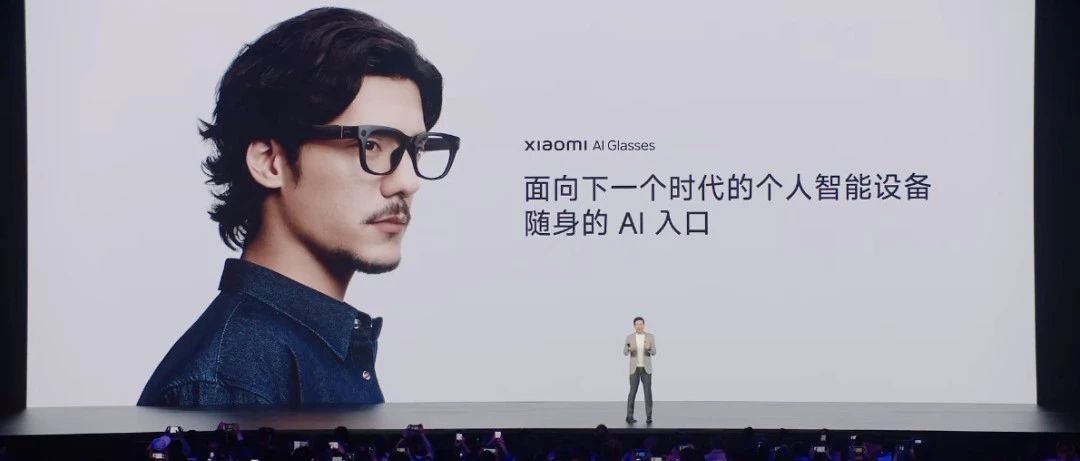
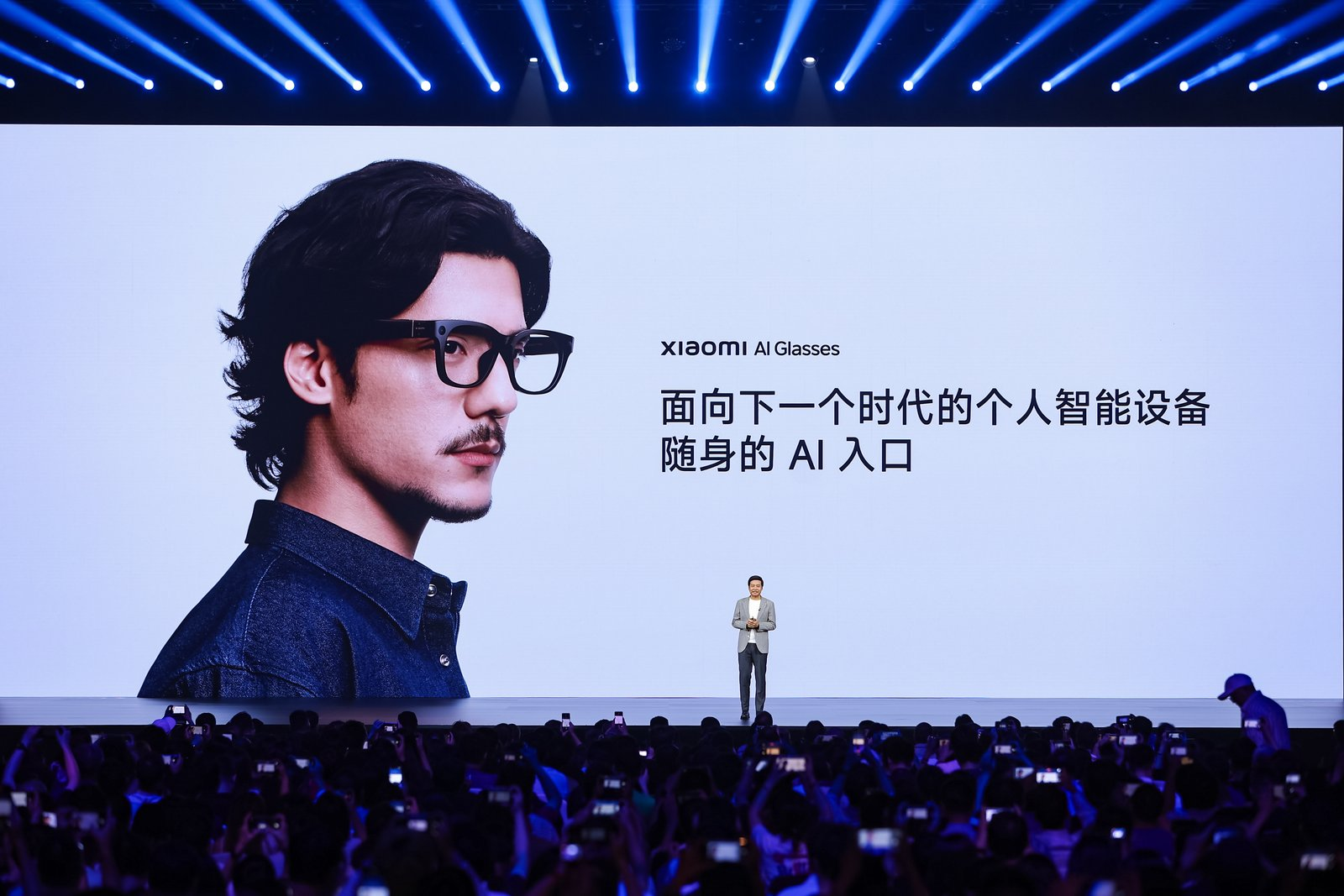
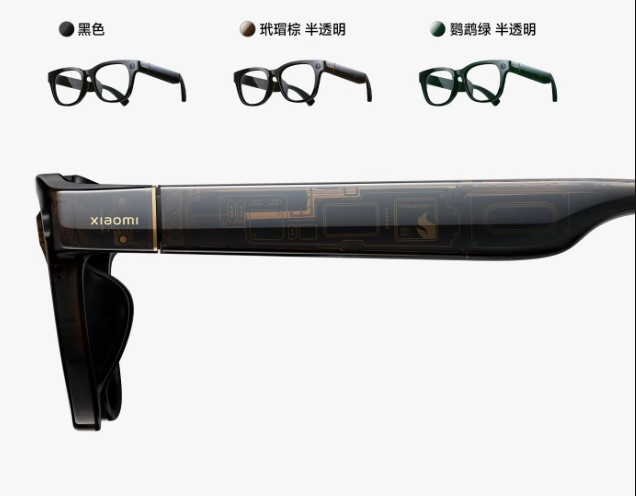
Core Viewpoint - Xiaomi has officially launched its first AI glasses, which are positioned as a next-generation personal device, but the current capabilities of AI glasses seem to fall short of this ambitious claim [3][12]. Product Features - The AI glasses utilize a dual-chip architecture with Qualcomm AR1 and Hengxuan 2700, and offer four color options for electrochromic lenses [1]. - Key functionalities include photography, AI multimodal interaction, visual recognition, and simultaneous translation, aligning with the capabilities of similar products [3]. - The glasses achieve approximately 8.6 hours of battery life in mixed-use scenarios, nearly doubling the battery life of competitors like Ray-Ban Meta [9]. Market Positioning - Xiaomi's AI glasses have sold 10,000 units within a day of launch, indicating strong initial market interest [13]. - The total projected shipment for smart glasses in China for 2024 is 167,000 units, suggesting that Xiaomi's early sales could significantly impact market dynamics [14]. Competitive Landscape - The AI glasses market is characterized by high product homogeneity, with many brands using similar designs and components, such as the Sony IMX681 sensor [5][6][8]. - Unlike competitors like Meta, which emphasize fashion and collaboration with brands, Xiaomi focuses on technological attributes, potentially limiting its appeal in the long term [17][21]. Strategic Advantages - Xiaomi leverages its supply chain management to differentiate its product, such as using electrochromic technology for lens options [9]. - The integration of a proprietary software operating system and a comprehensive hardware ecosystem provides Xiaomi with a competitive edge in product interconnectivity and functionality expansion [11].


日久光电(003015) - 003015日久光电投资者关系管理信息20250627
2025-06-27 07:12
Group 1: Company Overview and Strategic Development - The company plans to invest in a functional film project with an annual production capacity of 6 million square meters to meet the demand for light-adjustable conductive films and optical films [2] - The investment for the functional film project is approximately 822 million yuan, which will be allocated in phases [2] - As of March 31, 2025, the company's debt-to-asset ratio is below 20%, indicating a strong cash flow position [2] Group 2: Product Performance and Market Position - In the previous year, the revenue from light-adjustable conductive films was approximately 70 million yuan, while optical films generated around 30 million yuan [2] - The company anticipates growth in both product lines during the 2024 reporting period, with these products being key areas of expansion [2] - The market penetration rate for panoramic sunroofs in new energy vehicles reached 14.4% in 2024, an increase of 7.7 percentage points year-on-year [3] Group 3: Future Market Demand and Applications - The adoption rate of smart adjustable glass in panoramic sunroof models is expected to exceed 25% by 2024, according to S&P Global Mobility [3] - The company is actively supporting clients in various applications, including AI glasses and smart wearables, although there have been no sales results for AI glasses yet [2] - The company has not disclosed specific future market demand for light-adjustable conductive films due to confidentiality agreements [3]

小米首款AI眼镜发布,有哪些芯片机会?
芯世相· 2025-06-27 07:00
我是芯片超人花姐,入行20年,有50W+芯片行业粉丝。 有很多不方便公开发公众号的, 关于芯片买卖、关于资源链接等, 我会分享在朋友圈 。 扫码加我本人微信 昨晚 , 万众期待 的 小米首款AI眼镜 终于 正式亮相! 小米的首款AI眼 镜 直接对标Meta,同样采用黑色镜架设计,配备双侧摄像头和状态指示灯,扬声器和电池模块均隐藏在镜腿中。1999元的起售价 (小米AI眼镜标准 版售价 1999 元,单色电致变色版 2699 元,彩色电致变色版 2999 元 ) 也与 Meta眼镜最低299美元 ( 约合 人民币 214 0 元 ) 的定价 相差不多 功能方面,支持第一人称视角拍摄,第三方APP视频通话、直播,并配备了开放式耳机,并且拥有AI交互功能,内置了超级小爱,可以进行全局多模态 交互。 此外 ,小米首款AI眼镜专为亚洲脸型优化,轻至40g,还可作为开放式耳机,全天佩戴舒适聆听。 重重 惊喜 之下 , 小米 A I 眼镜 点燃了 大家 的 兴趣 。 据了解 , 在 小米 发布会前 , 小米 A I 眼 镜 已经吸引了超过3万人的预约,在雷军介绍 完小米AI眼镜后,该产品在小米商城上不到半小时就已售罄。 为 ...
下一个Meta不好做,小米AI眼镜距离百万爆款还差一个雷朋
Tai Mei Ti A P P· 2025-06-27 00:12
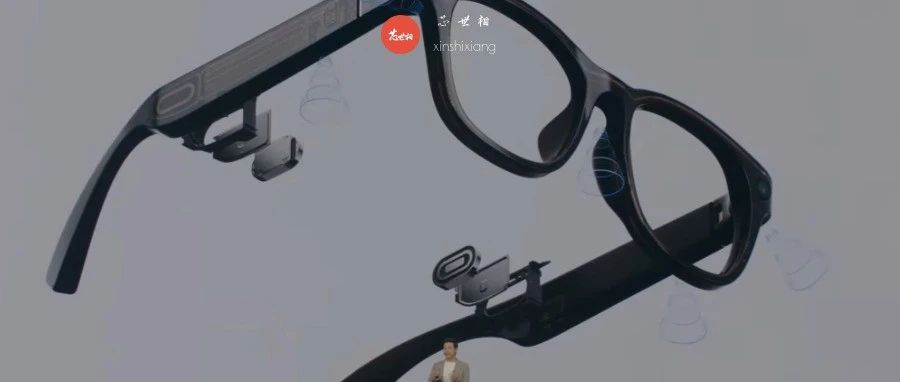
Core Viewpoint - Xiaomi's entry into the AI glasses market is seen as a significant move that could disrupt the industry, with the launch of the Xiaomi AI glasses and the competitive pricing of 25,350 yuan [2][4][19] Group 1: Product Features and Market Positioning - Xiaomi AI glasses are positioned as "personal intelligent devices for the next era," emphasizing their technological and AI ecosystem advantages [2][4] - The glasses feature a 12MP camera for video recording and live streaming, with a typical battery life of 8.6 hours, outperforming Meta's Ray-Ban glasses [5][6][12] - Xiaomi's AI glasses utilize a dual-chip combination for lower power consumption and support for voice commands and smart home device control [6][12] Group 2: Market Dynamics and Competition - The global AI glasses market is projected to reach 10 million units by 2025, with a potential 60% penetration rate for AI-enabled glasses [4] - Despite the strong product features, Xiaomi faces challenges in replicating Meta's success due to differences in branding and market positioning, as Meta's glasses are seen as fashionable social items [9][11] - The entry of Xiaomi is expected to accelerate industry consolidation, with many smaller companies potentially struggling to compete [15][16] Group 3: Industry Reactions and Future Outlook - Industry leaders express optimism about Xiaomi's entry, viewing it as a potential catalyst for market growth and user education [16][18] - The success of Xiaomi's AI glasses will depend on their ability to create a high-frequency usage product and differentiate themselves in a market that values personalization and design [18][19] - The competitive landscape is expected to remain diverse, with many companies continuing to innovate and carve out niche markets [18][19]
小米AI眼镜1999元起售,行业人士称是“半玩具、半工具”
Guan Cha Zhe Wang· 2025-06-27 00:03
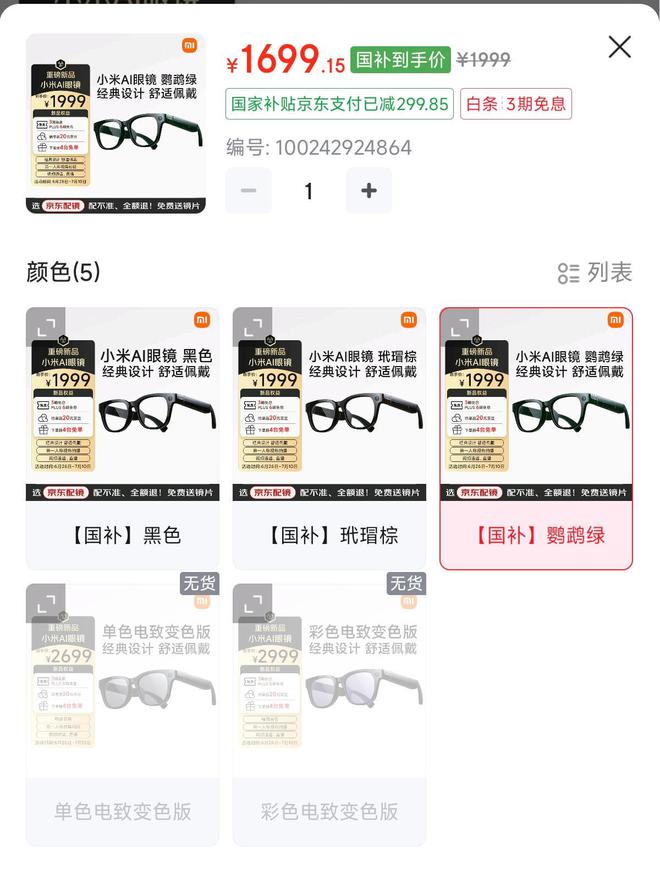
Core Viewpoint - Xiaomi has launched its first AI glasses, positioning them as next-generation personal smart devices with a starting price of 1999 yuan, aimed at enhancing user interaction through AI capabilities [1][2][6] Product Features - The Xiaomi AI glasses come in three versions, with the standard version priced at 1999 yuan, a monochrome electrochromic version at 2699 yuan, and a color electrochromic version at 2999 yuan [2] - Weighing 40g, the glasses offer a typical battery life of 8.6 hours and can be fully charged in 45 minutes, outperforming competitors like Ray-Ban Meta Glasses, which weigh 42g and have a battery life of 4 hours [1][2] Market Context - The AI glasses market has seen significant competition, with various brands like Baidu and Huawei also entering the space, indicating a growing interest and demand for such products [6][9] - The term "hundred glasses war" has been used to describe the ongoing competition in the AI glasses sector, highlighting the strategic importance of this product category for tech companies [6] Sales and Demand - Pre-launch, over 32,000 reservations were made for the Xiaomi AI glasses on platforms like JD.com, indicating strong consumer interest [2] - The standard version of the glasses may be eligible for government subsidies, potentially lowering the price to around 1699 yuan in certain regions [2] Industry Insights - The global market for AI smart glasses is projected to grow significantly, with a forecast of 12.05 million units shipped by 2025, reflecting an 18.3% year-on-year increase [10] - Despite the rising interest in smart glasses, industry experts note that no manufacturer has yet achieved profitability in this segment, suggesting ongoing challenges in monetizing the technology [9]
小米AI眼镜售价1999元起,给“百镜大战”再添一把火
第一财经· 2025-06-26 14:59
2025.06. 26 本文字数:1446,阅读时长大约3分钟 作者 | 第 一财经 吕倩 王珍 2025年初以来,"百镜大战"这个口号被喊了六个多月,小米集团(1810.HK)对AI眼镜的预热也持 续数月。6月26日,这款定位"面向下一个时代的个人智能设备"的硬件产品终于面世。 AI眼镜最早可以追溯至2008年立项的爱普生AR眼镜BT-100,2012年Google Project Glass将智能 眼镜概念引入大众视野。十余年的发展时间,AI眼镜从小众产品升级为开始产生规模化产品需求的 品类。据Wellsenn XR,2025年一季度,全球AI智能眼镜销量60万台,同比增长达216%,主要由 Ray Ban Meta贡献。除了小米,下半年阿里、三星等十几个品牌也将发布新品,Meta预计将在三 季度发布多款不同功能和形态的AI智能眼镜。 从技术层面来讲,是否具备显示功能是划分AI眼镜过渡阶段与成熟阶段的重要指标。AI眼镜要么主 要作为"AI语音眼镜"或"AI拍照眼镜",提供基础的语音交互和拍照功能;要么逐步演变为"AI+AR眼 镜",深度融合AI大模型,实现更复杂的人机交互和情境感知,可实现虚拟内容与现实场 ...
小米AI眼镜售价1999元起,给“百镜大战”再添一把火
Di Yi Cai Jing· 2025-06-26 14:18
Core Insights - The launch of AI glasses by Xiaomi marks a significant step in the transition from the transitional phase to the mature phase of AI glasses technology [3][4] - The global sales of AI smart glasses reached 600,000 units in Q1 2025, representing a year-on-year growth of 216%, primarily driven by Ray-Ban Meta [3] - The presence of display functionality is a critical indicator distinguishing between transitional and mature stages of AI glasses [3][6] Industry Development - The AI glasses market has evolved from niche products to a category with growing demand, with major brands like Xiaomi, Alibaba, and Samsung expected to release new products in the latter half of the year [3][4] - The development timeline of AI glasses shows a progression from initial exploration (2010-2013) to market expansion (2014-2016) and the integration of AI technology (2017-2022) [5] Technological Aspects - Xiaomi's AI glasses feature basic functions such as AI voice assistance and navigation, with potential for enhanced interaction and immersion if display capabilities are added [4][6] - The complexity of "AI+AR" functionality requires significant technological advancements, including optical solutions and algorithm optimization [6] Market Dynamics - The entry of major players like Xiaomi is expected to boost market confidence and accelerate consumer education regarding AI glasses [6][7] - The competitive landscape indicates that AI glasses are not a winner-takes-all market, with companies needing to identify specific user groups and product offerings [7] Pricing and Sales - Xiaomi's AI glasses are priced starting at 1999 yuan, and pricing will significantly influence short-term sales performance [7] - The current stage of AI glasses is characterized as "half toy, half tool," with tool attributes accounting for approximately 30%-40% of their functionality [7]
三夫户外20250625
2025-06-26 14:09
Summary of the Conference Call for Sanfu Outdoor Company Overview - **Company**: Sanfu Outdoor - **Industry**: Outdoor sports and apparel Key Points and Arguments Business Performance - Recent performance is strong, particularly in summer bestsellers like T-shirts, quick-dry pants, and shorts [3] - The "Chongli 168" trail running event is set for the first weekend of July, with significant marketing efforts for trail running gear [3] - The X Fly product line adjustment and the launch of the Furize series contributed to revenue growth during the 618 shopping festival [2][3] Store Expansion Plans - The X brand plans to open new stores in Northeast, Northwest, and Northern regions before Q3 [2][4] - Salomon brand has opened 37 stores, with three new stores in Jinzhou, Changzhou, and Wuhan in the first half of the year [4] Impact of Infrastructure Developments - The opening of the Shenyang to Changbai Mountain high-speed rail is expected to have limited short-term impact but could boost sales at the Isabel store during the snow season [6] Brand Positioning and Marketing - The flagship store on Nanjing West Road focuses on brand image rather than immediate sales, having undergone a redesign to showcase X products [7] - The company is actively adjusting product strategies to enhance quality-to-price ratios and increase the proportion of women's products [4][15][16] Financial and Investment Updates - A private placement has been submitted to the regulatory authority, with results expected by the end of July [2][13] - Funds from the private placement will be used for increased marketing efforts, sponsorship of events, and enhancing video presentations [14] Product Development and Market Trends - The company has not yet ventured into exoskeleton products, focusing instead on outdoor sports-related products [11] - The introduction of the Brisbane series is aimed at attracting new customers without significantly impacting overall profit margins [25] Inventory and Supply Chain Management - Inventory is being gradually digested, with good turnover for brands like X and Houdini [35] - The increase in inventory was primarily due to rapid product development, with some products not aligning with market trends [35] Competitive Landscape - The company faces intense competition from both foreign and domestic brands, prompting strategic adjustments in product offerings [15] - The focus remains on maintaining functionality and technology as core competitive advantages [16] Future Outlook - The company anticipates a positive impact from the upcoming snow season on sales, particularly for the Isabel store [6] - The overall market performance in Q2 2025 showed significant growth across various brands, with XBL, Arc'teryx, and Fila reporting year-on-year increases of 35%, 45%, and 38% respectively [29] Membership and Customer Engagement - Regular member activities are held bi-weekly to enhance engagement and boost repurchase rates [32] - The company is focusing on creating flagship stores that serve as brand showcases and enhance customer experience [31] Conclusion - Sanfu Outdoor is strategically positioning itself in the outdoor sports market through product innovation, store expansion, and enhanced marketing efforts, while navigating competitive pressures and market trends. The focus on brand image and customer engagement is expected to drive future growth.

“百镜大战”正燃 上下游携手共建产业生态
Zheng Quan Ri Bao Wang· 2025-06-26 14:06
Core Insights - The AI glasses industry is experiencing rapid growth, with major tech companies and startups entering the market, leading to a competitive landscape referred to as the "Hundred Glasses War" [1][3] - Key trends in the AI glasses sector include accelerated product iteration, deeper technology integration, and market segmentation [1] - The introduction of innovative features in AI glasses, such as payment capabilities and immersive photography, is driving consumer interest and adoption [2][5] Industry Trends - The AI glasses market is at an explosive growth phase, characterized by the emergence of new products and functionalities, supported by advancements in AI models, optical displays, and storage technologies [1][4] - Companies are leveraging their existing supply chain advantages and brand influence to enter the AI glasses market, with mobile phone manufacturers being particularly well-positioned due to high supply chain overlap [2][3] Product Innovations - Xiaomi's AI glasses, weighing only 40g, serve as a personal AI interface, enabling features like video recording, live streaming, and payment processing through voice commands [1][2] - Rokid's AI glasses have gained attention for their payment functionality, allowing users to complete transactions without needing to interact with their smartphones [2] Collaborative Ecosystem - The development of AI glasses is supported by collaboration across various sectors of the supply chain, including AI model technology, storage solutions, and optical display innovations [3][4] - Companies like YunTianLiFei and Sanan Optoelectronics are actively working on integrating AI technologies with wearable devices, enhancing the functionality and market appeal of AI glasses [4][5] Market Potential - The AI glasses market is expected to expand rapidly, with potential applications in photography, voice interaction, real-time translation, and health monitoring, driven by ongoing exploration and innovation from upstream and downstream companies [5]
1999元起!雷军正式发布小米AI眼镜
新华网财经· 2025-06-26 13:34
Core Viewpoint - The release of Xiaomi's AI glasses marks a significant milestone in the maturity of the AI glasses industry, prompting increased interest and investment from various companies in the sector [1][9]. Industry Developments - Investors are increasingly focused on the AI glasses supply chain, with many companies revealing their involvement and technological advancements in this emerging field [2]. - Xiaomi's AI glasses are priced at 1999 yuan, showcasing a high cost-performance ratio, supported by deep collaboration across the chip, optics, and acoustics supply chains [4]. - Several companies in the "Mi Chain" ecosystem are actively collaborating with Xiaomi, providing components and software development for the AI glasses [6]. Company Progress - Baiwei Storage anticipates revenue of approximately 106 million yuan from AI glasses in 2024, with a projected growth of over 500% year-on-year in 2025 [7]. - GoerTek has a broad business layout in hardware development for smart glasses, indicating a strong competitive advantage in the market [7]. - Hengxuan Technology reported a significant increase in net profit, driven by the growth in the smart wearable market, with a 590.22% year-on-year increase in Q1 2025 [7]. Strategic Investments - Riju Optoelectronics plans to invest approximately 822 million yuan in a project to enhance its production capacity for functional films, which are essential for wearable applications [9]. - Luxshare Precision is expanding its business in the Android ecosystem, emphasizing the importance of smart glasses in its consumer electronics product line [11]. - Various companies, including DiAo Micro and Longqi Technology, are developing new products and expanding their offerings in the AI glasses market, with optimistic growth forecasts [11][12]. Product Launches - Thunderobot Technology launched AI smart glasses in March, integrating features like music playback, photography, and AI translation, aiming to enhance user experience through a comprehensive product ecosystem [13].