气候变化

Search documents
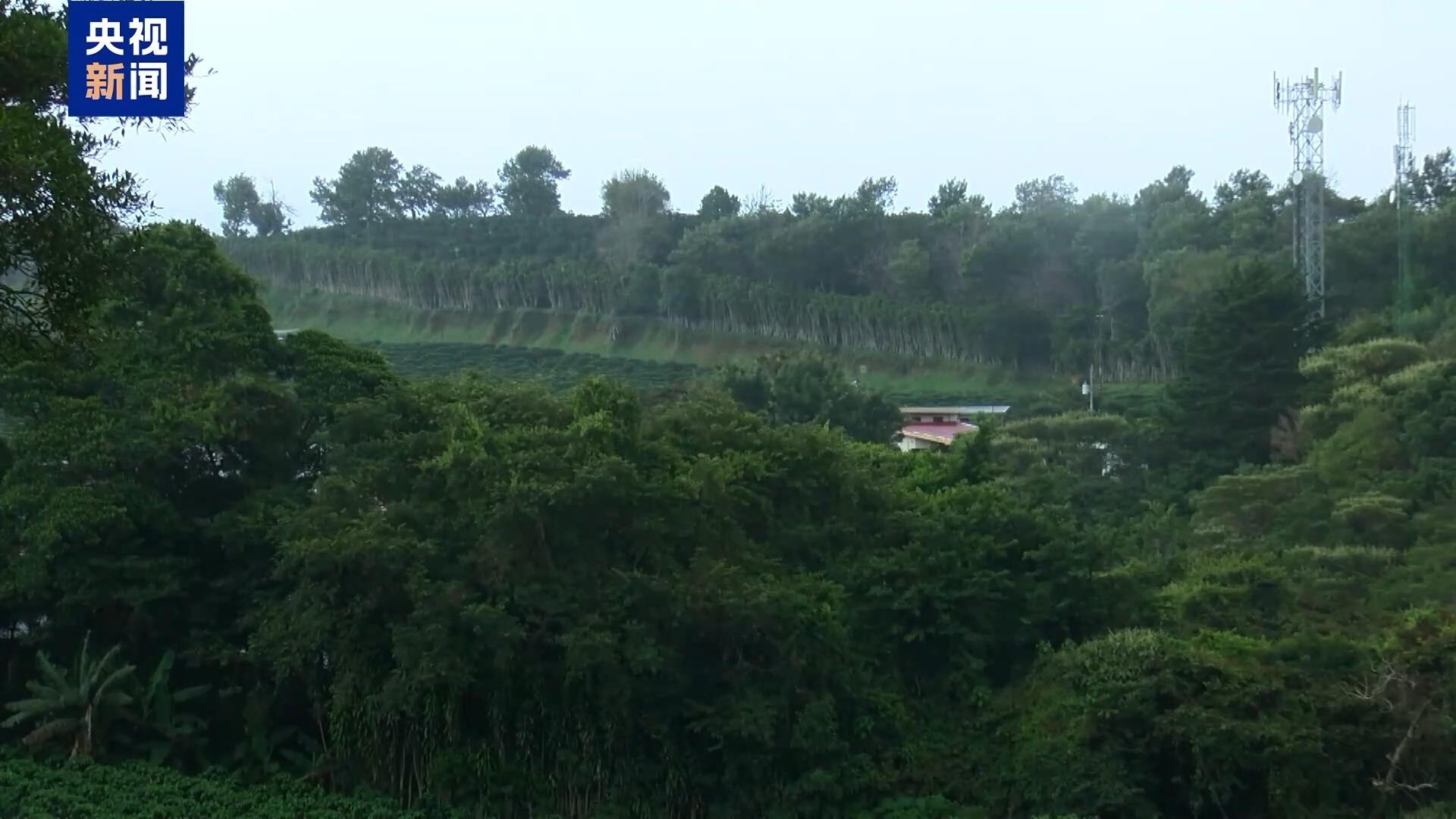
气候变化影响哥斯达黎加咖啡产量,预计来年产量下降约10%
Yang Shi Xin Wen· 2025-08-27 01:32
Core Insights - Coffee is one of Costa Rica's three major agricultural exports, but climate change is significantly impacting local coffee production, with an estimated 10% decline in output expected for the 2025-2026 period [1][3] Group 1: Production Impact - Continuous rainfall since the end of last year has disrupted the growth cycle of coffee, leading to a projected 10% decrease in coffee production for the 2025-2026 season, down to approximately 1.17 million bags [3] - The heavy rainfall has exacerbated structural issues, including labor shortages, with the Costa Rican Coffee Institute reporting that 15% of coffee cherries could not be harvested in time due to the adverse weather [3] - In the Los Santos region, particularly in Tarrazú, coffee production is expected to decrease by 20% for the 2025-2026 season, resulting in an estimated economic loss of $22.1 million [3] Group 2: Disease and Soil Conditions - The increased rainfall has intensified the spread of coffee rust and anthracnose diseases, while also damaging soil conditions for planting [7] - Producers are being forced to seek higher altitudes with more suitable temperatures for coffee cultivation [7] Group 3: Adaptation and Research Efforts - Costa Rican experts and institutions are working to develop new coffee varieties that can withstand the impacts of climate change, with research on hybrid coffee varieties initiated eight years ago [9] - The research focuses on the adaptability of these hybrids in non-traditional altitude planting areas, as well as addressing yield and coffee quality issues, which are critical in Costa Rica [9] - Additionally, Costa Rica is enhancing its early warning systems to provide timely alerts on diseases and weather changes, while also improving infrastructure for shade tree planting, irrigation system upgrades, and mechanical drying facilities [9]

葡萄牙有记录以来最大林火受控
Bei Jing Shang Bao· 2025-08-26 16:24
Core Points - The wildfires in central Portugal, which have been burning for 11 days, have been brought under control as of the 24th, but nearly 1,000 firefighters remain on standby to prevent re-ignition of the largest wildfire on record in the country [1][2] - The wildfire, triggered by lightning, affected seven municipalities in the Coimbra, Guarda, and Bragança districts, with a total burned area of 64,451 hectares [2] - This year's wildfires in Portugal have already burned over 278,000 hectares, surpassing the total burned area for the entire previous year, with extreme heat contributing to the increased wildfire risk [2] Industry Impact - The ongoing wildfires have led to significant destruction of homes and crops, resulting in four fatalities since July, prompting the government to announce emergency measures to assist affected areas, including funding for rebuilding destroyed homes and aid for farmers [2] - The Iberian Peninsula, where Portugal is located, is experiencing severe impacts from climate change, with longer and more intense heatwaves contributing to the wildfire crisis [3] - In Spain, wildfires have also been a major issue, with over 3,500 square kilometers burned in the past two weeks, indicating a broader regional challenge related to wildfires [3]

【环球财经】过火面积逾6万公顷 葡萄牙有记录以来最大林火受控
Xin Hua She· 2025-08-26 06:33
葡萄牙自然与森林保护研究所初步统计显示,今年以来野火过火面积已超过去年全年。由于极端高温加 剧野火风险,葡萄牙本月一度进入全国警戒状态。据欧洲森林火灾信息系统数据,2017年葡萄牙野火灾 情最严重,当年野火烧毁了超过56.3万公顷土地,共造成119人死亡。 据葡萄牙媒体报道,野火摧毁房屋和作物,今年7月以来已造成4人遇难。政府已宣布多项紧急措施以援 助受灾地区,包括为被毁房屋重建提供资金以及向农民提供援助。 专家指出,葡萄牙地处的伊比利亚半岛正遭受气候变化严重影响,热浪持续时间更长、强度更大。 (文章来源:新华社) 新华财经北京8月26日电 葡萄牙国家应急和民防局说,在该国中部地区延烧了11天的林火于24日得到控 制,但25日仍有近千名消防员待命,以防止这起该国有记录以来规模最大的林火势头再起。这起林火过 火面积达64451公顷。 法新社援引葡萄牙官员的话报道,这起林火由雷击触发,波及葡萄牙科英布拉区、瓜达区和布朗库堡区 的7个市镇。民防系统25日没有监测到新火情爆发。 葡萄牙自然与森林保护研究所说,这起林火是该国有记录以来规模最大的森林大火。此前最大的林火发 生在2017年10月,烧毁了5.3万公顷土地。 ...
过火面积逾6万公顷 葡萄牙有记录以来最大林火受控
Xin Hua She· 2025-08-26 05:37
Group 1 - The wildfires in Portugal, which have been burning for 11 days, were brought under control on the 24th, but nearly 1,000 firefighters remained on standby on the 25th to prevent a resurgence of the largest wildfire on record in the country, covering an area of 64,451 hectares [1] - The wildfires were triggered by lightning and affected seven municipalities in the Coimbra, Guarda, and Bragança districts [1] - This wildfire is noted as the largest in Portugal's recorded history, surpassing the previous record set in October 2017, which burned 53,000 hectares [1] Group 2 - Due to extreme heat, wildfires have ravaged Portugal this summer, with over 278,000 hectares affected so far this year, exceeding the total area burned in the previous year [1] - The government has announced several emergency measures to assist affected areas, including funding for rebuilding destroyed homes and aid for farmers [1] - The Iberian Peninsula, where Portugal is located, is experiencing severe impacts from climate change, with longer and more intense heatwaves [2]
西班牙遭遇有记录以来“最猛烈热浪”
Xin Hua Wang· 2025-08-25 03:16
新华社北京8月25日电 西班牙国家气象局24日说,该国8月3日至18日遭遇的16天热浪是有记录以来"最猛烈热浪",初步数据显示,此轮热浪的平 均气温比以往热浪高4.6摄氏度,刷新了2022年7月创下的纪录。 热浪对民众健康带来显著影响。西班牙卡洛斯三世健康研究所8月19日发布的数据显示,基于西班牙死亡率监测系统数据,8月3日至18日,该国 关联极端高温的超额死亡人数达1149人。超额死亡人数指特定地点和特定时期估计的总死亡人数与没有健康危机情况下的预计死亡人数之间的差 额。 科学家表示,气候变化正导致全球范围热浪持续时间更长、强度更大且发生频率更高。 西班牙国家气象局说,"当前夏季气温比过去几十年高是科学事实","并非每个夏季都会比前一年更热,但夏季极端化趋势愈加明显。关键在于 适应并缓解气候变化"。 据法新社报道,依照西班牙国家气象局说法,在刚刚结束的这轮热浪中,8月8日至17日"至少是自1950年以来"最热的连续10天。 欧盟气候监测机构哥白尼气候变化服务局信息显示,上世纪80年代以来,欧洲气候变暖的速度是全球平均速度的两倍。科学家认为,气候变化导 致欧洲部分地区愈加炎热干燥,更容易发生野火。(乔颖) 此 ...

欧洲今年蚊媒疾病传播事件创纪录 气候变化或令蚊媒疾病传播成为“新常态”
Xin Hua Wang· 2025-08-25 00:47
Core Insights - The European Centre for Disease Prevention and Control (ECDC) reports a record high of local transmission events of Chikungunya virus in Europe this year, with 27 cases reported as of September 13 [1] - The number of West Nile virus infections in Europe has reached its highest level in three years, with 335 reported cases and 19 deaths across eight countries [1] - Climate change is identified as a significant factor contributing to the increased spread of mosquito-borne diseases in Europe, leading to longer transmission seasons and broader geographic distribution [2] Group 1: Chikungunya and West Nile Virus - ECDC has reported 111 cases of Chikungunya in France and 7 in Italy, with no fatalities [1] - The distribution of West Nile virus is changing, with the highest number of cases in three years and an expectation of further increases [1][2] - The presence of the Aedes albopictus mosquito, which spreads Chikungunya, has expanded from 114 to 369 regions in Europe over the past decade [1] Group 2: Climate Change Impact - The ECDC highlights that climate and environmental factors, such as rising temperatures and altered rainfall patterns, are creating favorable conditions for mosquito breeding and virus transmission [2] - The director of ECDC states that Europe is entering a new phase where the transmission of mosquito-borne diseases is longer, wider, and more intense [2] Group 3: Public Health Implications - The emergence of a local Chikungunya case in northeastern France is noted as rare for that latitude, indicating an expanding risk of mosquito-borne diseases [2] - ECDC emphasizes the importance of coordinated public health actions and personal protective measures to mitigate the risks associated with evolving mosquito-borne disease patterns [3]
联合国机构发布免受极端高温侵害的报告和指南
Xin Hua She· 2025-08-22 12:47
Core Insights - The report emphasizes the increasing health challenges posed by extreme heat to global laborers, necessitating immediate action from governments, employers, and health departments to mitigate risks associated with heat stress [1][2] Group 1: Health Impact on Laborers - Climate change is causing more frequent and intense heatwaves, significantly affecting the health of laborers, particularly those in physically demanding sectors such as agriculture, construction, and fisheries [1][2] - For every 1°C increase in work environment temperatures above 20°C, labor productivity declines by 2% to 3% [1] Group 2: Recommendations and Guidelines - The new guidelines suggest tailoring heat protection plans based on local climate characteristics, specific job types, and the conditions of workers [2] - Special attention should be given to vulnerable groups, including older workers, those with chronic illnesses, and individuals with lower physical capacity [2] - Education and training for emergency responders, healthcare workers, employers, and laborers are crucial to enhance their ability to recognize and manage heat stress symptoms [2] Group 3: Global Labor Statistics - Over 2.4 billion workers are exposed to extreme heat conditions globally, leading to more than 22.85 million occupational injury incidents annually [2]
脱碳技术由中国主导
日经中文网· 2025-08-22 08:00
Group 1 - The core viewpoint of the articles highlights China's significant advancement in climate change research, surpassing the United States in both the number of published papers and citation quality [2][5][7] - In 2023, Chinese research institutions published approximately 14,000 papers related to climate change, exceeding the United States' 13,000 papers, marking a shift in global research leadership [5][7] - The global publication of climate change-related papers is projected to reach around 77,000 in 2024, with China contributing about 17,000 papers, accounting for 20% of the total [5] Group 2 - China's electric vehicle (EV) global sales share reached 55% as of Q4 2024, leading the market, with steady growth in Europe and Asia [5] - The domestic installed capacity of solar and wind power in China reached 50% in 2023, surpassing traditional coal power, indicating a significant shift towards decarbonization [5] - The Chinese leadership has set the "3060 goal," aiming for carbon emissions to peak by 2030 and achieve carbon neutrality by 2060, reflecting a strong commitment to climate action [7] Group 3 - The role of China in the Intergovernmental Panel on Climate Change (IPCC) is increasing, with Chinese representatives being appointed to key positions, such as co-chairing working groups on climate warming assessments [7] - The United States has shown a declining commitment to climate change research since the Trump administration, proposing significant budget cuts for related agencies [8]
欧洲今年蚊媒疾病传播事件创纪录
Xin Hua Wang· 2025-08-21 08:44
Core Insights - The European Centre for Disease Prevention and Control (ECDC) reported a record high of local transmission events of Chikungunya virus in Europe this year, with 27 cases reported as of August 13 [1][2] - The number of West Nile virus infections in Europe has reached its highest level in three years, with 335 reported cases and 19 deaths across eight countries [1][2] - Climate change is identified as a significant factor contributing to the increased spread of mosquito-borne diseases, leading to a longer transmission season and broader geographic range [4][5] Summary by Category Chikungunya Virus - A total of 27 local transmission events of Chikungunya virus have been recorded in Europe this year, marking a new high [1] - France reported 111 cases, while Italy reported 7 cases, with no deaths recorded [1] West Nile Virus - The ECDC noted that the number of West Nile virus infections is the highest in three years, with 335 cases reported and 19 deaths [1][2] - Italy has the most severe situation with 274 reported cases [1] Geographic Spread and Climate Impact - The range of the Asian tiger mosquito, which transmits Chikungunya virus, has expanded from 114 areas a decade ago to 369 areas currently [2] - The ECDC highlighted that the transmission risk is spreading to more northern regions, as evidenced by the first reported local case in Alsace, France [2] - Climate and environmental factors, such as rising temperatures and changing rainfall patterns, are driving the increased intensity and duration of mosquito-borne disease transmission [4][5] Public Health Implications - ECDC officials warn that the evolving patterns of mosquito-borne diseases will pose greater risks to the population in Europe [5] - Coordinated public health actions and personal protective measures are emphasized as increasingly important [5]

全球“最毒”的蚊子为何批量北上?专家揭示白纹伊蚊北迁祸因及防蚊绝招
Qi Lu Wan Bao· 2025-08-21 01:48
Core Insights - The increase in the population of Aedes albopictus, commonly known as the Asian tiger mosquito, poses significant challenges for mosquito control in northern China, particularly in urban areas like Beijing [2][3][4] Group 1: Mosquito Population Dynamics - The proportion of Aedes albopictus in Beijing has risen from less than 30% in 2014 to 43.08% in 2023, nearly matching the indigenous Culex pipiens [2] - The presence of Aedes albopictus is not limited to Beijing; it has shown significant growth in densely populated areas such as residential neighborhoods and parks since 2017 [4] Group 2: Health Risks - Aedes albopictus is known to carry over 10 pathogens, including dengue fever, yellow fever, Zika virus, chikungunya, and Rift Valley fever, making it a more dangerous vector compared to Culex pipiens, which primarily transmits West Nile virus and Japanese encephalitis [5] - The global spread of chikungunya virus was facilitated by a genetic mutation that allowed Aedes albopictus to become a competent vector, expanding its range from tropical to subtropical and temperate regions [5] Group 3: Environmental Factors - Climate change is a significant driver of the northward migration of Aedes albopictus, with rising temperatures and altered precipitation patterns extending the mosquito breeding season [6] - The distribution area of Aedes albopictus in warm temperate semi-humid regions has increased by 10% from 2000-2004 to 2015-2019, affecting areas including Beijing, Tianjin, and Hebei [6] Group 4: Urbanization and Breeding Habitats - Urbanization contributes to the proliferation of Aedes albopictus by providing suitable breeding environments, such as small water containers found in urban settings [7] - The mosquito's breeding sites include household containers, plant containers, and even small amounts of standing water, with as little as 100 milliliters being sufficient for larval survival [7] Group 5: Insecticide Resistance - There is a concerning increase in insecticide resistance among Aedes albopictus populations, particularly in areas affected by dengue fever, where resistance levels have escalated from low to high against certain classes of insecticides [8] - The rapid development of resistance is attributed to the frequent and improper use of insecticides [8] Group 6: Integrated Control Strategies - Experts recommend an integrated approach to mosquito control, combining environmental management, chemical control, and physical barriers to mitigate the risks associated with mosquito-borne diseases [10] - Community involvement in eliminating standing water and personal protective measures are emphasized as critical components of effective mosquito management [10]