
长江十年禁渔

Search documents
五年禁渔 鱼回川江
Xin Lang Cai Jing· 2026-01-01 22:54
Core Insights - The implementation of a ten-year fishing ban in the Yangtze River has led to significant ecological improvements, including a two-level increase in the aquatic biological integrity index compared to pre-ban levels [5] Group 1: Fishing Ban Implementation - The ten-year fishing ban in the Yangtze River, initiated on January 1, 2021, covers 21 cities, 177 counties, and 331 rivers, totaling approximately 36,000 kilometers [1] - The ban has resulted in the employment of all 10,413 retrained fishermen who expressed willingness and capability to work [6] Group 2: Species Recovery - From 2021 to 2024, 198 indigenous fish species were monitored in key areas of the Yangtze River, representing 83% of the historical total [5] - The successful artificial breeding of the Sichuan-Chongqing salmon has led to over 3,500 surviving second-generation fish, indicating potential for wild population reconstruction [3] - The annual production capacity of the Yangtze sturgeon has reached over 4 million, with survival rates improving from below 10% in 2007 to 80% [4] Group 3: Monitoring and Enforcement - Nearly 3,000 monitoring points have been established under the "Bright River Project," covering over 5,000 kilometers of no-fishing zones, with water patrols reaching 720,000 kilometers [9] - The introduction of thermal imaging technology has enhanced the ability to monitor illegal fishing activities at night [8] Group 4: Community Adaptation - Fishermen have transitioned to alternative livelihoods, such as fish processing, with government support facilitating the establishment of new businesses [7] - The government has implemented tailored employment plans to assist fishermen affected by the ban, ensuring their economic stability [6]
独立生存超百日,已适应“新家”
Xin Lang Cai Jing· 2026-01-01 22:54
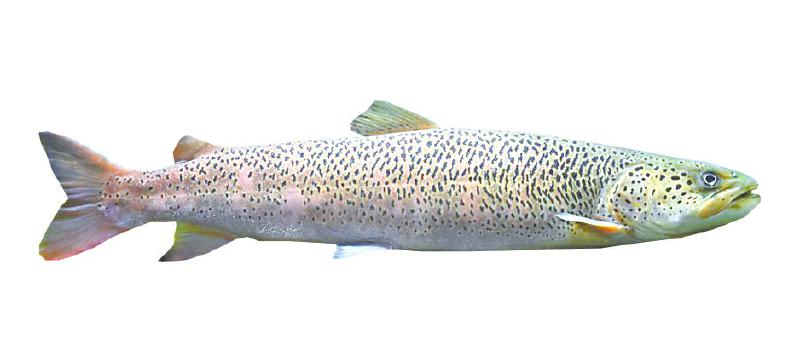
2025年是长江十年禁渔第五年。当年9月,2700尾全人工繁育的川陕哲罗鲑子二代鱼苗,在阿坝州马尔康市的大渡 河支流脚木足河巴拉水电站库区河段放归,这是我国最大规模川陕哲罗鲑子二代放归。100多天后,根据水生生物 监测结果,结合沿河居民反馈,可不时看到川陕哲罗鲑露头,证明放流鱼苗已适应天然水域生活。 川陕哲罗鲑是国家一级保护动物,长江上游旗舰物种之一。目前,川陕哲罗鲑主要天然栖息地仅在四川、陕西部 分河段。2024年,四川省农业科学院水产研究所首次实现川陕哲罗鲑全人工繁育技术突破,获得子二代苗种。子 二代,是指子一代自交产生的第二代鱼群。由于依靠野生群体自然繁育的子一代数量有限,现阶段全人工繁育环 境下生长的子二代是放归主力军。 为确保川陕哲罗鲑在"新家"安稳生活,阿坝州、马尔康市、阿坝县、壤塘县和红原县渔政主管部门与电站业主携 手建立了4个管理站、6支巡护队,全天候监测放归水域。从目前掌握的情况来看,本次投放的川陕哲罗鲑子二代 鱼苗已适应野外环境。据悉,下一步将持续开展大规模人工放归,最终目的是实现野外种群重构。 四川省农业科学院水产研究所原党委书记杜军表示,川陕哲罗鲑全面保护工作已开展了16年,自长江十年 ...

安庆长江“十年禁渔”有力有效水生生物重要栖息地生态得到明显修复
Xin Lang Cai Jing· 2025-12-20 02:40
Core Viewpoint - The implementation of a ten-year fishing ban in the Yangtze River has been effectively managed by Anqing City, ensuring strong political responsibility and comprehensive regulatory measures to support the ban [1][2]. Regulatory Framework - Anqing City has established a leadership group for the fishing ban, co-led by the main leaders of the municipal party and government, and has set up three specialized teams focused on the resettlement of fishermen, combating illegal fishing, and addressing illegal market operations [1]. - A "1+3" work promotion mechanism has been created, with corresponding institutions established in counties (cities, districts) with fishing ban responsibilities, forming a comprehensive responsibility system [1]. Monitoring and Enforcement - The city has built 140 grid units for monitoring, organized by villages, and established 10 fishery administration information centers, utilizing drones and digital technology for comprehensive coverage of the fishing ban areas [2]. - A strong enforcement strategy has been implemented, including on-water and land-based operations, and market inspections to combat illegal fishing activities and marketing of "wild river fish" [2]. Social Welfare and Support - The livelihoods of 3,052 fishermen who have transitioned from fishing have been prioritized, with all eligible individuals enrolled in pension insurance and healthcare, achieving a 100% housing safety guarantee [2]. - Employment assistance has been provided, resulting in 2,036 fishermen successfully transitioning to new jobs, achieving a 100% employment rate for those who have left fishing [2]. Ecological Restoration - The restoration of the Yangtze River's ecological environment is a top priority, with measures such as protection, release, and monitoring leading to significant recovery of important aquatic habitats [2]. - Anqing City has introduced the first local regulation for the protection of the Yangtze River dolphin and established a relocation protection base for the species, currently housing 25 healthy dolphins [2].
长江十年禁渔取得重要阶段性成效 退捕渔民生计有效保障,生物多样性持续向好
Jing Ji Ri Bao· 2025-12-10 22:23
Core Insights - The Ministry of Agriculture and Rural Affairs has made significant progress in implementing measures for the resettlement and support of fishermen affected by fishing bans, particularly in the Yangtze River region [1] Group 1: Support Measures for Fishermen - By the end of Q3 this year, all 142,000 fishermen with labor capabilities and employment willingness have transitioned to new jobs [1] - A total of 220,000 fishermen eligible for insurance have participated in pension insurance, with 60,000 already receiving pensions [1] - 12,000 fishermen have been included in the low-income assistance program [1] Group 2: Enforcement of Fishing Bans - In the first three quarters, a total of 13,224 administrative cases related to fishing have been investigated, representing a 16.2% decrease year-on-year [1] - There were 2,984 criminal cases related to fishing, showing a 37.3% year-on-year decline [1] - Both general illegal activities and organized fishing crimes have seen a "double decrease" [1] Group 3: Biodiversity Protection and Restoration - Monitoring indicates that the biodiversity of aquatic life in the Yangtze River is improving, with the main river and Poyang Lake rising by two levels and Dongting Lake by three levels compared to the "no fish" status before the fishing ban [1] - The Chishui River has maintained a "good" status for three consecutive years from 2022 to 2024 [1]
农业农村部:长江十年禁渔取得重要阶段性成效
Zhong Guo Xin Wen Wang· 2025-12-10 13:10
Group 1 - The core viewpoint of the articles highlights the significant progress made in the implementation of the ten-year fishing ban in the Yangtze River, with various measures being taken to protect aquatic biodiversity and support displaced fishermen [1][2]. Group 2 - By the end of Q3 2025, all 142,000 fishermen with labor capabilities and employment willingness have successfully transitioned to new jobs, and 220,000 fishermen have participated in pension insurance, with 60,000 receiving pensions [1]. - Joint law enforcement efforts have maintained overall stability in fishing ban management, with a total of 13,224 administrative cases related to fishing being handled, a decrease of 16.2% year-on-year, and 2,984 criminal cases being solved, down 37.3% [1]. - The number of illegal fishing criminal gangs dismantled reached 450, marking a 26.6% decrease, indicating a dual decline in general illegal activities and organized fishing crimes [1]. Group 3 - China is enhancing the protection of rare and endangered species, with specific rescue action plans for flagship species such as the Chinese sturgeon and Yangtze finless porpoise, and over 970,000 Chinese sturgeons have been released into the wild by 2025 [2]. - Monitoring shows that over 60% of released sturgeons have successfully entered the ocean, and natural breeding trials for the Yangtze sturgeon have been conducted, achieving successful spawning and hatching for the first time in 2025 [2]. - The ecological status of the Yangtze River and its lakes has improved, with the water quality levels rising by two grades in the Yangtze mainstream and Poyang Lake, and by three grades in Dongting Lake from the pre-ban "no fish" level [2].
深度关注丨守护“一江碧水向东流”
Zhong Yang Ji Wei Guo Jia Jian Wei Wang Zhan· 2025-12-07 02:28
Core Viewpoint - The article emphasizes the importance of ecological protection along the Yangtze River, highlighting the role of various local disciplinary inspection and supervision agencies in ensuring compliance with environmental protection policies and promoting sustainable development in the region [3][5][11]. Group 1: Supervision and Accountability - Hubei Province's Zhiqu County has prioritized the supervision of ecological protection along the Yangtze River, focusing on responsibility implementation and problem rectification [3]. - The political supervision mechanism in Chongqing's Yunyang County emphasizes a checklist management approach for water pollution prevention and major project oversight [5]. - Yichang City has developed a comprehensive supervision matrix to oversee various ecological projects, ensuring accountability and effective monitoring [5][6]. Group 2: Ecological Restoration Efforts - The Nappa Lake wetland in Yunnan has seen an increase in wintering bird populations due to improved ecological conditions, supported by local government supervision [4]. - Jiangxi's Jiujiang City has implemented a supervision plan focusing on the Yangtze River's ecological protection and pollution control [6]. - The comprehensive governance of the Honghu watershed in Hubei aims to address significant ecological degradation through systematic projects [7]. Group 3: Collaborative Supervision Mechanisms - The article discusses the establishment of cross-regional and cross-departmental collaborative supervision mechanisms to enhance the effectiveness of ecological protection efforts along the Yangtze River [11][12]. - Shanghai's disciplinary inspection team is actively monitoring the implementation of the "Ten-Year Fishing Ban" to combat illegal fishing activities [14]. - The integration of big data platforms in Yunnan aims to improve the precision and efficiency of ecological supervision [15]. Group 4: Community Engagement and Economic Transition - The transformation of local fishermen into ecological protectors in Yibin illustrates the successful integration of environmental protection with community livelihoods [17][18]. - The local government in Yibin has promoted agricultural and tourism development, leading to increased visitor numbers and economic benefits for the community [18].
“巩固好已经取得的成果”——长江禁渔五年观察
Ren Min Ri Bao· 2025-11-28 00:09
Core Viewpoint - The implementation of the ten-year fishing ban on the Yangtze River has shown significant positive effects on the ecosystem, leading to the recovery of aquatic biodiversity and resources, while also providing new livelihoods for former fishermen [1][2][8]. Group 1: Ecological Recovery - The Yangtze River's aquatic biodiversity is gradually recovering, with the population of Yangtze finless porpoises increasing to 1,249 in 2022, up by 237 from 2017 [3][4]. - Key species have returned, indicating a healthier ecological chain; for instance, the population of Chinese paddlefish has increased to four times its pre-ban level in certain areas [4]. - The overall resource density in the Yangtze River has risen by 9.5% year-on-year, and the number of indigenous fish species has increased by 36 since the ban [4][14]. Group 2: Habitat Restoration - Significant efforts have been made to restore aquatic habitats, including the removal of 342 small hydropower stations in the Chishui River, enhancing water connectivity [5]. - The ecological compensation funding for fishing-related projects has increased from 13% in 2021 to 76% [6]. Group 3: Support for Former Fishermen - The fishing ban has affected 231,000 former fishermen, with many transitioning to new livelihoods such as eco-tourism and aquaculture [8][10]. - Training programs and job fairs have been organized, providing nearly 20,000 job opportunities in various sectors for former fishermen [11][12]. - By September 30, 2023, all 142,000 employable former fishermen had transitioned to new jobs, and 220,000 had secured basic pension insurance [12]. Group 4: Regulatory and Enforcement Measures - The government has strengthened law enforcement against illegal fishing, with a focus on improving the capabilities of fishing law enforcement agencies [13][14]. - The Ministry of Agriculture and Rural Affairs has emphasized the need for a coordinated approach to manage the Yangtze River ecosystem effectively [19]. Group 5: Future Directions - The government plans to optimize and enhance policies for the remaining five years of the fishing ban, focusing on ecological restoration and biodiversity monitoring [19][20].
“巩固好已经取得的成果”
Ren Min Ri Bao· 2025-11-27 22:30
Core Points - The article emphasizes the importance of the Yangtze River's ten-year fishing ban, which aims to restore the river's ecological balance and biodiversity, marking a significant shift in the relationship between humans and nature [2][14][18] - The ban has led to a notable recovery of aquatic species, including an increase in the population of the Yangtze River dolphin and other native fish species, indicating positive ecological changes [3][4][11] - The article highlights the socioeconomic impact of the fishing ban on local fishermen, who have transitioned to alternative livelihoods, supported by government policies and training programs [7][9][10] Summary by Sections Ecological Recovery - The Yangtze River's biodiversity has improved significantly, with the population of the Yangtze dolphin increasing to 1,249 in 2022, up by 237 from 2017 [3] - Key species such as the Yangtze sturgeon and other native fish have shown signs of recovery, with the population of the Yangtze knife fish increasing to four times its pre-ban levels [4] - The aquatic biological integrity index has improved, with the Yangtze River and Poyang Lake moving up two levels from the "no fish" status [4] Habitat Restoration - Efforts to restore aquatic habitats have included the removal of 342 small hydropower stations on the Chishui River, enhancing water connectivity [5] - The introduction of natural restoration concepts aims to create diverse habitats for various fish species, improving their breeding conditions [5] Species Protection - The article discusses the ongoing efforts to protect endangered species through artificial breeding and release programs, with over 1 million Chinese sturgeons released in recent years [6] - The focus on full lifecycle protection of species is crucial for restoring aquatic ecosystems [6] Socioeconomic Transition - The fishing ban has affected 231,000 fishermen, prompting government initiatives to ensure their transition to new livelihoods, such as eco-tourism and aquaculture [7][9] - Training programs and financial support have been implemented to assist fishermen in adapting to new economic activities, with some achieving significant income from crab farming [9][10] Policy and Enforcement - The article highlights the need for strict enforcement against illegal fishing activities, as the ban's success faces challenges from poaching [12][13] - Future policies will focus on enhancing biodiversity monitoring and implementing targeted ecological management strategies [14][18]
“巩固好已经取得的成果” ——长江禁渔五年观察
Ren Min Ri Bao· 2025-11-27 22:18
Core Points - The article emphasizes the significant progress made in the ecological restoration of the Yangtze River due to the implementation of a ten-year fishing ban, which has led to an increase in aquatic biodiversity and the recovery of key species [2][4][12] Summary by Sections Ecological Restoration - The Yangtze River's aquatic biodiversity has improved, with the population of the Yangtze finless porpoise increasing to 1,249 in 2022, up by 237 from 2017 [3] - The population of the Yangtze knife fish has quadrupled since the fishing ban, and previously extinct species like the Chinese sturgeon are being monitored for recovery [4][6] Fishing Ban Impact - The ten-year fishing ban, initiated on January 1, 2021, has shown positive results, with a 9.5% increase in resource density in the Yangtze River by 2024 [4] - The number of indigenous fish species has increased by 36 since the ban, with a total of 344 species recorded [4] Habitat Restoration - Significant efforts have been made to restore aquatic habitats, including the removal of 342 small hydropower stations in the Chishui River, enhancing water connectivity [5] - The ecological compensation funding for fishing-related projects has risen from 13% in 2021 to 76% [5] Species Protection - The article highlights ongoing efforts to protect endangered species through artificial breeding programs, with over 1 million Chinese sturgeons released in recent years [6] - The focus is on enhancing the life cycle protection of aquatic species to ensure their survival and recovery [6] Economic Transition for Fishermen - The fishing ban has led to the transition of 142,000 fishermen into new livelihoods, with many engaging in eco-tourism and aquaculture [7][11] - Training programs and financial support have been established to assist fishermen in adapting to new economic activities [10][11] Regulatory Measures - The article discusses the need for improved regulatory measures to combat illegal fishing, as the pressure from poaching has increased with the success of the fishing ban [12][14] - A comprehensive monitoring and evaluation system for biodiversity is recommended to ensure the effectiveness of conservation efforts [14][18] Future Directions - The article calls for a coordinated approach across regions and departments to maintain the ecological balance of the Yangtze River and its tributaries [18] - Emphasis is placed on the importance of continued support for the fishing ban and the implementation of targeted ecological management strategies [18]
40万尾珍贵鱼苗放流长江,武汉启动长江冬季生态“进补”
Chang Jiang Ri Bao· 2025-11-19 02:40
Core Points - The article highlights the recent release of 400,000 fish fry into the Yangtze River as part of Wuhan's aquatic biological replenishment efforts, specifically focusing on the endangered species, the rosy bitterling and the long-nosed catfish [1][2] - The rosy bitterling, a unique freshwater species native to China, is noted for its beauty and is classified as a second-level protected aquatic animal [2] - The event is part of a broader initiative to reinforce the achievements of the "ten-year fishing ban" in the Yangtze River and to protect aquatic wildlife [2][4] Summary by Sections - **Release Event**: On November 18, Wuhan conducted a significant fish release event, introducing 400,000 fry into the Yangtze River, including 200,000 rosy bitterlings and 200,000 long-nosed catfish [1] - **Species Information**: The rosy bitterling is recognized for its striking appearance and long maturation period, with males taking over five years and females up to seven years to breed [2] - **Breeding Efforts**: The rosy bitterlings released were bred by the Wuhan Qingyu Original Species Breeding Farm, which has successfully bred 1 million fry this year, contributing to the replenishment efforts [2] - **Conservation Context**: The release aligns with the national campaign for the protection of aquatic wildlife and is supported by various local government and conservation organizations [2][4] - **Historical Context**: Since the start of the 14th Five-Year Plan, Wuhan has released over 700,000 rare and endangered fish species as part of its ongoing replenishment activities [2]
