长江大保护

Search documents
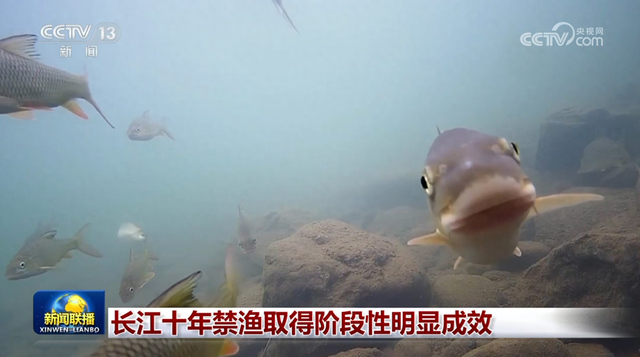
“生命长江 生生不息——长江禁渔五年展”在全国农业展览馆开展
Xin Lang Cai Jing· 2026-01-05 10:27
展览有3大亮点:一是内容"深"。以习近平总书记关于长江十年禁渔系列重要指示为指引,以"长江大保 护"为主题,以"长江十年禁渔"为主线,科学普及"为什么禁"、"怎么禁"、"怎么保护"等知识。二是形 式"活"。既有中华鲟、长江鲟、胭脂鱼等旗舰物种活体,也有白鱀豚、白鲟、长江江豚等珍稀物种模型 和长江鱼类标本,观众还可通过视频连线、品尝特色产品、制作渔拓、收集长江鱼类印章、拍摄AI主 题报纸、参加科普讲座等多种形式,观摩禁渔执法情况,了解退捕渔民状况,观看长江水生生物,体验 丰富多彩的长江渔文化。三是成效"实"。共展出180多幅图片、12张图表,以翔实的内容、精准的数 据、具体的案例,深入系统展示了有关部门和沿江各地开展的工作和取得的阶段性成效。 本次展览还在公众参与区,集中展示了北京、上海、江苏、湖北、云南、广东、新疆等7省(自治区、 直辖市)70余所中小学校学生绘制的100幅"未来的长江"儿童画,寄托着孩子们对长江母亲河的深切祝 福和美好期望。 智通财经记者 张成杰 为系统展示在习近平生态文明思想科学指引下长江禁渔5年来的成效,1月5日至25日,农业农村部会同 长江水生生物保护暨长江禁捕工作协调机制成员单位,在 ...

国家发改委:已批复三峡水运新通道项目可行性研究报告
Zhong Guo Xin Wen Wang· 2026-01-05 09:13
Core Viewpoint - The press conference held by the State Council's Information Office highlighted the significant progress and achievements in the development of the Yangtze River Economic Belt over the past decade, particularly in the area of ecological protection and infrastructure development [1][2]. Group 1: Infrastructure Development - A batch of new and renovated sewage pipeline projects has been initiated, with a focus on addressing urban sewage network deficiencies. The National Development and Reform Commission (NDRC) plans to allocate 24.4 billion yuan in special long-term bonds by 2025 to support approximately 12,000 kilometers of sewage pipeline construction along the main and major tributaries of the Yangtze River [1]. - Major engineering projects are being advanced, including the feasibility study approval for the Three Gorges Waterway New Channel Project, with preliminary work underway. Key river channel improvement projects are also being expedited, with the upper section from Fuling to Fengdu completed and in trial operation, and the middle section of the Jingjiang River nearing completion [2]. Group 2: Environmental Protection Initiatives - A series of special governance actions have been organized to address water pollution in industrial parks along the river, focusing on improving environmental infrastructure. Actions include soil pollution remediation in chemical decommissioning areas and comprehensive management of phosphogypsum, with over 60 million tons safely disposed of [1]. - The NDRC has implemented key policy measures, coordinating over 100 billion yuan in funding for ecological restoration projects, urban black and odorous water body treatment, and energy-saving initiatives in key industries along the Yangtze River [2]. Group 3: Future Plans - The NDRC will continue to work with relevant parties to ensure the implementation of the three-year action plan, aiming for ongoing improvements in the Yangtze River's ecological protection efforts [2].
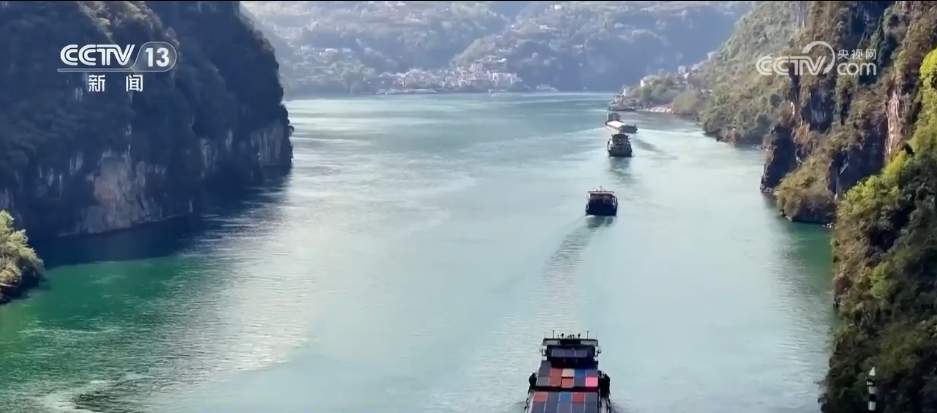
长江大保护十年来航道建设与生态保护成效显著
Zhong Guo Xin Wen Wang· 2026-01-05 07:52
Core Insights - The Yangtze River has achieved a collaborative advancement in waterway construction and ecological protection over the past decade [1][2] - Significant progress has been made in the transformation towards low-carbon and zero-carbon development in port operations along the Yangtze River [2] Group 1: Environmental Achievements - Over 60,000 vessels in the Yangtze Economic Belt have completed modifications for wastewater treatment, achieving near-zero discharge of domestic sewage [1] - More than 400 new energy and clean energy vessels have been put into operation, including the largest hydrogen fuel cell-powered vessel and the largest battery capacity pure electric passenger ship globally [1] - The ecological concepts have been integrated into waterway renovation projects, with over 80% greening rate for new projects and a cumulative area of over 3 million square meters for ecological solidification [1] Group 2: Infrastructure and Digital Development - A total of 1,361 illegal terminals along the Yangtze main line and 1,159 major tributaries have been rectified, with over 18,000 acres of shoreline restored [2] - Facilities for receiving ship pollutants have been established to achieve full coverage, with plans to handle 13,000 tons of ship waste and 977,000 cubic meters of domestic sewage by 2025 [2] - The construction of 20 comprehensive green service areas, 13 washing stations for hazardous materials, and various fueling stations has been completed to support green shipping [2] - Digital platforms for monitoring ship pollution sources and energy refueling have been implemented for intelligent management [2]
国家发展改革委:目前正在抓紧推进三峡水运新通道项目前期工作
Xin Hua Cai Jing· 2026-01-05 07:40
出台实施一批重点政策举措。统筹安排超长期特别国债、中央预算内投资等资金超1000亿元,支持重点 河湖水生态修复、城市黑臭水体治理、重点行业和重点领域节能降碳等长江大保护项目建设。印发深入 推进大江大河横向生态保护补偿机制建设的实施方案,明确在长江干流建立统一的流域横向生态保护补 偿机制。 (文章来源:新华财经) 新华财经北京1月5日电(记者王小璐) 国家发展改革委副主任王昌林5日在国新办新闻发布会上表示, 抓实抓好长江大保护是长江经济带发展战略的初心使命。《进一步抓实抓好长江大保护工作三年行动计 划》明确了2025年到2027年在水污染治理、水生态保护修复等领域的重点任务。一年多来,各项工作取 得了明显成效。 具体来看,新建改造一批污水管网项目。国家发展改革委积极发挥"两重"建设对长江大保护战略实施的 支撑作用,紧盯城市生活污水管网这个短板,统筹"硬投资"和"软建设",2025年安排超长期特别国债资 金244亿元,支持长江干流和主要支流沿线城市约1.2万公里污水管网建设项目。同时积极推动改革创 新,开展污水处理收费价格改革,指导四川宜宾、湖北十堰、江苏常州等地探索建立污水厂网一体化建 设运维机制,吸引社会资本 ...
47.3%、1.15万公里……“数”览长江经济带发展十年“成绩单”
Yang Shi Wang· 2026-01-05 06:37
Core Viewpoint - The development of the Yangtze River Economic Belt over the past decade has focused on ecological priority and green development, resulting in significant improvements in environmental quality and economic growth. Group 1: Environmental Improvements - The proportion of good water quality in the Yangtze River Economic Belt increased from 67% to 96.5%, with the water quality of the main river upgraded from some Class V to Class II across the board [16][14] - The number of illegal docks was reduced by cleaning up 1,361 sites, and the black and odorous water bodies in cities along the river were largely eliminated [16] - The total phosphorus concentration in the Yangtze River basin decreased by over 40% compared to ten years ago [16] Group 2: Economic Growth - The GDP of the Yangtze River Economic Belt more than doubled, increasing its share of the national economy from 42.2% to 47.3% [7] - Per capita disposable income rose from 23,000 yuan to 44,000 yuan, representing a growth of 91% [7] Group 3: Infrastructure Development - The length of high-grade navigable waterways in the Yangtze River system increased from 8,000 kilometers to 11,000 kilometers, with cargo throughput at major ports growing by 71% to reach 4.2 billion tons [5][11] - The number of major ports with a throughput capacity of over 100 million tons is expected to increase to 18 by 2025 [13] Group 4: Future Plans - The next steps include enhancing the monitoring and regulatory system for river pollution, improving biodiversity, and promoting the construction of beautiful rivers and lakes in the Yangtze River basin [20]
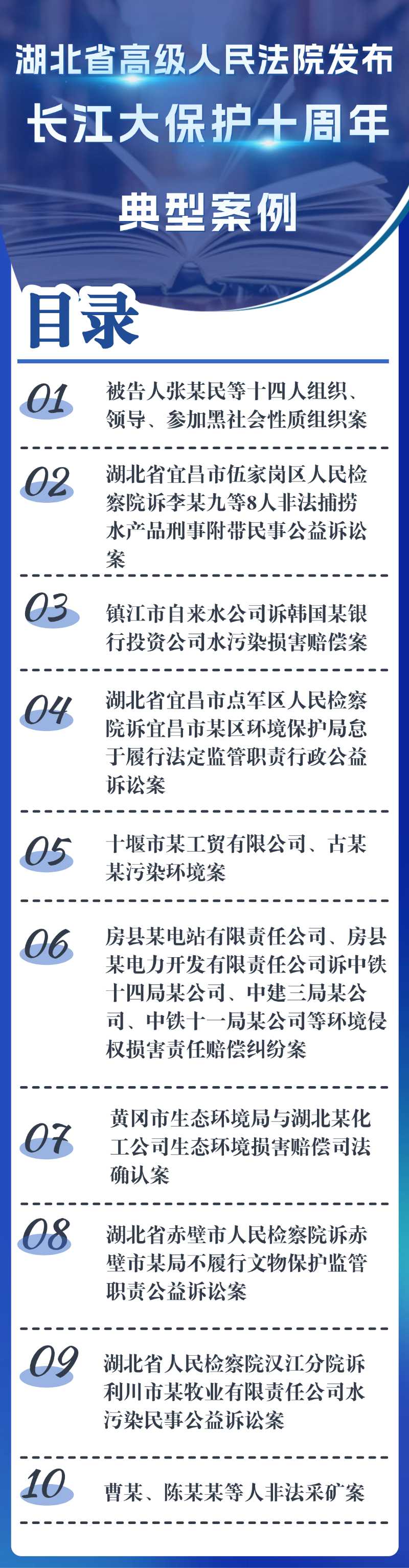
湖北省高级人民法院发布长江大保护十周年典型案例
Xin Lang Cai Jing· 2026-01-05 04:16
Core Viewpoint - The article emphasizes the importance of ecological protection along the Yangtze River, highlighting the judicial efforts made by Hubei courts over the past decade to enforce environmental laws and protect the river's ecosystem [1]. Group 1: Judicial Actions and Cases - Hubei courts have published ten typical cases that demonstrate their commitment to ecological protection, addressing issues such as illegal sand mining, illegal fishing, and water pollution [1]. - The case involving Zhang Moumin, who led a criminal organization engaged in illegal sand mining, resulted in severe penalties, including a death sentence with a two-year reprieve, showcasing the judiciary's strict stance against organized crime affecting the environment [7]. - In a case of illegal fishing, eight defendants were sentenced to prison for using electric fishing methods, with a requirement to restore fish populations, reflecting the courts' focus on ecological restoration [11]. Group 2: Environmental Protection and Accountability - The article discusses various cases where companies and individuals were held accountable for environmental damage, such as a chemical company that polluted groundwater, leading to a compensation agreement for ecological restoration valued at over 21 million yuan [30][31]. - A case involving a pig farming operation highlighted the importance of regulatory compliance, with the court mandating the company to cease illegal discharges and restore the affected environment [39][40]. - The judiciary's role in enforcing environmental laws is further illustrated by a case against a construction company for dumping waste in a reservoir, where the court prioritized ecological restoration over financial penalties [27][28]. Group 3: Significance of Judicial Decisions - The cases serve as precedents for environmental protection, demonstrating the judiciary's commitment to upholding ecological laws and promoting sustainable practices [24][41]. - The article highlights the collaborative efforts between judicial and administrative bodies to enhance environmental governance, ensuring that ecological restoration is prioritized in legal proceedings [47]. - The judicial decisions reflect a broader commitment to integrating ecological considerations into economic development, promoting a balance between environmental sustainability and economic growth [47].
期待更多丹顶鹤来越冬停留
Xin Lang Cai Jing· 2026-01-03 22:19
(来源:新华日报) 长江南京段也频传佳音。南京江心洲生态科技岛夹江侧,不时有江豚跃出水面。"微笑天使"长江江豚的 稳定栖息,是长江生态改善的生动注脚。近年来,长江"十年禁渔"持续推进,构建起就地保护、迁地保 护、人工繁育和野化放归的全链条保护体系,江豚种群数量实现历史性回升。 "十四五"以来,江苏以壮士断腕的决心,打响长江保护修复攻坚战,坚持生态优先、绿色发展,坚定不 移淘汰落后产能,为绿色发展腾出空间;重拳整治污染,着力提升长江水质;大力实施岸线修复,还岸 于民、还绿于江。长江大保护非一日之功,亦非一域之责。江苏坚持全省"一盘棋",强化规划引领,出 台系列法规政策,为长江大保护构筑坚实的制度保障。如今,沿江两岸生产、生活、生态空间布局持续 优化,沿江岸线变为生态走廊、休闲步道,人民群众的获得感幸福感不断提升。 当丹顶鹤到访、江豚归来,长江大保护进入"下一程"。近日,农业农村部会同国家发展改革委等部门联 合印发《长江江豚拯救行动计划(2026—2035年)》,提出10大保护与修复行动,覆盖长江江豚生活史 全过程和保护工作全链条,着眼于长远生态系统恢复,以推动长江江豚种群实现可持续增长为更高目 标,标志着保护工 ...
前瞻2026:“十五五”开局 主场外交受瞩目
Zhong Guo Xin Wen Wang· 2026-01-01 01:24
Group 1 - 2026 marks the beginning of the "15th Five-Year Plan," which is crucial for achieving socialist modernization and economic development in China [3][5] - The "15th Five-Year Plan" aims to lay a solid foundation for comprehensive development over the next five years, as outlined in the recommendations approved by the 20th Central Committee [3][5] Group 2 - China will host the second China-Arab States Summit and serve as the host for the APEC Leaders' Meeting in 2026, showcasing China's modernization achievements and promoting global cooperation [5][6] - The APEC meeting will take place in Shenzhen, marking China's third time hosting the event since 2001 and 2014 [5] Group 3 - The fourth national agricultural census will be conducted in 2026, providing a comprehensive overview of the agricultural sector and rural development in China [6] - This census is significant for formulating policies aimed at rural revitalization and agricultural modernization [6] Group 4 - A series of major national projects are anticipated in 2026, including the first launch of the new generation crewed spacecraft, "Dream Chaser," from the Wenchang Space Launch Site [9] - The Xinjiang Dashi Gorge Water Conservancy Project is expected to be completed and operational in 2026, setting a world record for concrete-faced rock-fill dams [9] Group 5 - The new Value-Added Tax Law will take effect on January 1, 2026, marking a significant step in tax law development in China [12] - The law aims to ensure fair competition and protect taxpayer rights [12] Group 6 - The revised Public Security Administration Punishment Law will also come into effect on January 1, 2026, addressing new social security issues and enhancing legal frameworks [15] - This includes penalties for activities such as leading pyramid schemes and harming public interests [15] Group 7 - The updated Cybersecurity Law will be implemented on January 1, 2026, focusing on enhancing cybersecurity responsibilities and promoting the development of artificial intelligence [17] - The law aims to support research and development in AI while ensuring ethical standards and risk management [17] Group 8 - 2026 marks the 90th anniversary of the victory of the Long March, a significant historical event in China [18] - The Long March is celebrated for its profound impact on Chinese history and the spirit it embodies [18] Group 9 - The 160th anniversary of Sun Yat-sen's birth will be commemorated on November 12, 2026, highlighting his contributions to Chinese democracy and nationalism [20] Group 10 - 2026 will also mark the 10th anniversary of the Yangtze River Protection initiative, which has led to significant environmental improvements along the river [22] - The initiative has resulted in enhanced ecological conditions and a shift towards sustainable development in the region [22]
湖北严肃问责185人,包括市委书记、市长、区委书记、区长等
中国基金报· 2025-12-28 16:14
来源:湖北省人民政府网站 2024年5月8日至6月8日,中央第四生态环境保护督察组对湖北省开展第三轮中央生态环境保 护督察,2024年8月20日向湖北省反馈督察情况,同时移交督察发现的4个生态环境损害责任 追究问题,要求认真调查、分清责任,依规依纪依法处理。 湖北省委、省政府高度重视,坚持以习近平新时代中国特色社会主义思想为指导,全面贯彻 落实习近平生态文明思想和习近平总书记关于长江大保护的重要论述,坚决扛起生态文明建 设和生态环境保护的政治责任,统筹推进中央生态环境保护督察反馈问题整改和责任追究工 作,以实际行动坚定捍卫"两个确立"、坚决做到"两个维护"。根据调查核实情况,依据《中 国共产党问责条例》等有关规定, 对74个责任单位、185名责任人员严肃追责问责,其中厅 局级干部19人、县处级干部50人、乡科级及以下116人;给予党纪政务处分60人、诫勉处理 78人、责令作出书面检查33人、批评教育处理14人。 现将有关情况通报如下。 一、关于洪湖水环境水生态状况持续下滑问题追责问责情况 荆州市、潜江市和有关部门对洪湖生态保护治理有畏难情绪,决心不够,不碰硬、慢作为, 流域规划统筹不力,推动落实洪湖污染治理和 ...
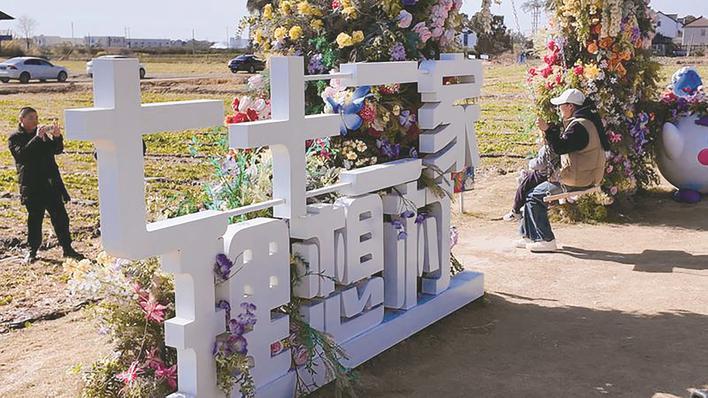
潮涌长江岸 渔村共富兴
Xin Lang Cai Jing· 2025-12-21 00:07
Core Viewpoint - The transformation of Liunan Village in Taicang City, Jiangsu Province, from a struggling fishing community to a thriving tourist destination showcases the successful integration of ecological protection and economic development, leading to significant improvements in local livelihoods and environmental quality [4][10]. Historical Context - Liunan Village was once known as a "poor fishing village" with weak industries and a reliance on fishing for income, which became increasingly unsustainable over time [5][6]. - The decline of local industries led to a "hollow village" phenomenon, with many young residents leaving for work elsewhere, and the remaining villagers struggling to make a living through traditional fishing and farming methods [5][6]. Transformation Initiatives - In 2016, the "Yangtze River Protection" initiative was launched, leading to extensive ecological restoration efforts, including the removal of illegal fishing gear and the regulation of aquaculture practices [7][8]. - The village undertook a series of measures to clear waste and improve the environment, which gradually restored the river's health and the village's aesthetic appeal [7][8]. Economic Development - The opening of the "Seventy-Two Ideal Villages" project in 2023 marked a significant turning point, with a total planned area of 4,400 acres, revitalizing local resources through innovative development models [9]. - The project has attracted over one million visitors, generating more than 60 million yuan in consumer spending, significantly boosting the local economy [10]. Community Impact - The transformation has enabled former fishermen and farmers to become small business owners, with many opening shops and guesthouses, leading to a substantial increase in their incomes [10][11]. - The establishment of a labor cooperative has created numerous job opportunities in tourism-related services, contributing to an average annual income increase of over 20,000 yuan per person [11]. Environmental Awareness - The community has developed a strong sense of environmental stewardship, with initiatives such as a professional patrol team to monitor the river and community activities focused on cleaning and preserving the environment [11]. - The village's evolution serves as a model for balancing ecological conservation with economic growth, demonstrating that protecting natural resources can lead to sustainable prosperity [11].