
韧性城市

Search documents
打造韧性城市,山东将这样做
Da Zhong Ri Bao· 2025-08-02 01:09
Core Viewpoint - The Shandong provincial government has issued the "Implementation Opinions on Promoting New Urban Infrastructure Construction to Build Resilient Cities," aiming to enhance urban resilience against disaster risks through the integration of new information technologies with urban infrastructure [2] Group 1: Goals and Objectives - The implementation plan sets two key milestones: by 2027, a comprehensive standard and mechanism for new urban infrastructure will be established, and by 2030, a complete digital transformation of urban infrastructure will be achieved [2][3] - The focus is on creating a unified, interconnected information platform across the province, enriching smart application scenarios, and providing replicable and promotable experiences for urban resilience [2] Group 2: Infrastructure Resilience - The plan emphasizes the importance of assessing existing urban infrastructure and old buildings to identify weaknesses and implement targeted improvements [3] - Two major projects are highlighted: the Urban Infrastructure Lifeline Safety Project, which involves installing IoT smart sensing devices for real-time monitoring, and the Building Lifecycle Safety Supervision Project, which aims to enhance safety management during construction using advanced technologies [3] Group 3: Spatial Resilience - The implementation plan outlines four key application scenarios to optimize urban living: improving road travel with smart infrastructure, enhancing public space management, developing smart residential areas, and upgrading digital home environments [4] - These initiatives focus on integrating smart technologies to improve safety, convenience, and efficiency in urban living [4] Group 4: Management Resilience - The plan aims to enhance urban governance through the establishment of a city information model (CIM) platform and a comprehensive urban operation management service platform [5] - This includes integrating various data sources to create a digital sandbox for urban planning and ensuring coordinated management across different governmental levels [5]
培育新城建产业生态,山东智能建造将这样发力
Qi Lu Wan Bao· 2025-08-01 05:15
Core Viewpoint - The Shandong provincial government is promoting the construction of resilient cities through new urban infrastructure, with a focus on intelligent construction as a key component for development opportunities and urban resilience [1][3]. Group 1: Policy Implementation - The "Implementation Opinions" outlines 12 key tasks, emphasizing the integration of intelligent construction with industrialization, including smart design, construction equipment, and production [3]. - Local governments are encouraged to incorporate intelligent construction into regional development plans and ensure adequate land use for industry clusters [3]. - The provincial government will support technology related to intelligent construction through provincial science and technology plans and promote the application of major equipment and software [3]. Group 2: Industry Development - Shandong is advancing supply-side reforms in the construction industry, aiming to create a modern construction ecosystem that enhances safety and livability [4]. - The province has established a pilot city framework with Qingdao as a national pilot and four other cities as provincial pilots, fostering a collaborative environment for intelligent construction [4]. - A total of 100 pilot enterprises and 102 projects have been developed, showcasing 109 technological innovations in digital design and smart construction [4]. Group 3: Future Directions - The focus will be on building industry clusters and supporting enterprises that integrate research, design, production, and operation into a complete industrial chain [5]. - There will be an emphasis on expanding innovative application scenarios and enhancing collaboration between industry and academia to promote intelligent construction technologies [5]. - The establishment of a standardized pricing system and the optimization of management processes are crucial for accelerating intelligent construction [6].

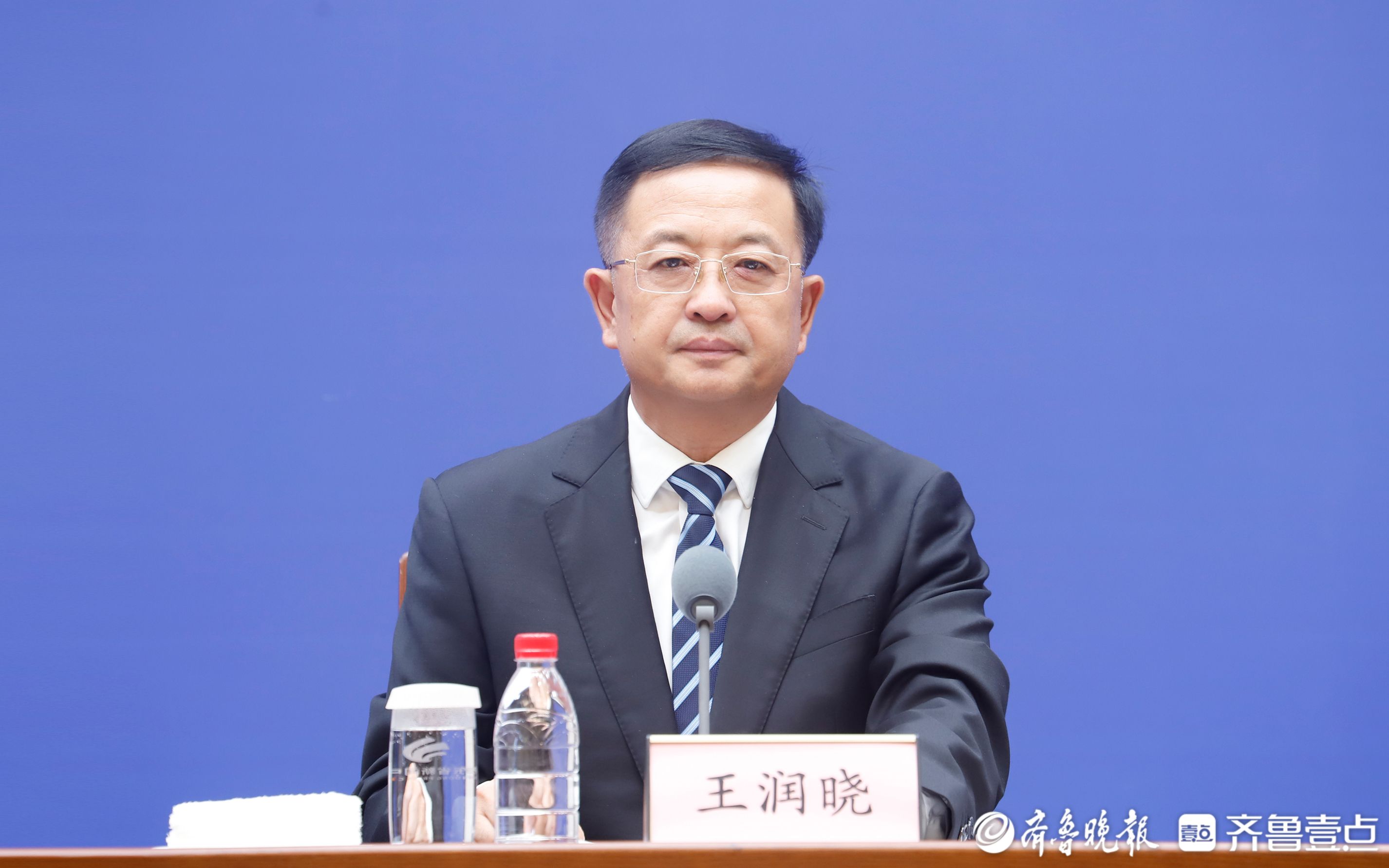
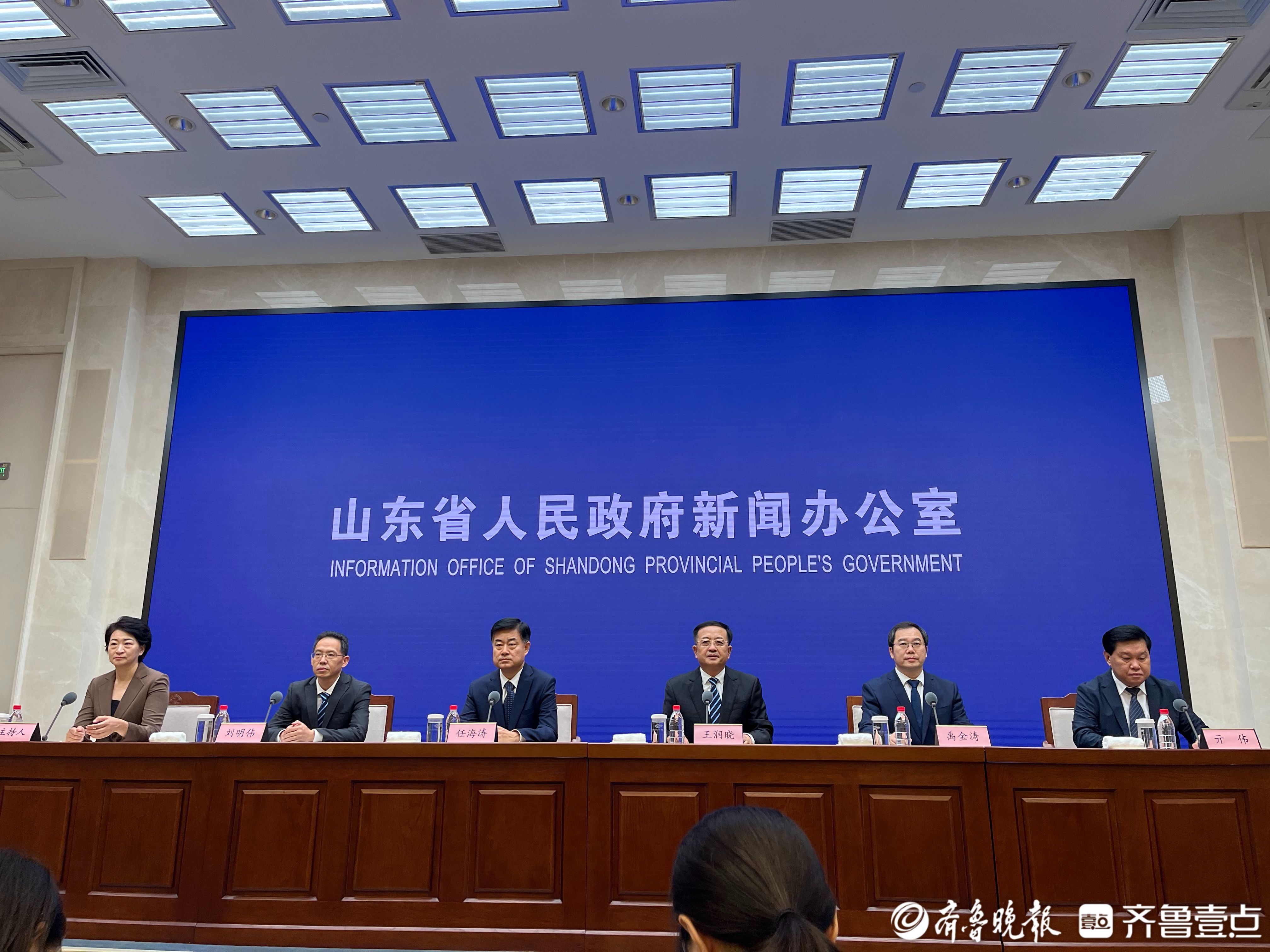
打造韧性城市,山东有了实施意见
Qi Lu Wan Bao· 2025-08-01 02:57
Core Viewpoint - The Shandong Provincial Government has introduced the "Implementation Opinions on Promoting New Urban Infrastructure Construction and Building Resilient Cities," aiming to enhance urban resilience against disaster risks by 2027 and 2030 [4][5]. Group 1: Goals and Objectives - By 2027, Shandong aims to establish a unified, interconnected information platform and develop a set of standards for new urban infrastructure, providing replicable experiences for the province and the nation [5][6]. - By 2030, the goal is to achieve a comprehensive digital transformation of urban infrastructure, enhancing urban resilience significantly in key areas [5][6]. Group 2: Dimensions of Resilience - The implementation plan focuses on three dimensions of resilience: facility resilience, spatial resilience, and management resilience, with 12 key tasks outlined to create a systematic approach to building resilient cities [6][7]. - Facility resilience involves improving the safety of urban infrastructure through comprehensive assessments and the integration of smart monitoring technologies [6][7]. - Spatial resilience emphasizes optimizing urban layouts to enhance livability and smart living environments, including improvements in transportation, public spaces, and residential areas [7][8]. Group 3: Technological Integration - The plan includes the establishment of a City Information Model (CIM) platform to integrate various data sources, creating a digital representation of urban spaces for better management [8]. - It also aims to enhance urban operation management through a service platform that promotes cross-departmental collaboration and real-time data sharing [8].
“安全冗余”并不多余
Xin Hua Ri Bao· 2025-07-31 10:24
Core Viewpoint - The articles emphasize the importance of "safety redundancy" in urban planning and disaster management to mitigate the impacts of extreme weather events, which are increasingly recognized as a significant global risk [1][2][3] Group 1: Extreme Weather and Urban Vulnerability - Jiangsu Province is currently facing severe weather due to Typhoon No. 8, highlighting the need for effective disaster preparedness and response measures [1] - Extreme weather events, such as droughts and heavy rainfall, are becoming more frequent, necessitating a reevaluation of urban infrastructure and safety protocols [1][2] - The tragic incident of a fallen tree during a storm underscores the vulnerabilities in urban management, where aging infrastructure and lack of proper maintenance can lead to catastrophic outcomes [2] Group 2: Importance of Safety Redundancy - "Safety redundancy" is defined as having backup systems in place to manage risks effectively, which is crucial in preventing disasters when primary defenses fail [1][2] - The lack of investment in safety redundancy is often due to the misalignment of costs and benefits, where the benefits of preventing disasters are not immediately visible [2] - The concept of safety redundancy is increasingly recognized in urban planning, with calls for cities to incorporate sufficient backup measures to handle extreme weather events [3] Group 3: Recommendations for Urban Resilience - The Central Urban Work Conference has called for the construction of resilient cities, emphasizing the need for redundancy in urban planning to prepare for unforeseen disasters [3] - Urban planners are encouraged to consider extreme weather factors in their designs, ensuring that adequate emergency shelters and flood control measures are in place [3] - Public awareness and education on risk management are essential components of building a resilient urban environment, promoting individual preparedness alongside institutional measures [3]
补齐设施短板 让城市更具韧性更加宜居∣学习贯彻中央城市工作会议精神②
Zhong Guo Huan Jing Bao· 2025-07-24 23:13
Core Viewpoint - The articles emphasize the importance of enhancing urban infrastructure to address environmental challenges and improve urban resilience in the context of rapid urbanization and climate change [1][2][3][4] Group 1: Urban Infrastructure Challenges - Urbanization has led to issues such as aging infrastructure and imbalanced construction, with significant problems in sewage collection and treatment systems [1] - The lack of effective sewage management can lead to environmental hazards, especially during extreme weather events, highlighting the need for infrastructure upgrades [1][2] - The transition from large-scale urban expansion to improving existing infrastructure is crucial for sustainable urban development [1][2] Group 2: Resilient City Development - The concept of resilient cities is becoming essential for urban safety and sustainable development, requiring integration into urban planning and construction [2][3] - Cities like Beijing are pioneering resilient city frameworks, while Shenzhen has successfully combined water management with urban development [2][3] - Enhancing urban resilience is linked to long-term competitiveness, attracting investment and talent [3] Group 3: Urban Renewal and Quality Development - Urban renewal should focus on high-quality, sustainable improvements rather than mere reconstruction, ensuring that projects meet community needs and withstand the test of time [4] - Balancing aesthetic improvements with foundational infrastructure is vital for long-term urban prosperity and public approval [4] - The government is actively supporting urban renewal initiatives to identify and mitigate infrastructure risks, promoting a shift from quantity to quality in urban development [3][4]
全面通深度融强机制求突破 奋力打造高效能治理标杆城市
Zheng Zhou Ri Bao· 2025-07-21 00:50
7月20日,全市党建引领网格化高效能治理工作推进会召开,深入学习贯彻习近平总书记在中央城 市工作会议上和在河南考察时重要讲话精神,认真落实中央和省委关于党建引领基层高效能治理的部署 要求,总结上半年工作,安排部署下阶段重点任务。省委常委、市委书记安伟主持会议并讲话。 安伟强调,要站位更高标准要求,奋力打造高效能治理标杆城市。要"全面通",用足用好网格化治 理平台这一载体,进一步厘清融合方向、目标、思路,推动各类治理资源、便民业务、数据信息全面打 通、协同一体。要"深度融",聚焦重点领域治理,加快推动群众诉求反映渠道"多平台归一",及时回应 群众关切,合力解决急难愁盼;聚焦城市全域泛在感知体系建设,发挥组织优势,强化数智赋能,打造 及时预警、智能防控的"韧性城市",实现全面融入、有机联动。要"强机制",健全完善上下协同、左右 联动、齐抓共管的多模态治理体系,推动"平急重"各类城市运行状态迅速切换、无缝衔接,形成纵向到 底、横向到边的现代化治理体系。要"求突破",抓好热点问题、突出矛盾的靶向施治、有力化解,加强 对高频事项、"三跨"事项的研究,集中力量打造一批先行应用场景,形成更强的示范性、引领性、标志 性效应, ...
奋发有为 推动城市高质量发展——论学习贯彻中央城市工作会议精神
Ren Min Ri Bao· 2025-07-17 21:47
Core Viewpoint - The Central Urban Work Conference has outlined "one optimization and six constructions" as key tasks to promote high-quality urban development, providing scientific guidance and clear direction for future urban work [1] Group 1: Urban Development Strategies - The conference emphasizes the need to optimize the modern urban system and construct vibrant innovation cities, comfortable livable cities, green low-carbon beautiful cities, safe resilient cities, morally uplifting civilized cities, and convenient efficient smart cities [1] - Innovation is highlighted as the "key variable" and "largest increment" for future success, with specific deployments for building vibrant innovation cities [2] - Cities are identified as the main battleground for technological innovation and industrial development, necessitating tailored strategies to foster innovation ecosystems and stimulate entrepreneurial vitality [2] Group 2: Reform and Safety Measures - Existing policies from the period of urban expansion are deemed inadequate, necessitating reforms to enhance urban dynamism and adapt to new circumstances [3] - The concept of a resilient city is underscored, with a focus on prioritizing ecological and safety considerations in urban development [3] - The need for proactive risk management and emergency preparedness in urban planning and governance is emphasized, particularly in light of concentrated safety risks in densely populated urban areas [3][4] Group 3: Implementation and Capacity Building - The complexity of urban work requires strengthening the quality and capabilities of urban work teams to effectively implement the outlined tasks [4] - A commitment to practical, results-oriented approaches and a proactive attitude is essential for achieving new successes in high-quality urban development [4]
城市更新如何重塑生活?中央城市工作会议划重点
Yang Shi Xin Wen Ke Hu Duan· 2025-07-16 13:43
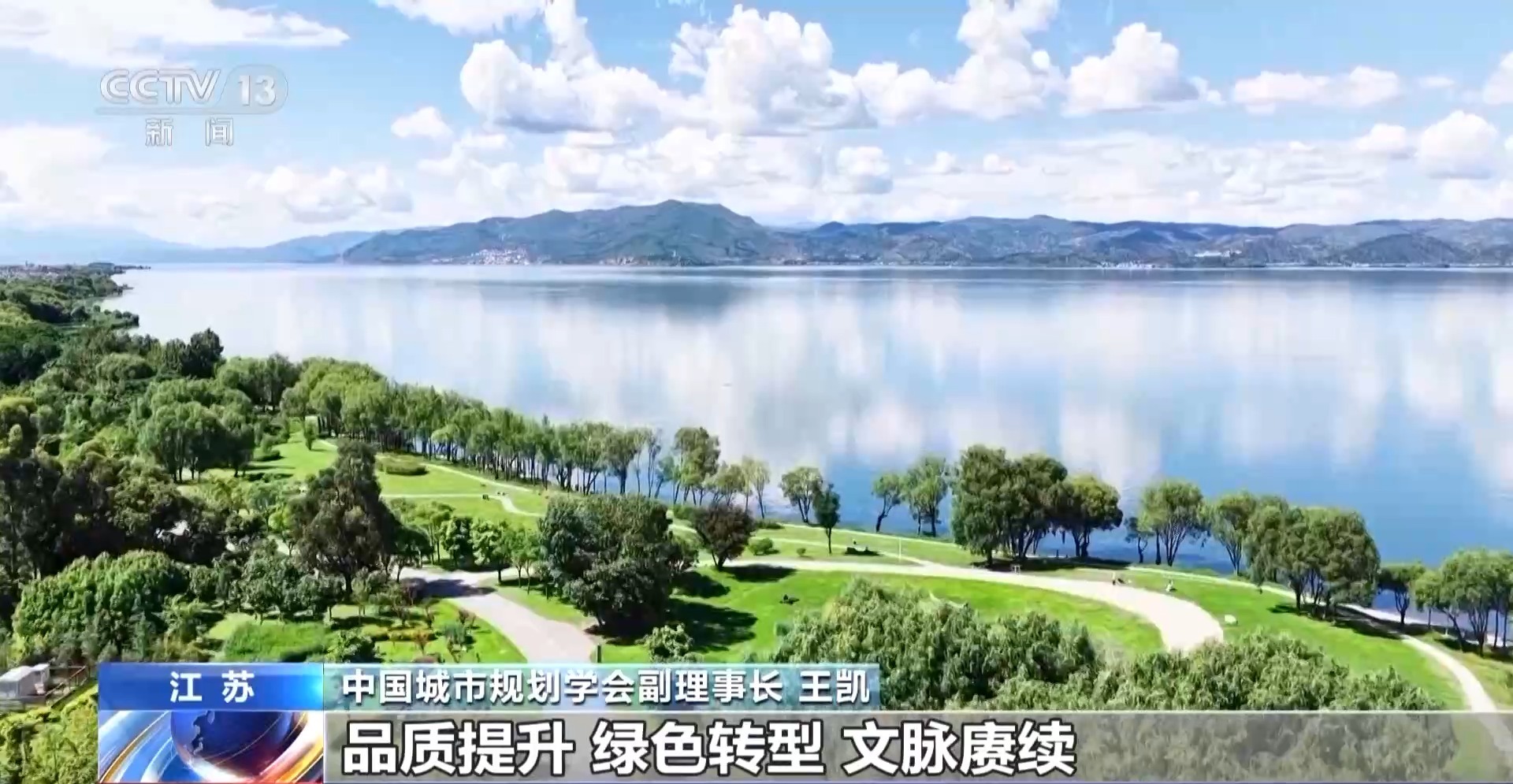
Key Points - The central urban work conference has outlined seven key tasks for urban development, emphasizing the importance of urban renewal as a crucial approach [1] - The first task focuses on optimizing the modern urban system to enhance the capacity of cities to support population and economic development, indicating a continued emphasis on urban clusters and metropolitan areas [1] - The conference highlights the need for high-quality urban renewal, which includes structural optimization, functional transformation, quality improvement, green transition, cultural continuity, and governance efficiency [3] - Urban renewal is seen as vital for providing space and support for innovative development, allowing for a more rational layout of residential, work, and leisure areas [5] - The conference calls for the construction of comfortable and convenient livable cities, with a focus on new real estate development models and the gradual promotion of urban village and dilapidated housing renovations [7] - Emphasis is placed on building green and low-carbon beautiful cities, aligning with the trend of promoting "good housing" in the real estate sector, with expectations for supportive policies in planning, land, finance, and other areas [9] - The conference also stresses the importance of building resilient cities, with specific requirements for safety governance, including limiting super-tall buildings and enhancing housing safety standards [11] - Cultural preservation is highlighted, with a focus on protecting unique historical contexts, human geography, and natural landscapes, marking a shift towards more specific cultural soft power initiatives [11] - The need for efficient smart city development is emphasized, with mechanisms to address citizens' urgent issues, indicating potential breakthroughs in urban governance models [13] - The urban development phase is shifting towards improving existing stock, necessitating a focus on human-centered, efficient, and distinctive development approaches [15]
核心是以人为本的新型城镇化:中央城市工作会议学习解读
SINOLINK SECURITIES· 2025-07-16 05:12
Group 1: Urban Development Goals - The central urban work conference emphasized urban renewal as a key strategy to build a modern, innovative, livable, resilient, and smart city for the people[1] - The conference introduced new goals of "innovation, beauty, and civilization" for urban work, contrasting with the previous focus on "livable, resilient, and smart cities"[3] - The primary task is to optimize the modern urban system, enhancing the capacity to support population and economic development[3] Group 2: Population and Public Services - The meeting aims to address the shortfall in basic public services and promote the urbanization of rural migrant populations, targeting a shift from a "manufacturing power" to a "consumer power" economy[1] - There are approximately 300 million migrant workers in China, with 132 million residing in urban areas, highlighting the need for improved public service provision[5] - The estimated cost to provide basic public services for the 132 million urban migrant workers is around 6-7 trillion yuan, indicating a significant investment requirement[5] Group 3: Urban Renewal Focus - Future urban renewal efforts will prioritize enhancing the supply and equalization of basic public services, moving beyond traditional areas like village and dilapidated housing renovations[6] - The conference outlined seven key tasks for urban work, with a focus on developing modern urban clusters and metropolitan areas[3] - The emphasis on building resilient cities includes upgrading urban infrastructure, with an estimated investment need of about 4 trillion yuan for the next five years[9] Group 4: Risks and Challenges - There is a risk of misinterpreting policy intentions, which may lead to slower-than-expected progress in urban renewal efforts[10] - The complexity of implementing urban renewal and public service equalization may result in challenges regarding the pace and intensity of these initiatives[10]
认真践行人民城市理念 推动城市高质量发展
Shan Xi Ri Bao· 2025-07-15 23:10
Group 1 - Xi Jinping's speech at the Central Urban Work Conference has sparked enthusiastic responses in Shaanxi, emphasizing the need for high-quality urban development through optimization of urban structure, energy transformation, quality enhancement, green transition, cultural continuity, and governance efficiency [1] - The conference highlighted the importance of optimizing the modern urban system, with a shift from large-scale expansion to quality improvement and efficiency enhancement in urban development [1] - Companies like Shaanxi Tiandi Construction Co., Ltd. are actively participating in urban renewal projects, focusing on improving living environment quality and optimizing public space facilities [1] Group 2 - The conference called for the cultivation of an innovative ecosystem to achieve breakthroughs in new productive forces, encouraging institutions like the Xi'an Institute of Optics and Fine Mechanics to focus on original innovation in photonics technology [1][2] - The city of Shangluo is working towards its goal of "one capital and four districts," using urban park construction as a means to enhance urban functions and improve living conditions [1][2] - Yulin City is committed to achieving comprehensive compliance with air quality standards by 2024, focusing on ecological protection and sustainable development through six major initiatives [1][2] Group 3 - The conference emphasized the construction of resilient cities, with research teams developing high-precision hydrodynamic models to assess flood risks and enhance urban resilience against extreme weather events [2] - The promotion of a civilized city is a key focus, with local governments implementing regulations and initiatives to foster a culture of good behavior and community engagement [2] - The Xixian New Area is addressing urban challenges like traffic congestion by creating a smart city platform that integrates data from various departments to improve governance and service efficiency [2]