产教融合

Search documents
湖南石化职院赴深圳:深化产教融合 服务产业升级
Zhong Guo Xin Wen Wang· 2025-11-20 03:23
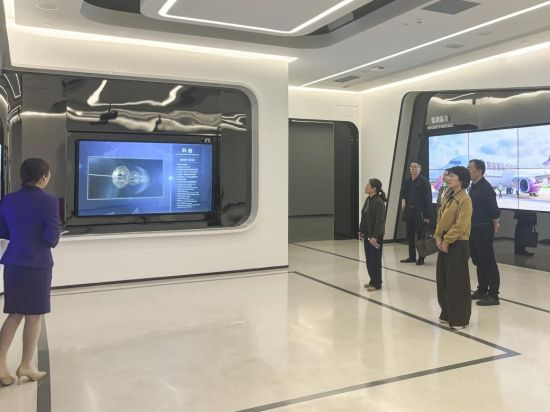
11月17日至18日,湖南石油化工职业技术学院党委书记徐方一行前往深圳市开展专题调研,先后走访深 圳市元创时代科技有限公司、深圳市跨越物流有限公司和深圳市越疆科技股份有限公司,围绕跨境电 商、智能物流与人工智能等前沿领域,探索校企协同育人新机制,开启产教深度融合新篇章。 校企座谈。湖南石油化 在深圳市跨越物流有限公司,调研团队重点考察了企业在智能仓储、无人配送、供应链管理等方面的创 新应用。企业技术主管表示,随着物联网、大数据和自动化设备的广泛应用,传统物流岗位正被重新定 义,对掌握智能系统操作、数据监控与应急调度能力的技术人才需求持续上升。校企围绕"人才共育、 课程共建、基地共管、成果共享"展开深度对话,徐方强调,职业教育必须"贴紧产业走、跟着需求 转",学校将以此次调研为契机,动态优化物流专业课程体系,增设智能仓储管理、智慧供应链分析等 实践模块。企业方积极响应,提出实施"双导师制",由企业骨干入校授课、参与实训指导,并联合打 造"学生实习就业基地",形成"入学即入职、上课即上岗"的培养模式。 在深圳市越疆科技股份有限公司,调研团队参观了企业展厅与研发测试中心,现场观摩协作机器人在分 拣、装配、人机协同等 ...

如何培养工业智能控制技术技能人才?国家级职业能力图谱发布
Xin Jing Bao· 2025-11-19 10:27
新京报讯(记者杨菲菲)为职业院校进行专业建设与课程开发提供"标准尺"、为个人职业成长与终身学 习画出"路线图"……近日,记者从2025工业互联网产教科融合发展大会上获悉,《工业智能控制技术技 能人才职业能力图谱》(以下简称《能力图谱》)正式发布。 《能力图谱》是在中国职业技术教育学会的指导下,中国工业互联网研究院联合南京工业职业技术大学 等多家职业院校及行业领军企业共同完成的产教融合成果。《能力图谱》以产教融合为基础,以岗位实 践为目标,构建系统性、细粒度、具体化职业能力培养体系,从根本上破解了产教融合中"标准模糊、 对接错位"的核心难题。 同时,《能力图谱》有很强的指导性,针对如何升级现有专业课程以满足人才培养需求,也给出了相关 建议。比如,智能机器人技术可新增《工业场景强化学习》《高精度视觉伺服》课程,工业机器人技术 可新增《数字孪生虚拟调试》《预测性维护》课程。 其中,8大方向包括智能控制技术应用、工业机器人技术应用、工业互联网与系统集成、工业数据分析 与优化、工业安全与可靠性保障、工业自动化系统运维、工业装备智能化升级和智能生产与制造执行。 "以工业机器人技术应用方向为例,我们提炼出7大核心能力大类, ...
校企协同,产教融合:副院长高维和一行参访东融科技集团
Jiang Nan Shi Bao· 2025-11-19 06:51
Core Insights - The visit by Shanghai University of Finance and Economics (SUFE) to Dongrong Technology Group focused on discussions around financial technology development, talent cultivation, and industry-academia collaboration [1][2] - Dongrong Technology Group showcased its innovative practices in financial technology, particularly through its Dongrong APP and the Dongrong Smart Loan platform [1][2] Company Overview - Dongrong Technology Group's chairman, Hu Yujian, provided an overview of the company's development history, regional layout, and service models during the visit [1] - The Smart Loan platform utilizes advanced technologies such as the internet, big data, and artificial intelligence to offer a comprehensive service for lending institutions [1] Industry Context - Hu Yujian reflected on the evolution of the financial industry from the rise of internet finance to the current phase of robust development, emphasizing the importance of technology-driven and compliant growth [2] - The collaboration aims to leverage SUFE's academic resources to enhance marketing innovation and the Smart Loan project [2] Collaboration Initiatives - Both parties discussed the establishment of a research institute and the integration of practical projects, marking a significant step in their partnership [2] - Hu Yujian was appointed as an MBA practice mentor at SUFE, indicating a commitment to deepening cooperation in talent development and research [2]
首批全国教科文卫体产业工匠学院建设点名单公布
Hai Nan Ri Bao· 2025-11-19 03:26
首批全国教科文卫体产业工匠学院建设点名单公布 海南经贸职业技术学院入选 据悉,海南经贸职业技术学院自2024年入选首批海南工匠学院以来,重点围绕海南自贸港未来产 业,聚焦职工技术创新,积极打造专业师资队伍和探索产学研融合发展新模式。该校相关负责人表示, 将以本次入选首批全国教科文卫体产业工匠学院建设点为契机,进一步推动劳模精神、劳动精神、工匠 精神在校园落地生根,力争培育更多适应海南自贸港发展需求的工匠人才。 海南日报讯 (海南日报全媒体记者 张琬茜 黄婷 通讯员 金浩田)近日,全国教科文卫体工会系统 产教融合工作推进会在河南郑州召开。会议通报了全国工会系统工匠学院建设情况,公布了全国首批20 家教科文卫体产业工匠学院建设点名单,并为建设点单位颁发证书。海南经贸职业技术学院入选建设点 名单。 ...
全国高校建筑智能监测与加固修复技术产教融合研讨会在连云港召开
Xin Hua Ri Bao· 2025-11-19 02:26
参会教师纷纷表示,会议议题针对性强、内容干货密集,既解答了教学实践中遇到的技术难题和育人困 惑,又搭建了跨区域院校间的合作桥梁。不少院校教师现场达成了教学资源共享、校企合作共建的初步 意向。 中国建设教育协会高职与成人教育专业委员会副主任赵研表示,本次研讨会聚焦传统建筑业向智能化、 绿色化、低碳化转型对职业教育人才培养的新要求、新探索展开深入交流,参会高校高度关注,积极响 应,共商智能建造人才培养大计,共绘建筑产业数字化升级新蓝图。 研讨会聚焦"城市更新"发展,专家们紧紧围绕智能监测技术应用、建筑结构加固修复、世界技能大赛成 果转化及"岗课赛证"综合育人等议题,通过主题报告、案例剖析、实操演示等多种形式,开展了深入研 讨与交流,为深化建筑智能监测与加固修复技术产教融合、创新人才培养模式提供了新思路、新方案, 为建筑智能监测与加固修复技术相关专业的教育教学改革与创新实践提供了重要参考。 11月1日至2日,全国高校建筑智能监测与加固修复技术产教融合研讨会在连云港职业技术学院成功召 开。本次活动由中国建设教育协会高职与成人教育专业委员会主办,连云港职业技术学院与武汉真道智 享科技有限公司联合承办。来自全国19个省、 ...

深化期货人才培育 产教融合再添新载体
Qi Huo Ri Bao Wang· 2025-11-19 01:13
郑商所有关负责人表示,此次三方共同打造"产、学、研、用"一体化的校外实践教育基地,意义深远。 郑商所将积极提供实践机会、行业专家资源和品种业务知识,助力学生们开阔视野、提升实践能力。同 时,借助华中农业大学深厚的科研实力和人才优势,以及中信建投期货丰富的行业服务经验,共同探索 产学研协同创新,推动期货知识普及,深化市场服务的新举措、新模式。 座谈会上,郑商所、华中农业大学与中信建投期货三方就合作落地细节展开深度研讨。围绕"郑商所 杯"、期货知识进校园、共建课程、产业调研及实习实践等核心议题,各方分别在会上分享了创新做法 及具体实施路径,旨在共同推动期货知识走进校园,全面锤炼大学生的创新思维与实战能力,为期货行 业高质量发展筑牢人才根基。 展望未来,上述各方表示,将以此次合作为契机,在知识普及、"郑商所杯"、实习实践、人才培养和期 货市场研究等方面开展更深层次的合作,使校外实践教育基地成为连接期货市场与学术研究的坚实纽 带,成为培养期货人才与产业精英的成长摇篮,努力为我国期货市场培养更多理论知识扎实、实践能力 突出的复合型期货人才。 华中农业大学、郑商所、中信建投期货共建校外实践教育基地 11月17日,"华中农 ...
从秋招新风向看产业新变化
Yang Shi Xin Wen Ke Hu Duan· 2025-11-19 01:06
Group 1 - The brain-computer interface (BCI) market in China is rapidly expanding, with a significant increase in recruitment for BCI algorithms, software development, and system applications expected to double from this year to next [1] - The demand for talent in emerging industries is a reflection of China's ongoing industrial structure optimization and transformation [1][3] - During the "14th Five-Year Plan" period, notable achievements in technological innovation and industry integration have been observed, with job openings in new materials increasing by 66.7% and in optoelectronics by 54.2% in the third quarter of this year [3] Group 2 - Over 9,600 recruitment events have been held nationwide since September, offering over 4.13 million job positions, with a focus on matching talent with job opportunities in advanced manufacturing and artificial intelligence [5] - The integration of education and industry, along with cross-regional cooperation, is crucial for cultivating talent that meets market demands, exemplified by Yiwu's collaboration with Heilongjiang to establish an international trade industry college [5] - The scale of college graduates in China continues to exceed 10 million, emphasizing the importance of aligning personal career paths with national strategic needs for optimal career development [7] Group 3 - The "15th Five-Year Plan" aims to create a dynamic environment where talents are fully utilized, encouraging youth to engage in China's modernization efforts [8]

热评丨从秋招新风向看产业新变化
Yang Shi Xin Wen Ke Hu Duan· 2025-11-19 00:56
"今年到明年,我们在脑机接口算法、脑机接口软件开发以及系统应用开发这几个方向的招聘人数要翻倍。"秋招期间,天津一家科技公司负责人这样透露。 作为国家重点发展的未来产业, 我国脑机接口市场规模发展迅猛。因其技术需求覆盖生物医学、神经科学、计算机、电子工程等多个学科,带动了多专业 背景毕业生就业。 就业现状与产业发展息息相关。新兴产业人才"走俏"的背后,是我国产业结构持续优化与转型升级的生动体现。 近年来,我国高校毕业生规模持续超千万。对每位毕业生而言,在秋招中选择一个有前景、能深耕的行业,无疑是职业生涯的良好起步。将个人发展方向与 国家战略需求对齐,不仅是实现个人职业价值的"最优解",更是驱动企业创新、服务国家发展的强大内生动力。 正如"十五五"规划所指出,要"形成人尽其才、才尽其用、万众一心、勠力进取的生动局面"。我们期待更多青年以奋斗之姿,投身于中国式现代化的浪潮, 共赴一个更加澎湃的时代。 (文丨孙诗乔 编辑丨赵静) [ 责编:张璋 ] "十四五"时期,我国在科技创新与产业融合方面成就显著。新兴产业加速发展,带动相关领域人才需求快速增长。今年第三季度,新材料行业岗位数量同比 增长66.7%,光电子行业招聘 ...
连云港75万技能人才筑牢“后发先至”根基
Xin Hua Ri Bao· 2025-11-18 21:50
Core Insights - The city of Lianyungang is focusing on building a talent-rich environment to support its industrial growth, particularly in sectors like petrochemicals, pharmaceuticals, and high-end equipment manufacturing [1][2][3] Group 1: Talent Development - Lianyungang has a total of 750,000 skilled workers, with 220,000 high-skilled workers, leading in Su Bei region with 850 high-skilled workers per 10,000 laborers [1] - The city has implemented a systematic skill training mechanism and established evaluation and incentive systems for skilled workers, facilitating diverse career growth paths [2][3] - Since the 14th Five-Year Plan, 192,000 industrial workers in Lianyungang have obtained vocational skill certificates, with strategic emerging industries accounting for nearly 20% [3] Group 2: Industry Growth and Employment - Lianyungang's petrochemical industry is rapidly developing, with major projects like Shenghong Petrochemical creating over 900 job openings in relevant fields [2] - The wearable armor industry in Donghai County has grown to produce 150 million pairs annually, employing over 50,000 people, showcasing the impact of targeted skill training [4][5] - The city has introduced a tiered subsidy policy for different occupations and skill levels, enhancing the training and retention of skilled workers [3][4] Group 3: Education and Industry Integration - Lianyungang has established partnerships with over 40 medical enterprises to create modern apprenticeship programs, training over 2,600 healthcare professionals in the past three years [6] - The city has developed a skill ecosystem that integrates industry needs, educational resources, and government support, significantly increasing the proportion of students with advanced skills [6][7] - The introduction of the 3.0 version of the talent introduction and training implementation plan aims to enhance the cultivation of high-skilled talent across the city [7] Group 4: Policy Support and Future Outlook - Comprehensive policy support has led to a surge in skilled labor, with the city planning to upgrade its talent development strategies by 2025 [7][8] - The ongoing efforts in skill cultivation are expected to contribute significantly to Lianyungang's high-quality economic development [8]
大湾区珠宝产业转型升级的“加速器”来了 就在水贝
Nan Fang Du Shi Bao· 2025-11-18 10:13
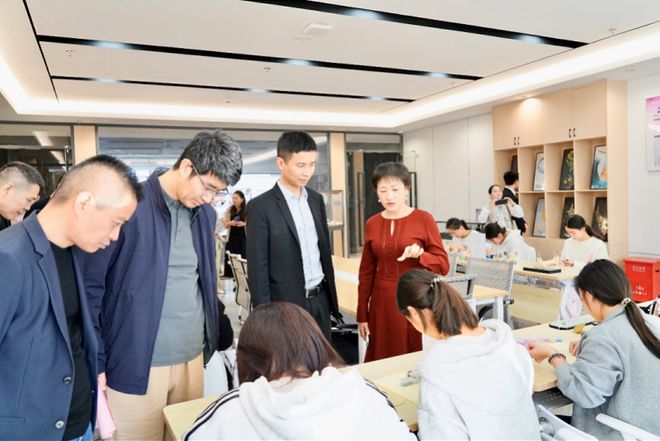
南都讯 记者 颜鹏 通讯员 林杰 11月13日,大湾区珠宝产教融合实践中心启动仪式在中冠大厦举行。据 介绍,大湾区珠宝产教融合实践中心集人才培养、社会培训、技术服务三大功能于一体,是大湾区珠宝 行业与教育界深度融合迈出的关键一步。 当天,深圳市中凯领航实业有限公司、深圳市游米文化传媒有限公司、深圳市白海数智科技有限公司、 深圳市米邦珠宝有限公司、深圳市缪缪珠宝科技有限责任公司分别与深圳城市职业学院珠宝学院院长签 订技术服务项目合作协议。这次集中签约的技术服务项目包括"珠宝加工智能制造夹具与物联网开 发""玉雕AI设计模型开发""珠宝新媒体营销资源创作""珠宝3D建模"等。 嘉宾参观大湾区珠宝产教融合实践中心。 深圳城市职业学院珠宝学院院长王惊涛介绍,"大湾区珠宝产教融合实践中心"有深圳城市职业学院和中 冠大厦两个分设机构,设有非遗珐琅工艺体验、首饰数智加工、珠宝数字营销、首饰高端订制等六大产 教融合实践项目及社会培训项目。今年初,位于校内的"大湾区珠宝产教融合实践中心"已经揭牌。中冠 大厦"大湾区珠宝产教融合实践中心"的揭牌,让深圳城市职业学院和罗湖区政府、珠宝产业的合作更加 紧密,是该校深化产教融合、服务区 ...