AI大模型

Search documents
超500亿,清华系智谱敲钟,"大模型第一股" 诞生
创业邦· 2026-01-08 04:34
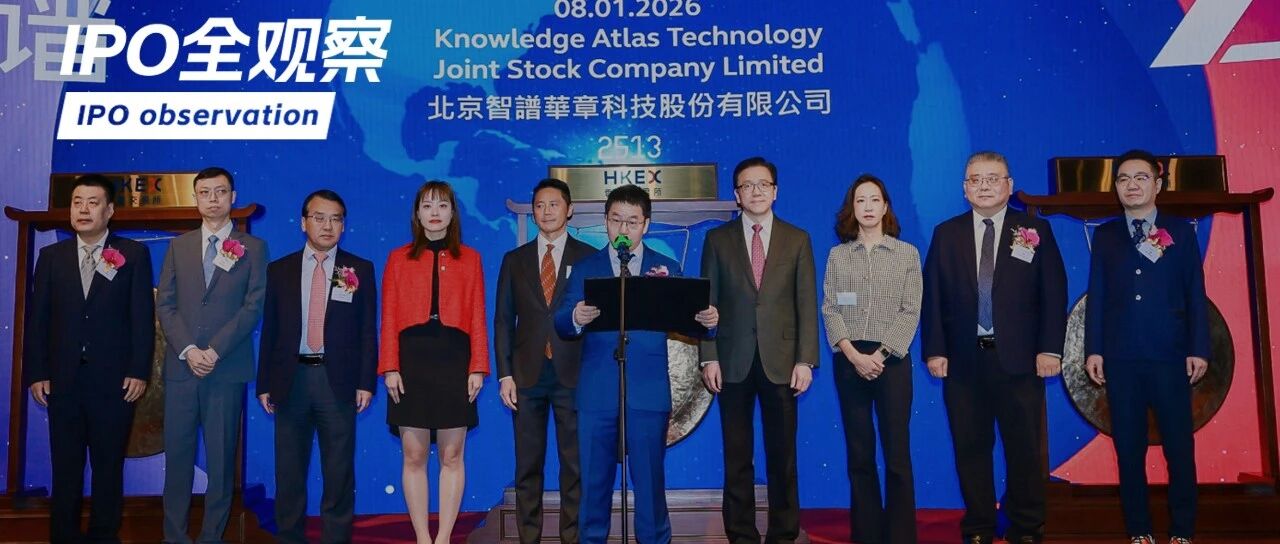
「IPO全观察」 栏目聚焦首次公开募股公司,报道企业家创业经历与成功故事,剖析公司商业模式和 经营业绩,并揭秘VC、CVC等各方资本力量对公司的投资加持。 创立之初,公司便汇聚了唐杰、李涓子、许斌等一批清华系的顶尖科学家,以及担任CEO的张鹏等具 有深厚技术背景与产业视野的成员,形成了"前沿研究"与"商业落地"并重的鲜明特质。 随着GhatGPT在2022年末问世,AI大模型从以往"难落地",变成了"极具应用价值",成为"资本追 逐的香饽饽"。 凭借着清华大学的技术底蕴,以及热门赛道的融资时间窗口,智谱成为了国内AI大模型的头部公司。 最新一轮B6轮融资后,其投后估值达到约244亿元。 根据招股书,智谱的主要外部股东是君联资本(为智谱最大外部股东)、美团战投、 星连资本、蚂蚁 集团、 启明创投、 光合资本等,分别持有发行后的6.16%、3.91%、 3.77%、3.66%、3.57%、 2.27%、 0.87%。 按 最新市值 计算,君联资本合计投资约 6.4亿元,股权价值 3 0 亿元,回报倍数 4 . 8 倍;美团战 投合计投资超 3亿元,股权价值 近 2 0 亿 元 ,回报倍数 6 .5 倍;星连资本合 ...

智谱港交所上市首日市值破528亿,唐杰要求聚焦基础模型研究
Sou Hu Cai Jing· 2026-01-08 04:08
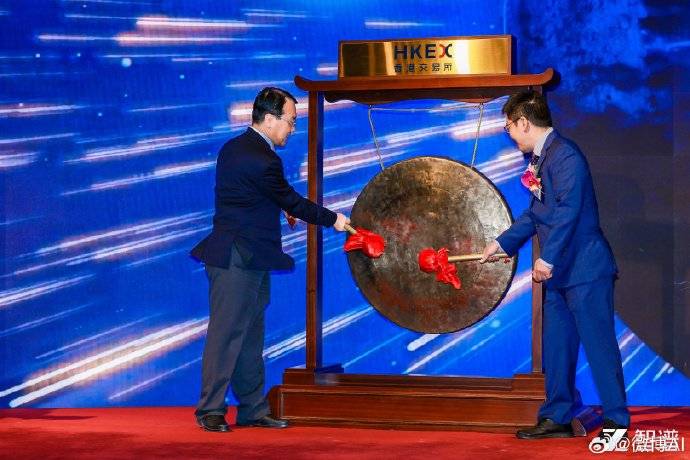
内部信还介绍了智谱今年将聚焦的三个技术方向:全新的模型架构设计,更通用的 RL(强化学习)范 式以及对模型持续学习与自主进化的探索,这三个方向均围绕基础模型能力提升展开。#AI大模型上市 第一股# #智谱唐杰要求公司回归基础模型研究#【智谱港交所敲钟上市,首席科学家唐杰要求公司全面回归基础 模型研究】1 月 8 日消息,今天上午,"全球大模型第一股"智谱在港交所主板挂牌上市,发行价为每股 116.20 港元(IT之家注:现汇率约合 104.5 元人民币),开盘报 120 港元 / 股,市值突破 528 亿港元。 据"晚点 LatePost"获取的清华大学计算机系教授、智谱创立发起人兼首席科学家唐杰内部信,智谱很快 将推出新一代模型 GLM-5。 唐杰在信中提到,今天是"智谱生命中激动人心的一天"。智谱 2025 年如期完成了年初定下的战略,即 4 月发一个"稳住阵脚"的模型、年中发一个"上牌桌"的模型(成为 one of the best)、年底发一个 Top 1 的模型。 来源:IT之家 ...
【IPO追踪】AI大模型企业来了!智谱首日迎上涨
Sou Hu Cai Jing· 2026-01-08 03:17
Group 1 - The core viewpoint of the news is the performance and market position of the AI company Zhipu (02513.HK) during its IPO, highlighting its significant subscription rate and initial stock price movement [2][3] - Zhipu's shares opened over 3% higher and reached a peak increase of 7.31%, with the current stock price at 124.7 HKD, indicating a relatively subdued debut compared to other tech IPOs [2] - During the public offering phase, Zhipu received a subscription rate of 1159.46 times, with 748,390 shares allocated to the public, representing about 20% of the total shares offered [2] Group 2 - The IPO price for Zhipu was set at 116.20 HKD per share, and based on the latest stock price, investors could earn 850 HKD per lot (100 shares) before fees [3] - Zhipu is recognized as a leading AI company in China, focusing on the development of general large models, and has launched the GLM framework and a model-as-a-service (MaaS) platform [3] - As of June 30, 2025, Zhipu's models are expected to support over 8,000 institutional clients and approximately 80 million devices, indicating a strong market presence [3] - According to Frost & Sullivan, Zhipu ranks first among independent general large model developers in China and second overall, with a market share of 6.6% based on projected 2024 revenue [3] - Zhipu's revenue growth from 2022 to the first half of 2025 shows significant increases, with revenues of 57.41 million, 125 million, 312 million, and 191 million RMB respectively, although the company has also reported substantial adjusted losses during the same period [3]

切勿给AI工具投喂敏感数据 国家安全部披露案例
Yang Shi Wang· 2026-01-07 23:23
案例显示,某单位工作人员在处理内部文件时,违规使用开源AI工具,由于电脑系统默认开启公网访问且未设密码,导致敏感资料被境外IP非 法访问和下载。 何为"开源大模型"?有哪些安全隐患? 刚才提到的开源框架大模型指的是什么?存在哪些安全隐患?我们来听专家的解读。 专家表示,网民在使用AI工具时,往往忽略了一个问题,就是AI工具有储存数据的功能。网民投喂给AI的任何文件、图片等数据,AI都会进 行存储。 网民将敏感数据投喂给AI工具后,这些被AI存储的数据是如何泄露的呢?首先这些数据对AI工具的开发者是完全开放的,开发者可以利用权 限看到这些数据。另外,目前AI工具很多都是开源的,黑客也会利用大模型本身漏洞攻击入侵大模型后台,获得数据。 央视网消息:当前,AI大模型赋能千行百业,这位能干又贴心的"数字伙伴"正加速融入我们的日常生活。当AI的触角延伸越广、嵌入越深,一 些风险也随之而来。来看国家安全部近日披露的案例。 保护数据安全 切勿给AI工具投喂敏感数据 国家安全部近日披露案例,个别单位因直接使用开源框架建立联网大模型,导致攻击者未经授权即可自由访问内部网络,从而引发数据泄露和 安全风险。 AI工具具有数据存储功 ...
智谱华章(2513)香港公开发售认购1159.46倍 基石认购占比68.63% 拟于2026年...
Xin Lang Cai Jing· 2026-01-07 15:30
香港公开发售方面,有效申请数目达204,871份,获接纳申请50,907份,认购倍数高达1,159.46倍,触发 回拨机制。经重新分配后,香港公开发售股份数目由初步的1,871,000股调整为7,483,900股,占全球发售 股份总数的20%;国际发售股份数目相应调整为29,935,600股,占比80%。国际发售方面,承配人数量 为221名,认购倍数为15.28倍。 基石投资者方面,本次共有11名基石投资者参与认购,合计获配25,681,600股H股,占全球发售股份总 数(假设超额配售权未行使)的68.63%。其中,JSC International Investment Fund SPC(为及代表Qizhi SP行事)获配11,985,900股,占比32.03%;WT Asset Management获配3,006,500股,占比8.03%;泰康人 寿获配2,008,800股,占比5.37%;广发基金获配2,812,300股,占比7.52%。其他基石投资者还包括 Perseverance Asset Management、上海高毅及CICC Financial Trading Limited(就高毅场外掉期 ...
中兴通讯:强化智算产品的研发及产业生态合作
Mei Ri Jing Ji Xin Wen· 2026-01-07 14:39
Core Insights - The company focuses on breakthroughs in core technologies related to connectivity (CT technology) and computing power (IT technology) [1] - Emphasis is placed on core products such as 5G, optical networks, computing power, and terminals, along with a strategic patent layout to enhance core competitiveness [1] R&D and Product Development - In the computing power sector, the company is strengthening the development of intelligent computing products and industry ecosystem collaborations, particularly in response to new opportunities presented by AI large models [1] - The company is developing a full-stack computing infrastructure that includes self-developed chips, intelligent computing servers, data center switches, and large-scale clusters, as well as integrated intelligent computing machines [1] Software Solutions - The company is also focusing on software solutions such as resource management platforms, training and推 platforms, Nebula large models, and intelligent factories, aiming to create an open and inclusive intelligent computing foundation [1] - The goal is to provide end-to-end, full-stack, and all-scenario intelligent computing solutions to meet diverse AI application needs [1]

移动联通重押雷鸟创新背后:智能眼镜发出“独立宣言”,欲告别“手机附属品”标签
Hua Xia Shi Bao· 2026-01-07 14:17
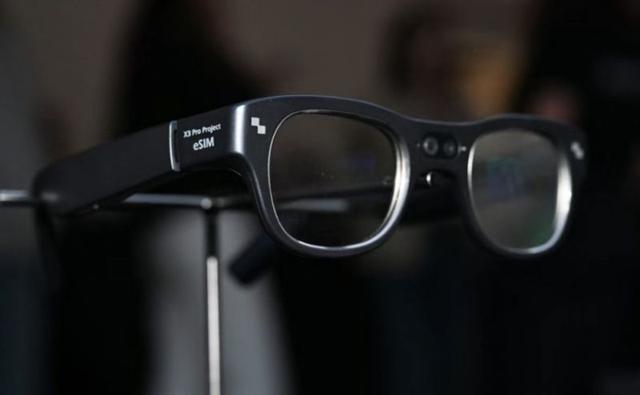
Core Viewpoint - The investment by Chinese telecom operators in Thunderbird Innovation marks a strategic move to position themselves in the next generation of personal communication terminals, particularly in the AR smart glasses market, which is expected to reach a significant milestone akin to the "iPhone moment" in the coming years [2][3][4]. Group 1: Investment and Financing - Thunderbird Innovation has completed a new financing round exceeding 1 billion yuan, led by China Mobile's Chain Long Fund and CITIC Jinshi, with participation from China Unicom's Lianchuang Innovation Fund [3]. - Since its establishment in 2021, Thunderbird Innovation has attracted significant capital, with its previous financing round occurring just two months prior, setting a record for the largest single financing amount in the domestic AI+AR glasses sector for 2025 [3]. - The strategic investment from China Mobile and China Unicom signifies the formal entry of AR terminals into the strategic vision of national communication infrastructure [3]. Group 2: Market Position and Growth - According to Counterpoint Research, Thunderbird Innovation held a 24% global market share in AR glasses by Q3 2025, achieving the highest shipment volume globally for two consecutive quarters [4]. - The company has established a strong presence in international retail channels, with its products available in over 25 countries and regions, and a cumulative user base exceeding 500,000, with overseas sales increasing by 3.8 times year-on-year [4]. Group 3: Strategic Collaboration - The partnership with telecom operators will facilitate comprehensive collaboration in market channel development, business model innovation, and core technology ecosystems, leveraging the operators' extensive offline service networks and user bases [5]. - The introduction of the first AR smart glasses with eSIM technology, "Thunderbird X3 Pro Project eSIM," exemplifies the collaborative efforts between Thunderbird Innovation and telecom operators, enabling independent communication capabilities [5][6]. Group 4: Future Outlook - The integration of eSIM technology is expected to transform AR smart glasses into a complete personal computing center, capable of independent communication, computation, display, and interaction [6]. - The operators' involvement is anticipated to catalyze the growth of AR glasses sales in China, potentially reaching millions in volume by 2026-2027, thus accelerating their adoption as mainstream consumer devices [7].


中兴通讯:公司强化智算产品的研发及产业生态合作
Zheng Quan Ri Bao Zhi Sheng· 2026-01-07 14:12
Core Viewpoint - ZTE Corporation is focusing on the opportunities brought by AI large models in the computing power sector, enhancing its research and development of intelligent computing products and industry ecosystem collaboration [1] Group 1: Product Development - The company is developing a full-stack computing infrastructure that includes self-developed chips, intelligent computing servers, data center switches, and large-scale clusters [1] - ZTE is also working on software solutions such as resource management platforms, training and推 platforms, Nebula large models, and intelligent factory systems to create an open and inclusive intelligent computing foundation [1] Group 2: Market Strategy - The company aims to provide end-to-end, full-stack, and all-scenario intelligent computing solutions to meet diverse AI application needs [1]
CES2026开幕 国际足联主席因凡蒂诺点赞海信世界杯定制产品
Zheng Quan Ri Bao Wang· 2026-01-07 13:47
Core Viewpoint - Hisense showcased its cutting-edge RGB-Mini LED technology and various World Cup-themed products at the 2026 International Consumer Electronics Show (CES), emphasizing its role as an official sponsor of the World Cup and enhancing brand visibility globally [1][4][5]. Group 1: Product Innovations - Hisense launched the new RGB-Mini LED TV UX, which replicates the details of the soccer field and jerseys with stunning picture quality, attracting significant attention [4]. - The World Cup-themed products include a refrigerator with an AI culinary assistant that intelligently recognizes ingredients and optimizes storage, and an air conditioner that adjusts airflow based on human movement for a comfortable viewing experience [4]. Group 2: Sponsorship and Brand Development - Hisense has a long-standing relationship with the World Cup, having been the first Chinese consumer electronics brand to sponsor the event in 2018, which has significantly boosted its global brand recognition [5]. - The partnership with FIFA is based on shared values and aims to expand collaboration in technology innovation and market development, with the upcoming 2026 World Cup expected to accelerate the adoption of RGB-Mini LED technology [5].


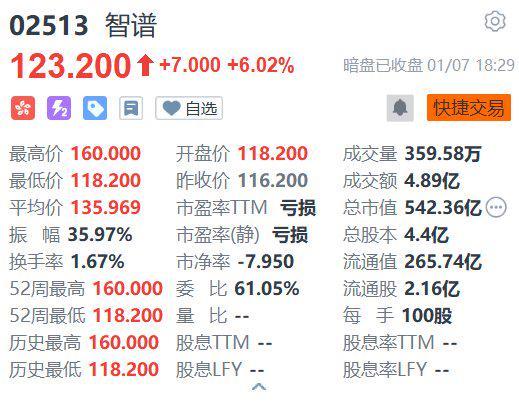
新股暗盘|“AI六小虎”之一的智谱暗盘收涨6.02% 精锋医疗涨近40% 天数智芯涨超37%
Ge Long Hui· 2026-01-07 12:37
Group 1: Company Highlights - Three new stocks are set to be listed in Hong Kong on January 8, with all showing gains in the dark trading session prior to listing [1][2][3] - AI model developer Zhihui (2513.HK) closed at HKD 123.2, up 6.02% from the IPO price of HKD 116.2, indicating a profit of HKD 700 per lot of 100 shares [1] - Zhihui ranks first among independent general model developers in China and second among all general model developers, with a market share of 6.6% according to Frost & Sullivan [1] - Surgical robot company Jingfeng Medical-B (2675.HK) closed at HKD 60.15, a 39.11% increase from the IPO price of HKD 43.24, yielding a profit of HKD 1,691 per lot [2] - Jingfeng Medical focuses on designing, developing, and manufacturing surgical robots, with products in various stages of research and development [2] - General GPU chip and AI computing solution provider Tianshu Zhixin (9903.HK) closed at HKD 198.2, up 37.07% from the IPO price of HKD 144.6, resulting in a profit of HKD 5,360 per lot [2] - Tianshu Zhixin offers a range of general GPU products and AI computing solutions, targeting various industries including cloud computing and AI model development [2] Group 2: Market Performance - Zhihui's trading volume reached 3.5958 million shares, with a total market capitalization of HKD 54.236 billion [1] - Jingfeng Medical's trading volume was 1.7203 million shares, with a total market capitalization of HKD 23.321 billion [3] - Tianshu Zhixin's trading volume was 0.9513 million shares, with a total market capitalization of HKD 50.406 billion [3]