
知识产权保护

Search documents
宿迁联盛子公司获“长效阻燃防老化助剂”发明专利
Xin Lang Cai Jing· 2025-09-30 08:20
Core Viewpoint - Suqian Liansheng Technology Co., Ltd. announced that its wholly-owned subsidiary, Suqian Lianhong New Materials Co., Ltd., has recently obtained a patent for a long-lasting flame-retardant and anti-aging additive, which will enhance the company's intellectual property protection and core competitiveness [1] Group 1 - The patent is titled "A Long-Lasting Flame-Retardant and Anti-Aging Additive and Its Preparation Method and Application" [1] - The patent number is ZL202411559972.4, with an application date of November 4, 2024, and an authorization announcement date of September 30, 2025 [1] - The patent has a validity period of 20 years from the application date [1] Group 2 - The acquisition of this patent is not expected to have a significant short-term impact on the company's production and operations [1] - The patent will help to improve the company's intellectual property protection system and leverage its independent intellectual property advantages [1] - This development is aimed at forming a continuous innovation mechanism to enhance the company's core competitiveness [1]

蓝海华腾:获“绝缘检测电路”发明专利,助力技术创新
Xin Lang Cai Jing· 2025-09-30 07:56
Core Points - Shenzhen Blue Ocean Huateng Technology Co., Ltd. has received an invention patent certificate from the National Intellectual Property Administration, with the patent titled "Insulation Detection Circuit, System and Vehicle" [1] - The patent number is ZL202011551695.4, and the application date was December 24, 2020 [1] - This invention is applicable in the field of safety detection for electric vehicles, featuring a simple structure and operation for the insulation detection circuit [1] - Although the acquisition of this patent will not have a significant impact on the company's recent production and operations, it is beneficial for enhancing the intellectual property protection system [1] - The patent helps to consolidate the company's leading position in independent technology, driving innovation and technological iteration, thereby improving the company's core competitiveness [1]

聊城市严厉打击知识产权侵权假冒行为
Qi Lu Wan Bao Wang· 2025-09-30 06:53
Core Viewpoint - The importance of intellectual property (IP) protection is increasingly emphasized as technology and industrial design continue to innovate, with various types of IP protection available for different aspects of innovation [1][2][3] Group 1: Intellectual Property Protection Types - Companies can apply for patent protection for product concepts, new technology solutions, optimization of existing technologies, ID design presentations, and product functionalities [1] - Trademark registration can be pursued for product models and names after design [1] - Special rights for integrated circuit layout designs and software copyright can be utilized during hardware and software development [1] - Copyright registration can protect packaging and decorative designs of enterprises [1] - Trade secrets can safeguard unique technical methods, processes, material compositions, and formulas that are not suitable for patent application [1] Group 2: Strengthening Enforcement and Collaboration - The market supervision department enhances collaboration with courts to ensure the enforcement of IP administrative mediation agreements through judicial confirmation cases [2] - A practice point for government-court collaboration has been established in the Chipping District People's Court to effectively resolve IP disputes [2] - Over 140 cases of patent and trademark infringement have been investigated, with severe violations leading to public disclosure of typical administrative protection cases [2] Group 3: Optimizing Protection Guidance - A special action for IP protection of foreign-funded enterprises has been initiated, establishing a system of IP specialists to provide targeted services to various companies [3] - The establishment of a national overseas IP dispute response guidance center in Liaocheng aims to assist over 40 companies with overseas IP layout, warning information release, and rights protection [3]
干字当头 奋力一跳(前沿观察·挑大梁 看担当)
Ren Min Ri Bao· 2025-09-29 22:30
Core Insights - Shanghai's economic performance shows resilience with a GDP growth of 5.1% and fixed asset investment growth of 6.2% in the first half of the year [7] - The launch of the new logistics park by Prologis in Shanghai reflects a significant investment in the logistics sector, with a 90% occupancy rate during trial operations [6] - The establishment of Tesla's super energy storage factory in the Lingang New Area demonstrates rapid project execution, completing construction in just 9 months [8][10] Economic Development - Shanghai's government emphasizes the importance of stabilizing employment, businesses, and market expectations to foster economic growth [7] - The city has implemented a "project service package" mechanism to streamline project approvals and enhance collaboration between government and enterprises [8] Infrastructure and Investment - Prologis Shanghai New Northwest Logistics Park has increased land utilization efficiency by adding approximately 98,000 square meters of building area without expanding land use [6] - The Shanghai Lego Resort, completed in 18 months, showcases the city's supportive business environment, contributing to high occupancy rates in nearby hotels [10][11] Innovation and Intellectual Property - The case of Anpu Experimental Technology highlights the critical role of intellectual property protection in fostering innovation, with the company successfully halting an infringement case [14][15] - Shanghai's government is actively enhancing intellectual property services and protection mechanisms to support innovative enterprises [16]



杭州市知识产权保护中心首展亮相数贸会 数智赋能企业知产保护
Mei Ri Shang Bao· 2025-09-29 22:17
Core Insights - The article discusses the establishment of a comprehensive intellectual property service ecosystem by the Hangzhou Intellectual Property Protection Center, highlighted during the recent Digital Trade Fair [6][9]. - The introduction of the "Overseas Version of Hangzhi AI," an AI-powered intellectual property assistant, aims to provide extensive support for enterprises navigating international intellectual property challenges [8][9]. Group 1: Intellectual Property Services - The Hangzhou Intellectual Property Protection Center launched a one-stop public service consultation at the Digital Trade Fair, offering services such as rapid patent examination, mediation of patent infringement disputes, and overseas rights protection assistance [6][7]. - The center has been instrumental in supporting technology companies, providing professional advice that has resolved issues related to overseas patent and trademark strategies [7][9]. - The "Overseas Version of Hangzhi AI" integrates information from 189 countries and regions, offering services in patent, trademark, copyright, and international intellectual property layout [8]. Group 2: Innovation and Support for Enterprises - The center's services have significantly aided companies in their innovation processes, with representatives from various firms expressing gratitude for the support in patent pre-examination and rights confirmation [7][9]. - The establishment of the "Six-in-One" integrated service hall aims to provide tailored services for enterprises, enhancing the efficiency of intellectual property transactions [9]. - The center has addressed over 1,200 inquiries with an average response time of under 10 minutes, showcasing its commitment to rapid and effective service delivery [10]. Group 3: Community Engagement and Education - The center's "Red Special Fast" brand, driven by party-building efforts, has enhanced service delivery at the fair, providing immediate solutions to pressing intellectual property issues faced by exhibitors [10][11]. - The initiative includes outreach efforts to educate small and medium enterprises about intellectual property risks, helping them build awareness and preventive measures [11]. - The center plans to continue leveraging its party-building initiatives to strengthen its service offerings and support the development of global digital trade [11].

从“保护”到“引领”,济南打造知识产权强市新标杆
Qi Lu Wan Bao Wang· 2025-09-29 04:24
Core Viewpoint - Jinan City has made significant progress in implementing a strong intellectual property (IP) strategy, establishing itself as a key player in IP protection and development in China [3][4]. Group 1: Achievements in Intellectual Property - Jinan has been recognized as a key city for the national IP operation service system and a model city for national IP strength [3]. - The city has established a collaborative IP protection core area through the signing of the "Jinan Urban Circle IP Protection Cooperation Agreement" [3]. - Jinan has set up overseas IP service stations in seven countries and has been approved as a national center for overseas IP dispute response [3]. - The average authorization cycle for patents has been reduced by 90% due to the establishment of a fast-track patent pre-examination "green channel" [3]. - The number of effective invention patents per ten thousand people in Jinan reached 81.9, marking a year-on-year increase of 17.5% [3]. Group 2: Future Directions and Responsibilities - The meeting emphasized the need for all levels of government to enhance their sense of responsibility and mission regarding IP work [4]. - There is a focus on improving the quality of patent applications and establishing a high-value patent cultivation and transformation system [4]. - The city aims to promote efficient utilization of IP and deepen financial innovation related to IP [4]. - Strengthening high-standard IP protection and establishing an efficient foreign-related IP protection mechanism are key priorities [4]. - The development of a high-quality IP service system and optimization of the IP service ecosystem are essential for future growth [4].
助力企业专利质量提升,济南市场监管聚焦“强企伙伴”服务
Qi Lu Wan Bao Wang· 2025-09-29 04:24
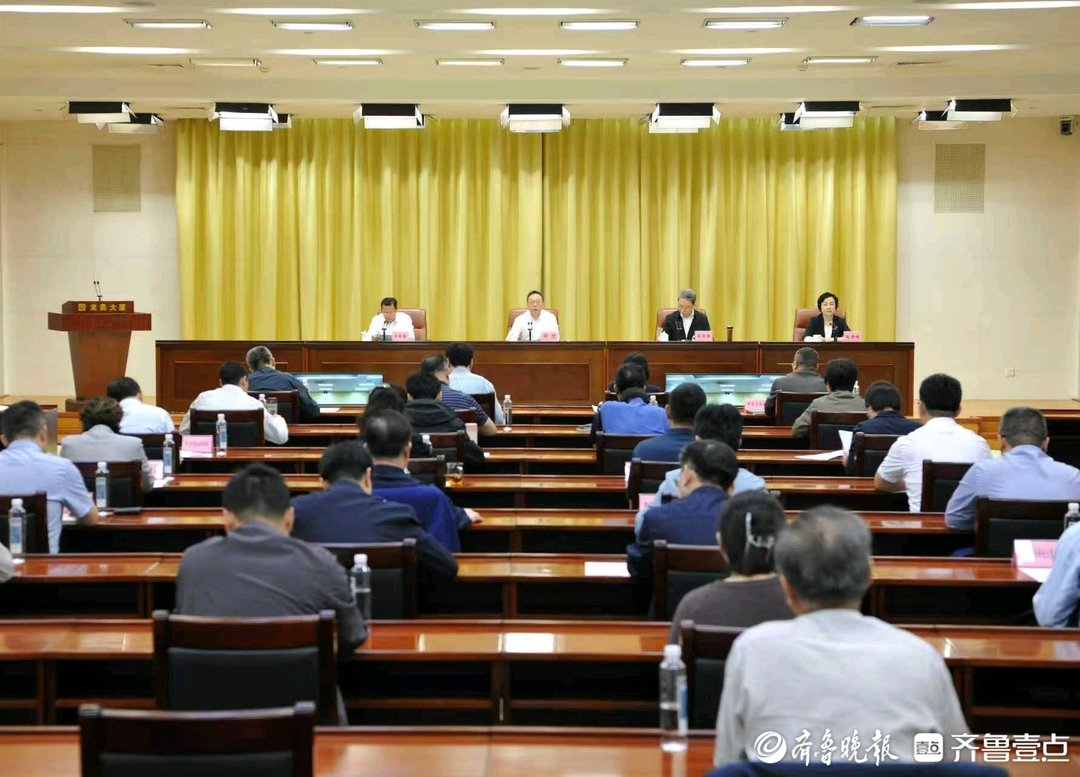
Core Insights - The article discusses a training session organized by the Jinan Market Supervision Administration aimed at enhancing patent quality for innovative enterprises in the region [1] Group 1: Event Overview - The training session titled "Precision Service Training for Enhancing Patent Quality" was held to address the intellectual property development needs of high-quality innovative entities [1] - Approximately 70 innovative enterprises participated in the training, which included expert guidance from the National Intellectual Property Administration and the Shandong Provincial Intellectual Property Development Center [1] Group 2: Expert Contributions - Experts from the National Intellectual Property Administration provided in-depth analysis on common issues in invention patent application documents and strategies to address them [1] - There was an interactive session where enterprise representatives discussed specific professional challenges with the experts [1] Group 3: Future Actions - The Jinan Market Supervision Administration plans to continue implementing precision service actions through various methods such as "patent clinics" and categorized guidance [1] - The administration aims to gather feedback from enterprises regarding their intellectual property needs and issues to provide customized solutions [1] - The goal is to enhance the effectiveness of precision services and support the continuous improvement of industrial innovation capabilities in Jinan [1]
合规驱动、平台赋能,行业各方共议“出海新质力”
Sou Hu Cai Jing· 2025-09-29 02:19
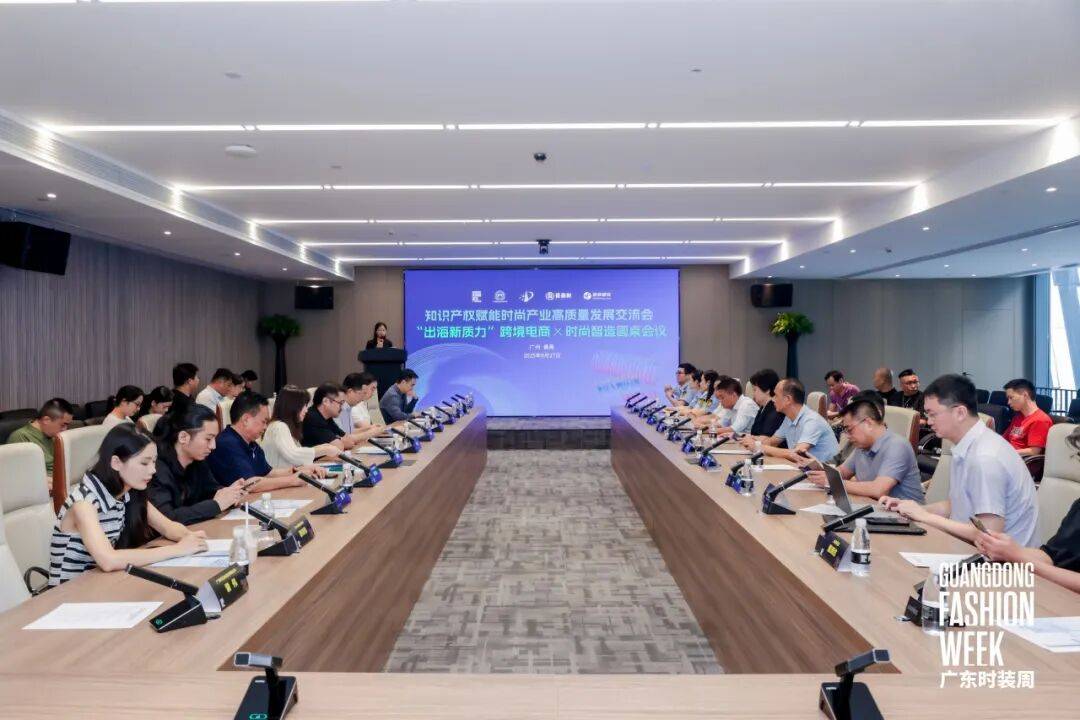
Core Viewpoint - The "New Quality Power Going Abroad" roundtable meeting focused on the dual transformation of cross-border e-commerce towards "compliance" and "intelligent supply chain" in the context of tightening global customs policies [1][5][15] Group 1: Key Changes in Cross-Border E-Commerce - The meeting highlighted three significant changes: the end of the U.S. De Minimis policy, the full implementation of the EU ICS2, and the strengthening of regulations in Southeast Asian social e-commerce [3] - The transition from "low threshold" to "high compliance" necessitates a restructuring of cost structures and delivery systems for enterprises [5] Group 2: Industry Insights and Trends - The founder of Fashion Planet shared insights on the trend of going abroad, emphasizing the importance of breaking down information barriers to empower more Chinese clothing brands [5] - SHEIN's "Unique Gravity" program aims to support OBM merchants in achieving scale growth through five key elements: mindset transformation, operational efficiency, supply assurance, brand planning, and long-term value [6] Group 3: Intellectual Property and Compliance - A special session on "Intellectual Property Protection in Cross-Border E-Commerce" discussed the increasing number of patent lawsuits and the need for companies to focus on intellectual property layout during their international expansion [10] Group 4: Regional Development and Strategic Value - The Panyu Industrial Economic Headquarters Park is positioned as a key player in the high-quality development of the fashion industry, providing quality space and supporting regional industrial transformation [12][14] - The park's operational manager emphasized the importance of resource integration and service empowerment in driving the healthy cycle of the industrial ecosystem [14]
三个视角厘清“人机共创”(纵横)
Ren Min Ri Bao· 2025-09-28 22:28
Core Viewpoint - The article discusses the legal implications of AI-generated content, emphasizing that under current Chinese law, AI is not recognized as a creator and thus cannot bear legal responsibility for infringement. All consequences of AI creations fall on human creators [1][2]. Group 1: Legal Framework - The first truth revealed by the courts is that AI has never been granted "creator" status within the existing legal framework in China, meaning it is merely an extension of human tools. Therefore, AI lacks "autonomous responsibility," and humans must bear the consequences of AI-generated content [1]. - The courts have established clear boundaries: if AI is used to commit fraud, it is treated as "human fraud"; if AI is used for innovation, it is protected as "human innovation." The core standard for this distinction is whether there is "original expression" by a human [1]. Group 2: Human-AI Collaboration - The second truth is that while AI can create a framework for creativity, it cannot fill it with the essence of thought. A designer's experience illustrates that AI struggles to capture nuanced cultural concepts, such as the balance of softness and strength in traditional Chinese furniture design [2]. - The third truth highlights that AI-generated content relies on human-created "ingredients," which are rooted in human original rights. This emphasizes the need for AI training to be more regulated to protect original creators [2]. Group 3: Technological Solutions - To protect original works, companies are exploring technological solutions such as digital watermarking to embed invisible markers in original content and blockchain technology to document creation details, which can help clarify the source of content even when used for AI training [2]. - The concept of "human-AI co-creation" is framed not as a struggle for dominance but as a means for humans to expand creative boundaries with AI assistance. Embracing AI's benefits while ensuring legal, institutional, and technological protections for original content is essential for sustainable development in the creative industry [2].
【环球财经】世界知识产权组织专家:中国的创新进步长期稳定、基础广泛
Xin Hua Cai Jing· 2025-09-28 00:26
卡斯滕表示,中国的创新领域实际上非常广泛,全球创新指数并不只关注某个特定的技术或创新领域, 它真正考察的是整个经济体的创新表现。"很难说中国哪个领域的创新进步最大。实际上,我认为进步 的基础是广泛的。中国长期以来在数字通信领域具有优势,但我们也看到了可再生能源领域的巨大创 新,很多能源技术来自中国。近年来中国在电池、电动汽车领域也涌现了很多创新,生物科学领域也有 突破。" 谈到中国在知识产权保护方面的进步和承诺,卡斯滕表示,这其实反映出中国整个创新生态系统的发 展。"我认为知识产权非常重要。从某种意义上说,它是确保创新者获得投资回报的工具,它的存在是 为了激励创新。你可以看到中国公司正在不同的创新领域申请越来越多的专利,这反映在我们的数据 中。" 《2025年全球创新指数报告》还显示,中国的创新集群数量排名全球第一,共拥有24个全球百强创新集 群,其中深圳—香港—广州集群排名首次跃居全球之首,北京(第4位)、上海—苏州(第6位)集群位 居前十,是全球专利申请、科技创新及创业投资的热点区域。 谈到对中国创新集群、中国城市创新表现的印象,卡斯滕说,他去过至少十个中国城市,其中包括北 京、上海、深圳这样的大城市," ...