
粮食安全

Search documents
端牢中国饭碗 共护大国粮仓——写在第45个世界粮食日到来之际
Xin Hua She· 2025-10-15 14:56
Core Points - The 45th World Food Day emphasizes the importance of global food security amid complex international challenges, with China committing to safeguarding its food security as a national priority [2][21] - The theme for this year's World Food Day is "Hand in Hand Advocating for Diverse Foods, Uniting Forces to Create a Better Future," reflecting a collective effort to address the global food crisis [2] Group 1: Food Security Initiatives - China has implemented a national food security strategy, focusing on a comprehensive approach to protect its food supply chain [2][11] - The government has allocated 484 million yuan for agricultural disaster relief to support farmers affected by adverse weather conditions [7][25] - The establishment of service centers, such as the one in Dezhou, Shandong, provides essential services like grain drying and purchasing, enhancing local farmers' efficiency [4][6] Group 2: Agricultural Production and Technology - The current autumn harvest is crucial for achieving annual grain production targets, with favorable conditions reported for this year's crops [6][11] - Technological advancements in agriculture, such as the use of AI and IoT, are being integrated into grain production and storage processes, improving efficiency and reducing losses [15][20] - The mechanization rate in agriculture has surpassed 75%, with over 200 million agricultural machines in operation, significantly enhancing productivity [17][20] Group 3: Food Waste Reduction Efforts - The government has launched initiatives to reduce food waste across the entire supply chain, including the implementation of standards for grain processing and transportation [23][25] - The food processing loss rate has been reduced to 0.8%, demonstrating effective measures taken to minimize waste [25] - Public awareness campaigns, such as the "Clean Plate Campaign," are promoting food conservation practices among consumers, leading to a cultural shift towards reducing waste in dining [26][28]

中华全国供销合作总社下发紧急通知
第一财经· 2025-10-15 14:27
Core Viewpoint - The article emphasizes the importance of ensuring autumn grain harvest and winter sowing supplies in light of adverse weather conditions affecting agricultural production in the Huang-Huai-Hai region, which is crucial for national food security [2][3]. Group 1: Impact of Weather on Agriculture - Continuous rainy weather since September has significantly affected the "Three Autumns" agricultural production, leading to slower harvest progress and declining grain quality [2][3]. - The Huang-Huai-Hai region accounts for over one-third of the national grain production, making its performance critical for overall food security [2]. Group 2: Measures for Harvest and Sowing - Supply cooperatives are urged to enhance organization and mobilize resources to assist farmers in timely harvesting and drying of autumn grains [3]. - The use of suitable machinery and emergency service teams is recommended to optimize harvesting during favorable weather windows [3]. Group 3: Supply of Agricultural Inputs - Cooperatives must ensure adequate supply of agricultural inputs for winter sowing, including quality seeds and fertilizers, while managing market stability [4][5]. - Emphasis is placed on the need for effective pest and disease management strategies to protect crops during the sowing period [4]. Group 4: Fertilizer Storage and Supply - The article highlights the importance of winter fertilizer storage for spring planting, with cooperatives required to adhere to government storage management protocols [6]. - Continuous monitoring of market conditions and proactive engagement with local authorities are essential for ensuring a stable supply of fertilizers [6].
中华全国供销合作总社紧急通知
中国基金报· 2025-10-15 14:13
Core Viewpoint - The article emphasizes the importance of ensuring autumn grain harvest and winter sowing supply in response to adverse weather conditions affecting agricultural production in the Huang-Huai-Hai region, which is crucial for national food security [2][3]. Group 1: Importance of Autumn Grain Production - Autumn grain production is critical, accounting for a significant portion of the annual grain output, with a target of approximately 1.4 trillion jin (about 700 million tons) for the year [2]. - The Huang-Huai-Hai region contributes over one-third of the national grain output, making its production status vital for both autumn harvest quality and next year's summer grain yield [2]. Group 2: Measures for Harvesting and Sowing - Supply cooperatives are urged to enhance organization and mobilize resources to assist farmers in timely harvesting and drying of autumn grain, ensuring maximum collection [3]. - The use of suitable machinery, such as tracked harvesters, is recommended to adapt to wet field conditions, along with the establishment of emergency harvesting teams [3]. Group 3: Agricultural Supply Chain Management - Supply cooperatives must analyze local agricultural production conditions to ensure adequate supply of quality agricultural inputs for autumn and winter sowing [4]. - Strategies include increasing seedling planting rates and applying fertilizers effectively to mitigate the impact of adverse weather on crop health [5]. Group 4: Fertilizer Storage and Supply - The article highlights the necessity of winter fertilizer storage to support spring farming, with cooperatives required to adhere to government storage management protocols [6]. - Continuous monitoring of market conditions and proactive engagement with local authorities are essential to ensure stable fertilizer supply and pricing [6].

河南为“大粮仓”立法护航 涵盖粮食安全全系统
Zhong Guo Xin Wen Wang· 2025-10-15 13:56
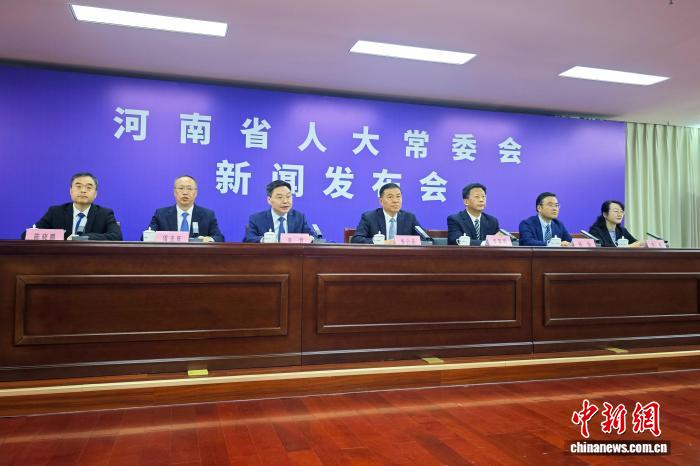
其中,粮食储备是粮食安全的"压舱石",《条例》明确了政府储备的组成和用途,鼓励创新储备粮轮换 机制,探索改进储备粮管理模式。 "《条例》专设'粮食调控''粮食应急'章节。"河南省人大法制委副主任委员李哲在发布会上介绍称,"粮 食调控"章节规定,县级以上人民政府有关部门建立粮食安全监测预警机制,明确为了调控粮食市场可 以采取的相关措施。(完) 来源:中国新闻网 河南为"大粮仓"立法护航 涵盖粮食安全全系统 中新网郑州10月15日电 (记者 李超庆)"悠悠万事,吃饭为大。粮食安全是'国之大者',事关国计民生、 经济发展、社会稳定。"15日,河南省人大常委会召开新闻发布会,通报了将于2025年12月1日起正式实 施的《河南省粮食安全保障条例》(以下简称《条例》)的制定过程和主要内容。 图为发布会现场。 记者 李超庆 摄 "十四五"以来,"中原粮仓"河南推动良田、良种、良法、良机、良制"五良"集成融合,新建、改造提升 高标准农田3167万亩,建设1500万亩小麦、2000万亩玉米高产示范区,粮食总产连续8年稳定在1300亿 斤以上。 "目前我省出台了省高标准粮田保护条例、储备粮管理办法等法规,但缺少一部涉及粮食安全全 ...
中华全国供销合作总社紧急通知
Xin Jing Bao· 2025-10-15 12:58
Core Viewpoint - The Central Cooperative Society emphasizes the importance of ensuring autumn grain harvest and winter sowing supplies in response to adverse weather conditions affecting agricultural production in the Huang-Huai-Hai region [1][2]. Group 1: Importance of Grain Production - Autumn grain production is crucial, accounting for a significant portion of the annual grain output, which is targeted to stabilize around 1.4 trillion jin [1]. - The Huang-Huai-Hai region contributes over one-third of the national grain output, making its production status vital for both autumn harvest and next year's summer grain yield [1]. Group 2: Measures for Harvest and Sowing - Cooperative societies are urged to enhance organization and mobilize resources to assist farmers in timely harvesting and drying of autumn grain [2]. - The use of suitable machinery, such as tracked harvesters, is recommended to adapt to wet field conditions, along with the establishment of emergency harvesting teams [2]. Group 3: Supply of Agricultural Inputs - Cooperative societies must ensure adequate supply of agricultural inputs for autumn and winter sowing, focusing on quality and availability [3]. - Strategies include increasing seedling planting volume and applying fertilizers effectively to mitigate the impact of adverse weather on crop health [3]. Group 4: Fertilizer Winter Storage - The winter storage of fertilizers is critical for the upcoming spring planting season, with cooperative societies tasked to adhere to government storage management protocols [4]. - Continuous market analysis and risk management strategies are necessary to ensure stable fertilizer supply and prevent shortages during critical planting periods [4][5]. Group 5: Political Awareness and Coordination - There is a call for enhanced political awareness and responsibility among cooperative societies to support grain production and supply stability [5]. - Collaboration with agricultural, meteorological, and local government departments is essential to monitor agricultural conditions and implement effective responses to challenges [5].
习近平总书记关切事|沃野“攀高”记
Xin Hua She· 2025-10-15 12:10
沃野"攀高"记 新华社记者刘菁、陈诺、水金辰 10月16日,第45个世界粮食日。 粮食安全是"国之大者"。习近平总书记念兹在兹,强调要牢牢把住粮食安全主动权,粮食生产年年要抓 紧。 连日来,新华社记者在安徽、黑龙江、湖南等产粮大省看到,"高素质"农民队伍活跃于田间地头,"高 科技"新把式赋能粮食增产,"高效能"新招妙招助力节粮减损……希望的田野正在一次次"攀高"中不断 夯实粮食安全的根基。 "高素质":专业种粮"强"起来 "稻子倒伏多,割台要放低些""这边地潮,小心陷车"……近期连阴雨天气来袭,趁着短暂放晴,安徽省 滁州市凤阳县小岗村的种粮大户程夕兵和他的女婿周地帅,一大早就开着收割机下地,抢收稻谷。 安徽小岗村,闻名全国的大包干发源地。2016年4月,习近平总书记来到这里考察,沿田埂步入麦田察 看小麦长势,向种粮大户和农业技术人员了解高产示范田种植管理要诀。在小岗村,习近平总书记主持 召开农村改革座谈会时强调,加快构建职业农民队伍,形成一支高素质农业生产经营者队伍。 走进程夕兵家的农机大院,烘干中心正在"吞吐"新收的稻谷,一旁高约3米的"电气化智慧育秧中心"玻 璃房吸引了记者目光。向里望去,形似立体停车场的 ...
安徽省宣城市宁国市西津街道城东社区新时代文明实践站开展“手拉手共倡多样美食,聚合力共创美好未来”宣传活动
Zhong Guo Shi Pin Wang· 2025-10-15 08:43
活动中,志愿者向同学们介绍了世界粮食日主题活动的意义以及粮食的重要性,倡议同学们自觉从现在 做起,从自身做起,节约每一粒粮食,抵制和反对浪费粮食的行为,养成勤俭节约的良好风尚。随后, 在志愿者的带领下,同学们共同朗诵唐代诗人李绅关于珍惜粮食的古诗词,并逐句分析诗词的大意,引 导小朋友认识到节约粮食对于粮食安全的重要意义,让珍惜粮食的理念深。 2025年10月16日是第45个世界粮食日,也是我国粮食安全宣传周。为了增强社区居民对粮食安全和食品 安全的认识,10月14日,宁国市西津街道城东社区开展"手拉手共倡多样美食,聚合力共创美好未来"宣 传活动。 线上线下"广"传播,安全意识全覆盖 社区高度重视宣传引导的先导作用,着力构建"线上广泛传播+线下精准动员"的双轨宣传矩阵。线上, 充分依托社区网格群、公众号等新媒体平台,持续推送粮食安全科普图文、反食品浪费倡议书及"光盘 行动"公益短视频等内容,有效扩大了宣传覆盖面。线下,组织社区工作人员、党员志愿者和青年团员 组成宣传小队,深入辖区餐饮店铺和主要人流聚集区,呼吁大家从一餐一饭做起、从家庭餐桌做起,自 觉做节约粮食的践行者和宣传者。 校园课堂"种"理念,粮食安全入童 ...
省农信联社:金融助力“抢”秋粮
Qi Lu Wan Bao· 2025-10-15 08:31
Core Viewpoint - Food security is a national priority, and the ongoing rainy weather has severely impacted the autumn harvest, particularly for corn, necessitating financial support for farmers to ensure timely harvesting and processing [1] Group 1: Financial Support Initiatives - Provincial agricultural banks are actively responding to the financial needs of the food security industry chain by innovating specialized financial products and increasing credit investments to support the purchase of harvesting machinery [1][4] - The introduction of the "Agricultural Machinery Interest Subsidy Loan" by Qi County Agricultural Bank has significantly reduced financing costs for farmers, allowing them to purchase essential harvesting equipment with government interest subsidies [2] - The total number of active corn harvesting machines in Qi County has reached 52, greatly enhancing the efficiency of the autumn harvest [2] Group 2: Infrastructure Development - Farmers are investing in modern equipment such as drying towers, which have a high throughput capacity, to mitigate the effects of adverse weather on grain quality [2] - Chen Shuxing, a major grain grower, has increased his drying tower capacity to three, achieving a daily processing capability of 600 tons, which is crucial for preventing spoilage due to continuous rain [3] - The financial support from local banks has enabled farmers to expand their infrastructure, ensuring a comprehensive grain processing operation from harvesting to storage [3] Group 3: Overall Strategy for Grain Security - The provincial agricultural financial institutions are expanding loan products like "Grain Scale Planting Loans" and "High-Standard Farmland Construction Loans" to meet the financing needs across all stages of grain production, processing, and sales [4]
微视频丨粮食安全这件头等大事 总书记始终牵挂
Xin Hua She· 2025-10-15 07:23
统筹:韩珅、王志斌 新华社音视频部制作 编导:陈晓宇、王心彤 记者:李爱斌、赵小帅、岳文婷、邹尚伯、姜亮、赵泳 摄制:杨清令 配音:王帅龙 包装:黄靖聪 党的十八大以后,习近平总书记一次次来到田间地头,察看粮食生产,倾听农民心声。从落实最严 格的耕地保护制度到把当家品种牢牢攥在自己手里,从实施新一轮千亿斤粮食产能提升行动、把粮食增 产的重心放到大面积提高单产上,到树立大食物观……习近平总书记推动粮食安全战略不断深化。 解决好吃饭问题始终是我们党治国理政的头等大事。在习近平总书记带领下,中国特色粮食安全之 路越走越宽广,中国饭碗不仅端得更稳,成色也更足! 0:00 / 2:54 百姓吃饭大于天。一路走来,习近平始终关注老百姓的吃饭问题。 ...
中国粮食应急保障体系进一步健全
Chang Jiang Shang Bao· 2025-10-15 03:30
长江商报奔腾新闻记者 李璟 悠悠万事,吃饭为大。"十四五"时期,各地各部门积极践行新粮食安全观,大力实施国家粮食安全 战略,扎实推进粮食产购储加销协同保障,粮食流通改革发展各项任务进展符合预期,国家粮食安全得 到有效保障,为经济社会高质量发展提供了有力支撑。 国家发展改革委、国家粮食和物资储备局相关负责人在10月14日国新办举行新闻发布会上介 绍,"十四五"时期,我国年均粮食收购量在4亿吨以上。我国由粮食应急储运、加工企业和应急配送中 心、供应网点构成的粮食应急保障体系进一步健全,在应对重大突发事件中发挥了重要作用。 粮食市场供应方面,5年来,全国粮食年产量稳定在1.3万亿斤以上,2024年首次迈上1.4万亿斤新台 阶,人均粮食占有量比"十三五"期末增加25公斤,达到500公斤,高于国际公认的人均400公斤粮食安全 线,做到了谷物基本自给、口粮绝对安全。年均粮食收购量在4亿吨以上,粮食库存充裕、市场平稳, 中国人的饭碗端得更牢、更有成色。 制度保障方面,粮食储备体系进一步完善,中央政府储备规模结构布局持续优化,地方政府储备规 模进一步落实。粮食购销和储备管理制度进一步健全,管理措施不断完善,长效机制逐步形成。 ...