工业4.0

Search documents
长缆科技: 长缆科技2025年度向特定对象发行股票募集资金使用的可行性分析报告
Zheng Quan Zhi Xing· 2025-06-20 13:13
Fundraising Plan - The company plans to raise a total of up to 460 million yuan through a private placement of A-shares, with the net proceeds to be used entirely for the expansion of high and ultra-high voltage cable accessories production capacity and other power equipment technology upgrades [1] Investment Project Overview - The project aims to enhance production capacity for high and ultra-high voltage cable accessories and upgrade existing production lines to improve market competitiveness [3][4] - The project will be implemented within the company's existing facilities in Changsha, with a construction period of 36 months [2] Market Demand and Industry Growth - There is a growing demand for high-performance, high-voltage cable accessories driven by ongoing infrastructure development in power, rail transit, and renewable energy sectors [2] - The investment in power grid construction has maintained a high level, with a 15.32% increase from 2014 to 2023, leading to strong market demand for high and ultra-high voltage cable accessories [2] Technological Advancements - The company plans to adopt advanced automation and intelligent production equipment to enhance production efficiency and product quality, reducing production costs and risks [3][4] - The project will also focus on self-manufacturing key components to ensure supply chain stability and control [4] Policy Support and R&D Strength - National policies are increasingly supportive of the cable accessory industry, promoting high-quality development and infrastructure upgrades [4][8] - The company has a strong R&D capability, having developed several key technologies and products that meet international standards, positioning it as a leader in the ultra-high voltage cable accessory market [4][8] Customer Base and Brand Strength - The company has established long-term relationships with major clients such as State Grid and Southern Power Grid, ensuring a stable order source [5] - The brand "Changlan" is well-recognized in the high voltage cable accessory market, contributing to customer loyalty and market presence [5] Project Financials - The total investment for the high voltage cable accessory expansion project is 199.5 million yuan, with the same amount to be funded through the raised capital [6] - Additional projects include a research center, marketing and service system upgrades, and information system enhancements, with respective investments of 77.4 million yuan, 57.6 million yuan, and 38.4 million yuan [10][14][16] Impact on Financial Structure - The fundraising will improve the company's financial structure, enhance short-term solvency, and support ongoing business development [17][18] - The issuance is expected to increase total assets and net assets while reducing the debt-to-asset ratio, thereby optimizing the asset structure [18] Conclusion on Feasibility - The fundraising projects align with national policies and the company's strategic development needs, promising good market prospects and economic benefits [19] - The board believes that the projects will strengthen the company's competitive position and support sustainable long-term growth [19]

资本助力罗洋巴姆,高稳定性仪表领航工业智能化新征程
Jin Tou Wang· 2025-06-20 08:22
Industry Overview - The "Made in China 2025" strategy and the push for high-end manufacturing's intelligent transformation have significantly increased the focus on industrial automation as a key area for enhancing production efficiency and ensuring product quality [1] - The industrial automation instrument industry is experiencing unprecedented development opportunities due to national policies favoring smart manufacturing and industrial internet, as well as support for high-end equipment research during the 14th Five-Year Plan [1] - The global wave of Industry 4.0 and smart manufacturing is driving profound changes in the manufacturing sector, with industrial automation instruments becoming increasingly critical [1] Company Profile - Tianjin Luoyang Bam Automation Technology Co., Ltd. (Luoyang Bam) recently held a notable capital seminar in Shenzhen, attracting attention from various investment institutions and industry experts [2] - The seminar showcased Luoyang Bam's deep expertise in high-stability industrial automation instruments and its ambitious vision for future development, marking a significant step in promoting domestic substitution and leading industry innovation [2] - Luoyang Bam has been committed to the research and manufacturing of high-stability industrial automation instruments, aiming to provide high-quality and reliable automation solutions for clients [2] Technological Advancements - Luoyang Bam is actively pursuing breakthroughs in key areas such as sensor technology and core processing circuits, developing a roadmap for the next generation of instruments [3] - The company has demonstrated core technologies, including sensors based on resonant single-crystal silicon piezoelectric crystals and core processing circuits with self-damping adjustment, which enhance product stability and precision [3] - Luoyang Bam is also focused on creating a collaborative platform for the entire lifecycle of industrial automation instruments, integrating advanced technologies like IoT, big data, and AI for intelligent monitoring and predictive maintenance [3] Future Development Plans - Luoyang Bam plans to deepen its technological layout in high-stability industrial automation instruments and expand applications across multiple industrial sectors [4] - The company aims to seek in-depth cooperation with the capital market to accelerate project advancement and significantly increase its domestic market share while gradually expanding into international markets [4] - The leadership structure, featuring a father-son team, is seen as a unique advantage that provides the company with a strong family heritage and stable development genes, enhancing its competitive edge in the market [4] Market Potential - The successful seminar highlighted Luoyang Bam's outstanding R&D capabilities and quality performance in high-stability industrial automation instruments, signaling significant development potential and growth opportunities to the capital market [5] - With capital infusion and comprehensive resource integration, Luoyang Bam is set to deepen technological innovation and market expansion, contributing to the prosperity of the industrial automation instrument industry [5]
时评 | “鲁北雄心”起势,从滨州看中德产业耦合的轨迹
Xin Lang Cai Jing· 2025-06-20 04:36
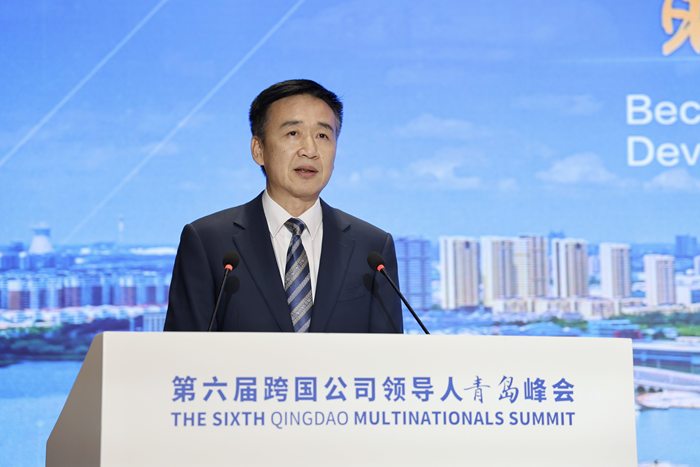
Group 1 - The core event is the Sino-German Multinational Company Development Exchange Forum, which is part of the 6th Multinational Company Leaders Qingdao Summit, highlighting the importance of Sino-German cooperation [1] - Binzhou has been actively expanding its trade with Germany, with a trade volume of 1.53 billion yuan in 2024, accounting for 1.2% of the city's total foreign trade, and 20.3% of its trade with EU countries [3] - By the first quarter of 2025, Binzhou's trade with Germany reached 387 million yuan, showing a year-on-year growth of 20.1%, making Germany the largest trading partner in the EU for Binzhou [3] Group 2 - Binzhou has a strong industrial foundation with 38 out of 41 national industrial categories represented, fostering five trillion-level industrial clusters, which align well with Germany's strengths in machinery, chemicals, and automotive industries [5] - The city has 67 products that hold the top market share globally or nationally, which are relevant to German companies' interests [5] - The collaboration with German companies is driven by Binzhou's need for industrial transformation towards high-end, intelligent, and green manufacturing, particularly in the context of low-carbon development [6] Group 3 - Binzhou is focusing on attracting investment, project construction, and industrial economy, implementing actions to enhance market vitality and create a favorable business environment [8] - The city aims to shift from "policy-based investment attraction" to "scenario-based investment attraction," customizing approaches for German companies [8] - During the Qingdao Summit, Binzhou's mayor invited enterprises to collaborate, emphasizing the city's diverse open platforms and development opportunities [8]

MEMS,卷土重来
半导体行业观察· 2025-06-20 00:44
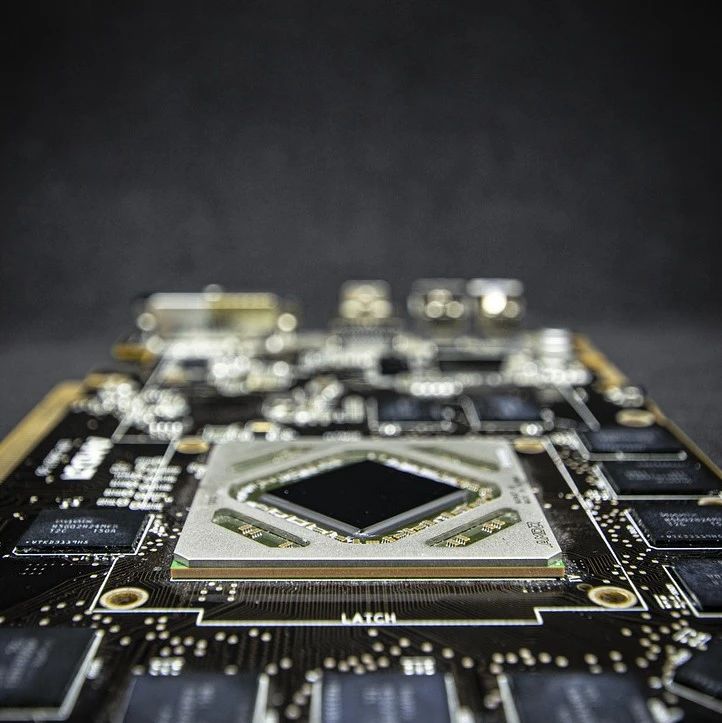
Core Insights - The MEMS industry is expected to see new growth opportunities in 2024, with global revenue reaching $15.4 billion, a 5% year-over-year increase, driven by the end of the "inventory effect" in Q2 [1] - The demand for MEMS devices is anticipated to grow significantly in 2025, as markets recover to pre-COVID levels and driven by trends across various end markets [1][6] Consumer Electronics - Integration of new sensors in smartphones is expected to stagnate, while interest in MEMS devices in wearable technology, such as TWS earbuds, is on the rise [1] - The AR/VR headset market is projected to grow significantly by 2030, creating substantial demand for LBS, inertial sensors, and microphones [1] - Environmental sensors will see increased application in air purifiers, thermostats, and HVAC systems due to growing concerns about air quality [1] Automotive Sector - The automotive market remains stable, with a decline in MEMS pressure sensors used in BEVs, but growth in other automotive applications such as ADAS and safety features [2] - MEMS inertial sensors will find opportunities in battery impact detection and vehicle parking status monitoring [2] Industrial Applications - The trend towards Industry 4.0 and warehouse automation is leading to a shift from traditional vehicles to AGVs and smart factory vehicles, increasing the demand for motion sensors, microphones, and ultrasonic sensors [2] - Machine health monitoring is a key application area for MEMS inertial sensors and microphones [2] Medical Market - The emergence of OTC hearing aids is expected to drive sales growth for MEMS microphones, micro speakers, and motion sensors [3] - The use of ultrasound in diagnostics is predicted to expand, with handheld ultrasound probes being utilized in telemedicine [3] Telecommunications - The continuous growth of global data traffic and significant investments in AI will drive the use of telecom equipment such as optical MEMS and MEMS-based oscillators [3] - MEMS technology offers advantages in cooling systems due to its smaller size compared to traditional technologies [3] Defense and Aerospace - The defense and aerospace markets are expected to grow in 2024, driven by the demand for precise positioning in drones and missiles, as well as stable antennas [3] Market Trends and Projections - The MEMS industry is projected to achieve a compound annual growth rate (CAGR) of 3.7% from 2024 to 2030, with sales expected to reach 35 billion units and revenue of $19.2 billion by 2030 [3] - Major players in the MEMS sensor market include Bosch, STMicroelectronics, and TDK, with Bosch expected to generate $2 billion in revenue in 2024, a 12% increase [6] - The overall wafer foundry business is expected to remain stable, with a 3.2% year-over-year revenue growth in 2024 [6] Technological Developments - The MEMS market is evolving with a focus on smart sensors that offer various functionalities, optimizing size, power consumption, and data privacy [10][11] - The adoption of piezoelectric MEMS in applications such as PMUT, inkjet print heads, and RF MEMS is on the rise [10] - The trend towards 12-inch MEMS manufacturing is gaining traction, facilitating better integration with ICs and improved performance [10] Ecosystem Development - 2024 is seen as a transitional year for the MEMS ecosystem, with ongoing participation in 300mm MEMS manufacturing and advancements in MEMS micro-speaker production [7]
中证工业4.0指数下跌0.61%,前十大权重包含海康威视等
Jin Rong Jie· 2025-06-19 10:04
金融界6月19日消息,上证指数低开低走,中证工业4.0指数 (工业4.0,399803)下跌0.61%,报3756.53 点,成交额393.62亿元。 数据统计显示,中证工业4.0指数近一个月下跌2.02%,近三个月下跌13.07%,年至今下跌0.12%。 据了解,中证工业4.0指数选取与工业4.0相关的控制硬件、控制软件、终端硬件提供商,以及其他受益 于工业4.0代表性上市公司证券作为指数样本,以反映工业4.0主题公司的整体表现。该指数以2012年06 月29日为基日,以1000.0点为基点。 从指数持仓来看,中证工业4.0指数十大权重分别为:中科曙光(5.54%)、立讯精密(5.2%)、工业富 联(5.17%)、兆易创新(5.1%)、京东方A(5.04%)、北方华创(5.0%)、韦尔股份(4.93%)、汇 川技术(4.91%)、海康威视(4.9%)、中兴通讯(4.88%)。 从中证工业4.0指数持仓的市场板块来看,深圳证券交易所占比56.59%、上海证券交易所占比43.18%、 北京证券交易所占比0.23%。 从中证工业4.0指数持仓样本的行业来看,信息技术占比60.31%、工业占比33.87%、通信服务 ...

视源股份拟于港交所主板上市
WitsView睿智显示· 2025-06-19 09:50
Core Viewpoint - The article discusses the listing application of Guangzhou Shiyuan Electronic Technology Co., Ltd. (Shiyuan) on the Hong Kong Stock Exchange, highlighting its business focus and financial performance. Group 1: Company Overview - Shiyuan was established in 2005 and specializes in the design, research and development, and sales of LCD display control boards and interactive smart panels. The company was listed on the Shenzhen Stock Exchange on January 19, 2017 [2]. - The company aims to optimize and expand its product portfolio in smart terminals and applications, support the development of smart control components and applications, and promote core technology development in interactive display and AI fields [2]. Group 2: Product and Technology - Shiyuan leverages its technological accumulation in display, audio-video, connectivity, power supply, and artificial intelligence to innovate and develop products for various application scenarios. It has established well-known brands such as Seewo and MAXHUB [3]. - The product system includes smart control components, smart terminals, and applications, with offerings such as interactive smart panels, digital signage, and LED displays [3]. Group 3: Financial Performance - In 2024, Shiyuan achieved a revenue of 22.401 billion yuan, representing a year-on-year growth of 11.05%. However, the net profit attributable to shareholders decreased by 29.13% to 971 million yuan [4]. - In the first quarter of this year, Shiyuan reported a revenue of 5.005 billion yuan, with a year-on-year increase of 11.35%. The net profit attributable to shareholders was 162 million yuan, down 9.23% year-on-year [6]. Group 4: Recent Developments - In February of this year, Shiyuan's Chongqing Industrial Park officially opened in the Liangjiang New Area, housing the company's Western headquarters, R&D center, and settlement center [6]. - In January, Shiyuan acquired a plot in the East District of the Shanghai Kangqiao Industrial Zone for a total investment of 550 million yuan, which will serve as the headquarters and an Industry 4.0 production demonstration base for the Yangtze River Delta region [6].

智改数转之道助力企业转型升级
Sou Hu Cai Jing· 2025-06-19 06:22
Group 1: Core Insights - The report emphasizes the necessity for enterprises to pursue intelligent transformation and digital transformation in the context of a global industrial restructuring, where manufacturing has regained its competitive edge [1][17]. - The report provides comprehensive and practical guidance for enterprises to achieve transformation and upgrading [1]. Group 2: Intelligent Transformation - The external environment is characterized by increasing quality demands in international markets, necessitating high-quality and cost-effective products for competitive success [2][13]. - Countries are implementing re-industrialization strategies centered on revitalizing manufacturing, such as Germany's "Industry 4.0," the U.S.'s "Industrial Internet," and China's "Made in China 2025" [2][19]. - Intelligent transformation is defined as an upgrade utilizing automation and information technology to enhance production efficiency and quality while reducing costs [2][33]. - The characteristics of intelligent transformation include systematic engineering, full-process closure, and human-machine collaboration, leading to improved production efficiency and management levels [2][30]. Group 3: Implementation Pathways and Case Studies - The pathways for intelligent transformation involve addressing data collection, device connectivity, and management process standardization, with steps including consultation, design, implementation, and evaluation [3]. - An example is AVIC's intelligent manufacturing development, which aims for full intelligent production of aviation products by 2025, characterized by dynamic perception and real-time analysis [3]. Group 4: Digital Transformation - Digital transformation is described as a disruptive innovation that reconstructs products, services, production methods, and business models using digital technologies like cloud computing and IoT [4]. - The essence of digital transformation is to build a digital platform that facilitates efficient conversion from business to data, data to information, and knowledge to wisdom [4]. Group 5: Support for Traditional Enterprises - To support traditional enterprises in intelligent transformation and digitalization, measures include accelerating the cultivation of emerging intelligent technology industries and promoting the intelligent upgrade of traditional industries [5]. - Policies may involve establishing special funds, supporting "machine substitution," and nurturing intelligent technology industry entities [5].

AGV激光叉车应用现状与发展趋势
Sou Hu Cai Jing· 2025-06-17 16:59
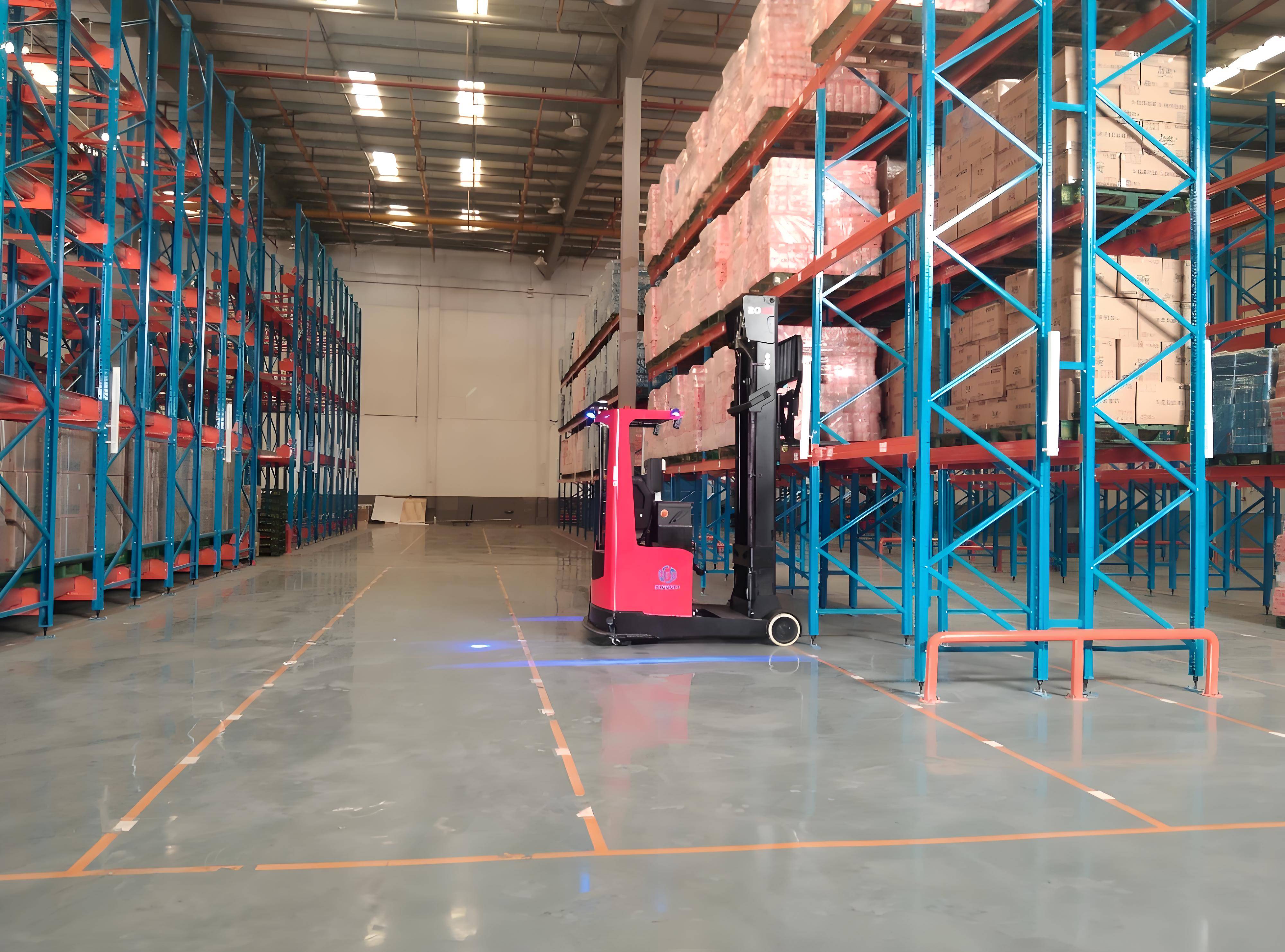
在安全性方面,这类设备标配三维避障系统,采用TOF(飞行时间)激光传感器与机械防撞装置的双重保护机制。当检测到2米内出现动态障碍物时,系统 能在0.1秒内触发分级制动,同时通过5G网络将实时工况传输至中央调度系统。 二、典型应用场景解析 1. **高位仓储场景**:在3C电子行业,某企业通过搭载举升机构的激光叉车实现6米高位货架自动化存取。其配备的货形识别系统能自动校正托盘位置偏 差,配合WMS系统实现先入先出管理,使仓库周转率提升3倍。 2. **跨楼层运输**:,某产业园部署的跨楼层AGV集群,通过激光与视觉融合导航实现电梯自动呼叫与平层定位。20台设备组成的柔性物流系统,替代了 原有36名搬运工的工作量,年节省人力成本超600万元。 随着工业4.0时代的深入发展,智能物流装备正加速渗透制造业的毛细血管。在众多自动化搬运方案中,AGV激光叉车以其独特的导航技术和柔性化作业能 力,逐渐成为智能工厂物流升级的核心载体。本文将深入剖析这一技术的应用现状与发展趋势,为制造业智能化转型提供切实可行的实施路径。 一、技术原理与核心优势 AGV激光叉车采用SLAM(即时定位与地图构建)技术作为导航核心,通过360°旋转 ...
全球变频器市场生产商排名及市场占有率
QYResearch· 2025-06-17 09:38
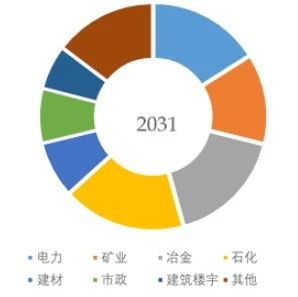
变频器是应用变频技术与微电子技术,通过改变电机工作电源频率方式来控制交流电动机的电力控制设备。 变频器主要由整流 ( 交流变直流 ) 、 滤波、逆变 ( 直流变交流 ) 、制动单元、驱动单元、检测单元微处理单元等组成。 根据 QYResearch 头部企业研究中心调研,全球范围内变频器生产商主要包括 ABB 、 Siemens 、汇川、 Schneider Electric 、 Yaskawa Electric 、 Rockwell Automation 、 Danfoss 、 Fuji Electric 、 Mitsubishi Electric 、 Delta Electronics 等。 2024 年,全球前五大厂商占有大约 45.0% 的市场份 额。 变频器 全球市场规模,按产品类型细分 据 QYResearch 调研团队最新报告 " 全球变频器市场报告 2025-2031" 显示,预计 2031 年全球变频器市场规模将达到 236.2 亿美元,未来几年年复 合增长率 CAGR 为 2.7% 。 变频器 全球市场总体规模 全球 变频器 市场前 24 强生产商排名及市场占有率(基于 2 024 年调研数 ...
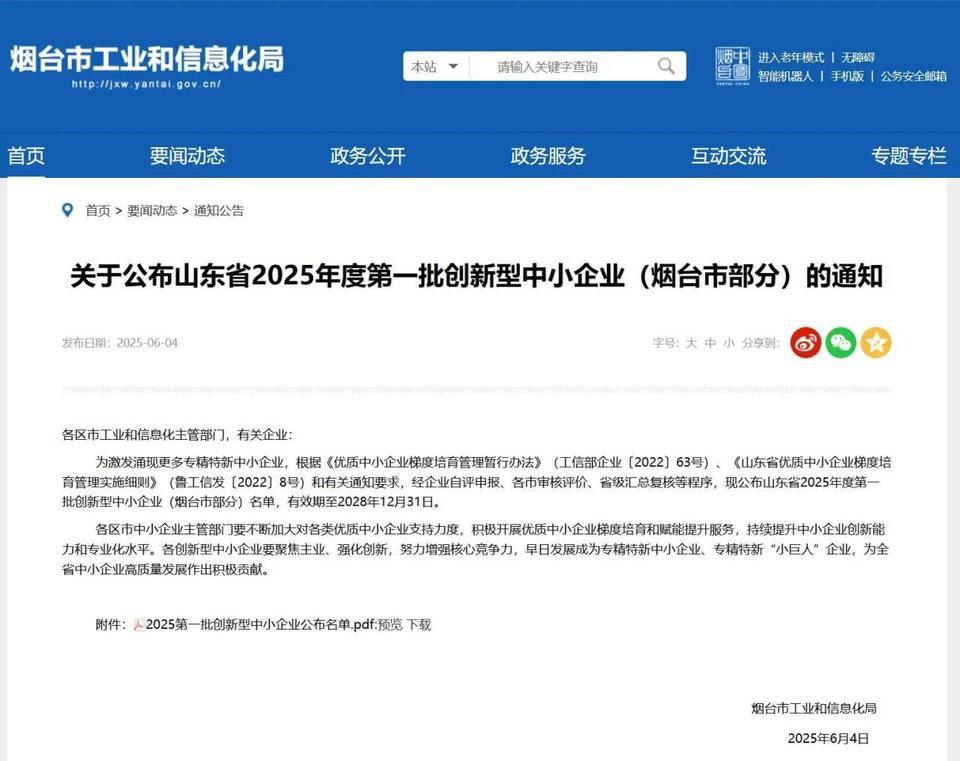
烟台财金集团旗下格尔斯公司上榜山东省创新型中小企业名单
Qi Lu Wan Bao Wang· 2025-06-13 03:15
Group 1 - Yantai Gels New Materials Technology Co., Ltd. has been recognized as one of the first batch of innovative small and medium-sized enterprises in Shandong Province for 2025, highlighting its strong innovation capabilities and development potential [1][2] - The evaluation aims to enhance the cultivation of specialized and innovative enterprises, promoting quality and quantity improvements for high-quality economic development [1][3] - Gels New Materials focuses on creating the first domestic industrial 4.0 smart high-end furniture board project, leveraging a "port, automotive, and park" integrated advantage to promote industrial upgrades [2][3] Group 2 - The company is at the forefront of technological innovation, developing a dual-driven model of "energy circulation + industrial circulation" for its smart green high-end furniture board project [3] - The project has been included in key provincial and municipal green low-carbon high-quality development initiatives, utilizing waste heat resources from a nearby power plant to enhance energy efficiency and reduce carbon emissions [3] - Gels New Materials has successfully launched its first board from the annual production project of 400,000 square meters of decorative structural boards, entering full-line trial production [3][4] Group 3 - The company plans to continue leveraging its strengths in technological innovation, green manufacturing, and product research and development [4] - It aims to increase R&D investment to explore new materials and processes, enhancing the technological content and added value of its products [4] - Gels New Materials seeks to strengthen industrial collaboration, leading upstream and downstream enterprises in the industry chain to innovate together and advance towards the mid-to-high end of the value chain [4]