
全球文明倡议

Search documents
以中国特色大国外交推动构建新型国际关系(深入学习贯彻习近平新时代中国特色社会主义思想)
Ren Min Ri Bao· 2025-06-23 22:10
Group 1 - The core viewpoint of the articles emphasizes the significance of China's unique major-country diplomacy in the context of global changes and challenges, showcasing China's growing international influence and responsibility [1][2][15] - The articles highlight the importance of China's economic growth, which has positioned it as a key player in global economic stability, with a GDP projected to reach approximately $19 trillion by 2024, contributing about 30% to global economic growth [3][16] - China's commitment to innovation and industrial development is underscored, with the country possessing the most comprehensive industrial system globally, which supports its economic resilience and growth [3][16] Group 2 - The concept of building a community with a shared future for mankind is presented as a guiding principle for China's foreign policy, aiming to foster global cooperation and address common challenges [4][6] - China's global development initiative focuses on sustainable development, with commitments to provide training and support to Central Asian countries, reflecting its role as a responsible developing nation [7][16] - The global security initiative aims to maintain world peace and stability, receiving support from 119 countries and emphasizing cooperation against common threats [8][16] Group 3 - The global civilization initiative promotes mutual respect and understanding among different cultures, advocating for dialogue and cooperation rather than ideological confrontation [9][16] - China's approach to developing global partnerships is characterized by equality, respect for sovereignty, and a focus on mutual benefits, moving away from traditional political and military alliances [10][16] - The importance of maintaining strong relationships with major powers is highlighted, with China seeking to foster stable and cooperative interactions with countries like Russia and the United States [11][12] Group 4 - The articles emphasize the significance of regional diplomacy, particularly with neighboring countries, to enhance mutual trust and cooperation, exemplified by the signing of a permanent friendly cooperation treaty with Central Asian nations [13][16] - China's commitment to supporting developing countries is reiterated, with initiatives aimed at promoting shared development and addressing global challenges [14][16] - The articles conclude with a call for China to actively participate in and lead global governance efforts, addressing issues such as peace, development, and cooperation in a rapidly changing world [17][18]
共同推动文明交流互鉴(国际论坛)
Ren Min Ri Bao· 2025-06-23 21:50
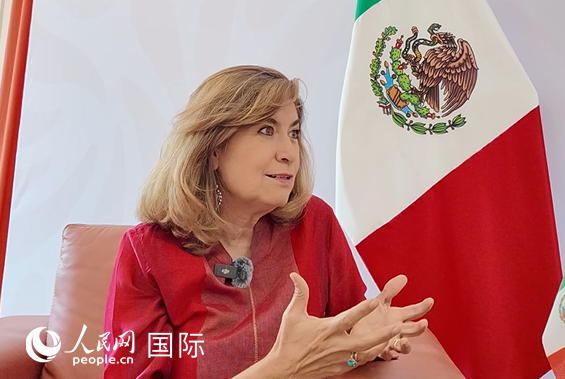
相互尊重是人类文明发展的前提。长期以来,墨西哥在对外交往中始终秉持不干涉他国内政和尊重国家 主权的原则。墨西哥前总统贝尼托·华雷斯曾说过:"无论人与人还是国与国之间,尊重他人权利才能带 来和平。"这一原则至今依然是墨西哥对外政策的灯塔。墨西哥与他国在相互尊重的基础上加强合作, 开展富有建设性的对话和交流。墨西哥积极推动国际文化合作,致力于弘扬和平文化、开展艺术交流, 以及对文化遗产的研究、保护和传播。 尊重文明多样性,对于理解不同国家、不同民族至关重要。中华文明具有深厚的包容性,多元融合特点 十分鲜明。墨西哥拥有68种土著语言、364种语言变体,是世界上语言最多样化的国家之一。墨西哥十 分重视对土著居民和非裔墨西哥人的权利保护。 文明多样性是价值不可估量的人类财富,必须加以保护并大力弘扬。习近平主席提出的全球文明倡议, 强调要共同倡导尊重世界文明多样性,为增进不同国家、不同文明相互理解和信任发挥了重要作用。全 球文明倡议致力于弘扬全人类共同价值,这同墨西哥的理念十分接近。我们相信,和平、发展、公平、 正义、民主、自由是各国人民的共同追求。 遵循全球文明倡议的核心理念,可以打开一扇国际合作的大门,丰富和发展包括 ...

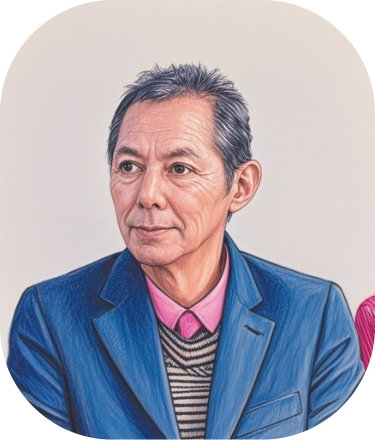
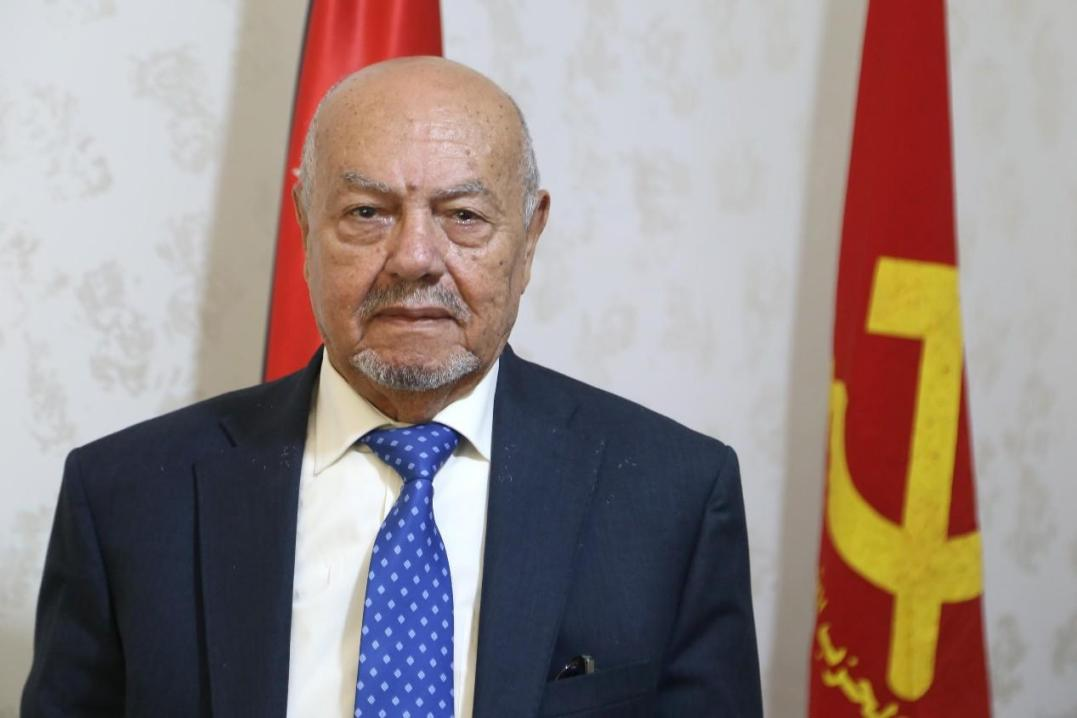
“系列全球倡议彰显中国的天下情怀”——访约旦共产党总书记法赫米·哈图特
人民网-国际频道 原创稿· 2025-06-23 05:30
Core Viewpoint - The success of China's development represents the rise of a new force on the world stage, inspiring developing countries to seek their own development paths [2] Group 1: China's Development Achievements - Under the leadership of the Communist Party of China, 800 million people have been lifted out of poverty, achieving the UN's 2030 sustainable development goal a decade early, significantly accelerating global poverty reduction [2] - China has made continuous achievements in industrial manufacturing and technological innovation, maintaining stable economic growth over the long term [4] Group 2: Global Initiatives and Cooperation - The global development initiative promotes inclusive growth, the global security initiative advocates for dialogue to resolve differences, and the global civilization initiative emphasizes harmony among different civilizations, reflecting China's commitment to global development [4] - China contributes to global governance through platforms like the BRICS cooperation mechanism and the Asian Infrastructure Investment Bank, assisting developing countries in achieving their development goals [4] Group 3: Jordan's Perspective and Cooperation with China - Jordan faces multiple challenges in security and economic development, and the Jordanian Communist Party aims to unite more people to safeguard national interests and achieve economic independence [5] - Jordan has signed cooperation documents for the Belt and Road Initiative with China, seeking to enhance trade, particularly in chemical products, and welcomes more Chinese investments [5] - Arab countries view China as a reliable partner, appreciating its principles of mutual respect and win-win cooperation, which provide a model for economic independence and transformation [5]
睦邻友好之道 发展共赢之路(国际论道)
Ren Min Ri Bao Hai Wai Ban· 2025-06-20 21:21
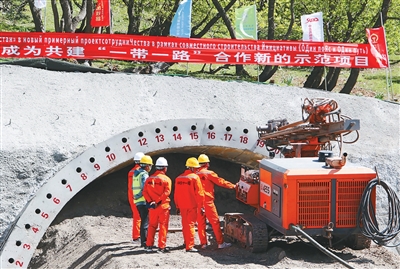
Core Points - The second China-Central Asia Summit held in Astana, Kazakhstan, is expected to deepen cooperation between China and Central Asian countries, enhancing their relationships and creating broader opportunities [2][3] - The summit is recognized as one of the most significant diplomatic events for Central Asian countries this year, reflecting their desire to strengthen ties with China [2] - China's approach emphasizes peaceful cooperation, which has garnered trust from Central Asian nations, facilitating the implementation of the Belt and Road Initiative [2][4] Mechanism Improvement and Cooperation Platforms - The China-Central Asia mechanism has become a successful model for regional cooperation, with ongoing improvements and expanding coverage across various sectors [3][4] - Since the first summit in 2023, practical cooperation between Kazakhstan and China has accelerated, with a focus on stability and sustainable development [3] - The mechanism's influence is growing, covering key areas such as trade, security, culture, and sustainable development, demonstrating its systematic and effective construction [3][4] Mutual Cooperation and Development - China has proposed four key principles for building a stable, prosperous, harmonious, and interconnected Central Asia, which have received widespread recognition [4] - The cooperation between China and Central Asian countries has yielded tangible results in agriculture, infrastructure, security, and cultural exchanges [4][9] - The China-Central Asia mechanism is evolving from a state-level framework to grassroots community ties, enhancing cooperation in education, poverty alleviation, healthcare, and culture [7][8] Economic and Trade Growth - The bilateral trade volume between China and Central Asia has been growing rapidly, with a reported trade value of $94.8 billion in 2024, making China the primary trading partner for the region [9][10] - Kazakhstan's agricultural exports to China have surpassed $1 billion for the first time, indicating deepening cooperation across various sectors [9][10] - Infrastructure projects like the China-Kyrgyzstan-Uzbekistan railway and the Aktao port container hub are significantly improving regional logistics and creating numerous job opportunities [10][11] Emerging Fields and Future Prospects - The summit is expected to stimulate further collaboration in emerging sectors such as digital economy and green energy, enhancing regional connectivity [11] - The joint development of the "Middle Corridor" is anticipated to elevate the level of interconnectivity in the region, reflecting the high-quality development of the Belt and Road Initiative [11]
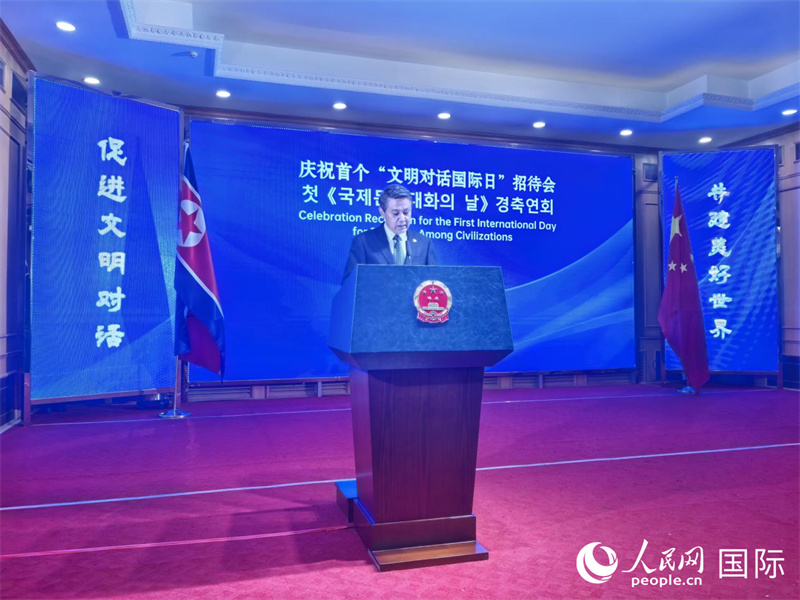
中国驻朝鲜使馆举办庆祝首个“文明对话国际日”招待会
人民网-国际频道 原创稿· 2025-06-18 07:11
Core Points - The event celebrated the first "International Day of Civilizational Dialogue" organized by the Chinese Embassy in North Korea, highlighting China's initiative to promote cultural exchange and dialogue among nations [1][3][5] - Chinese Ambassador Wang Yajun emphasized the importance of this day as a practical implementation of President Xi Jinping's global civilization initiative, aiming to foster peace and development [3][5] - North Korean Deputy Foreign Minister Kim Sen-gyeong acknowledged China's contribution to establishing a just international order and expressed North Korea's commitment to strengthening traditional friendly relations with China [5][7] Summary by Sections - **Event Overview** - The Chinese Embassy in North Korea hosted a reception for the first "International Day of Civilizational Dialogue" on June 17, attended by around 60 participants including diplomats and media representatives [1][3] - **Statements from Officials** - Wang Yajun highlighted the significance of the day in promoting cultural exchanges and responding to the historical trends of peace and development [3] - Kim Sen-gyeong recognized the importance of the initiative in fostering cooperation among different civilizations and maintaining the common interests of developing countries [5] - **General Consensus** - Attendees praised the establishment of the "International Day of Civilizational Dialogue" and agreed on the necessity of promoting dialogue among different civilizations to address global challenges [7]
“儒伊文明对话会”聚焦文明交流互鉴
Xin Hua Wang· 2025-06-17 01:11
马来西亚国际伊斯兰大学校长奥斯曼·巴卡尔表示,此次对话会具有重要历史意义,马来西亚国际 伊斯兰大学期待今后同国际儒学联合会开展更多务实合作。 在学术交流环节,中马两国学者深入探讨儒家文化和伊斯兰文明的共通之处,系统回顾"伊儒会 通""回儒对话"等历史经验,从不同视角探讨深入开展儒伊文明对话、弘扬全人类共同价值等话题。 马来西亚总理夫人旺·阿兹莎代表安瓦尔总理致辞说,期待通过开展儒伊文明对话积极化解潜在冲 突,坚定秉持和平、自由、仁爱与公正的价值理念,共同致力于构建一个和谐且可持续发展的未来。 中国驻马来西亚大使欧阳玉靖表示,中马两国是儒伊文明交流互鉴的成功典范,儒伊文明互鉴的智 慧之光始终照亮中马民心相通之路,助推"切水不断"的中马世代情谊接续传承、愈加深厚。 新华社吉隆坡6月16日电(记者王嘉伟 程一恒)由国际儒学联合会、马来西亚国际伊斯兰大学共同 主办的"儒伊文明对话会"16日在马来西亚首都吉隆坡举行。对话会主题为"儒家文化与伊斯兰文明的交 流互鉴",中马两国近百名学者与会。 国际儒学联合会会长孙春兰出席对话会并致辞表示,本次对话会既是践行全球文明倡议、推动不同 文明之间相互尊重相互学习的生动实践,也是落 ...
联合国教科文组织总干事候选人:全球文明倡议为不同文明对话开辟空间
人民网-国际频道 原创稿· 2025-06-16 08:40
Group 1 - The core viewpoint emphasizes that the global civilization initiative proposed by China aligns closely with the mission of UNESCO, particularly in promoting international cooperation through education, science, and culture [2][3] - Gabriela Ramos, the only female candidate from the Global South for the next UNESCO Director-General, highlights the importance of ensuring quality education and promoting peace and dialogue education [2] - The initiative aims to enhance mutual understanding among different civilizations, exemplified by the "Silk Road Youth Eye" photography competition, which fosters cultural exchange along the Silk Road [2] Group 2 - Ramos stresses the significance of the global civilization initiative in creating dialogue spaces for different civilizations, which is crucial in the context of increasing global polarization [3] - In the field of technology ethics governance, Ramos notes China's active involvement in educational and research cooperation under the UNESCO framework, emphasizing the need for ethical foundations in the development of frontier technologies like artificial intelligence [3] - To address global challenges such as the crisis of trust in multilateralism, Ramos believes that strengthening dialogue through education, science, and culture is essential for UNESCO's future [3]
哈萨克斯坦外交部对外政策研究所所长:阿斯塔纳峰会将讨论多领域合作
Huan Qiu Shi Bao· 2025-06-15 22:52
努尔加利耶夫特别提到,中国始终以互利共赢的精神与所有伙伴开展合作,希望与周边国家保持睦邻友 好,分享其巨大的发展潜力,以实现共同现代化。鉴于中国当前的国际地位,这对于亚洲乃至全世界的 稳定和繁荣都至关重要。 【环球时报赴哈萨克斯坦特派记者 赵觉珵 胡雨薇】第二届中国—中亚峰会即将在哈萨克斯坦首都阿斯 塔纳举行。在日前于阿斯塔纳接受《环球时报》记者专访时,哈萨克斯坦外交部对外政策研究所所长、 上海合作组织前秘书长博拉特·努尔加利耶夫表示,中国—中亚峰会的举办为五国领导人搭建了讨论重 要问题的平台,并为双方的务实合作提供指引。努尔加利耶夫预计,阿斯塔纳峰会将广泛讨论一系列议 题,包括国际局势和多领域合作。 努尔加利耶夫还称赞中国提出的全球发展倡议、全球安全倡议和全球文明倡议,认为这些倡议将对国际 关系产生深远影响。"我们正处于一个动荡和充满不确定性的时代,中国与中亚国家的关系已经证明, 存在一种以合作、互信、互助替代对抗的方案,以促进世界各国的进步。"他说。 自2023年5月首届中国—中亚峰会在西安举办以来,中国同中亚国家一系列合作走深走实,为地区发展 注入源源不断的动力。努尔加利耶夫对《环球时报》记者表示,近年 ...
习近平主席引领构建中国—中亚命运共同体金句
Ren Min Ri Bao· 2025-06-15 21:52
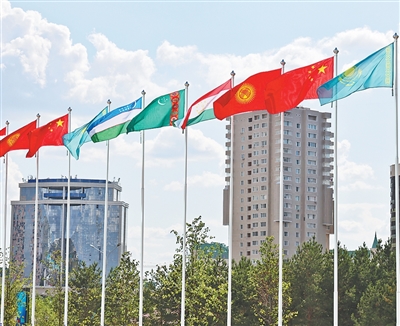
6月15日,在哈萨克斯坦首都阿斯塔纳,中国和中亚五国 国旗迎风飘扬。 图片为本报记者孟祥麟摄 第二届中国—中亚峰会举办地哈萨克斯坦阿斯塔纳独立 宫。 图片为本报记者孟祥麟摄 数据来源:外交部、海关总署 制图:蔡华伟 守望相助、团结互信的共同体 我们要深化战略互信,在涉及主权、独立、民族尊严、长远发展等核心利益问题上,始终给予彼此明 确、有力支持,携手建设一个守望相助、团结互信的共同体。 ——2023年5月19日,在中国—中亚峰会上的主旨讲话 面对百年未有之大变局,着眼各国人民的根本利益和光明未来,我们决心携手并肩,共迎挑战,构建更 加紧密的中国—中亚命运共同体,为推动构建人类命运共同体贡献力量。 ——2023年5月19日,同中亚五国元首共同会见记者 ——2023年5月19日,在中国—中亚峰会上的主旨讲话 中国同中亚五国相继建立战略伙伴关系,深化政治互信、互利合作,走出了一条睦邻友好、合作共赢的 新路,成为构建新型国际关系的典范。 ——2022年1月25日,在中国同中亚五国建交30周年视频峰会上的讲话 睦邻友好是中国同中亚国家关系的基础。中方将秉持亲诚惠容理念,加强彼此高层往来和战略沟通,办 好"中国+中亚五国 ...
携手构建更加紧密的中国-中亚命运共同体
Xin Hua She· 2025-06-15 12:08
六国积极践行全球发展倡议,发挥互补优势、深化战略对接,多领域务实合作结出硕果:经贸合 作蓬勃开展,2024年,中国与中亚国家贸易额达到创纪录的948亿美元,有力拉动各自经济发展; 互联互通新格局加速形成,正式启动的中吉乌铁路项目、穿越茫茫大漠的原油天然气管道、日夜 兼程的中亚班列等现代"丝路""驼队"打破地理隔阂,让中亚国家也能触达远方;阿拉木图光伏电 站、杜尚别2号热电厂等一系列涉及基建和民生的合作项目落地开花,促进地区经济社会发展和民 生改善;金融、农业、减贫、绿色低碳、医疗卫生、数字创新等新增长点持续培育,激发合作新 活力……中国同中亚国家坚持共同发展,携手奔赴现代化。 坚持普遍安全,携手建设一个远离冲突、永沐和平的共同体。中国同中亚国家休戚与共、安危共 担。2022年1月,习近平主席在中国同中亚五国建交30周年视频峰会上指出,"和平是地区各国人 民的共同企盼"。 应哈萨克斯坦共和国总统托卡耶夫邀请,国家主席习近平将于6月16日至18日赴哈萨克斯坦阿斯塔 纳出席第二届中国-中亚峰会。 千年丝路,串起文明交融璀璨星河;百年变局,呼唤命运与共时代强音。从古丝绸之路友好交往 合作的悠久历史中走来,中国同中亚国 ...