量子计算

Search documents
深圳星际量子科技有限公司成立 注册资本1000万人民币
Sou Hu Cai Jing· 2025-12-05 02:46
天眼查App显示,近日,深圳星际量子科技有限公司成立,法定代表人为李承军,注册资本1000万人民 币,经营范围为一般经营项目是:量子计算技术服务;智能机器人的研发;智能机器人销售;工业机器 人制造;工业机器人销售;工业机器人安装、维修;服务消费机器人制造;服务消费机器人销售;特殊 作业机器人制造;工业设计服务;虚拟现实设备制造;可穿戴智能设备销售;可穿戴智能设备制造;人 工智能理论与算法软件开发;人工智能应用软件开发;人工智能基础软件开发;信息系统集成服务;软 件开发;人工智能硬件销售;人工智能通用应用系统;人工智能行业应用系统集成服务;智能控制系统 集成;工业自动控制系统装置销售;工业自动控制系统装置制造;工业控制计算机及系统制造;工业控 制计算机及系统销售;数据处理和存储支持服务;信息技术咨询服务;货物进出口;技术进出口。(除 依法须经批准的项目外,凭营业执照依法自主开展经营活动),许可经营项目是:无。 ...
任正非最新发声
财联社· 2025-12-05 02:44
Core Viewpoint - The discussion emphasizes the importance of education and AI's role in future industrial applications, encouraging youth to embrace challenges and foster collaboration for technological advancement [1][2]. Group 1: AI and Industrial Applications - AI should focus on practical applications in industries such as manufacturing and healthcare over the next three to five years, enhancing efficiency and safety [5][6]. - Examples include optimizing iron production through data modeling and improving mining safety with remote operations [5][6]. - AI's impact on healthcare is highlighted, with models aiding in diagnostics and remote patient monitoring [6]. Group 2: Education and Youth Empowerment - Education is seen as a critical foundation for future technological advancements, with a call for a shift from traditional models to more accessible online learning [7][11]. - The importance of nurturing talent within the country rather than solely relying on imported expertise is emphasized, advocating for a strong educational framework [9][10]. - Youth are encouraged to pursue their passions and contribute to societal progress, with a focus on innovation and resilience in the face of challenges [18][19]. Group 3: Collaboration Between Academia and Industry - The necessity for closer collaboration between educational institutions and industries is stressed, with examples of successful partnerships leading to practical applications in competitions [13][14]. - The role of companies in transforming theoretical research into industrial applications is highlighted, showcasing the importance of bridging the gap between academia and industry [10][25]. Group 4: Future of Work and AI Integration - The integration of AI in various sectors is projected to increase productivity, with estimates suggesting that AI could handle a significant portion of software engineering tasks in the future [23][24]. - The potential for job displacement due to automation is acknowledged, with suggestions for re-education programs to help workers transition to new roles [22][23]. Group 5: Global Collaboration and Cultural Exchange - The importance of international collaboration in technology and education is emphasized, with a focus on sharing knowledge and fostering innovation across borders [12][30]. - The discussion highlights the value of diverse perspectives in problem-solving and the need for inclusive participation in STEM fields [26][27].


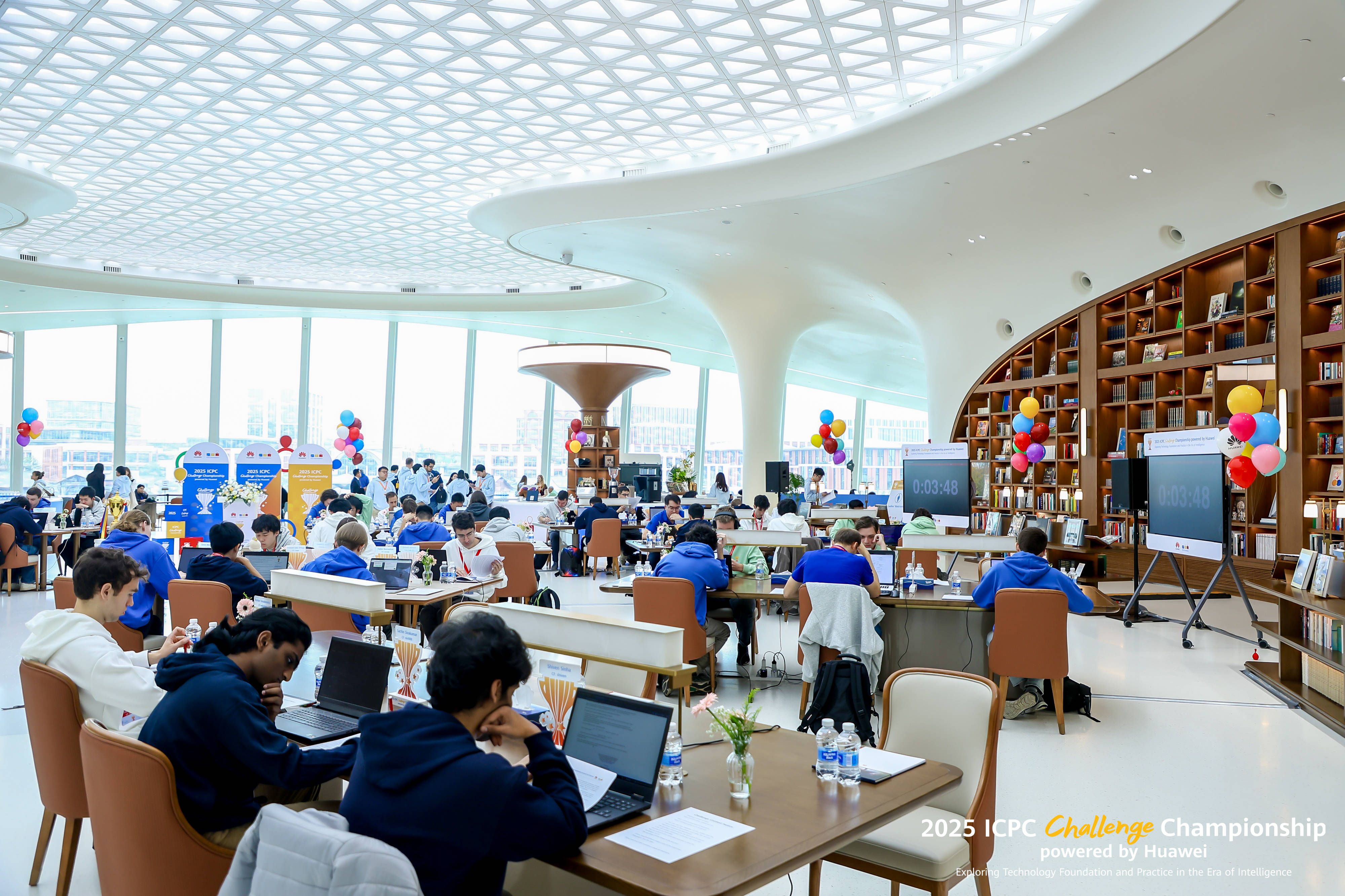
《练秋湖畔贝壳图书馆漫谈》任总与ICPC主席、教练及获奖选手座谈会纪要
Xin Lang Cai Jing· 2025-12-05 02:39
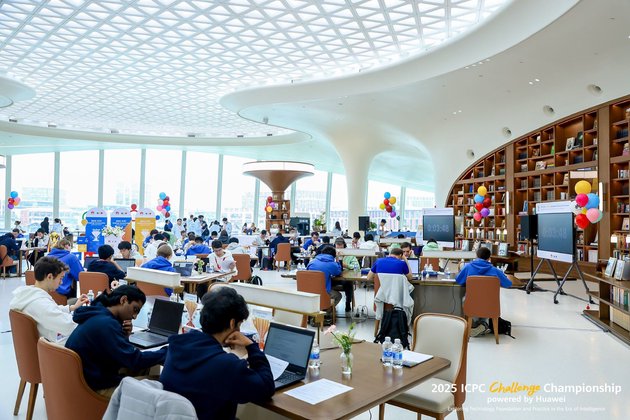
ICPC主席:首先,非常感谢邀请我们来到这个美丽的园区,这是一个方方面面都非常棒的地方,是一 个广交朋友、一起聚会的好地方。我想对大家表达感谢,给我们提供这样的机会。英语有一个非常好的 词是"together",能够聚在一起,非常感谢! 任总:非常感谢ICPC主席、各位教练、各位年轻的世界金牌获得者。我们认为,我们正处在一个快速 变动的时代,希望在年轻人,你们正放射着青春的光芒。你们是年轻人的榜样,时代的希望是寄托在你 们青年人身上的。 练秋湖畔贝壳图书馆漫谈 ◆以下内容引自2025年11月14日华为任正非先生与ICPC主席、教练及获奖选手座谈会纪要 练秋湖畔贝壳图书馆漫谈 ——任总与ICPC主席、教练及获奖选手座谈会纪要 2025年11月14日上午 Veronika Soboleva:大家早上好!首先,非常感谢任总将ICPC的队伍带到练秋湖这么漂亮的园区,非 常荣幸今天能够来到这里。所有参加的成员都代表ICPC,这一年都非常努力,他们来自超过三十多个 国家和地区,有110多人,包括来自世界各地的教练和参赛获胜者。有一些同事是远程参加,有一些是 现场参加,非常高兴来到这里分享我们的想法,聆听您的洞见。非常感谢 ...
任正非最新发声:没有网络的算力是信息孤岛,AI重在应用
YOUNG财经 漾财经· 2025-12-05 02:30
Core Viewpoint - The core viewpoint emphasizes the importance of AI applications and the need for innovation and collaboration between academia and industry to address challenges in the AI era [2][7][14]. Group 1: AI and Its Applications - AI without a network is considered an information island, highlighting the necessity of connectivity for effective AI utilization [2]. - The focus should be on practical applications of AI in various sectors, such as agriculture, healthcare, and mining, to enhance efficiency and safety [8][9]. - AI is expected to significantly improve productivity in industries, with examples including automated coal mining and enhanced diagnostic capabilities in healthcare [8][9]. Group 2: Education and Talent Development - The role of educational institutions is to explore the future, while companies focus on creating commercial value, necessitating a balance between the two [14]. - There is a call for educational reforms to cultivate talent capable of driving technological advancements, emphasizing the importance of nurturing homegrown talent rather than solely relying on imports [13][14]. - The shift from traditional education models to more decentralized, network-based learning is seen as beneficial for societal progress [11]. Group 3: Collaboration Between Academia and Industry - The collaboration between universities and industries is crucial for addressing real-world challenges and fostering innovation [10][14]. - Companies are encouraged to support educational initiatives that enhance programming and AI skills in underdeveloped regions [10]. - The integration of academic research with industrial applications is highlighted as a pathway to achieving significant technological breakthroughs [14][32]. Group 4: Future of Work and AI - The impact of AI on job markets is acknowledged, with a focus on the need for re-education and skill development for displaced workers [27][28]. - The potential for AI to automate tasks traditionally performed by humans is discussed, with an emphasis on the importance of adapting to these changes [28]. - The future workforce will require a blend of technical skills and adaptability to thrive in an AI-driven economy [27][28]. Group 5: Global Perspective and Innovation - The importance of global collaboration in technology and education is emphasized, with a recognition of the contributions from various countries [17][33]. - Innovation is seen as a collective effort, with the need for diverse perspectives to drive advancements in technology [17][33]. - The potential for countries to leapfrog in technology through strategic investments in education and infrastructure is highlighted [17][33].

1.4万字!华为任正非最新讲话:AI重在“用” 未来希望在青年
Di Yi Cai Jing· 2025-12-05 02:10
Core Viewpoint - The future will see an abundance of computing power rather than a shortage, emphasizing the importance of AI application over mere invention [1][3]. Group 1: Youth and Innovation - The company founder expresses hope in the current state of Chinese youth, highlighting their capabilities and entrepreneurial spirit, which could lead to significant advancements in the next three to five years [1][17]. - Encouragement is given to young individuals to pursue high aspirations and not to settle for commercial paths if they have the potential to reach greater heights [1][17]. - The founder notes that many young entrepreneurs in China are forming partnerships and taking ownership of their ventures, which is a positive sign for future innovation [1][17]. Group 2: AI Application and Industry - The focus should be on the application of AI rather than just its invention, as practical applications can significantly enhance national capabilities [2][34]. - The company is actively exploring AI applications in various sectors, including steel production, mining, and healthcare, aiming to improve efficiency and safety [2][9][34]. - Specific examples include using AI to optimize furnace temperatures in steel production and employing remote diagnostics in healthcare [2][9]. Group 3: Education and Talent Development - The shift from traditional education models to more decentralized, online learning is seen as beneficial for talent development, allowing access to quality education from remote areas [3][11]. - The company emphasizes the importance of nurturing talent through education, suggesting that a strong educational foundation is crucial for becoming a technological powerhouse [13][25]. - The founder advocates for a diverse approach to education, recognizing that not all individuals will follow the same path, and that both high-level and practical skills are valuable [1][17]. Group 4: Future of AI and Workforce - The company anticipates a future where AI will lead to increased productivity and efficiency across various industries, with a focus on practical applications [2][34]. - There is a recognition that as automation increases, there will be a need for re-education programs to help displaced workers transition to new roles [25][26]. - The founder highlights the importance of addressing the societal impacts of AI, including the need for a skilled workforce to manage and implement AI technologies effectively [25][26].
任正非最新发声:没有网络的算力是信息孤岛,AI重在应用
Xin Lang Cai Jing· 2025-12-05 01:59
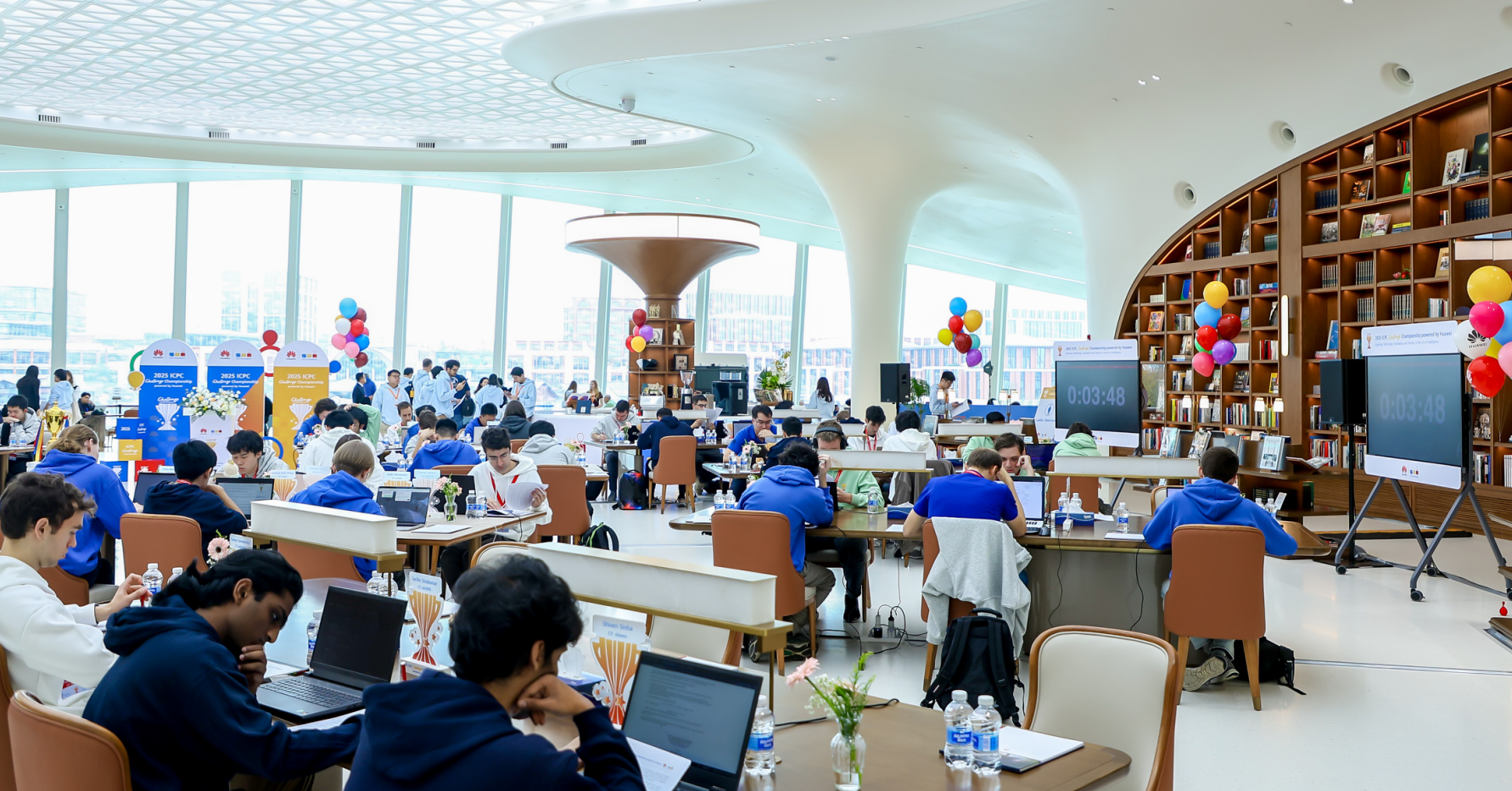
12月5日,ICPC北京总部官网发布华为公司总裁任正非与ICPC主席、教练及获奖选手座谈。任正非在讲 话中谈及青年、人才、教育等相关话题。 任正非在讲话中表示,学校的属性是探索人类的未来,企业的属性是创造商业价值。谈到AI时,他 说,没有网络的算力是信息孤岛。AI重在应用。他鼓励与会人士称,要突破就要敢于迎接挑战,大胆 创新。 ICPC全称为ACM国际大学生程序设计竞赛,是全球计算机领域最具影响力的大学生竞赛之一 ,是曾由 美国计算机协会主办,现由ICPC基金会主办的年度竞赛,旨在展示大学生创新能力、团队精神和在压 力下编写程序、分析和解决问题能力。ICPC已成为检验学生编程能力、算法功底与创新思维的重要平 台。2025年11月,北京大学的"一步之遥"队荣获第50届ICPC亚洲区域赛(上海)冠军;上海交通大学 的"启明星"队获得季军。 以下为座谈全文: 深圳商报 练秋湖畔贝壳图书馆漫谈 ——任正非与ICPC主席、教练及获奖选手座谈会纪要 2025年11月14日上午 Veronika Soboleva:大家早上好!首先,非常感谢任总将ICPC的队伍带到练秋湖这么漂亮的园区,非常 荣幸今天能够来到这里。所有参加的 ...

1.4万字!华为任正非最新讲话:AI重在“用”,未来希望在青年
Di Yi Cai Jing· 2025-12-05 01:56
任正非认为,"以后是算力过剩的,不是想象的算力不足"。 近日,华为创始人任正非在位于上海的华为练秋湖研发中心与ICPC全球优胜者及教练座谈,围绕AI未来、教育本质与青年成长展开对话。 他认为,当前处于快速变动的时代,年轻人放射着青春光芒,是同辈人的榜样,时代的希望寄托在青年人身上。对于青年发展,任正非指出,每个人人生道 路不同,有人"摸高"探索前沿,有人"摸低"扎根基础,都是对社会的贡献。 他格外鼓励有能力的青年:"你能摸高,就不要去摸低,就不要走商业化的道路,你总有一天能摸到真理。有一天你爬高爬不上去了,就从'喜马拉雅'往下 走,沿途都可以'生蛋',你绝对是好汉,从高往低打是容易的"。 如今中国青年的状态,让他看到了希望。"Meta给几个青年人每个人上亿美元的签约金、千万美元的年薪,中国互联网上没有多大的声音波动,为什么?不 羡慕了",任正非提到,现在"国内一大批创业者,能力非常强。七、八人合作做一个公司,二、三十人合伙,股份全是他们的,做好了想拿多少拿多 少","三、五年或者五至十年,中国会发生天翻地覆的进步"。 他还拿小鹏机器人举例,"发布会当场剪开外皮,里面全是'钢铁'",这种敢闯敢试的劲头,正是未来 ...
成立不足半年,不筹量子完成数千万元天使轮融资
Sou Hu Cai Jing· 2025-12-05 01:39
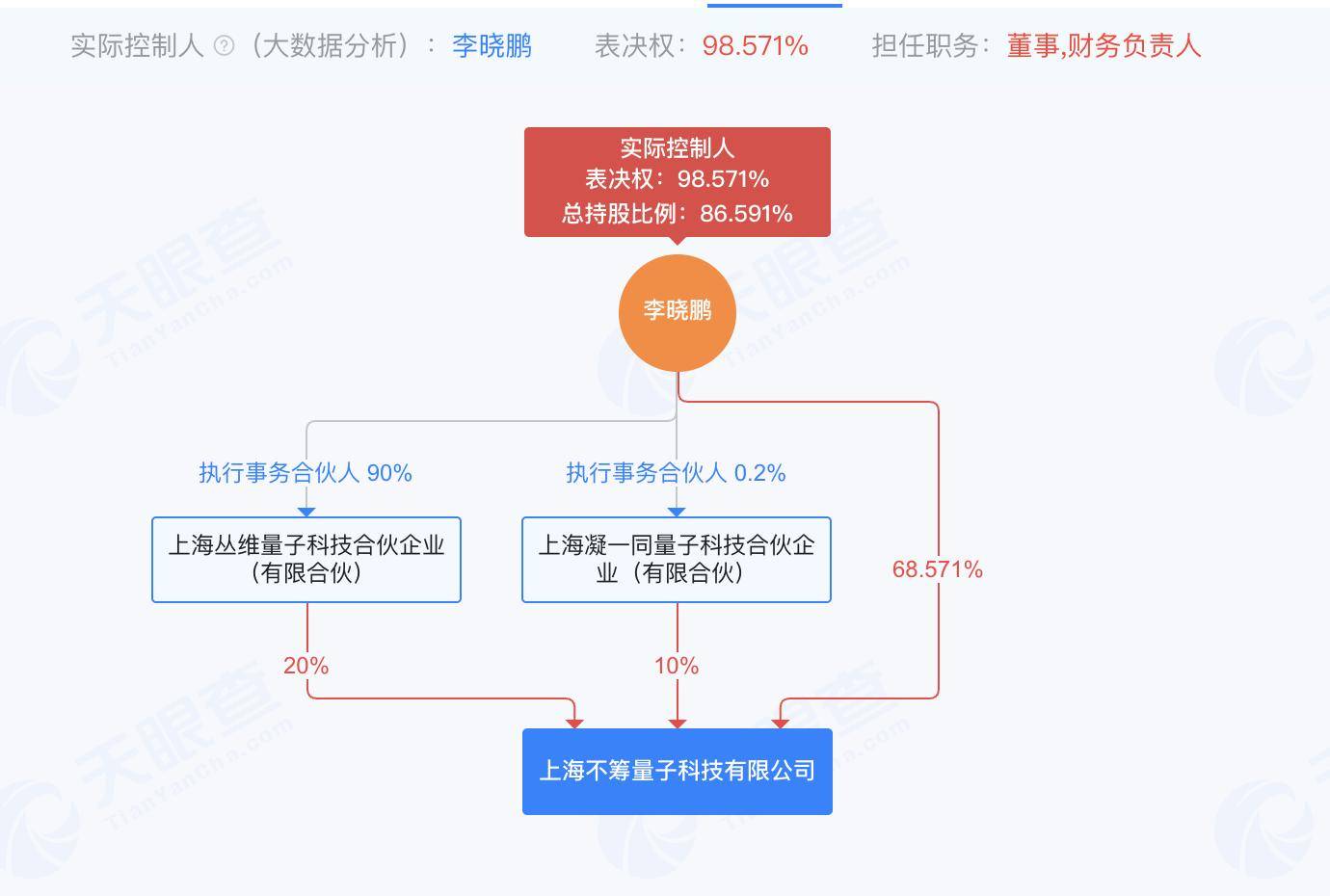
所获资金将主要用于建设低噪声超净间、搭建软硬件工程化体系,并加速推进量子计算核心技术的研发与产业化。 天眼查显示,不筹量子实际控制人为李晓鹏,总持股比例为86.59%,表决权为98.57%。目前,李晓鹏担任公司董事、财务负责人。 不筹量子团队主要源自复旦大学中性原子量子计算实验室。当前团队正聚焦于大规模原子量子计算系统的模块化、工程化与集成化,以打造面向容错量子计 算、量子算法应用和量子算力平台的长时稳定底层技术体系。 瑞财经 刘治颖 近日,上海不筹量子科技有限公司(以下简称"不筹量子")完成数千万人民币的天使轮融资,本轮融资由中科创星领投,复容投资、东方富 海共同参与。 不筹量子成立于2025-08-05,法定代表人为李晓鹏,注册资本为200万元,经营范围包含:量子计算技术服务;计算机软硬件及辅助设备批发;计算机系统 服务等。 ...
任正非最新发声: 没有网络的算力是信息孤岛 AI重在应用
Sou Hu Cai Jing· 2025-12-05 01:25
Core Points - Huawei's President Ren Zhengfei emphasized the importance of youth, talent, and education during a discussion with ICPC leaders and award-winning participants, highlighting the need for innovation and the application of AI in various fields [1][5][11] - The ICPC (International Collegiate Programming Contest) is recognized as a significant platform for showcasing students' programming skills and innovative thinking [1][6] - Ren discussed the relationship between AI and human society, suggesting that the next 10 to 20 years will be crucial for understanding AI's impact on social structures and human existence [7][10] - The company is focusing on practical applications of AI in industries such as agriculture, mining, and healthcare, aiming to enhance efficiency and safety through advanced technologies [8][10][12] - Ren highlighted the importance of education in fostering talent, stating that a strong educational foundation is essential for a technologically advanced nation [11][12] - The discussion also touched on the need for collaboration between academia and industry to address challenges and improve educational standards globally [11][12][19] Summary by Sections AI and Its Applications - AI is seen as a transformative force in various sectors, with Huawei exploring its applications in areas like mining, healthcare, and autonomous operations [8][10][12] - The company is leveraging AI to enhance operational efficiency, such as optimizing furnace temperatures in steel production and improving safety in mining operations [8][10] Education and Talent Development - Ren emphasized the role of education in nurturing talent, stating that schools should focus on exploring the future while companies should create commercial value [11][12] - The importance of teaching practical skills and fostering innovation in students was highlighted, with a call for educational institutions to adapt to the changing technological landscape [11][12] Collaboration Between Academia and Industry - The need for closer collaboration between educational institutions and industries was discussed, with an emphasis on providing resources and training to improve programming skills in underdeveloped regions [11][12][19] - Ren acknowledged the challenges faced by different regions in achieving educational parity and expressed support for initiatives aimed at enhancing IT education globally [11][12][19] Future Outlook - The discussion pointed towards a future where AI and technology will play a crucial role in societal advancement, with a focus on practical applications rather than theoretical advancements [10][12][24] - Ren expressed optimism about the potential for young people to drive innovation and contribute to societal progress, urging them to embrace challenges and pursue their dreams [11][12][19]
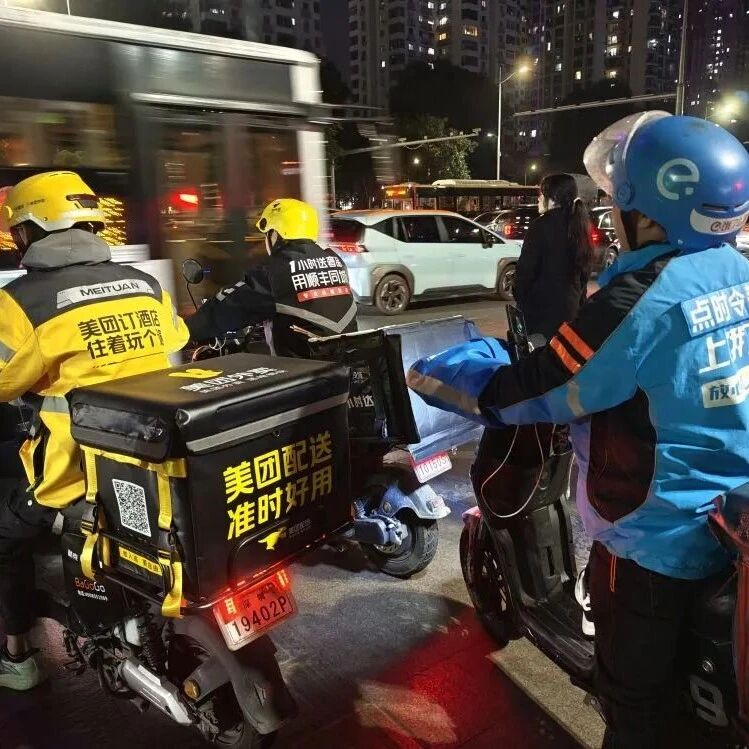
外卖大战烧钱千亿元:没有赢家的“内卷”
证券时报· 2025-12-05 00:23
Group 1 - The core viewpoint of the article is that the fierce competition among the three major platforms in the food delivery sector has resulted in significant financial losses, with a combined loss of nearly 80 billion yuan, indicating that there are "no winners" in this battle [1] - Meituan reported its largest loss since going public, Alibaba's operating profit plummeted by 85%, and JD's net profit was halved, highlighting the unsustainable nature of the current growth model driven by heavy subsidies and marketing [1] - Despite the losses, the competition has accelerated user habit formation and expanded instant retail from food delivery to a broader range of categories, with JD's active users surpassing 700 million and Alibaba's growth in various business lines [1] Group 2 - The article reflects on the strategic choices of Chinese tech companies, contrasting their focus on short-term delivery efficiency with the long-term investments made by overseas tech giants in AI and other advanced technologies [2] - While companies like Alibaba and Meituan have made some investments in AI, their overall contributions to foundational technologies and global breakthroughs remain insufficient compared to their spending in the local delivery market [2] - The "ceasefire" in the food delivery war signals a need for rationality, urging Chinese tech firms to redirect resources towards hard technology and innovation that will determine long-term competitiveness [2]