
小艺对话模型

Search documents
任正非谈AI:别盯着“发明”,要盯着“应用”
Sou Hu Cai Jing· 2025-12-11 10:12
Core Viewpoint - The discussion emphasizes the importance of AI applications in various industries and the need for innovation and challenges to drive progress in technology and education [1][2][3]. Group 1: AI and Technology Applications - AI is seen as crucial for transforming industries such as agriculture and manufacturing, with examples including optimizing iron production and enhancing coal mining safety through data collection and modeling [3][4]. - The use of AI in healthcare is highlighted, with models improving diagnostic capabilities in hospitals and remote areas [4]. - The potential for AI to automate processes in ports and mining operations is discussed, showcasing advancements in efficiency and safety [3][4]. Group 2: Education and Talent Development - The shift from traditional education to online learning is noted, allowing students in remote areas to access quality education [5][6]. - The importance of nurturing talent within China is emphasized, with a focus on creating a strong educational foundation to support technological advancements [7][8]. - The company recognizes the need for diverse pathways in education, encouraging students to pursue various career paths, including skilled labor in technology [9]. Group 3: Future of AI and Workforce - The discussion includes the anticipated impact of AI on job markets, with a need for re-education programs to help workers transition to new roles as automation increases [15][16]. - The company acknowledges the potential for AI to enhance productivity across sectors, leading to overall economic growth [16][24]. - The importance of collaboration between academia and industry is highlighted to ensure that technological advancements align with market needs [8][30]. Group 4: Global Collaboration and Innovation - The company emphasizes the value of international collaboration in scientific research and technology development, recognizing contributions from various countries [20][30]. - The need for an open approach to learning from global advancements is stressed, with a focus on integrating diverse knowledge and practices [30]. - The potential for breakthroughs in fields like quantum computing and AI is acknowledged, with a call for continued investment in research and development [25][27].
科技热点 | 全文!任正非对话ICPC优胜者,围绕AI未来、教育本质与青年成长【中国科讯】
Sou Hu Cai Jing· 2025-12-10 10:52
Core Insights - The discussion led by Ren Zhengfei emphasized the importance of education and the application of artificial intelligence (AI) in various industries, advocating for a focus on practical advancements in sectors like industrial and healthcare applications over the next three to five years [1][6][10]. Group 1: AI and Industry Applications - Ren highlighted the potential of AI in optimizing industrial processes, such as improving efficiency in iron smelting by 1% through better temperature control and material composition [6]. - The use of AI in healthcare was discussed, with examples like the application of large models in pathology to enhance diagnostic capabilities [7]. - The company is focusing on the application of AI in various sectors, including autonomous operations in mining and port management, showcasing advancements in technology that can lead to significant productivity improvements [6][9]. Group 2: Education and Talent Development - The dialogue underscored the need for educational reforms to cultivate talent capable of driving technological advancements, with a call for a shift from traditional educational models to more decentralized, online learning approaches [8][10]. - Ren emphasized the importance of nurturing local talent rather than solely relying on imported expertise, advocating for a strong educational foundation to support a technology-driven future [10][11]. - The company supports initiatives that help underrepresented regions improve their IT capabilities, focusing on teaching skills rather than providing direct solutions [7][10]. Group 3: Collaboration and Global Engagement - The meeting served as a platform for fostering connections between academia, industry, and international communities, with participants from over 30 countries sharing insights and experiences [3][4]. - Ren expressed the company's commitment to collaborating with educational institutions and international organizations to enhance global technological capabilities [3][29]. - The importance of cross-cultural exchanges and partnerships was highlighted as a means to drive innovation and progress in technology [13][29].


任正非最新讲话:涉及AI、教育、原创,信息量巨大
首席商业评论· 2025-12-08 05:01
Core Viewpoint - The discussion emphasizes the importance of education and AI in driving future industrial applications, with a focus on collaboration and the role of youth in shaping the future [3][5][6]. Group 1: AI and Industrial Applications - AI should focus on practical applications in industries such as manufacturing and healthcare over the next three to five years, enhancing efficiency and safety [7][8]. - Examples include optimizing iron production processes and improving coal mining safety through data-driven technologies [7][8]. - The use of AI in healthcare, such as pathology analysis and remote diagnostics, is highlighted as a significant advancement [8]. Group 2: Education and Youth Development - Education is seen as a critical foundation for innovation, with a call for a shift from traditional models to more decentralized, online learning approaches [10][12]. - The importance of nurturing talent within the country rather than solely relying on imported expertise is emphasized, advocating for a strong educational framework [12][13]. - The role of youth in driving societal progress is underscored, with encouragement for young individuals to embrace challenges and pursue their passions [19][20]. Group 3: Collaboration Between Academia and Industry - The necessity for closer collaboration between educational institutions and industries is stressed, with examples of successful partnerships leading to practical applications in competitions [15][16]. - The dialogue suggests that educational institutions should focus on fostering problem-solving skills relevant to current technological challenges [15][16]. Group 4: Future of Work and AI - The potential impact of AI on job markets is discussed, with a focus on the need for re-education and adaptation as automation increases [22][23]. - The conversation highlights the importance of preparing the workforce for a future where AI plays a significant role in various sectors, including transportation and healthcare [20][22]. Group 5: Global Perspectives and Innovations - The discussion acknowledges the contributions of various countries to technological advancements, emphasizing the importance of global collaboration in education and innovation [28][29]. - The potential for countries like Indonesia to leverage AI for local applications, such as port automation, is recognized as a pathway for development [30].

任正非:人工智能应聚焦未来三至五年产业应用,算力过剩时代一定会到来【附AI算力行业市场分析】
Sou Hu Cai Jing· 2025-12-08 04:12
Group 1 - The core viewpoint of the article emphasizes the rapid development of artificial intelligence (AI) and its potential to drive significant advancements in various industries within the next three to five years, particularly in industrial and medical applications [2] - Huawei is focusing on the practical applications of large models, big data, and computing power in agriculture, technology, and other sectors, aiming to enhance efficiency, such as improving blast furnace efficiency by 1% through optimized temperature control and material composition [2] - The article discusses the anticipated era of computing power surplus, where the focus should shift from concerns about computing shortages to how models can be beneficial to society, with an emphasis on the application of models across various industries [3] Group 2 - The distribution of computing resources in China shows an imbalance, with a surplus in the west and a shortage in the east, leading to the implementation of the "East Data West Computing" strategy to optimize resource allocation [5] - Regions such as Beijing-Tianjin-Hebei, Yangtze River Delta, Guangdong-Hong Kong-Macau Greater Bay Area, and Chengdu-Chongqing Economic Circle are noted for their advanced computing development levels [7] - The establishment of a comprehensive computing power standard system is deemed crucial for enhancing resource utilization efficiency and promoting a healthy development of the computing power market, as highlighted by experts [9]
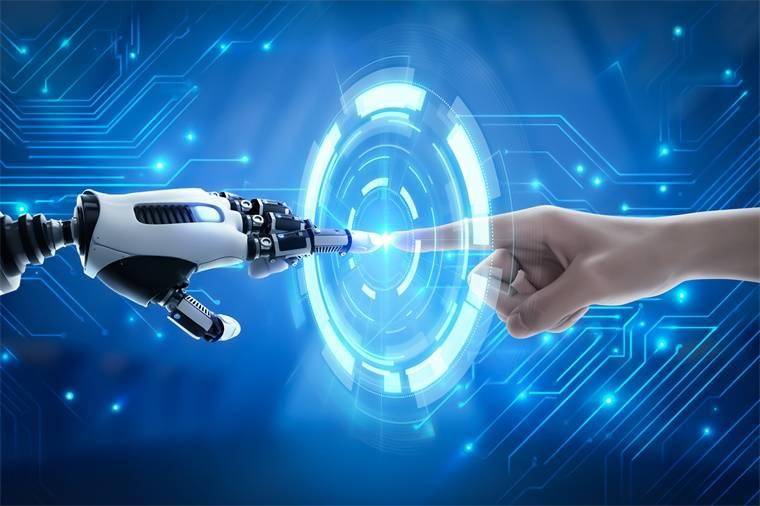
任正非最新发声,算力过剩的时代一定会到来的!现在最紧迫的不是在这个世界争夺算力和大模型的世界领先,而是强调“应用”领先
Sou Hu Cai Jing· 2025-12-06 12:47
Core Viewpoint - The discussion emphasizes the importance of youth in driving innovation and societal progress, particularly in the context of AI applications and entrepreneurship in China [3][4][15]. Group 1: Youth and Innovation - The company believes that the current generation of young people is a beacon of hope and a model for their peers, with diverse paths contributing to society [3][7]. - Encouragement is given to capable youth to pursue high aspirations rather than commercial paths, as they will eventually reach significant truths [3][14]. - The rapid growth of entrepreneurial spirit among Chinese youth is highlighted, with many forming partnerships to create successful companies [3][15]. Group 2: AI Applications - The focus should be on the application of AI rather than mere invention, as practical applications can significantly enhance national capabilities [4][10]. - The company is exploring AI applications in various sectors, including mining, healthcare, and transportation, aiming to solve real-world problems [4][10][17]. - Specific examples include using AI for predictive analytics in steel production and remote diagnostics in healthcare [10][17]. Group 3: Education and Talent Development - The company stresses the need for educational institutions to foster talent that can innovate rather than solely relying on imported expertise [11][20]. - There is a call for collaboration between academia and industry to address educational challenges and enhance talent cultivation [11][20]. - The importance of adapting educational approaches to meet the demands of a rapidly evolving technological landscape is emphasized [11][20]. Group 4: Future of Work and AI - Concerns about job displacement due to AI are acknowledged, with suggestions for re-education programs to help workers transition to new roles [20][21]. - The company anticipates a future where computational power will exceed current needs, allowing for extensive exploration of AI applications across industries [21][22]. - The distinction between scientific research and practical application is made, with the company positioning itself as a technology application firm rather than a scientific research entity [22][23]. Group 5: Global Collaboration and Talent Acquisition - The company recognizes the importance of attracting global talent while also valuing the contributions of returning overseas students [27][28]. - There is an emphasis on the need for openness and learning from global civilizations to enhance domestic innovation and quality [27][28]. - The company aims to create a platform for international collaboration, leveraging technology and mathematics to bridge gaps between different cultures and ideas [28].

任正非回答的18个问题,透露了什么信号?
是说芯语· 2025-12-06 08:06
Core Viewpoint - The true competitive advantage in the AI era comes from the ability to transform technological explosions into an increase in overall societal wealth through systemic capabilities [2]. Group 1: Importance of AI and Communication Infrastructure - AI holds a significant position within the company, but the current priority is on communication technologies (CT) such as radio, optical communication, core networks, and data communication, which are essential for transmitting data over long distances [2]. - The value of AI can only be realized through societal collaboration, leveraging each sector's strengths; without a robust network, AI remains an information island and cannot achieve true intelligence [2]. Group 2: Application vs. Invention - The focus of AI should be on application rather than invention; while IT companies contribute only 2% to humanity, AI's contribution to industries can reach 98% [5]. - The ongoing global competition in computing power and large models emphasizes that AI's value lies in its industrial applications rather than the models themselves [5]. Group 3: Education and Talent Development - The company emphasizes the need for re-education of surplus workers due to automation, transforming them into talents needed by the state, as AI contributes to an increase in national wealth [5][29]. - The shift from a centralized education model to a decentralized one through online learning is crucial for societal progress, allowing students in remote areas to access quality education [12]. Group 4: Future of AI and Workforce - The future of AI will likely lead to a surplus of labor, necessitating a national re-education program to transition displaced workers into new roles [29]. - The company anticipates that advancements in AI will significantly enhance productivity, with potential increases in output from 100 to 120 in automated environments [29]. Group 5: Global Collaboration and Innovation - The company recognizes the importance of global collaboration in education and technology, aiming to connect with various countries to foster talent and innovation [19][35]. - The company is committed to supporting educational initiatives that empower young talents, particularly in underdeveloped regions, to enhance their IT capabilities [11].

任正非:三、五年或者五至十年,中国会发生天翻地覆的进步
Xin Lang Cai Jing· 2025-12-05 15:24
Core Viewpoint - The discussion emphasizes the rapid advancements in AI and robotics in China, highlighting the potential for significant progress in the next three to five years, driven by the innovative spirit of Chinese youth and the increasing integration of AI in various industries [3][18]. Group 1: AI and Robotics Development - China has a million young people engaged in robotics, with substantial capital being invested to train them, contributing positively to the modernization of various sectors [3][18]. - The robotics industry is evolving rapidly, with small companies making significant strides, showcasing a future where robotics plays a crucial role [4][18]. - AI is expected to enhance productivity in industries such as agriculture and manufacturing, with examples of AI applications improving operational efficiency [7][26]. Group 2: Education and Talent Development - The importance of education in fostering innovation is highlighted, with a call for China to focus on creating talent domestically rather than solely relying on imported expertise [12][18]. - The shift from traditional education models to more decentralized, online learning platforms is seen as beneficial for improving educational access, especially in remote areas [10][14]. - The role of youth in driving societal progress is emphasized, with a focus on encouraging young people to pursue their ambitions without envy of others [18][19]. Group 3: Future Outlook and Challenges - The future of AI is viewed as uncertain, with predictions about its impact on society and the economy varying widely [11][24]. - The need for re-education programs to address job displacement caused by automation is acknowledged, suggesting a proactive approach to workforce development [25][26]. - The integration of AI in various sectors is expected to lead to increased overall wealth, but challenges remain in ensuring equitable distribution of this wealth [26][35].

任正非最新讲话!1.4万字全文,信息量很大!
新浪财经· 2025-12-05 10:55
Core Viewpoint - The discussion emphasizes the importance of education and AI in driving future industrial applications, with a focus on collaboration between academia and industry to foster innovation and talent development [2][4][12]. Group 1: AI and Industrial Applications - AI should focus on practical applications in industries such as agriculture and healthcare over the next three to five years, enhancing efficiency and safety [8][9]. - Examples of AI applications include optimizing iron smelting processes, remote coal mining operations, and improving diagnostic capabilities in healthcare through large models [8][9]. Group 2: Education and Talent Development - The need for educational reform is highlighted, advocating for a shift from traditional centralized education to a decentralized model that leverages online resources to improve access for remote areas [10][12]. - The importance of nurturing talent within the country rather than solely relying on imported talent is emphasized, with a call for educational institutions to focus on practical skills and real-world applications [12][26]. Group 3: Collaboration Between Academia and Industry - The dialogue stresses the necessity of collaboration between universities and industries to address the skills gap and enhance the quality of education in technology fields [15][16]. - Companies are encouraged to support educational initiatives that empower students and educators, particularly in underdeveloped regions, to improve their IT capabilities [10][12]. Group 4: Future of Work and AI - The impact of AI on job markets is discussed, with a focus on the need for re-education and skill development for workers displaced by automation [26][27]. - The potential for AI to enhance productivity across various sectors is acknowledged, with a vision for a future where AI applications are ubiquitous in industrial processes [26][27]. Group 5: Global Perspective and Cultural Exchange - The importance of cultural exchange and collaboration with international communities is highlighted, as it fosters innovation and understanding across borders [12][30]. - The role of women in technology and the need to encourage their participation in STEM fields is recognized as vital for future advancements [30].

任正非最新讲话,谈AI、教育话题,信息量很大!
Feng Huang Wang Cai Jing· 2025-12-05 10:08
Group 1 - The event highlighted the importance of connecting academia, industry, and young talent in the context of AI and technology challenges [1][2][3] - Huawei's focus is on applying large models and big data in various industries, including agriculture and mining, to enhance efficiency and safety [3][4] - The company emphasizes the role of AI in improving healthcare diagnostics and remote medical assistance [4][5] Group 2 - The discussion included the need for educational reforms to create a strong talent pool in technology, emphasizing the importance of teaching practical skills rather than just theoretical knowledge [8][10] - Huawei recognizes the significance of online education in democratizing access to quality learning resources, especially for remote areas [6][10] - The company aims to support initiatives that help underdeveloped regions improve their IT capabilities through training and resources [5][10] Group 3 - The future of AI is seen as a driving force for productivity improvements across various sectors, with predictions of significant advancements in the next three to five years [7][23] - The company is aware of the potential job displacement due to automation and emphasizes the need for re-education programs to transition workers into new roles [22][23] - Huawei is committed to fostering innovation and collaboration with educational institutions to bridge the gap between theoretical research and practical applications [12][28] Group 4 - The company acknowledges the rapid development of AI and its implications for various industries, including transportation and logistics, where AI can optimize operations [17][20] - Huawei is exploring the integration of AI in enhancing the safety and efficiency of high-speed rail systems [17][18] - The company is also interested in the potential of quantum computing, recognizing its future importance in various technological advancements [33][34]

任正非最新万字访谈,首次揭秘芯片生产“特种部队”
3 6 Ke· 2025-12-05 09:26
Core Insights - Huawei's CEO Ren Zhengfei emphasizes the importance of AI in solving real industrial problems over the next three to five years, highlighting a practical approach to AI development that contrasts with the theoretical focus seen in the U.S. [1] - The discussion reveals a shift in the aspirations of Chinese youth, who are increasingly opting for entrepreneurship over traditional high-paying jobs abroad, indicating a potential surge in innovation and progress in the coming years [1][2] - Ren notes that the future definition of "worker" will evolve, requiring highly educated individuals for advanced manufacturing and chip production roles [2] Group 1: AI and Industrial Applications - Huawei is focusing on applying large models, big data, and computing power to enhance efficiency in various industries, such as optimizing iron production and improving coal mining safety through data-driven methods [5][6] - The company is exploring AI applications in healthcare, such as using large models for pathology analysis to assist doctors in remote areas [6] - Ren predicts an era of surplus computing power, suggesting that the demand for computing resources will become non-linear, potentially disrupting existing technological paradigms [5][25] Group 2: Education and Talent Development - The company has actively recruited and trained graduates from remote areas, providing them with specialized certifications for roles in chip production and precision manufacturing [2][14] - Ren emphasizes the need for educational institutions to focus on innovation and research, while companies should translate these theories into practical applications [11][12] - The importance of nurturing talent within China is highlighted, as the country aims to become a technology powerhouse through its own educational advancements rather than solely relying on imported talent [11][12] Group 3: Global Perspectives and Collaboration - Ren acknowledges the benefits of talent development in the U.S. but stresses that the majority of Chinese companies have not faced sanctions like Huawei, allowing for continued growth and innovation [2][6] - The dialogue with international participants at the ICPC reflects a commitment to fostering global collaboration in technology and education, with Huawei supporting initiatives to elevate programming standards in underdeveloped regions [6][28] - Ren's insights on the differences in AI development focus between the U.S. and China underline the distinct approaches to addressing societal challenges through technology [1][22]