产业融合发展

Search documents
“美丽”产业扮靓乡村
Jing Ji Ri Bao· 2025-07-02 22:07
Core Viewpoint - Meiqi Village in Yixing, Jiangsu, has successfully developed a full industrial chain for edible roses, integrating tourism and agriculture through innovative technologies and marketing strategies [1][2]. Group 1: Industry Development - The village has cultivated 1,000 acres of the "Mo Hong" variety of edible roses, with an additional 20 acres of ornamental roses, yielding an annual production value of 2 million yuan from fresh flower petals [1]. - The village's transformation began in 2016, focusing on tourism and agriculture by hosting events like the Flower Field Light Art Festival, which stimulated the local tertiary industry [1]. - A modern processing plant for edible roses was established with an investment of over 20 million yuan, achieving six national patents and producing unique products such as rose fermentation tea and rose extract [1]. Group 2: Community Impact - Over 200 local villagers are now involved in the flower industry, transforming more than 500 local farmers into "flower farmers," resulting in an average annual income increase of nearly 30,000 yuan per person [2].
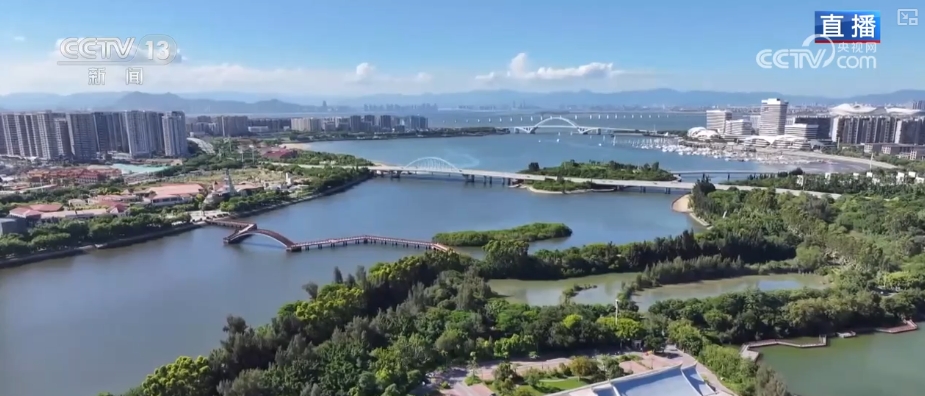
生态画卷展新“颜” 增“绿”生“金”点亮多样消费新场景
Yang Shi Wang· 2025-06-28 07:57
Group 1 - Xiamen is one of the first pilot cities for beautiful coastal areas in China, with a sea area exceeding 330 square kilometers [1] - Wuyuan Bay, covering an area of 10.76 square kilometers and a sea area of 17.05 square kilometers, is known as Xiamen's "new living room" due to its significant ecological restoration [1][3] - The area has transformed from a degraded tidal flat into a vibrant yacht industry hub, with over 100 yacht companies and an expected tourist count of over 1 million in 2024 [7] Group 2 - The ecological restoration efforts began in 2002, involving the removal of barriers to water exchange and the reclamation of approximately 100 hectares of land [9] - The inner bay's area increased from 1.12 square kilometers to 2.42 square kilometers, with tidal volume rising by about 5 million cubic meters and green coverage increasing from 5.4% to 13.8% [12] - Wuyuan Bay Wetland Park was established, enhancing habitats for wildlife and increasing biodiversity, including the establishment of a nature reserve for the endangered Chinese white dolphin [14][18] Group 3 - The area has seen the construction of 10 sewage treatment facilities to maintain water cleanliness [11] - A scenic 8-kilometer coastal walkway and a 1-kilometer golden coastline have been developed, promoting recreational activities [18] - The addition of 12 pocket parks in Huli District has increased community access to green spaces, enhancing residents' quality of life [20]

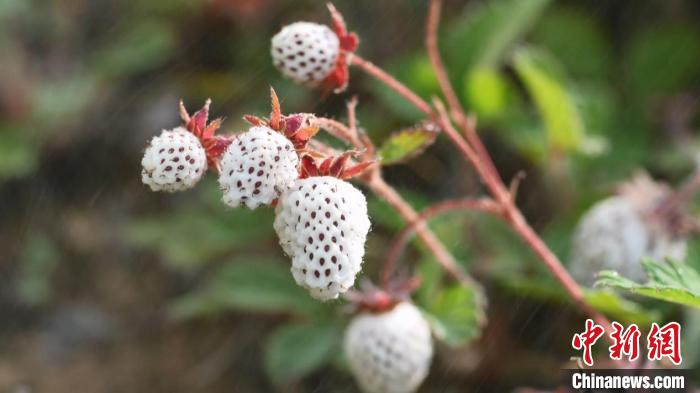
(乡村行·看振兴)陕西略阳:“小瓢儿”如何撬动亿元产业?
Zhong Guo Xin Wen Wang· 2025-06-24 02:17
Core Insights - The article highlights the development of the "Piao'er" industry in Lueyang County, Shaanxi Province, which has become a significant source of income for local farmers, achieving a total industrial output value of 120 million yuan by the end of 2024 [2]. Group 1: Industry Development - Lueyang County has established a complete industrial chain for the Piao'er industry, integrating planting, processing, and sales, which has absorbed a large number of rural laborers and improved employment quality through skills training, with over 10,000 related workers [5]. - The county has set up centralized sales points for Piao'er products, attracting numerous merchants and enhancing market presence [3]. Group 2: Economic Impact - Farmers in the region have reported an average annual income increase of over 2,000 yuan through various models such as labor, purchase, and profit-sharing, with plans to expand the planting area from 300 acres to 1,000 acres [2]. - The Piao'er industry has transformed from single crop cultivation to a diversified industrial integration, contributing significantly to local economic growth [2]. Group 3: Future Plans - The local government aims to optimize the industrial structure and enhance competitiveness by leveraging technology and market strategies, focusing on new variety breeding, brand building, and exploring sustainable development models [5].
宁夏葡萄酒产业综合产值达450亿元,为农户提供近13万个就业岗位 小葡萄“酿”出甜美生活(积极发展乡村富民产业)
Ren Min Ri Bao· 2025-06-12 22:02
Core Viewpoint - The development of rural industries aimed at increasing farmers' income is emphasized as a key strategy for rural revitalization, with a focus on high-quality growth and integration across the agricultural value chain [1]. Industry Development - The Ningxia grape wine industry has transformed from a survival-based model to a development-oriented one, with significant growth in vineyard area and production, reaching 606,000 acres and 140 million bottles in annual output, generating a total value of 45 billion yuan [2][3]. - The industry has created approximately 130,000 jobs and generated wage income of 1.22 billion yuan for local farmers [2]. Technological Advancements - The introduction of technology in grape cultivation has improved efficiency, with farmers using mobile apps to monitor soil conditions, leading to a 30% reduction in water usage and an increase in grape yield from 600 kg to 800 kg per acre [9]. - The digital transformation in the industry is expected to enhance traceability and quality assurance, with plans for a digital service platform that provides detailed information about wine production [9]. Brand Building and Marketing - The Ningxia wine industry has successfully established a brand identity, with over 60 wineries winning more than 1,800 awards in international competitions, accounting for over 60% of national awards [7][8]. - Innovative marketing strategies, including the development of convenient packaging and immersive wine culture experiences, have helped expand the consumer base and increase sales [7][8]. Economic Impact - The integration of wine production with tourism has turned villages into popular destinations, significantly boosting local economies and creating new business opportunities [10][11]. - The wine industry has led to a talent influx, with many young professionals returning to their hometowns to start businesses, contributing to a rise in average income for local residents [11].
长三角“搭桥”节水技术与场景市场 助供需双向奔赴
Zhong Guo Xin Wen Wang· 2025-06-10 15:48
Group 1 - The conference on water-saving technology innovation and industrial integration was held in Yiwu, Zhejiang, focusing on "water efficiency empowerment and green development" to promote high-quality development of the water-saving industry in the Yangtze River Delta region [1] - Over 120 water-saving technology and product supply companies participated, showcasing new technologies such as smart metering, intelligent leak detection valves, digital energy-saving pumps, and satellite leak detection for urban water supply networks [1] - Zhoushan, a resource-scarce city, is developing seawater desalination facilities to address water shortages, aiming for a total desalination capacity of 800,000 tons per day upon completion of new facilities [1] Group 2 - Donghai Group, a high-tech enterprise specializing in intelligent energy and resource metering management, is utilizing new technologies for leak detection and monitoring to help public pipeline operators save water resources [2] - Yiwu, facing water resource constraints with per capita water resources at one-fifth of the national average, has implemented reforms to enhance industrial water efficiency, achieving a 56% improvement in water usage efficiency since 2021 [2] - The Long Triangle Water-Saving Industry Innovation Development Alliance announced new members and released ten outstanding cases of water-saving innovation practices in the region [2]
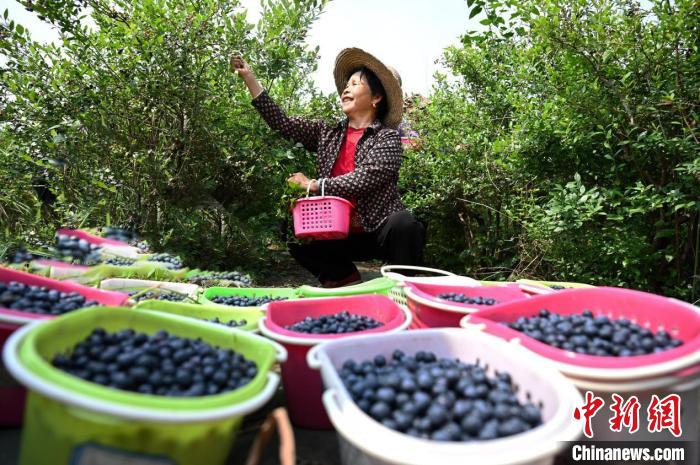
(乡村行·看振兴)江西靖安“小”浆果助绘乡村振兴“莓”好“蓝”图
Zhong Guo Xin Wen Wang· 2025-06-05 14:05
Core Viewpoint - The article highlights the successful development of the blueberry industry in Lian Tang Village, Jiangxi Province, as a key driver for rural revitalization and economic growth, benefiting local farmers and the community [1][4]. Group 1: Industry Development - The blueberry base has revitalized over 300 acres of idle rural land, planting more than 30,000 blueberry trees, with an annual production capacity of over 100,000 pounds of fresh blueberries [4]. - The integration of capital, industry, land, and labor through a "chamber of commerce + cooperative + farmer" model has created a community of shared interests, ensuring stable income for farmers and meeting labor demands for the base [4]. - The base has expanded its offerings to include deep processing of blueberries into products like blueberry wine and dried blueberries, enhancing the added value of the blueberries [4]. Group 2: Economic Impact - The local cooperative generates an annual income of 40,000 yuan for the village collective economy and supports over 70 surrounding households, with an average income increase of over 30,000 yuan per person [4]. - The blueberry industry has become a distinctive symbol of local revitalization and wealth generation, contributing to both ecological and economic benefits [4][5]. Group 3: Future Plans - There are plans to further develop a complete blueberry industry chain to promote high-quality development of rural pillar industries, aiming to increase income for more farmers [5].
长三角区域同步实现现代化的战略进路
Xin Hua Ri Bao· 2025-06-04 20:57
Core Viewpoint - The integration and modernization of the Yangtze River Delta region is a critical national strategy for achieving Chinese-style modernization and the great rejuvenation of the Chinese nation [1] Urban and Rural Development Planning - The Yangtze River Delta is one of China's most economically active and innovative regions, necessitating an overall plan for urban and rural development as a foundational project for modernization [2] - The region faces issues of urban concentration and uneven distribution, leading to "big city diseases" and "small city shrinkage," requiring a multi-layered network of regional centers [2] Industrial Development - The overall planning should focus on the integration of industrial and innovation chains, promoting collaborative development within urban clusters [3] - Different cities should specialize in distinct industries, such as Shanghai in financial technology, while rural areas should leverage ecological and agricultural strengths [3] Education, Technology, and Talent - The integration of education, technology, and talent is essential for reconstructing the innovation ecosystem, requiring a collaborative development system [4] - The region should establish a network for shared educational resources and collaborative research projects among universities [4] Talent Development - The Yangtze River Delta should optimize a flexible talent flow ecosystem, promoting cross-province mutual recognition of qualifications and implementing a "talent green card" system [5] - A unified talent evaluation standard and attractive policies are necessary to retain high-end talent [5] Integration of Industries - The integration of primary, secondary, and tertiary industries is crucial for creating a globally competitive industrial cluster [6] - Digital technology should empower agricultural modernization and enhance the manufacturing sector [7] Resource Allocation - Coordinated resource allocation in the Yangtze River Delta involves balancing development rights and protection responsibilities [8] - A unified planning and dynamic optimization system for resource allocation is needed to maximize efficiency and ensure equitable regional development [8] Comprehensive Modernization Strategy - Achieving synchronized modernization in the Yangtze River Delta requires a multi-faceted approach, including urban-rural integration, collaborative education and technology systems, industrial integration, and coordinated resource allocation [9]
易雪琴:从蜜雪冰城现象看产业融合新趋势
Sou Hu Cai Jing· 2025-04-26 05:19
Core Insights - The article highlights the successful IPO of Mixue Ice City, which has emerged as a leading brand in the tea beverage industry, generating over 20 billion yuan in annual revenue and redefining consumer trends in a competitive market [1][4]. Industry Overview - The tea beverage industry is entering a "micro-profit era," with Mixue Ice City carving out a niche by offering affordable products like 3 yuan ice cream cones and 4 yuan lemon water, thus establishing a significant market presence [1]. - The brand's success is attributed to its innovative approach to traditional industries and its ability to resonate with modern consumer preferences [1]. Business Model Innovation - Mixue Ice City exemplifies a paradigm shift in consumer value through industrial integration, utilizing a "reverse integration" model that connects agriculture, manufacturing, logistics, and retail [4][5]. - The company has developed the largest and most comprehensive supply chain in China's beverage industry, enhancing efficiency and quality control through self-built production bases and advanced logistics systems [5][6]. Consumer Engagement Strategies - The brand focuses on delivering high quality at competitive prices, creating a positive consumer experience that fosters loyalty and brand recognition [6][7]. - Mixue Ice City employs emotional marketing strategies, transforming its brand into a cultural symbol that resonates with consumers, thereby enhancing customer engagement [7][8]. Market Dynamics - The integration of consumer demands, technological advancements, and competitive pressures is driving the need for businesses to innovate and adapt [8][10]. - The article emphasizes the importance of a resilient supply chain and collaborative ecosystems to withstand market challenges and enhance competitive advantages [10][11]. Future Trends - The ongoing global industrial transformation is expected to lead to deeper market, chain, and value integrations across various sectors, creating new opportunities for brands like Mixue Ice City [12][13]. - The article suggests that companies must embrace digital transformation and cultural integration to thrive in an increasingly complex market landscape [19][20].