
医养结合

Search documents
“以医促养”还是“以养促养”:医疗保险与养老金的健康绩效比较
Hua Nan Li Gong Da Xue· 2026-01-26 05:40
Investment Rating - The report suggests a preference for "pension-led health promotion" over "medical insurance-led health promotion" for improving elderly health outcomes [1][3]. Core Insights - The empirical results indicate that pension income significantly enhances elderly individuals' subjective health, which in turn positively affects their physiological health. In contrast, medical insurance spending shows a significant negative correlation with both subjective and physiological health [1][3][11]. - The study advocates for a shift in China's health security system from a disease treatment focus to one that relies on pension funds to purchase elder care services, thereby improving the quality of life for the elderly [1][3]. Summary by Sections Introduction - As of 2018, the elderly population (aged 60 and above) in China reached 249 million, accounting for 17.9% of the total population. The basic pension insurance expenditure has increased from 312.2 billion yuan in 2003 to 4,755 billion yuan in 2018, reflecting a growth rate of 15% [1][3]. - The report highlights the increasing financial burden on families and the government due to rising pension and medical insurance expenditures, which are projected to continue growing rapidly [1][3]. Methodology - The study utilizes data from the China Longitudinal Healthy Longevity Survey (CLHLS) 2014, employing structural equation modeling to estimate the health outcomes associated with pension and medical insurance [5][6]. - The analysis includes subjective health assessments and physiological health indicators, with a focus on the mediating effects of living conditions, fruit intake, timely medical treatment, and economic status [5][11]. Results - The structural equation model indicates that pension income has a positive effect on subjective health (coefficient of 0.076) and a negative effect on physiological health (coefficient of -0.017), both significant at the 0.1% level. Conversely, medical insurance shows a negative correlation with both health measures [11][13]. - The path analysis reveals that pension income improves living conditions and dietary habits, which subsequently enhance both subjective and physiological health [11][15]. Conclusion - The findings suggest that pension income is more effective than medical insurance in promoting elderly health, emphasizing the need for policy adjustments to prioritize pension-led health strategies [1][3][11].
安徽:居民健康核心指标持续向好
Xin Hua Wang· 2026-01-25 01:46
Core Insights - The healthcare reform in Anhui province has significantly improved access to medical services, with a focus on a tiered diagnosis and treatment system that connects local patients with provincial experts [1][4] - The establishment of a comprehensive health service system for the elderly and children is progressing, with high rates of chronic disease management and a growing number of healthcare facilities [2][3] - The integration of traditional Chinese medicine into community health services is being emphasized, enhancing local healthcare offerings and promoting the preservation of traditional practices [3][4] Group 1: Healthcare Access and Reform - Anhui has launched a "three-level consultation and referral platform," allowing patients to connect with experts easily, resulting in 90% of county hospitals achieving tertiary service capabilities [1] - The province has built a network of 2,587 medical institutions for acute infectious disease monitoring, with a diagnostic report timeliness rate of over 99% [1] Group 2: Elderly and Child Health Services - The province has achieved a 96.8% rate of setting up geriatric departments in secondary and higher-level hospitals, with a total of over 80,000 medical and nursing beds available [2] - Community health services are actively managing chronic diseases, with over 75% of hypertension and diabetes patients receiving standardized management [2] Group 3: Integration of Traditional Medicine - All community health service centers and township hospitals in Anhui have established traditional Chinese medicine facilities, providing local access to services like acupuncture and massage [3] - The province is promoting the quality control of traditional medicine products through information traceability systems, enhancing the global reach of Anhui's traditional medicine brands [3]
北京两会|市人大代表刘芳:推广医养联动模式,破解三级医院床位紧张难题
Xin Lang Cai Jing· 2026-01-24 13:26
转自:北京青年报客户端 北京市十六届人大四次会议将于1月25日召开。1月24日上午,参加会议的市人大代表来到驻地报到。 作为医疗界代表,市人大代表、清华大学临床医学院教学办公室主任、北京清华长庚医院心血管中心刘芳教授今 年仍然非常关注医养结合问题。调研中,刘芳发现,一方面是三级医院的床位一床难求,一方面基层医院却存在 不饱和的情况,这导致了医疗资源的浪费。在刘芳看来,应该通过医养结合的方式将二者有机结合起来,让优质 的医疗资源下沉到基层医院,又充分利用起基层医院的空间资源。 如何推进医养结合?刘芳建议,可以通过托管、转诊等方式,比如她所在的北京清华长庚医院就与属地昌平区天 通苑北街道建立了"整合式区域健康医疗联合体",通过直管的方式指导社区卫生服务中心。"虽然是两个法人单 位,但是业务都是整合在一起的,我们的医生会定期去社区卫生服务中心出诊,也有专业的护理团队在那里服 务,实现了优质医疗资源的共享。"刘芳说。她认为,这样的方式值得进一步推广,一方面患有慢性疾病的老年人 可以得到很好的照顾,另一方面三级医院也能腾出空间将有限的医疗资源用于疑难病及危重症的救治。 编辑/李涛 责任编辑:姜泽菲(EK010) 文/北 ...

民生筑企|绥棱局公司 织密林区医疗网
Xin Lang Cai Jing· 2026-01-21 22:36
Core Viewpoint - The company is committed to enhancing healthcare services in the Suiling region by investing in the local hospital, focusing on patient needs and improving medical accessibility [1] Group 1: Investment in Healthcare - The company has increased funding for the Suiling People's Hospital, focusing on department construction, service upgrades, environmental improvements, and talent recruitment [1] - New medical departments such as gastroenterology, hemodialysis, and pain management have been established to meet urgent healthcare needs [1] Group 2: Patient-Centric Initiatives - The company has implemented a free registration policy to reduce the financial burden on patients [1] - New facial recognition payment systems have been introduced to streamline the payment process, enhancing efficiency in medical billing [1] Group 3: Future Plans - The company plans to deepen cooperation between the Suiling People's Hospital and its nursing home to create an integrated "medical and nursing" service model [1] - There will be a continued focus on strengthening department construction, technological upgrades, and service enhancements to ensure comprehensive healthcare coverage for the local population [1]
周口郸城:全方位布局托起“一老一小”幸福生活
Zhong Guo Xin Wen Wang· 2026-01-21 05:58
中新网河南新闻1月21日电 老有所养、幼有所育,关爱"一老一小",是关乎千家万户的民生大事,也是 衡量城市温度与发展质量的重要标尺。2025年以来,河南省周口市郸城县坚持以人民为中心,提出"处 处康养、片片学区"发展理念,从硬件设施升级到服务保障提质,全方位布局养老育幼服务体系,用实 打实的举措托起"一老一幼"稳稳的幸福,让夕阳更红、朝阳更艳。 "处处康养":让"银发时光"更有质感 "以前觉得在养老院只是凑合过日子,没想到在这里找到了伴儿,现在每天一起吃饭、散步,日子比蜜 还甜。"在汲冢镇敬老院,70岁的郑德喜与丁爱玲满脸洋溢着幸福笑容。同样在这里,七旬老人张文伟 与八旬老人王刘氏也喜结连理,安享晚年。这温馨的一幕,正是郸城县养老服务有温度、有质感的生动 写照。 近年来,郸城县始终坚持"党委领导、政府主导、部门联动、社会参与"的总体格局,将养老服务纳入经 济社会发展总体规划,出台一系列政策文件,建立养老服务联席会议制度,全县联动持续提升养老服务 专业化水平。同时,探索"公建民营、民办公助"模式,引进3家专业助餐公司运营社区助餐点,推动6家 养老机构取得医养结合资质,组织志愿者、社工常态化开展"送戏上门"等活动 ...
金融“活水”助力 养老机构提质升级
Xin Lang Cai Jing· 2026-01-17 00:13
Core Insights - The article highlights the importance of the aging population and the role of the nursing home industry in enhancing the quality of life for the elderly [1][2] - It emphasizes the financial support provided by Jiaxing Rongdan, which has been crucial for the development of the nursing home services [2] Group 1: Company Overview - Jiujiu Yijia Health Care Service Co., Ltd. operates under a "public-private partnership" model since 2020, focusing on community-based elderly care services [1] - The company integrates medical care with daily support, catering to government-subsidized elderly care services, thus becoming a vital part of the local elderly care system [1] Group 2: Financial Support and Impact - Since 2022, Jiaxing Rongdan has provided a total of 18.95 million yuan in financing guarantees to Jiujiu Yijia, facilitating the acquisition of medical rehabilitation equipment and upgrades to smart elderly care systems [2] - Over the past five years, Jiaxing Rongdan has supported 19 elderly care enterprises with over 150 million yuan in loan guarantees, covering various service types such as community care and rehabilitation [2] - Jiaxing Rongdan aims to continue empowering local elderly care institutions through favorable policies and effective financial services, contributing to the development of the "Zhejiang Elderly Care" initiative [2]
朝阳区医养结合试点今年再添3家
Xin Lang Cai Jing· 2026-01-15 19:28
Group 1: Urban Development and Infrastructure - Chaoyang District will advance key projects such as the second phase of the Pop Mart Park and the ecological enhancement of the Liangma River during the 14th Five-Year Plan period [1] - The Olympic Center will upgrade facilities and create three themed areas: a music area, a sports area, and a leisure area [1] - The district aims to enhance the connectivity and ecological quality of waterways, including the construction of a waterfront commercial street along the Beixiao River [1] Group 2: Cultural and Tourism Initiatives - Chaoyang District will continue to develop cultural tourism brand events, including the Beijing Chaoyang International Light Consumption Season and the Beijing Chaoyang International Tea Aroma Culture Week [2] - The district plans to explore the expansion of these events to areas like the Bahe and Beixiao Rivers, enhancing the overall cultural tourism experience [2] - There will be a focus on integrating various economic sectors, such as performance and sports economies, to stimulate the cultural tourism industry [2] Group 3: Healthcare Development - The district will create a 15-minute access to quality medical services and improve the distribution of healthcare resources [3] - Plans include the construction of community health service stations and the enhancement of traditional Chinese medicine services [3] - The district aims to strengthen pediatric care and improve access to healthcare for children through specialized medical networks [3] Group 4: Education and Employment Services - Chaoyang District will establish new educational facilities, adding 4,440 new school places by 2026 [4] - The district plans to create a "15-minute employment service circle" to provide job opportunities directly to residents [4] - Initiatives will include the construction of regional elderly care centers and the promotion of home-based elderly care services [4]
医养结合温暖“夕阳红”
Ren Min Ri Bao Hai Wai Ban· 2026-01-12 22:49
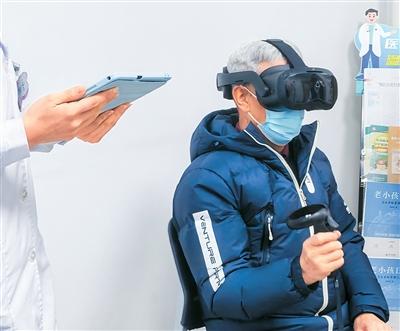
Core Insights - Beijing's elderly population aged 60 and above is projected to reach 5.14 million by the end of 2024, accounting for 23.5% of the total population, marking a significant milestone as it surpasses 5 million for the first time [1][12] - The city has established a comprehensive elderly health service system during the 14th Five-Year Plan period, enhancing the sense of access and happiness for elderly patients [1][12] Group 1: Health Management System - Beijing has designated the Beijing Geriatric Hospital as the city-level center for elderly health and integrated medical care, with each district selecting a tertiary hospital as a district-level guidance center [2] - There are 1,993 community health service centers operating in the city, which are expected to provide 52.02 million elderly consultations in 2024, representing 56% of the total consultations in community health service institutions [2][4] - The elderly population has a high prevalence of chronic diseases, necessitating long-term care and regular follow-ups, which are facilitated by the community health service centers [2][4] Group 2: Integrated Medical and Elderly Care - Beijing has developed a multi-faceted model of integrated medical and elderly care, including various cooperation models such as "medical care for the elderly" and "elderly care for medical services" [6][15] - The city has established 203 integrated medical and elderly care institutions, achieving full coverage of medical services in elderly care facilities through over 1,300 signed agreements [6][15] - The Fengtai District has implemented a comprehensive service system focusing on different elderly health stages, providing home-based and signed services for the elderly with high needs [6][15] Group 3: Community-Based Initiatives - The Tongzhou District has introduced a dual medical and elderly care joint system, integrating resources from community health service centers and elderly care institutions to provide comprehensive services [7] - The district has also implemented a "five-bed linkage" service model to facilitate seamless transitions between various types of care beds, ensuring zero barriers in service delivery [7] - Community health advisors are selected to coordinate care for elderly individuals, particularly those living alone or with disabilities, enhancing accessibility to necessary medical services [7][16] Group 4: Innovative Health Solutions - The memory clinic at the Anzhen Community Health Service Center focuses on early screening and diagnosis of dementia, utilizing methods such as medication and electronic training to prevent and delay disease progression [8][10] - Virtual reality (VR) training is employed to improve cognitive functions in elderly patients, with significant progress reported in their abilities to complete tasks and engage in memory exercises [9][10] - The clinic has established a comprehensive management model that includes screening, diagnosis, rehabilitation, and follow-up care for elderly patients with cognitive impairments [10]
多措并举,始终将百姓健康需求“置顶”
Xin Lang Cai Jing· 2026-01-12 21:04
Core Viewpoint - The healthcare system in Jiangsu has significantly improved during the "14th Five-Year Plan" period, enhancing accessibility and quality of medical services for residents, particularly in community healthcare settings [1][17]. Group 1: Healthcare Accessibility - Jiangsu has focused on strengthening county-level hospitals, with 84.5% of county hospitals upgraded to tertiary hospitals, and 95% of patients now receiving care within their counties [2][3]. - The establishment of 256 internet hospitals aims to provide convenient online medical services, with a target of serving over 50 million people by 2025 [6]. - The implementation of a policy allowing patients to revisit the same department within three days without re-registering has streamlined the healthcare process [6]. Group 2: Quality of Medical Services - Investment of 4.1 billion yuan has been directed towards developing 16 high-level hospitals, enhancing specialized medical capabilities in areas such as lung transplants and critical care [3]. - The introduction of advanced medical technologies, such as the world's first Y-90 microsphere treatment for liver cancer, showcases the integration of cutting-edge procedures into local healthcare [2]. Group 3: Community Health Management - Jiangsu has shifted from single diagnosis to comprehensive health management, exemplified by personalized health services provided by family doctors [3]. - The establishment of 120 chronic disease screening and prevention centers has improved early detection and management of conditions like hypertension and diabetes [4]. Group 4: Elderly and Child Healthcare - The province has implemented priority services for elderly patients, including zero-waiting times for those over 80 years old, enhancing their healthcare experience [5][8]. - The development of a robust pediatric healthcare network allows children to receive timely treatment for common illnesses at local facilities [11]. Group 5: Traditional Chinese Medicine (TCM) - Jiangsu has achieved full coverage of community TCM clinics, with 352 clinics established, reflecting a significant increase in TCM services [14]. - The integration of TCM into the healthcare system has been supported by training programs for local practitioners, ensuring high-quality care is accessible [15][16].
以民生为笔描绘青海“十五五”温暖底色
Xin Lang Cai Jing· 2026-01-12 19:03
Core Viewpoint - The 20th Central Committee's Fourth Plenary Session emphasizes improving the quality of people's lives as a primary goal for the 14th Five-Year Plan period, guiding Qinghai's development towards a modernized society that resonates with public welfare [1] Group 1: Strengthening the Foundation of People's Livelihood - Qinghai aims to enhance infrastructure and long-term guarantees to solidify the foundation for a happy life, transitioning from merely addressing shortcomings to improving quality and efficiency in public services [1][2] - Past initiatives, such as road expansions and health facility upgrades, have transformed struggling areas into model communities, highlighting the importance of infrastructure in enhancing public welfare [1][2] Group 2: Enhancing Governance Effectiveness - The focus is on improving soft power and service quality to enrich the new connotations of happiness, shifting public expectations from mere availability to quality of services [2][3] - Initiatives like the "Pomegranate Seed Home" brand in communities aim to strengthen ethnic unity and integrate traditional medicine into healthcare, promoting social harmony and health security [2][3] Group 3: Innovative Grassroots Governance - A system combining party leadership, multi-party cooperation, and digital empowerment is being developed to enhance community governance and responsiveness to public needs [3] - The establishment of a comprehensive governance platform aims to foster a community culture that embraces diversity and cooperation [3] Group 4: Activating Circular Economic Dynamics - The integration of economic development and public welfare is seen as essential, with examples of local communities achieving economic success through specialized industries [3][4] - Future strategies will focus on ensuring that development outcomes benefit public welfare and that improvements in public welfare stimulate further economic growth [3][4] Group 5: Industry Empowerment for Public Welfare - The creation of an "ecological + characteristic + brand" industry system is prioritized, with a focus on developing eco-tourism and regional public brands to enhance sales channels [4] - The aim is to transform health, stability, and talent benefits from mere guarantees into value outputs, thereby converting public welfare advantages into core competitive strengths for regional development [4]