
数据要素市场化配置改革

Search documents
构建数商生态,打造交流平台,2025全球数商大会在沪举行,数据要素成果集中亮相
Di Yi Cai Jing· 2025-11-25 15:20
Core Insights - The 2025 Global Digital Business Conference was held in Shanghai, focusing on the theme "Connecting the World through Data, Business for the Future - Infinite Multipliers" [1] - The conference aimed to promote the market-oriented allocation of data elements and the innovative application of digital technologies, contributing to the construction of a data ecosystem [1][3] Event Structure - The conference featured four main segments: meetings, business transformation, diverse exhibitions, and application experiences, with over 400 participating digital business enterprises and 41 organized activities [3] - A total of 70 industry information releases, including research reports and industry standards, were presented during the event [3] Key Achievements - The Shanghai Data Bureau released several significant outcomes, including the establishment of a blockchain innovation fund aimed at enhancing the digital economy's high-quality development [6] - The National Data Group Alliance, formed at the previous conference, reported its annual achievements, growing to 37 member units and playing a crucial role in promoting the market-oriented reform of data elements [6] Innovation and Collaboration - The conference introduced a competition format, featuring the national finals of the "Data Elements ×" competition, and highlighted the importance of data circulation safety governance through case studies [3][4] - Various interactive platforms were established to facilitate business transformation, including "Data Business Roadshows" and "Commercial Matchmaking" to ensure precise alignment of high-value data products with market demands [9] Expert Contributions - Notable speakers included academicians and industry experts from over 10 countries, discussing topics such as urban governance innovation and the role of data and AI in digital transformation [4]
数据要素市场化改革深化价值加速激活
Zheng Quan Ri Bao· 2025-11-23 17:05
本报记者 田鹏 近日,国家数据局党组书记、局长刘烈宏赴天津市调研时表示,要持续推进数据要素市场化配置改革,加快汽车等行业可 信数据空间建设,加大数据应用场景培育力度,全面激活数据要素价值,有效赋能城市全域数字化转型。 自2020年4月份《中共中央 国务院关于构建更加完善的要素市场化配置体制机制的意见》出台以来,我国数据要素市场化 配置改革持续推进,在制度保障、基础设施等方面已取得初步成效。不过,在实践中,数据产权界定、数据交易壁垒与市场分 割、"数据孤岛"等问题仍然待解。 受访专家表示,未来需聚焦制度完善、市场培育、技术创新与生态构建,通过明确数据产权规则、健全交易标准、攻坚关 键技术、强化安全治理等措施,扩大数据供给,培育应用场景,完善基础设施,破解数据流通堵点,全面激活数据要素价值。 今年以来,我国数据要素市场化配置改革加速进入深化阶段,各地各领域围绕数据供给、流通、应用全链条推出一系列新 举措,创新实践持续涌现。 首先,法律政策框架的不断完善为数据要素市场化提供了坚实保障。从国家层面来看,今年8月1日起,《政务数据共享条 例》正式施行。这是首次以专门立法形式明确政务数据共享的范围、责任与流程,破解了长期 ...
国家数据局党组书记、局长刘烈宏赴天津市开展调研
Zheng Quan Shi Bao Wang· 2025-11-22 10:45
Core Points - The article discusses the visit of Liu Liehong, the head of the National Bureau of Statistics, to Tianjin, where he emphasized the importance of implementing the spirit of the 20th National Congress of the Communist Party of China [1] - Liu highlighted the need for market-oriented reforms in data resource allocation and the construction of trusted data spaces in industries such as automotive [1] - The focus is on enhancing the digital transformation of cities through effective utilization of data elements and promoting international cooperation in the digital economy [1] Group 1 - Liu stressed the importance of advancing the market-oriented allocation of data elements and accelerating the construction of trusted data spaces in industries like automotive [1] - There is a call to enhance the monitoring and scheduling of computing power, as well as to enrich computing power products and application scenarios [1] - The article mentions the need for better connectivity of data infrastructure and the promotion of artificial intelligence ecosystems internationally [1] Group 2 - Liu emphasized the significance of implementing the outcomes of the Shanghai Cooperation Organization (SCO) Tianjin Summit and building the China-SCO Digital Economy Cooperation Platform [1] - The article outlines plans to strengthen exchanges and cooperation with SCO member states, aiming to develop notable projects and "small but beautiful" livelihood projects in the digital economy sector [1] - Continuous progress and achievements in international cooperation within the digital economy are highlighted as key objectives [1]
广东明确3年内数字经济创新发展试验区建设目标:打造3个万亿级集群 AI核心产业规模超4400亿元
Zheng Quan Shi Bao· 2025-11-21 00:44
Core Insights - The Guangdong Provincial Government has officially issued the "Guangdong Province National Digital Economy Innovation Development Pilot Zone Construction Plan (2025-2027)", aiming to establish Guangdong as a leading global digital economy hub by 2027 [1] - The plan sets specific targets, including maintaining the highest digital economy development level in China, with the core digital economy industry accounting for over 16% of GDP, and creating three trillion-level digital industry clusters [1][2] Summary by Sections Digital Economy Development Goals - By 2027, the digital economy's core industry added value is expected to exceed 16% of GDP, with an annual compound growth rate of over 15% for the data industry [1] - The artificial intelligence core industry scale is projected to exceed 440 billion yuan, and over 60,000 large-scale industrial enterprises are expected to undergo digital transformation [1] Key Tasks for Implementation - **Data Element Marketization Reform**: Focus on enhancing the supply of core elements and ensuring effective data flow and utilization [1] - **Infrastructure Optimization**: Establish a reliable data circulation network and a green collaborative computing network [1][2] - **Core Technology Breakthroughs**: Promote innovations across the entire digital industry chain, from data to terminal [2] - **Digital Transformation**: Accelerate the digital upgrade of traditional enterprises and emphasize the role of artificial intelligence [2] - **Digital Economy Vitalization**: Support the establishment of digital finance investment funds and encourage state-owned enterprises to invest in the digital economy [2] - **Collaborative Development**: Enhance cooperation within the Guangdong-Hong Kong-Macao Greater Bay Area and promote international collaboration [2]
广东明确3年内数字经济创新发展试验区建设目标 打造3个万亿级集群 AI核心产业规模超4400亿元
Zheng Quan Shi Bao· 2025-11-20 18:31
Core Viewpoint - The Guangdong Provincial Government has officially issued the "Guangdong Province National Digital Economy Innovation Development Pilot Zone Construction Plan (2025-2027)", aiming to establish Guangdong as a leading global digital economy hub by 2027 and to make the Guangdong-Hong Kong-Macao Greater Bay Area the highest digitalized bay area in the world [1][2] Summary by Sections Development Goals - By 2027, Guangdong aims to maintain the top position in digital economy development in China, with the core industries of the digital economy accounting for over 16% of GDP, the creation of three internationally competitive trillion-level digital industry clusters, and a data industry scale with an annual compound growth rate exceeding 15% [1] - The core industry scale of artificial intelligence is expected to exceed 440 billion, with over 60,000 large-scale industrial enterprises undergoing digital transformation and computing power exceeding 60 EFLOPS [1] Key Tasks - **Data Element Marketization Reform**: Focus on market-oriented allocation of data elements, enhancing the supply of core elements, and ensuring effective data flow and utilization [1] - **Infrastructure Optimization**: Strengthen the foundational infrastructure for digital economy development through the establishment of reliable data circulation networks and green collaborative computing networks [1][2] - **Core Technology Breakthroughs**: Accelerate breakthroughs in key technologies to foster international-level digital industry clusters, promoting innovation across the entire digital technology chain [2] - **Digital Transformation Promotion**: Advance the digital transformation of enterprises and industries, emphasizing the role of artificial intelligence in enhancing various sectors [2] - **Digital Economy Vitalization**: Support the establishment of digital finance investment funds and encourage state-owned enterprises to engage in digital economy investments [2] - **Collaborative Development**: Enhance cooperation within the Guangdong-Hong Kong-Macao Greater Bay Area and promote high-level open cooperation to elevate the province's digital economy collaboration and openness [2]
2025全球数商大会即将在沪启幕 四大板块六大亮点勾勒数字未来
Sou Hu Cai Jing· 2025-11-18 05:39
Core Points - The 2025 Global Digital Business Conference will be held from November 25 to 26 in Shanghai, focusing on building a high-level cooperation platform for the global digital economy [1][2] - The conference will feature a new structure with four main components: conference, business, exhibition, and application, aiming to enhance collaboration and showcase digital economy innovations [1] Group 1 - The theme of the conference is "Connecting Global Business for a Boundless Future," emphasizing the market-oriented reform of data elements [1][2] - The conference will include a multi-layered exchange format with main forums, thematic forums, and closed-door meetings, promoting in-depth discussions [1] - A "2+365" service model will be introduced to create a continuous collaboration platform, ensuring ongoing engagement beyond the event [1] Group 2 - Six highlights of the conference include the integration of competitions, the release of over 70 important research results and industry standards, and a focus on cutting-edge technologies like blockchain and privacy computing [1] - The event aims to strengthen global cooperation and promote deep exchanges in the digital economy, contributing to the national integrated data market [2] - Shanghai's strategy includes transforming data resources and application scenarios into new drivers for enhancing urban capabilities and competitiveness [2]
利好!北京重磅发布!
Zheng Quan Shi Bao· 2025-11-09 05:44
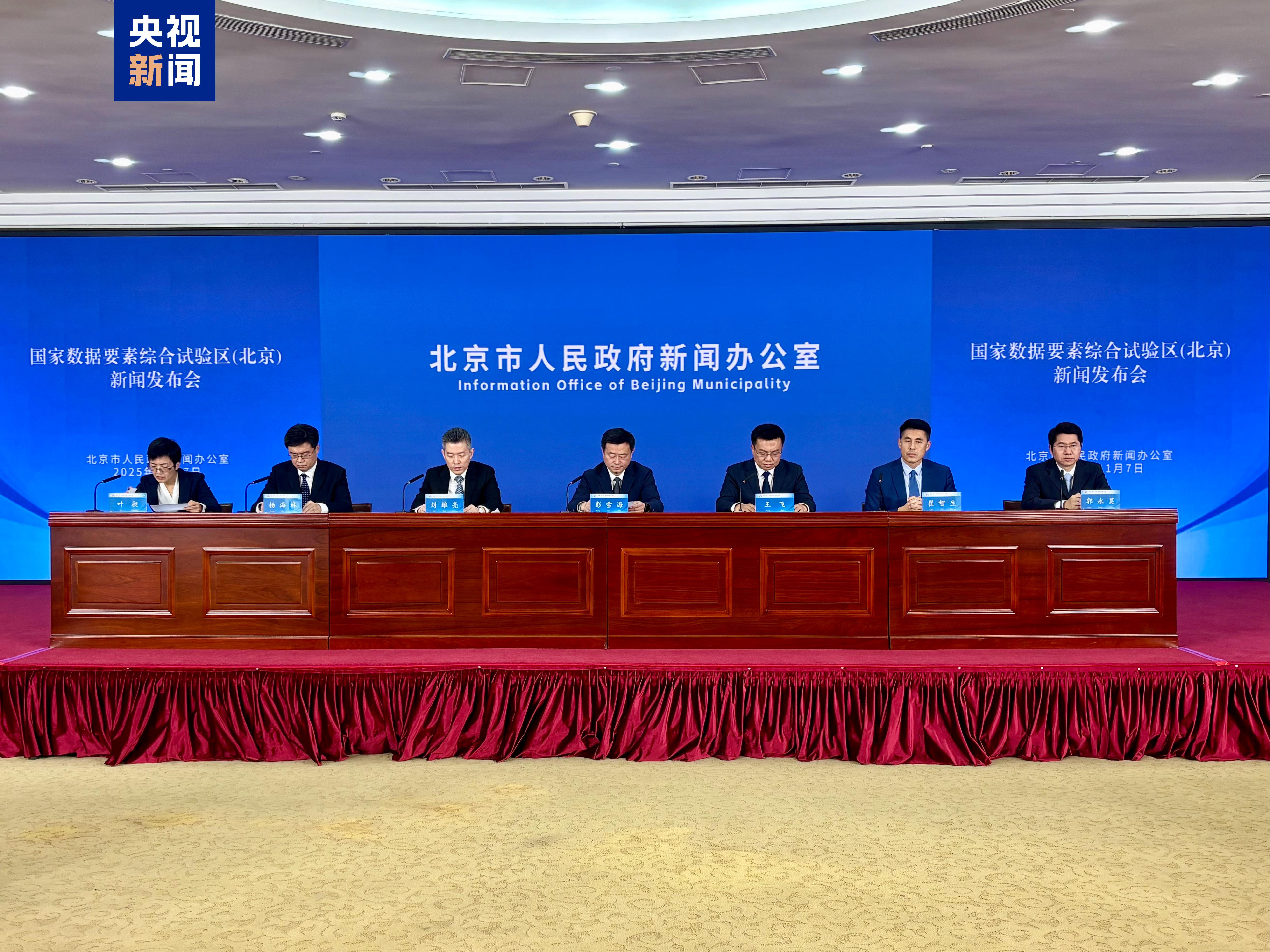
Core Viewpoint - The Beijing Municipal Government has issued implementation opinions to establish a comprehensive data element pilot zone, aiming to deepen the market-oriented reform of data element allocation, enhance data infrastructure, and promote high-quality economic and social development by 2029 [1][4][6]. Group 1: Overall Requirements - The implementation opinions emphasize the importance of data element market-oriented allocation reform, integrating data development and security, and establishing a robust data infrastructure and system [5][6]. Group 2: Strengthening Data Element Basic Environment - The plan includes establishing a structured data property rights system, encouraging data reuse and innovation, and enhancing data security governance [7]. - It aims to deploy advanced data infrastructure, including the construction of a high-speed, efficient, and secure data infrastructure system [8]. Group 3: Expanding Data Resource Supply - The initiative promotes the development and utilization of public data resources, enhancing data sharing and quality assessment mechanisms [9]. - It encourages enterprises to build data resource systems and improve data governance capabilities [10][11]. Group 4: Promoting Multi-level Data Resource Circulation - The establishment of a national-level data exchange is supported, enhancing the functionality of the Beijing International Big Data Exchange and creating a unified national data market [13]. - The plan encourages the development of various data circulation models, including data asset securitization and data credit [14]. Group 5: Facilitating Data Application in Various Scenarios - The initiative aims to drive comprehensive digital transformation in urban areas, focusing on smart city construction and various data application scenarios [16][18]. Group 6: Strengthening Data Security Assurance - The plan emphasizes the establishment of a data security governance mechanism and the enhancement of data security technology capabilities [19][20]. Group 7: Developing Data Element Ecosystem - The initiative includes the establishment of a data technology innovation system and a data service system to resolve disputes and enhance legal services related to data elements [21][22]. Group 8: Implementation Measures - The plan outlines the need for strong organizational implementation, talent development, and policy support to ensure the successful execution of the data element market-oriented reform [25][26][27].
利好!北京重磅发布!
证券时报· 2025-11-09 05:40
Core Viewpoint - The article discusses the implementation of the "Implementation Opinions on Building a Comprehensive Data Element Pilot Zone and Deepening the Market-oriented Allocation Reform of Data Elements" by the Beijing Municipal Government, aiming to enhance data resource management and promote high-quality economic development through a structured data ecosystem [1][5]. Group 1: Overall Requirements - The main focus is on market-oriented reform of data elements, ensuring the integration of data development and security, and establishing a robust data infrastructure by 2027 and 2029 [6][1]. - By 2027, the goal is to achieve a well-functioning data infrastructure and significantly enhance the supply of high-quality data resources [6][1]. - By 2029, the aim is to enable orderly circulation and efficient allocation of data elements, fostering innovation and digital transformation across the city [6][1]. Group 2: Strengthening Data Element Foundation - Establish a comprehensive data property rights system to encourage data reuse and innovation, while enhancing data security governance [7]. - Develop a high-speed, efficient, and secure data infrastructure, including the deployment of IPv6 and the establishment of a collaborative data circulation network [8]. Group 3: Expanding Data Resource Supply - Promote the development and utilization of public data resources, ensuring quality and accessibility through improved governance mechanisms [10]. - Encourage enterprises to enhance their data governance capabilities and facilitate data sharing among industry leaders and small businesses [11]. Group 4: Promoting Data Resource Circulation - Support the Beijing International Big Data Exchange in enhancing its functionality and establishing a comprehensive data trading ecosystem [13]. - Encourage the development of various data trading models, including data asset securitization and data credit [14]. Group 5: Facilitating Data Application - Drive the digital transformation of the city through smart city initiatives and the promotion of data-driven applications across various sectors [16]. - Establish a public data training base to support the integration of data, computing power, and algorithms [17]. Group 6: Ensuring Data Security - Implement a robust data security governance mechanism, including the establishment of a regulatory sandbox to foster innovation while ensuring safety [18]. - Enhance data security technology capabilities, focusing on privacy computing and blockchain applications [19]. Group 7: Developing Data Ecosystem - Create a collaborative mechanism for data technology innovation, addressing key technical challenges in data management and utilization [20]. - Support the establishment of specialized data service centers to enhance the legal and operational framework for data transactions [22]. Group 8: Implementation and Support Measures - Establish a leadership mechanism for data work and a monitoring system for data market evaluation [24]. - Strengthen talent development in the data sector through partnerships with educational institutions and industry [25].


北京前三季度数字经济增加值增速达9%
Yang Shi Xin Wen· 2025-11-07 08:37
Core Insights - The digital economy in Beijing has shown a growth rate of 9% in the first three quarters of this year, with the core digital economy industries growing at 10.7% [1][5] - The implementation opinions released aim to establish a comprehensive data factor pilot zone, focusing on market-oriented data allocation reforms while ensuring data development and security [1][5] Summary by Sections - **Digital Economy Growth** - Beijing's digital economy increased by 9% in the first three quarters of the year [1] - The core industries within the digital economy experienced a growth rate of 10.7% [1] - **Implementation Opinions** - The document outlines plans to build a national data management center, resource center, and circulation transaction center [1] - By 2027, the goal is to achieve a positive interaction between data infrastructure construction and practical exploration, with pilot tasks completed in Beijing [5] - By 2029, the aim is for data factors to flow smoothly and be efficiently allocated, becoming a new competitive advantage for the city [5] - **"243" Framework for Pilot Zone Construction** - The framework includes two foundations: data infrastructure and data systems [5] - It aims to connect four aspects: data supply, circulation, application, and security [5] - The goal is to create three systems: data technology innovation, factor services, and industrial development [5]
信长星刘小涛与国家数据局局长刘烈宏举行工作会谈
Xin Hua Ri Bao· 2025-11-04 12:11
Core Points - The meeting held on November 4 between Jiangsu provincial leaders and the head of the National Data Bureau focused on advancing digital economy initiatives in Jiangsu [1] - Jiangsu is committed to implementing the strategic deployment from the 20th Central Committee's Fourth Plenary Session, emphasizing digitalization, networking, and intelligence [1] - The province aims to deepen the market-oriented reform of data elements, cultivate digital industry clusters, and fully implement the "Artificial Intelligence+" initiative [1] - The National Data Bureau expressed support for Jiangsu's efforts in digital economy development and highlighted the province's successful experiences in digital transformation [1] Summary by Categories Government Initiatives - Jiangsu is focusing on the strategic deployment from the 20th Central Committee's Fourth Plenary Session to enhance digital economy development [1] - The province plans to deepen data element market-oriented reforms and promote the growth of digital industry clusters [1] Digital Economy Development - Jiangsu is implementing the "Artificial Intelligence+" action to empower economic and social development through smart technologies [1] - The National Data Bureau acknowledged Jiangsu's positive trends in digital economy and its innovative practices such as "smart transformation and digital connection" [1] Collaboration and Support - Jiangsu leaders expressed gratitude for the National Data Bureau's support and emphasized the importance of collaboration in building a digital China [1] - The National Data Bureau committed to actively supporting Jiangsu in its pioneering efforts and ensuring the province remains at the forefront of high-quality development [1]