海洋生态保护

Search documents
锚定“人海和谐”建设海洋生态
Jing Ji Ri Bao· 2025-09-17 22:07
Core Viewpoint - The Guangdong-Hong Kong-Macao Greater Bay Area has made significant progress in marine ecological construction, serving as a model for sustainable development and harmonious coexistence between humans and nature [1][2]. Group 1: Marine Ecological Status - The overall marine ecological condition in the Greater Bay Area is stable and improving, with coral reefs and mangrove ecosystems primarily rated as good [1]. - The Zhuhai area has restored 3.9 kilometers of damaged coastline, re-greened 5 hectares of slopes, and 24 hectares of bare land, increasing forest coverage to 64% [1]. - The population of the Chinese white dolphin in the Pearl River Estuary has remained stable at approximately 2,600 individuals from 2017 to 2021, indicating effective protection of rare species [1]. Group 2: Challenges and Strategies - The Greater Bay Area faces challenges such as inadequate collaborative governance mechanisms, conflicts between development and protection, and insufficient technological support for governance [2]. - A multi-governance approach is necessary to establish a collaborative governance mechanism for marine ecology, integrating land and sea management and promoting regional cooperation [3]. Group 3: Development and Protection Balance - Emphasizing the dual focus on development and protection, the area aims to create a green and low-carbon development model for marine ecology [3]. - Strict limitations on development activities in ecologically fragile areas and the implementation of pollution control measures are essential for sustainable marine resource management [3]. Group 4: Technological Innovation - The "Technology-Driven Ocean" strategy aims to leverage technology for marine ecological protection, utilizing observation, simulation, and prediction to monitor environmental changes [4]. - Advanced technologies such as AI, drones, and satellites will be employed to dynamically monitor the status of marine rare species and ecosystems, supporting the construction of a "smart ocean" in the Greater Bay Area [4].
智库共探中国东盟蓝色经济合作
Zhong Guo Xin Wen Wang· 2025-09-17 20:26
Core Viewpoint - The China-ASEAN 2025 Think Tank Forum held in Haikou focuses on building a blue partnership between China and ASEAN countries, emphasizing cooperation in blue economy sectors such as marine renewable energy, sustainable fisheries, and marine biomedicine [1][2]. Group 1: Blue Economy Cooperation - Experts suggest that China and ASEAN countries should engage in substantial blue economy cooperation, promoting joint research and industrial investment in marine renewable energy, sustainable fisheries, and marine biomedicine [1]. - A proposed "China-ASEAN Blue Economy Industrial Park" aims to enhance regional marine governance and facilitate experience sharing in coastal management and marine spatial planning [1]. Group 2: Framework for Collaboration - A common blue economy framework is recommended, focusing on five key areas: economic development and trade connectivity, energy security and climate change response, food security and sustainable fisheries, innovation, technology and digitalization, and marine environmental protection [1]. - The collaboration between China and ASEAN in marine ecological protection has already begun, with projects like the marine ranching initiative between China and Indonesia, which includes artificial reefs and intelligent monitoring [1][2]. Group 3: Regional Synergies - The blue economy roadmap developed by Indonesia aligns well with the development strategies of Hainan Free Trade Port in areas such as marine science, aquaculture, and renewable energy, suggesting potential for joint ventures in seafood value chains and green marine fuel research [2]. - Strengthening technical cooperation and legal frameworks is essential to enhance communication security in the South China Sea, particularly concerning undersea cables vulnerable to natural disasters and fishing activities [2].
“十四五”答卷·科技支撑强国建设丨科技谱写向海图强新乐章
Ke Ji Ri Bao· 2025-09-17 02:07
Group 1: Marine Economy Development - The successful deep-sea test of the "Haiqin" unmanned submersible marks a significant achievement in China's deep-sea research capabilities, contributing to the nation's goal of becoming a maritime power [1] - The "14th Five-Year Plan" emphasizes the importance of coordinated development of marine ecology, economy, and rights protection, highlighting the progress made in marine economic development and technological innovation over the past five years [1] - The marine economy's gross production value is projected to exceed 10 trillion yuan in 2024, more than doubling since 2012, with marine manufacturing accounting for 35.8% of this value [4] Group 2: Technological Innovation in Marine Industry - Technological innovation is identified as the core driving force behind the development of the marine economy, with advancements in traditional industries like marine aquaculture increasing their technological content [4] - The global first 15,000-ton smart fishery vessel "Guoxin 1" has been delivered, showcasing advancements in marine aquaculture technology [3] - The marine engineering equipment manufacturing sector is experiencing a resurgence, with new orders and delivery amounts projected to grow significantly in 2024 [3] Group 3: Marine Resource Development - China has made significant strides in marine resource development, with notable achievements including the completion of the first deep-sea mineral mixed transport intelligent equipment and the development of the world's first sea-air cross-domain unmanned vehicle [7] - The emphasis on enhancing marine resource development capabilities is crucial for transforming the marine economy into a new growth point [7] Group 4: Marine Ecological Protection - Various initiatives are underway to restore marine ecosystems, such as coral reef protection in Guangxi and sea grass bed restoration in Hebei, demonstrating a commitment to ecological balance [10][11] - The central government supports nearly 200 major projects for marine ecological protection and restoration, impacting significant coastal and wetland areas [11] Group 5: Future Directions in Marine Economy - The focus on innovation-driven development is prioritized in the Central Financial Committee's discussions, aiming to enhance China's marine technology self-innovation capabilities [8] - The vision for a "blue economy" is being realized through technological advancements, with improvements in coastal water quality and ongoing efforts to build a modern marine industry system [12]
“宠客式”赶海、地笼赶海兴起 是“收货满满”还是“竭泽而渔”?
Yang Guang Wang· 2025-09-16 04:57
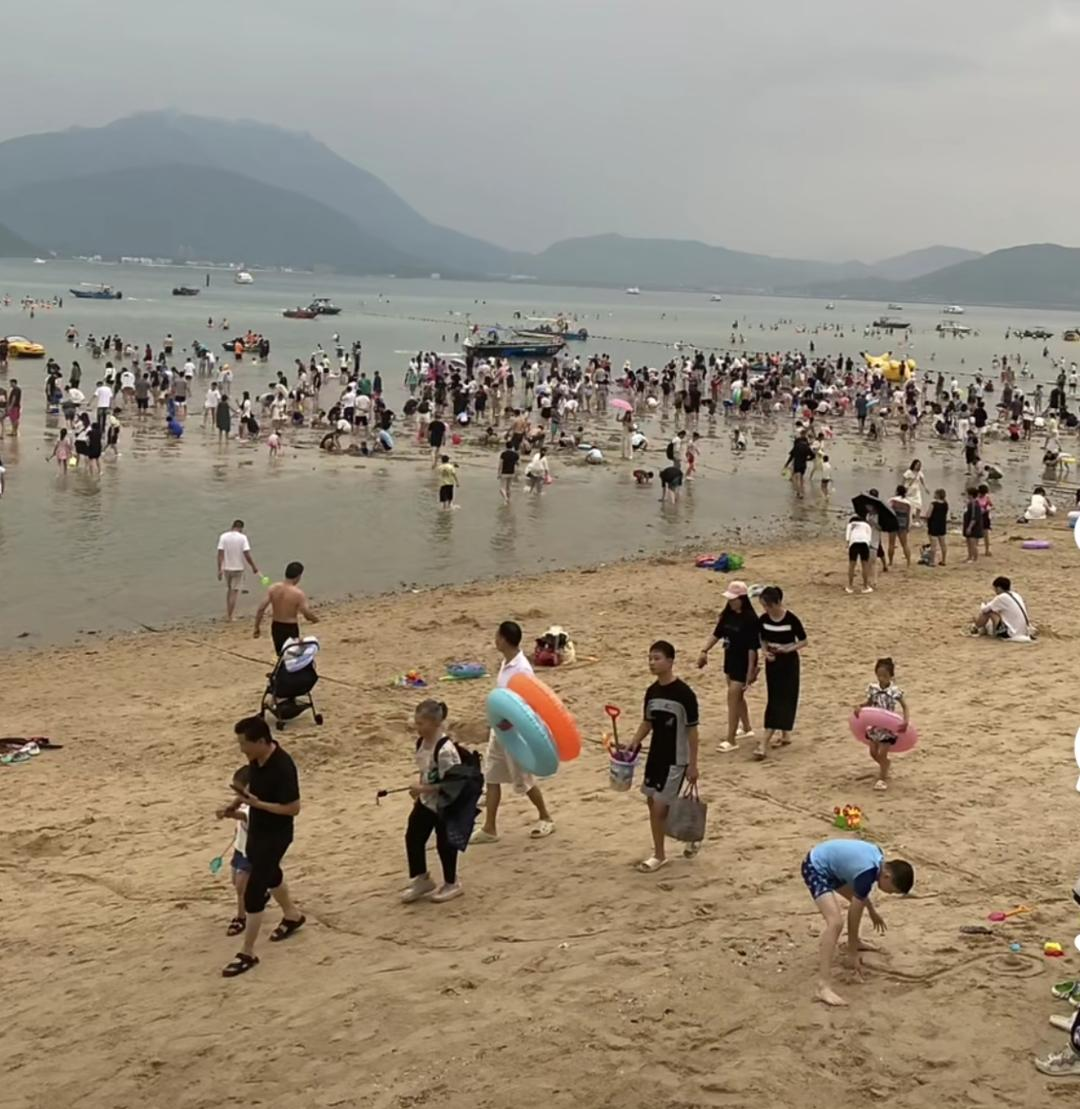
Core Viewpoint - The rise of "catching sea" activities, originally a survival method for coastal residents, has transformed into a commercialized trend driven by social media, raising concerns about ecological sustainability and the impact on marine life [1][3]. Group 1: Commercialization and Ecological Impact - The trend of "catching sea" has attracted businesses that provide seafood for tourists, often using artificially cultivated species, which may mislead visitors about the authenticity of their catch [3][4]. - Experts warn that the introduction of non-native species into local ecosystems can lead to ecological imbalances and threaten local marine biodiversity [4][10]. - The practice of "petting guests" by businesses, which involves releasing large quantities of seafood for tourists to catch, lacks scientific oversight and can exacerbate issues like invasive species and ecosystem disruption [4][11]. Group 2: Tourist Experience and Safety Concerns - Tourists are often misled into believing they will have a guaranteed catch, which diminishes the unpredictability and educational value of the experience [11][12]. - There are health risks associated with consuming seafood that may have died during transport or due to unsuitable environmental conditions [6][10]. - The use of certain fishing gear, such as "trap nets," is illegal in many areas and poses a threat to sustainable fishing practices [8][10]. Group 3: Recommendations for Sustainable Practices - Experts suggest implementing regulations, such as permits and daily limits on the number of participants and tools used, to ensure sustainable practices in "catching sea" activities [15]. - There is a call for integrating environmental education into these activities, emphasizing the importance of respecting marine ecosystems and the natural environment [15][12]. - The original intent of "catching sea" should be preserved as a means of connecting with nature rather than purely a commercial venture [15][12].

国际锐评丨菲方所谓“抗议”恰恰证明中方对黄岩岛生态保护合理合法
Yang Shi Xin Wen Ke Hu Duan· 2025-09-12 09:27
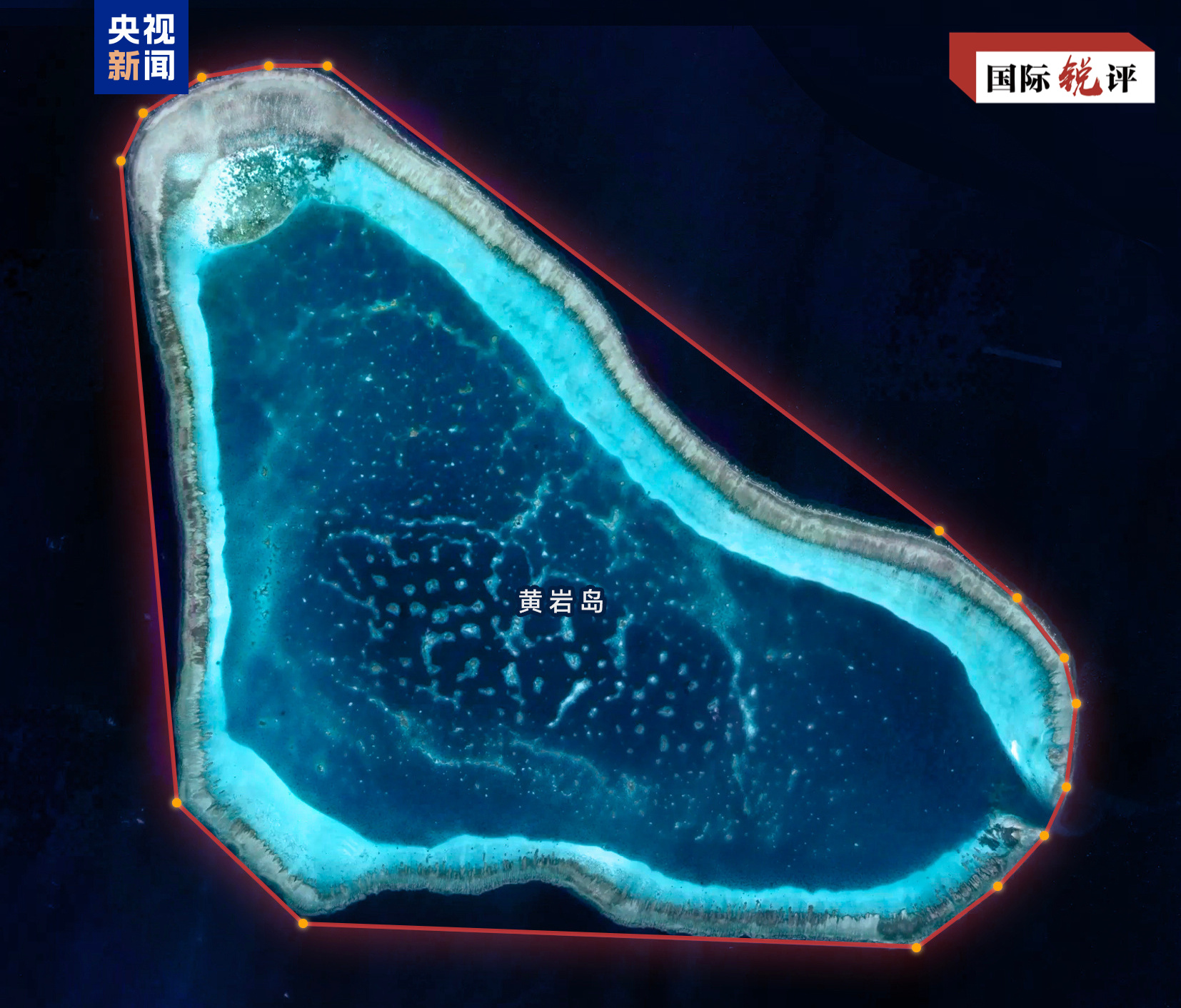
Core Viewpoint - The establishment of the Huangyan Island National Nature Reserve by the Chinese government is a significant step in enhancing ecological protection in the region, despite strong protests from the Philippines, which China firmly rejects as unfounded [1][3][4]. Group 1: Nature Reserve Details - The Huangyan Island National Nature Reserve covers an area of 3,523.67 hectares, with a core area of 1,242.55 hectares and an experimental area of 2,281.12 hectares, primarily aimed at protecting coral reef ecosystems [3]. - The establishment of the reserve is in accordance with Chinese laws such as the Marine Environmental Protection Law and the Nature Reserve Regulations, asserting China's sovereignty over the territory [3][4]. Group 2: Response to Philippine Protests - The Philippines has a long-standing interest in Huangyan Island, and its protests highlight the legitimacy of China's protective measures, reinforcing China's commitment to peace and cooperation in the South China Sea [1][4]. - China's Foreign Ministry emphasizes that Huangyan Island is an inherent part of Chinese territory, and thus, the Philippines has no right to interfere in China's protective actions [3][4]. Group 3: Ecological and Economic Considerations - The creation of the nature reserve is a response to the ecological challenges posed by increased fishing activities by Philippine fishermen, which have threatened the marine environment [4][6]. - The reserve aims to restore fishery resources and biodiversity, contributing to the sustainable development of the regional fishing industry [4][6]. Group 4: Broader Implications for Maritime Governance - The establishment of the reserve serves as a framework for marine governance and sustainable development in the South China Sea, countering unilateral actions by the Philippines [6][7]. - China's actions are positioned as a means to delineate legal and policy boundaries in the region, aiming to manage conflicts rationally and maintain peace [6][7].
“海味”开学第一课
Zhong Guo Zi Ran Zi Yuan Bao· 2025-09-11 10:17
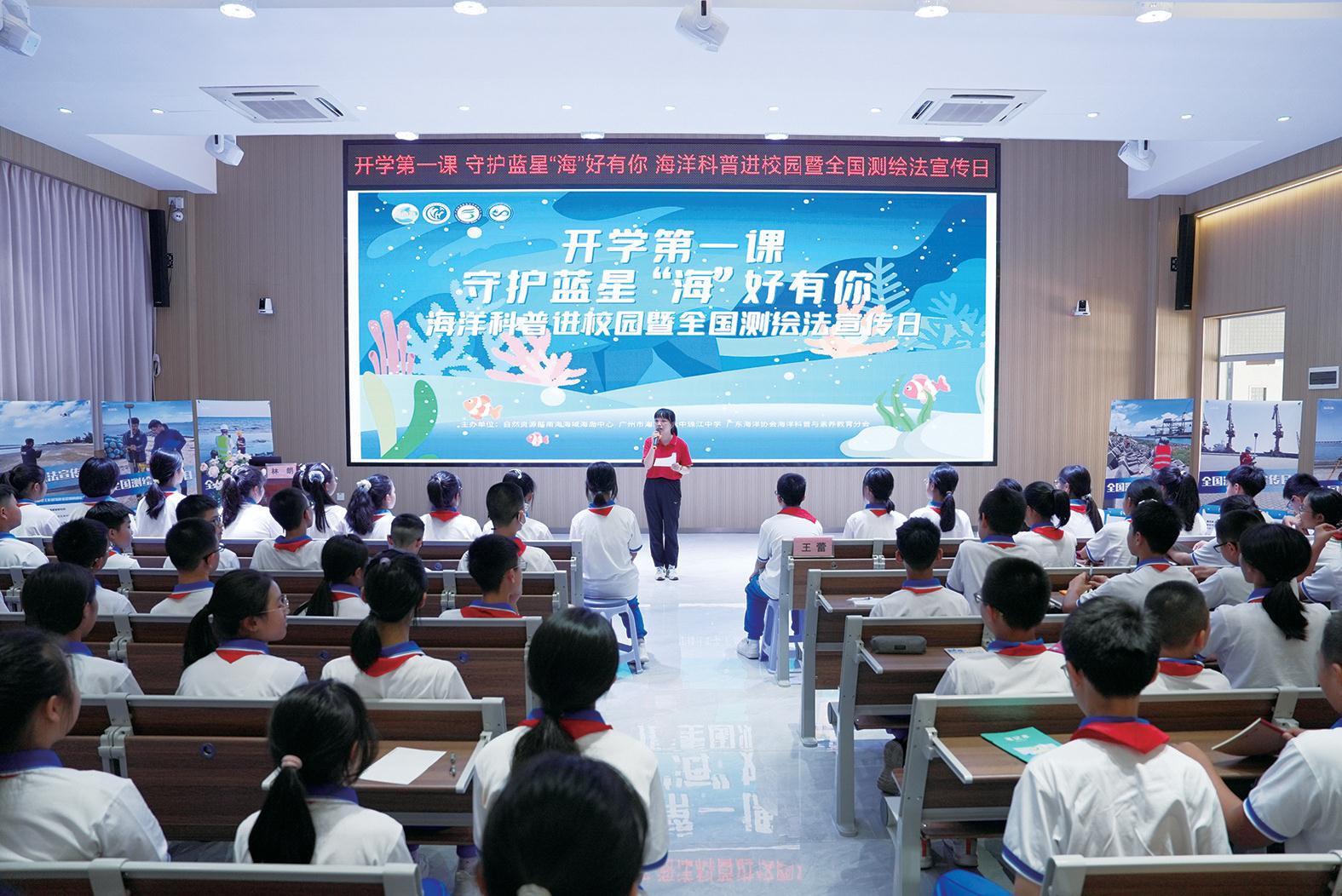
Core Points - The event "Guarding the Blue Planet: You Make the Ocean Better" was held on September 1, organized by the South China Sea Marine Island Center and Guangzhou Haizhu District Liuzhong Zhujiang Middle School [2] - The event featured a themed exhibition on "Marine Life of the Twenty-Four Solar Terms," showcasing 24 marine species and integrating traditional Chinese culture with marine culture [2] - Educational videos were played to raise awareness about marine ecology among students and teachers [2] Summary by Sections - **Event Overview** - The event aimed to enhance marine ecological awareness among students through interactive activities and educational content [2] - **Exhibition Details** - The exhibition displayed 24 marine species, including clownfish, monk crabs, and leafy seadragons, creatively linking them to the 24 solar terms of Chinese culture [2] - **Educational Activities** - Dr. Lin Lang and Dr. Li Yuanjin conducted specialized courses on "Marine Microplastics" and "Applications of Remote Sensing in Marine Fields," using professional knowledge and interactive games to broaden students' perspectives [2] - **Student Engagement** - A first-year student expressed appreciation for learning about plastic reduction strategies and expressed hope for more such educational activities in the future [2]
2024年全国海洋生产总值首次突破10万亿元,国际影响力不断提升
Huan Qiu Wang· 2025-09-11 00:58
Core Insights - The 2024 China Marine Development Index is projected to be 129.7, representing a year-on-year increase of 2.9% [1] - The national marine GDP is expected to exceed 10 trillion yuan for the first time in 2024, with a growth rate of 5.9% [1] Group 1: Marine Economic Development - Since the 14th Five-Year Plan, the central government has allocated 19.4 billion yuan in subsidies, leading to the restoration of over 400 kilometers of coastline and more than 31,000 hectares of coastal wetlands [3] - There are 352 marine protected areas, covering a total marine area of 9.33 million hectares [3] Group 2: Marine Ecological Status - The overall ecological condition of China's marine environment is stable in 2024, with improvements in certain local areas, particularly in coral reefs, seagrass beds, coastal salt marshes, and mangrove ecosystems [3] Group 3: Marine Industry and Technology - The marine industry encompasses production and service activities related to the development, utilization, and protection of marine resources, including direct extraction, processing, and application of marine products [3] - China's marine technology innovation capabilities have significantly improved, with the establishment of 14 national-level marine economic development demonstration zones and breakthroughs in key technologies such as deep-sea exploration and marine equipment [3] Group 4: International Cooperation - China is enhancing marine economic cooperation with countries along the Belt and Road Initiative, thereby increasing its international influence [3]
中国新建黄岩岛国家级自然保护区,专家解读
Huan Qiu Shi Bao· 2025-09-10 22:45
Core Viewpoint - The establishment of the Huangyan Island National Nature Reserve is a significant step for China in maintaining the ecological diversity, stability, and sustainability of the Huangyan Island ecosystem, reflecting the country's commitment to marine space management and environmental protection [1][2]. Group 1: Government Actions and Regulations - The State Council has officially approved the establishment of the Huangyan Island National Nature Reserve, which is crucial for ecological protection [1]. - Relevant departments are required to strictly implement the regulations of the People's Republic of China on nature reserves and enhance management and enforcement efforts to ensure compliance [1]. - The decision aligns with China's legal framework, including the Law on the Territorial Sea and the Contiguous Zone and the Nature Reserve Regulations, as well as international laws like the United Nations Convention on the Law of the Sea [1][2]. Group 2: Ecological and International Implications - The reserve's establishment is a demonstration of China's sovereignty and responsibility as the largest coastal state in the South China Sea, fulfilling international obligations under the Convention on Biological Diversity [2]. - The creation of the reserve counters international criticisms regarding China's environmental policies in the South China Sea, reinforcing China's narrative through scientific protection and legal management [2]. - The Huangyan Island's coral reef ecosystem and biodiversity are of significant conservation value, and the reserve is based on solid scientific research and environmental surveys [2]. Group 3: Reserve Details - The Huangyan Island National Nature Reserve covers an area of 3,523.67 hectares, with a core area of 1,242.55 hectares and an experimental area of 2,281.12 hectares, primarily aimed at protecting the coral reef ecosystem [3].
硬核科技守护海洋生态
Zhong Guo Zi Ran Zi Yuan Bao· 2025-09-04 02:37
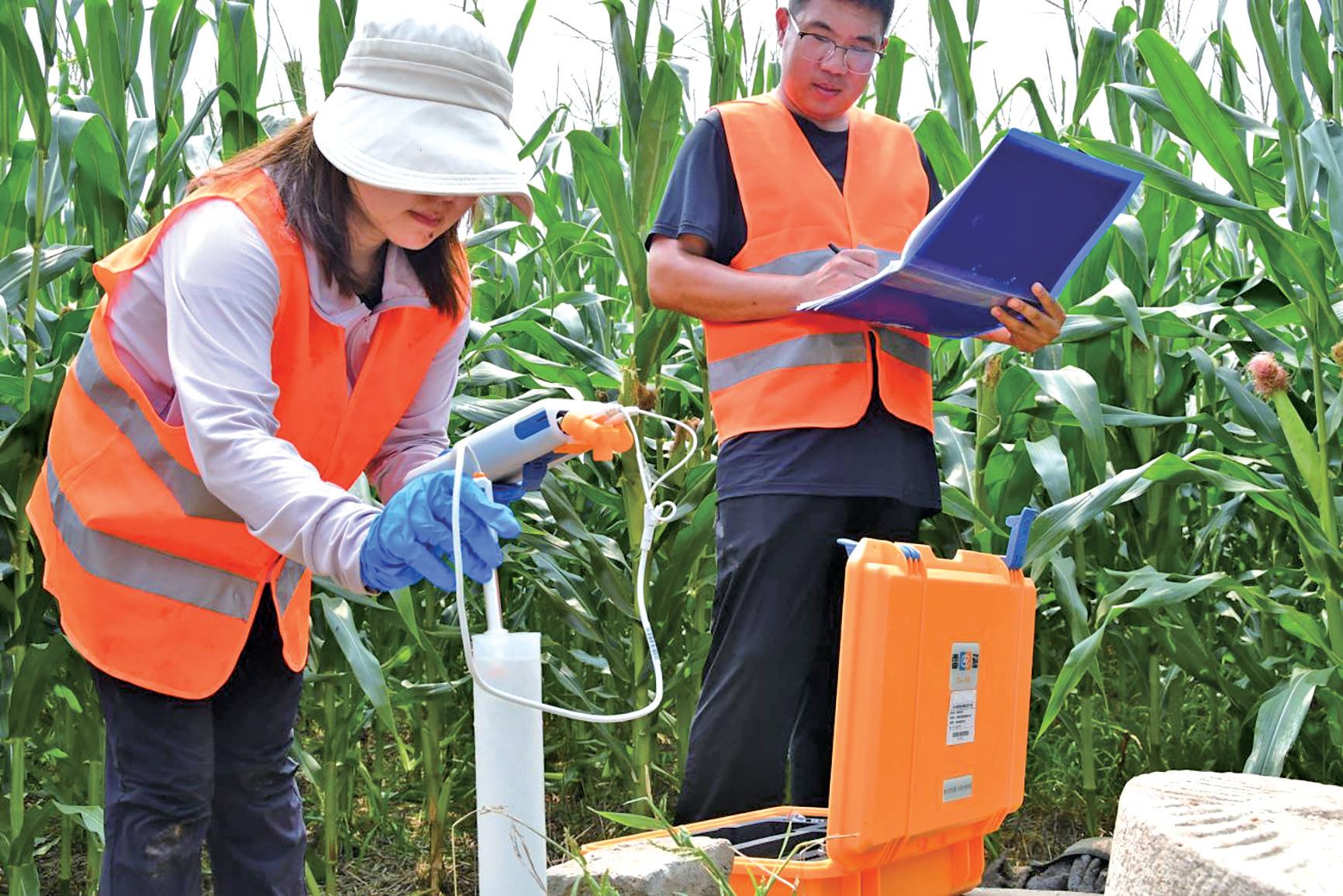
Core Viewpoint - The article emphasizes the importance of sustainable utilization of marine resources, continuous environmental improvement, and ecological stability for the livelihoods of coastal communities and the long-term development of regional economies [1]. Group 1: Coastal Ecological Defense - The Geological Technology Department of Shandong Coalfield Geological Planning and Surveying Institute focuses on building an "ecological defense line" beneath the surface to support marine ecological safety and high-quality development in Shandong Province [1][2]. - The monitoring team has conducted extensive field sampling, collecting over 600 soil samples and 600 groundwater samples, covering more than 1,200 kilometers of coastline over four years [3]. - The team employs various technologies, including geophysical detection and geochemical analysis, to assess the current status and trends of seawater intrusion and salinization, providing essential data for ecological safety [3]. Group 2: Digital Protection Network - The team has developed a scientific archive for the "Phoenix Beach" in Yantai, utilizing drone technology to capture high-resolution images and create a three-dimensional model for coastal protection [7]. - The integration of drone imagery with on-site survey data has enabled precise analysis and guidance for coastal protection projects, achieving a balance between ecological preservation and economic development [7][8]. Group 3: Wetland Carbon Sink Research - The team is actively engaged in ecological protection research in the Yellow River basin, focusing on the carbon sink potential of coastal wetlands [10]. - Research projects have been initiated to study the impact of water, sediment, and climate change on the carbon sink capabilities of the Yellow River Delta wetlands, providing quantitative data for ecological restoration [10]. - As a technical support unit for the Shandong Marine Carbon Sink Industry Alliance, the team collaborates with universities to implement ecological protection and restoration projects [10]. Group 4: Commitment to Marine Ecology - The Geological Technology Department is dedicated to the core philosophy of protecting the marine ecological environment and promoting sustainable marine development through technological innovation and professional services [11].
秦皇岛海洋中心开展海洋科普宣传活动
Zhong Guo Zi Ran Zi Yuan Bao· 2025-09-01 01:35
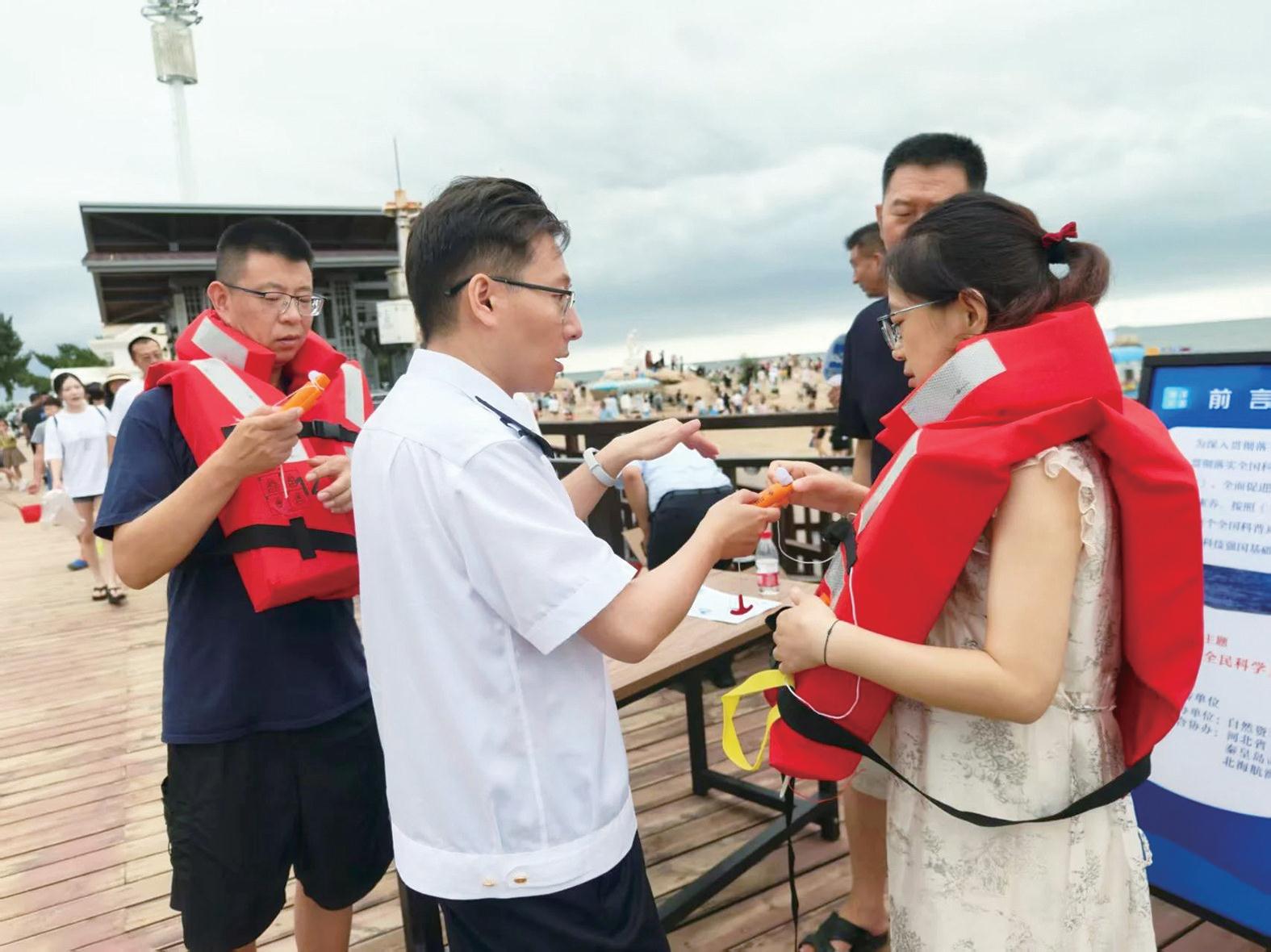
Group 1 - The event was organized by the Qinhuangdao Marine Center, focusing on enhancing public scientific literacy and emphasizing marine ecological protection [1][2] - Key topics included marine disaster monitoring, disaster prevention and reduction, and water safety for coastal tourism [1][2] - Various educational materials were distributed, including marine science handbooks and eco-friendly bags, to convey marine knowledge in an accessible manner [2] Group 2 - The event featured displays on marine disasters such as red tides, green tides, and storm surges, highlighting their causes, impacts, and prevention measures [1][2] - Emphasis was placed on the importance of typical ecosystems like oyster reefs and seagrass beds in water quality purification and biodiversity maintenance [2] - Safety demonstrations were conducted to educate the public on proper life jacket use and drowning prevention principles [2]