
癌症早筛

Search documents
最新目标价1.2港元,公募组团下调明星医药股!发生了啥?
券商中国· 2025-07-01 03:43
Core Viewpoint - Multiple large public funds have announced further reductions in the valuation of Hong Kong-listed company Nohow Health, indicating a loss of confidence among fund managers due to rising accounts receivable and delayed financial disclosures [1][2][3]. Valuation Adjustments - From June 27 to June 30, several public funds, including Penghua Fund, Chuangjin Hexin Fund, and Yinhua Fund, announced valuation adjustments for Nohow Health, with the lowest valuation set at 1.20 HKD per share, down from approximately 3 HKD per share at the end of May [2][3]. - Yinhua Fund disclosed a valuation of 1.20 HKD per share effective June 30, 2025, while other funds like Southern Fund and Chuangjin Hexin Fund set valuations at 1.24 HKD and 1.30 HKD per share, respectively [4]. - Some funds, such as Penghua Fund and Bosera Fund, maintained relatively higher valuations of 2.52 HKD and 3.33 HKD per share, respectively, indicating a divergence in valuation perspectives among funds [4]. Company Background and Financial Concerns - Nohow Health, known as a leading company in cancer early screening, was once a star stock in the Hong Kong pharmaceutical sector, with a market capitalization reaching around 40 billion HKD [5][6]. - The company reported a revenue of 765 million CNY in 2022, but accounts receivable surged by 336.8% to 584 million CNY, raising concerns among fund managers about potential financial instability [6]. - By mid-2023, revenue increased to 821 million CNY, but accounts receivable soared to 1.017 billion CNY, further heightening investor anxiety [6]. Impact of Suspension and Management Changes - Nohow Health has been suspended since March 2024 due to allegations of financial fraud, leading to multiple valuation downgrades from 14.14 HKD per share to as low as 1.20 HKD per share [7][8]. - The resignation of the company's founder and CEO, Zhu Yeqing, due to health reasons has also contributed to a loss of trust among fund managers [8]. - The inability to timely disclose financial reports has exacerbated the situation, with the company facing potential delisting risks if suspended for 18 months [8]. Investment Strategy Insights - The issues surrounding Nohow Health highlight a shift in public funds' investment strategies in the Hong Kong market, emphasizing the importance of cash flow and financial stability [9]. - Fund managers are advised to focus on companies with strong cash flows and reasonable valuations, avoiding those that may present "pseudo-growth" opportunities [9].

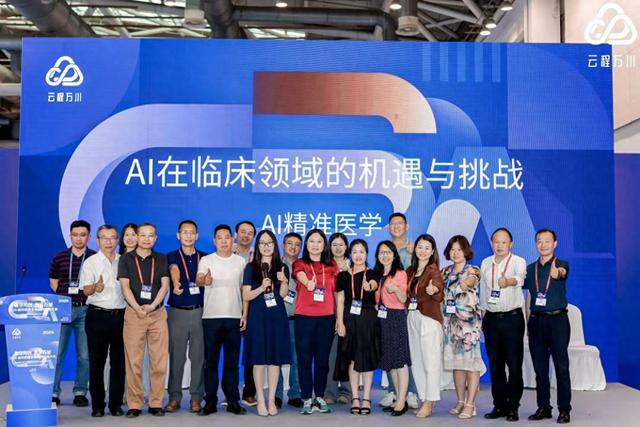
聚焦癌症早筛与AI医疗创新 AI精准医学峰会圆满落幕
Huan Qiu Wang· 2025-06-30 02:06
Core Viewpoint - The conference highlighted the significant potential of AI in early cancer diagnosis and treatment, emphasizing the need for increased attention and investment in this area to improve patient outcomes [3][4][6]. Group 1: AI in Cancer Diagnosis and Treatment - The CancerX series technology aims to utilize AI-driven multi-omics integration to accurately identify early-stage cancer and minimal residual disease, potentially transforming cancer into a manageable chronic condition [4]. - Research presented by Professor Hu from Karolinska Institute demonstrated that a plasma gene methylation and AI system can achieve over 90% accuracy in distinguishing between benign and malignant lung nodules, significantly improving early detection and treatment outcomes [6]. - The importance of early diagnosis is underscored by the statistic that early-stage cancer patients have a 90% cure rate compared to only 20% for late-stage patients [3]. Group 2: Innovations in Medical Devices - Despite a 3.2% decline in China's medical device market in 2024, the number of approved innovative devices reached 356, indicating steady growth in innovation [13]. - The establishment of a dual-access system for innovative medical devices, combining registration certification and hospital procurement, is essential for successful international market entry [13][20]. Group 3: AI and Precision Medicine - The integration of AI in precision medicine is seen as a critical development, with discussions focusing on the need for industry collaboration, policy support, and capital investment to drive high-quality growth in this field [21]. - The establishment of a robust data ecosystem is necessary to support the development of AI medical technologies, ensuring their widespread application in disease prediction, diagnosis, and treatment [16]. Group 4: Clinical Advances and Research - Advances in surgical treatment for breast cancer emphasize the importance of neoadjuvant therapy and personalized treatment, with AI data aiding in optimizing surgical methods and treatment pathways [18]. - The development of a cardiovascular disease risk prediction model by BGI highlights the role of high-depth sequencing technology in early identification and personalized intervention for cardiovascular diseases [9].
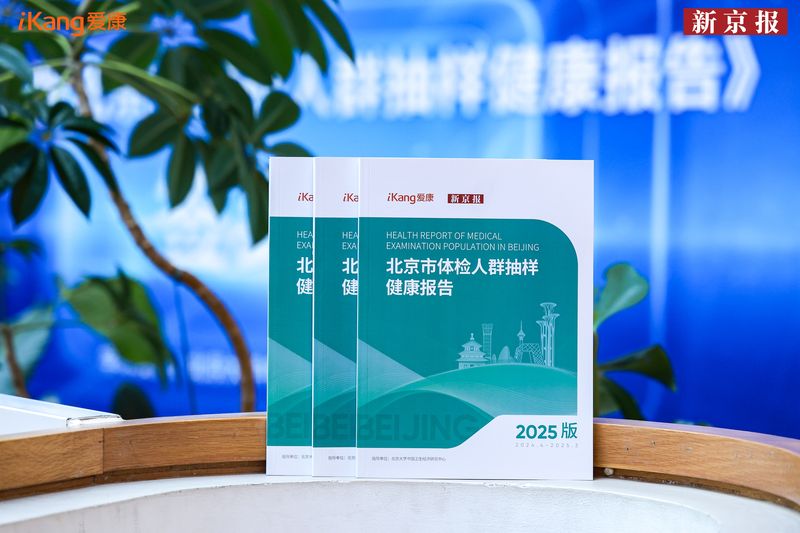
爱康第四次发布北京市体检人群“成绩单”:超重等检出率“递增”
Xin Jing Bao· 2025-06-27 14:59
Core Insights - The report aims to decode health issues for Beijing residents through in-depth analysis of health checkup data, emphasizing the importance of disease prevention and health awareness [1][3]. Group 1: Report Overview - The "2025 Beijing Health Report" is the fourth health report released by Aikang Group, focusing on nearly 1.5 million individuals who underwent health checkups from April 1, 2024, to March 31, 2025 [3]. - The report highlights the impact of local diseases influenced by dietary structures, natural environments, and lifestyles, aiming to raise public health awareness and reveal disease risks [3][5]. Group 2: Health Risks and Findings - The report identifies major health risk factors among the population, showcasing Aikang's social responsibility and commitment to public health [5]. - In 2023, among nearly 1.5 million health checkup participants, 1,535 individuals were diagnosed with cancer, indicating a cancer detection rate of 2.30 per 1,000 individuals, up from 1.04 per 1,000 in the previous year [13]. - Notably, 33% of cancer patients were under 40 years old, with the youngest being a 22-year-old female diagnosed with thyroid cancer [13]. Group 3: Gender-Specific Health Issues - Male residents in Beijing face significant weight issues, with nearly 70% showing elevated body mass index (BMI), which is 32.39 percentage points higher than females [14]. - Fatty liver disease detection rates among males reached 55.11%, particularly high in the 40-49 age group, indicating a need for targeted liver screenings [14]. - For females, thyroid nodules were the most common health issue, with a detection rate exceeding 57%, and breast nodules increased from 25.33% in 2021 to 40.53% in 2023 [15][16].
“这半年,我也用AI救了6条活生生的命啊。”
数字生命卡兹克· 2025-06-25 16:23
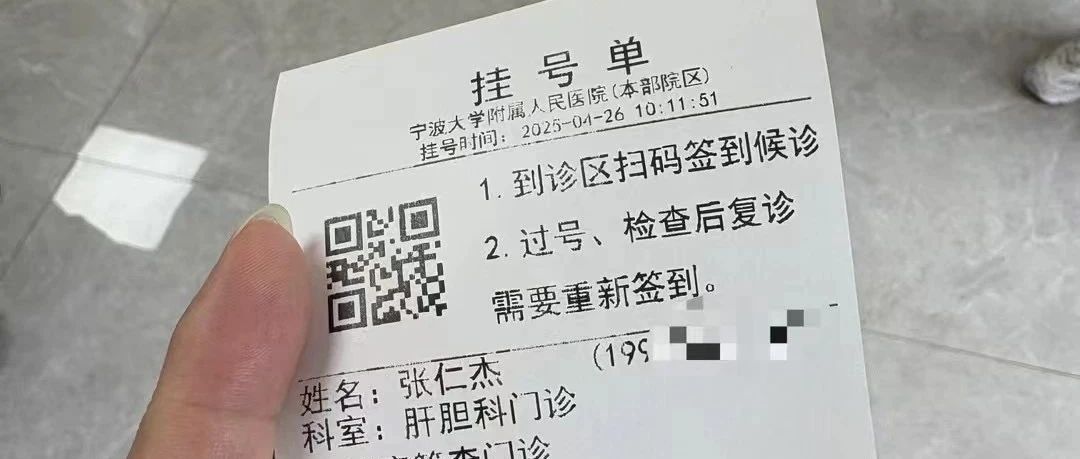
Core Viewpoint - The article discusses the significant advancements in using AI for early cancer detection, particularly focusing on the GRAPE model for gastric cancer and the PANDA model for pancreatic cancer, highlighting their potential to save lives through early diagnosis [2][3][6][15][59]. Group 1: AI in Cancer Screening - The GRAPE model utilizes standard non-enhanced CT scans for early gastric cancer screening, achieving an AUC of 0.97, indicating a 97% accuracy in identifying gastric abnormalities [11]. - The PANDA model, introduced by Alibaba's Damo Academy, represents the first large-scale early screening method for pancreatic cancer, which traditionally has a very low survival rate of 8% due to late diagnosis [18][28]. - Both models demonstrate that AI can significantly enhance the sensitivity of cancer detection, with GRAPE improving doctors' sensitivity by 21.8% [11]. Group 2: Challenges in Traditional Screening - Traditional gastric cancer screening methods, such as endoscopy, are invasive and costly, leading to low participation rates among the population [7]. - Pancreatic cancer screening is complicated and uncomfortable, often requiring multiple invasive procedures, which deters patients from seeking early diagnosis [22][23]. - The article emphasizes the difficulty in diagnosing pancreatic cancer early, as symptoms often do not appear until the disease is advanced [20][26]. Group 3: Real-World Application and Impact - The deployment of the PANDA model in hospitals, such as Ningbo University Affiliated People's Hospital, has led to the identification of early-stage pancreatic cancer cases that would have otherwise gone undetected [47]. - Medical professionals involved in these AI projects often work on them during their personal time, driven by a commitment to saving lives rather than financial incentives [45][48]. - The article highlights the emotional and ethical dimensions of medical professionals' dedication to using AI for cancer detection, showcasing the human aspect behind technological advancements [49][55]. Group 4: Future Aspirations - There is a strong hope that AI technologies like GRAPE and PANDA will be widely adopted across hospitals and screening facilities, making early cancer detection accessible to everyone [60]. - The article concludes with a vision for a future where diseases like cancer can be effectively managed and potentially eradicated through continuous advancements in medical technology and AI [63][65].
最高“猛砍”90%
Zhong Guo Ji Jin Bao· 2025-06-25 11:46
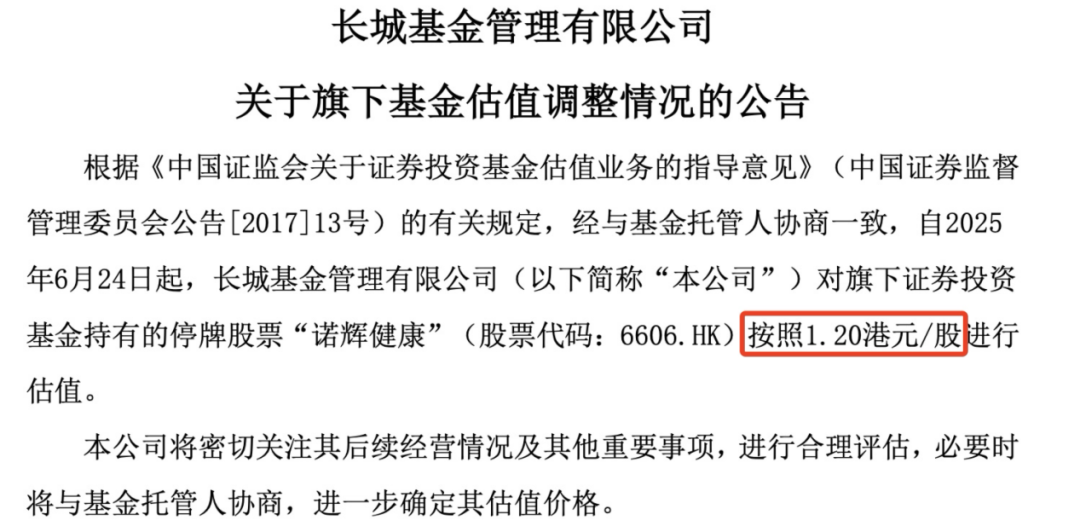
Core Viewpoint - The valuation of Nohow Health has been drastically reduced by multiple fund companies, reflecting a pessimistic outlook on its prospects for resuming trading after a prolonged suspension of nearly 15 months [1][2][5]. Valuation Adjustments - On June 25, Changcheng Fund announced a new valuation of Nohow Health at HKD 1.20 per share, representing a 91.51% decrease from its last trading price of HKD 14.14 per share [3][5]. - Since mid-last year, over 40 valuation adjustments have been made by various fund companies, with Dachen Fund adjusting its valuation from HKD 10.12 per share to HKD 1.81 per share [7]. Company Background - Nohow Health, once known as "China's first cancer screening stock," was listed on the Hong Kong Stock Exchange in February 2021 and focuses on the development and commercialization of screening products for colorectal, gastric, and cervical cancers [8]. - The company faced serious allegations of financial misconduct, including a report by Capital Watch claiming that its actual sales for 2022 were only CNY 76.95 million, significantly lower than the reported CNY 765 million [8]. Regulatory and Management Issues - Deloitte raised three major concerns regarding Nohow Health's 2023 annual report, questioning the validity of sales transactions and the effectiveness of marketing expenditures [8]. - Nohow Health was suspended from trading on March 28, 2024, due to its inability to publish its annual report on time, and its founder resigned from key positions in December 2024 [8]. Potential Delisting - According to Hong Kong Stock Exchange regulations, if Nohow Health remains suspended for 18 months, it may face mandatory delisting, with only about three months left before this deadline [9].
“猛砍”90%!长城基金下调诺辉健康估值
news flash· 2025-06-25 11:28
Core Viewpoint - Changcheng Fund has lowered the valuation of Nohow Health to HKD 1.20 per share, representing a 91.51% decrease from the price before suspension [1] Group 1: Valuation Adjustments - This is the second time Changcheng Fund has adjusted its valuation for Nohow Health, following a previous adjustment to HKD 7.48 per share in July of last year [1] - Multiple fund companies have adjusted their valuations for Nohow Health since mid-last year, indicating a pessimistic outlook on its resumption prospects [1] Group 2: Industry Context - Nohow Health, once known as the "first stock for cancer early screening," has seen its valuation approach zero recently, highlighting potential compliance risks hidden beneath the high growth narrative of biotech companies [1]
最高“猛砍”90%!
中国基金报· 2025-06-25 11:14
Core Viewpoint - The valuation of Nohui Health has been drastically reduced by multiple fund companies, reflecting a pessimistic outlook on its prospects for resuming trading after a prolonged suspension [2][4][9]. Valuation Adjustments - On June 25, Changcheng Fund announced a new valuation of Nohui Health at 1.20 HKD per share, a 91.51% decrease from its last trading price of 14.14 HKD [7][12]. - Since mid-last year, over 40 valuation adjustments have been made by various fund companies, with Dachen Fund reducing its valuation from 10.12 HKD to 1.81 HKD [9][11]. - Shanghai Guangzheng Asset Management has also adjusted its valuation four times, from 12.73 HKD to 5.70 HKD [9]. Company Background - Nohui Health, once known as "China's first cancer screening stock," was listed on the Hong Kong Stock Exchange in February 2021 and focuses on the development and commercialization of screening products for colorectal, gastric, and cervical cancers [11]. - The company faced allegations of financial misconduct, with a report claiming its actual sales in 2022 were only 76.95 million, significantly lower than the reported 765 million [11]. Suspension and Future Risks - Nohui Health has been suspended from trading since March 28, 2024, due to its inability to publish its annual report on time [12]. - According to Hong Kong Stock Exchange regulations, if the suspension lasts for 18 months, the company may face mandatory delisting, leaving it with approximately three months before this deadline [13].

这个AI能救命!提前6个月发现胃癌病灶,突破医学影像认知,达摩院做成了
量子位· 2025-06-25 05:00
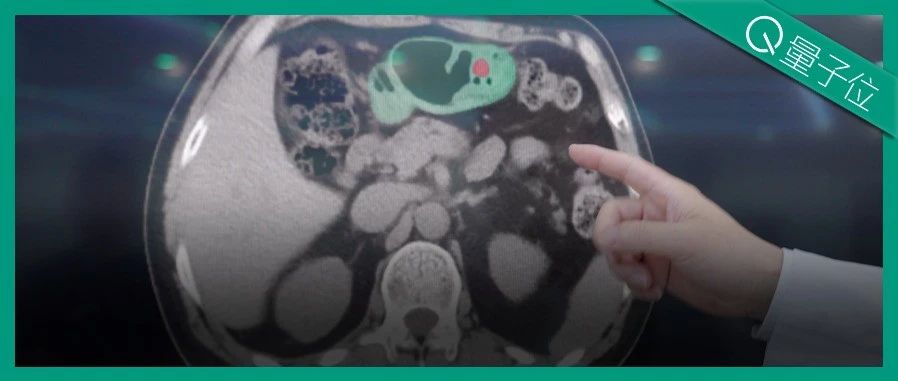
Core Viewpoint - The article discusses the groundbreaking AI model DAMO GRAPE, which utilizes plain CT scans to detect early-stage gastric cancer, potentially identifying it up to six months before symptoms appear [2][3][5]. Group 1: AI Model Development - DAMO GRAPE is the world's first AI model that identifies early gastric cancer using non-enhanced CT scans, overcoming traditional imaging limitations [4][6]. - The model was validated through a large-scale clinical study involving nearly 100,000 individuals across 20 centers, showing significant potential to improve gastric cancer detection rates [5][6]. - The sensitivity and specificity of DAMO GRAPE are reported at 85.1% and 96.8%, respectively, which represent increases of 21.8% and 14.0% compared to human radiologists [19][20]. Group 2: Clinical Application and Impact - The model is set to be implemented in large-scale gastric cancer screening initiatives in provinces such as Zhejiang and Anhui [7][27]. - In simulated screening trials, the "plain CT + AI" model achieved a gastric cancer detection rate of up to 24.5%, with approximately 40% of detected patients being asymptomatic [28][29]. - The model provides a new pathway for gastric cancer screening, filling a significant gap in clinical practices where traditional methods have low compliance and effectiveness [12][13][26]. Group 3: Broader Implications and Future Directions - The success of DAMO GRAPE follows previous achievements in cancer detection, such as the DAMO PANDA model for pancreatic cancer, showcasing the potential of AI in medical diagnostics [32][41]. - The article emphasizes the importance of AI in transforming healthcare by extracting valuable insights from routine data, which can lead to more effective and efficient cancer screening processes [54][55]. - Future plans include exploring multi-disease detection capabilities through a single CT scan, aiming to revolutionize the traditional cancer screening approach [55].
港股又一黑马丨觅瑞上市背后,藏着国产早筛全球化的终极答案
Sou Hu Cai Jing· 2025-06-23 15:41
Group 1: Industry Overview - The global cancer early screening market has surpassed $50 billion and is growing at an annual rate of 18% [1] - Despite advanced technology, over 80% of domestic early screening products in China remain confined to the local market due to stringent regulations and high approval barriers in international markets [1] - The European IVDR regulations and the U.S. FDA's classification of early screening products as high-risk Class III devices contribute to the challenges faced by Chinese companies in entering international markets [1] Group 2: Company Profile - Mirxes - Mirxes, established in 2014 and headquartered in Singapore, specializes in RNA technology and aims to provide disease screening solutions globally [3] - Its core product, GASTROClear™, is the first and only approved molecular diagnostic IVD product for gastric cancer screening, having received various international certifications including EU CE and U.S. FDA breakthrough device designation [3][6] - The company plans to leverage its successful IPO on the Hong Kong Stock Exchange to enhance its technology development, market expansion, and international collaborations [5] Group 3: Strategic Initiatives - Post-IPO, Mirxes aims to invest in research for new cancer screening technologies and explore multi-cancer screening products to improve accuracy and detection range [5][6] - The company intends to attract top global research talent and deepen collaborations with international medical institutions to advance its miRNA technology in liquid biopsy applications [6] - Mirxes' strategy includes forming partnerships with renowned pharmaceutical companies and research institutions to enhance its technical capabilities and market competitiveness [6]
民营医疗如何掘金千亿肿瘤市场?佰泽医疗(02609)树立行业新范本
智通财经网· 2025-06-23 01:49
Core Viewpoint - Bayzed Health Group successfully listed on the Hong Kong Stock Exchange on June 23, with a strong market debut, reflecting investor confidence in the high-growth cancer medical service sector in China [1] Company Overview - Bayzed Health Group's IPO price was HKD 4.22, with 133 million shares issued, raising approximately HKD 562 million [1] - The cornerstone investor, Harvest Oriental, subscribed for HKD 149 million, accounting for 26.5% of total fundraising and 2.7% of the post-issue equity [1] - The company is positioned as a leader in China's full-cycle cancer medical services, marking a significant milestone in the private specialty medical service sector [1][4] Market Potential - The cancer medical service market in China grew from RMB 337.1 billion in 2018 to RMB 495.1 billion in 2022, with a CAGR of 10.1% [2] - The private cancer medical service market is expected to grow at a CAGR of 19.8% from 2022 to 2026, potentially exceeding RMB 109.2 billion by 2026 [2] - The early cancer screening market presents significant potential, with over 500 million people in China aged 45-74 eligible for screening, indicating a substantial supply-demand gap [2] Business Strategy - Bayzed Health has established a comprehensive service system covering "screening-diagnosis-treatment-rehabilitation," addressing the shortcomings of public healthcare systems [3] - By the end of 2024, the company plans to complete the infrastructure for early cancer screening across all its hospitals [3] - The proportion of revenue from cancer-related services is projected to increase from 39.3% in 2022 to 49.4% in 2024, demonstrating significant commercial success [3] Competitive Position - Bayzed Health ranks third among private cancer medical groups in China based on cancer screening revenue and fourth based on tumor service revenue from its own hospitals [4] - The company leads in the number of early cancer screening centers and gastrointestinal examination cases among private cancer medical groups in China [4] Financial Performance - The company has shown strong growth, with revenue increasing from RMB 803 million in 2022 to RMB 1.189 billion in 2024, reflecting a CAGR of 21.7% [7] - Gross profit rose from RMB 79.56 million to RMB 208 million during the same period, with a CAGR of 61.8%, indicating improved cost control and operational efficiency [7] - In 2024, the company achieved an adjusted net profit of RMB 12.5 million, marking a turnaround from previous losses [8] Future Outlook - The successful IPO and positive financial indicators suggest a robust growth trajectory for Bayzed Health, with expectations of double-digit revenue and profit growth in the coming years [9] - The company plans to utilize IPO proceeds for strategic acquisitions, hospital management, and digital upgrades to enhance business expansion and operational efficiency [9]