
科学家精神

Search documents
强科普之翼 筑发展之基
Ren Min Ri Bao· 2025-11-14 22:03
Group 1 - The core message emphasizes the importance of science popularization alongside technological innovation, as highlighted by General Secretary Xi Jinping [1] - September marks the first nationwide Science Popularization Month following the revised "Law of the People's Republic of China on Popularization of Science and Technology," with over 500,000 activities organized and participation from over 3 million science workers [1] - The theme "Science and Technology Change Life, Innovation Wins the Future" is central to the activities, aiming to build a high-quality science popularization service system [1] Group 2 - Numerous universities, research institutions, and key laboratories opened their doors to the public, with over 4,000 open activities conducted by various organizations, enhancing public engagement with science [2] - The promotion of excellent science popularization works and innovative models is underway, with a focus on showcasing technology achievements and new brands in science popularization [2] - The "Science Popularization China" initiative reached over 1.6 billion people through various online activities, highlighting local scientific and technological achievements [2] Group 3 - Science popularization activities are integrated with culture, arts, tourism, and sports, utilizing modern platforms like live streaming and short videos to enrich the cultural life of the public [3] - Local initiatives such as "Science Classroom at Your Doorstep" and "Mobile Science Outreach" aim to bring science education to grassroots and remote areas, fostering a rational and harmonious social atmosphere [3]
“愚公移沙”有新方
Ren Min Wang· 2025-11-03 15:19
Group 1 - The article emphasizes the importance of popularizing scientific knowledge and promoting the spirit of science to enhance the overall scientific and cultural quality of the population in China [1] - It highlights a collaborative initiative between the China Association for Science and Technology and People's Daily to launch the "Witnessing the Road of Science and Technology" themed report [1] - The focus of the initiative includes national science and technology strategic policies, significant scientific awards, and critical core technologies that are essential for self-reliance and strength in science and technology [1] Group 2 - The narrative showcases the long-term efforts of three generations in Inner Mongolia's Xinhua Forest Farm, illustrating a remarkable story of resilience against desertification [3] - It reflects on the ongoing dialogue between humans and the challenges posed by wind and sand, symbolizing a commitment to environmental restoration and sustainability [3]
弘扬“两弹一星”精神,专家走进国创产业园讲述科学家故事
Xin Jing Bao· 2025-10-30 10:25
Core Viewpoint - The "Two Bombs, One Satellite" spirit embodies the values of climbing, patriotism, dedication, and collaboration, which are essential for national security and technological innovation [1][2]. Development History of "Two Bombs, One Satellite" - The development of "Two Bombs, One Satellite" is divided into three phases: "East Wind Rising" in the 1960s, "East Wind Strong" in the 1980s, and "East Wind Mission Must Be Achieved" in the 21st century, highlighting the journey from imitation to independent research and global coverage [2][3]. Contributions of Scientists - The spirit of "Two Bombs, One Satellite" reflects the dedication and sacrifices of numerous scientists, including notable figures like Qian Xuesen and Guo Yonghuai, who worked under challenging conditions to advance national defense technology [3][4]. Encouragement for Students and Entrepreneurs - Students and entrepreneurs are encouraged to embody the spirit of innovation and patriotism, emphasizing the importance of independent thinking and creativity in contributing to national development and international competition [4]. Future Initiatives - The Beijing Science and Technology Education Center plans to continue promoting the spirit of scientists through various educational activities, aiming to cultivate a new generation with scientific literacy and a sense of national responsibility [4].
从无交集 他们为何送别杨振宁
Ke Ji Ri Bao· 2025-10-28 08:48
Core Points - The article discusses the memorial service for Yang Zhenning, a Nobel Prize-winning physicist and a prominent figure in Chinese science, who passed away at the age of 103 [2][3][4] - The service took place at Babaoshan Revolutionary Cemetery in Beijing, where thousands of people gathered to pay their respects, reflecting the deep admiration and respect for Yang's contributions to science and his patriotism [1][2][4][20] - Many attendees, including students and young professionals, expressed how Yang's work and philosophy had a profound impact on their lives, showcasing his role as a mentor and inspiration [6][10][12][20] Summary by Sections Memorial Service - The memorial service for Yang Zhenning was held on October 24 at Babaoshan Revolutionary Cemetery, attended by a large crowd dressed in mourning attire [2][4] - Attendees brought flowers and cards, with many expressing their gratitude for Yang's contributions to science and his influence on their personal journeys [5][6][9] Personal Reflections - Individuals like Huang Yucheng and Song Yilin traveled from afar to honor Yang, sharing personal stories of how his teachings and achievements inspired them in their academic and professional pursuits [6][10][12] - Huang described Yang as a guiding light during his moments of uncertainty, while Song reflected on Yang's role in changing perceptions of Chinese scientists on the global stage [8][10][12] Legacy and Impact - Yang Zhenning's legacy includes not only his scientific achievements but also his dedication to nurturing future generations of scientists in China, as evidenced by his efforts in establishing the Tsinghua University Institute for Advanced Study [13][14] - The article highlights the collective sentiment among attendees that Yang's contributions to science and his patriotic spirit will continue to inspire future generations [20][21]
从无交集,他们为何送别杨振宁
Ke Ji Ri Bao· 2025-10-28 01:48
Core Points - The article discusses the memorial service for Yang Zhenning, a Nobel Prize-winning physicist and a prominent figure in Chinese science, who passed away at the age of 103 [2][3][24] - The public response to his passing reflects a deep respect for his contributions to science and his patriotism, with many individuals traveling from various locations to pay their respects [6][36][38] Group 1 - Yang Zhenning's memorial service took place at Babaoshan Revolutionary Cemetery, attended by a large crowd dressed in mourning attire, symbolizing collective grief [3][4][6] - The service was marked by personal tributes, with attendees leaving flowers and notes expressing their admiration and gratitude for Yang's impact on their lives [10][14][19] - Many attendees, including students and professionals, shared how Yang's work and philosophy inspired them, highlighting his role as a mentor and guiding figure in their academic and personal journeys [14][18][25] Group 2 - The establishment of a memorial room at Tsinghua University’s Institute for Advanced Study allowed the public to express their condolences, with reports of around 3,000 visitors daily [6][36] - The article emphasizes the importance of honoring scientists like Yang Zhenning, who have made significant contributions to both science and national pride, fostering a culture of respect for scientific achievement [32][38] - Personal stories from attendees illustrate the profound emotional connection many felt towards Yang, showcasing how his legacy continues to inspire future generations [19][37]


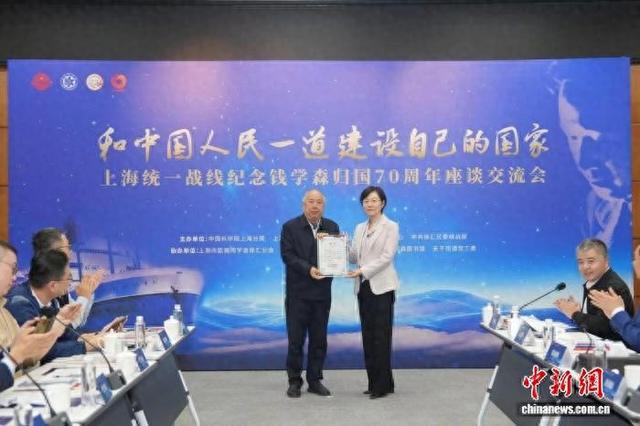
上海统一战线举办纪念钱学森归国70周年座谈交流会
Zhong Guo Xin Wen Wang· 2025-10-26 12:34
Core Viewpoint - The event commemorates the 70th anniversary of Qian Xuesen's return to China, emphasizing his significant impact on the country's innovation and entrepreneurship, and aims to harness the power of the united front to support economic and social development during the 14th Five-Year Plan period [1][3]. Group 1 - The event highlights Qian Xuesen's return as a catalyst for a wave of overseas intellectuals returning to China, which laid a solid foundation for the country's aerospace industry [3]. - The gathering included discussions that honored historical contributions while encouraging contemporary youth and scientists to share their experiences, thereby promoting patriotism and the spirit of scientists [3][5]. - The meeting called for the continuation of the glorious tradition of studying abroad for the benefit of the country, urging intellectuals to focus on national prosperity and the well-being of the people [5]. Group 2 - The event featured notable speakers, including Qian Xuesen's son, Qian Yonggang, and other prominent figures from academia and industry, who shared insights on the importance of scientific contributions to national development [3][7]. - A new initiative titled "Science and Technology for the Country" was launched, aiming to enhance the cultural resources of the united front and promote collaboration among intellectuals [7][8]. - The event concluded with a visit to the exhibition "People's Scientist Qian Xuesen," further emphasizing the legacy and ongoing relevance of his contributions [7].
【中国青年报】今天,“两弹元勋”教给年轻人什么
Zhong Guo Qing Nian Bao· 2025-10-20 06:14
Group 1 - The event commemorating the "Two Bombs, One Satellite" spirit highlighted the historical significance of China's first atomic bomb and its connection to the early days of nuclear research in China [1][2] - The 221 Base in Qinghai Province is recognized as China's first nuclear weapon research base, where both the atomic and hydrogen bombs were developed [2] - The event featured testimonies from key figures involved in the nuclear program, emphasizing the hardships and dedication of the scientists during the early years of nuclear development [3][4] Group 2 - Significant funding of nearly 1.6 billion yuan has been allocated for the preservation and utilization of the 221 Base's historical sites, reflecting the importance of this heritage [3] - The personal sacrifices and dedication of scientists like Yu Min and Deng Jiaxian were highlighted, showcasing their commitment to the nation's nuclear ambitions despite challenging conditions [4][8] - The legacy of the "Two Bombs, One Satellite" spirit is seen as crucial for inspiring future generations in scientific endeavors and national defense [11][12] Group 3 - The event underscored the need for the younger generation to understand the principles behind scientific advancements, particularly in fields like artificial intelligence, to continue the legacy of innovation [11] - The importance of integrity and truthfulness in scientific work was emphasized, with anecdotes illustrating the moral courage of scientists during politically turbulent times [6][9] - The contributions of the 221 Base personnel are celebrated as foundational to China's national defense and technological independence, reinforcing the value of hard work and dedication [12]
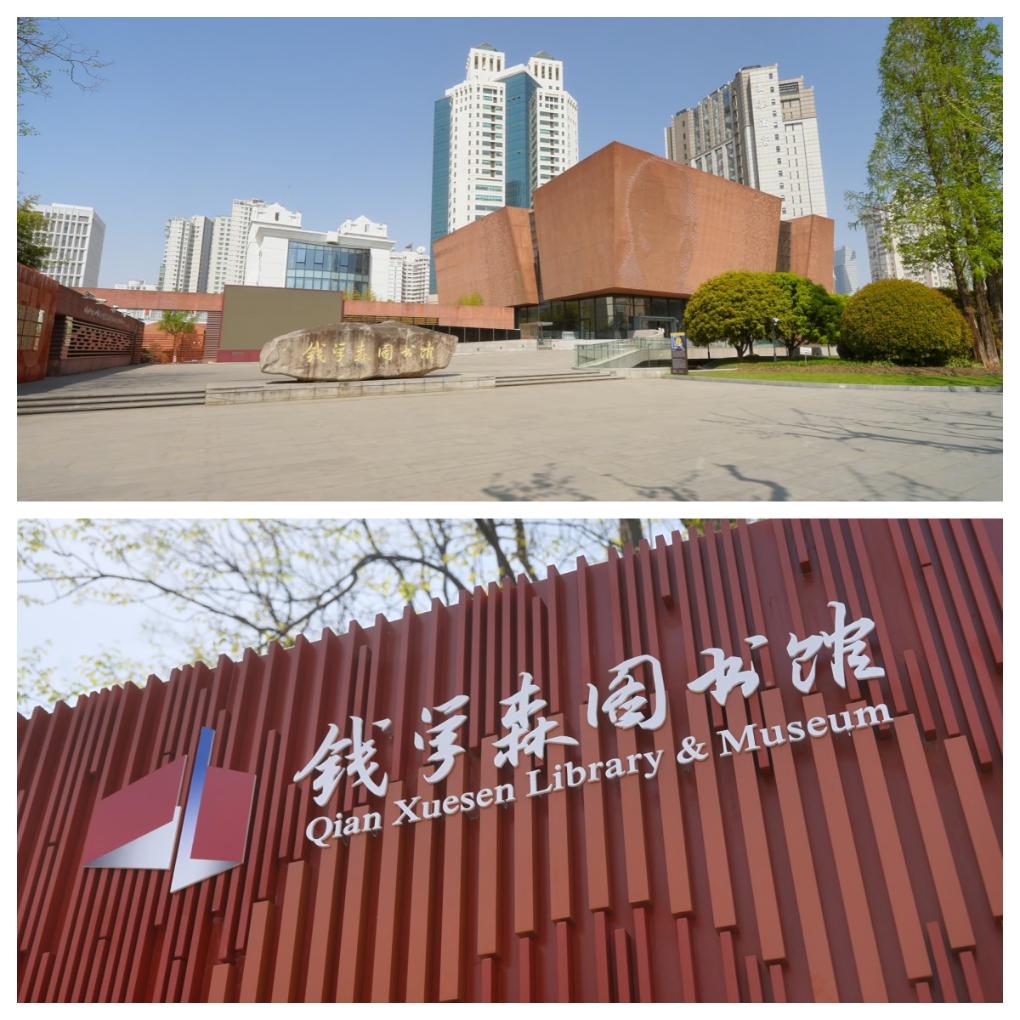
校馆弦歌丨钱学森图书馆:重温破壁者归航 领悟科学家精神
Xin Hua She· 2025-10-19 10:10
Core Points - The article highlights a unique library at Shanghai Jiao Tong University, which serves as a memorial for scientists and is the only one among the 327 national first-class museums in China [1] - The collection includes 62,000 manuscripts, documents, and artifacts that commemorate Qian Xuesen's significant contributions as a foundational figure in China's aerospace industry and as a strategic scientist [1] - The library embodies the spirit of scientists, promoting values such as patriotism, innovation, pragmatism, dedication, collaboration, and education [1]
“成功的人不死读书”——杨振宁先生与江苏的半世纪学缘
Xin Hua Ri Bao· 2025-10-18 23:31
Core Insights - Renowned physicist Yang Zhenning passed away on October 18, 2025, at the age of 103, leaving a profound legacy in education and science in China [1] Group 1: Contributions to Education - Yang Zhenning had a deep connection with Nanjing University, recalling fond memories of his past teachers and establishing a long-term academic relationship [2] - He emphasized the importance of nurturing students' curiosity and creativity, advocating for a broader knowledge base rather than early specialization [2][3] - Yang Zhenning established the "Yang Zhenning Scholarship" to support outstanding and innovative students at Nanjing University, reflecting his commitment to education [4] Group 2: Influence on Future Generations - He encouraged students to recognize their potential and focus on promising fields of study, highlighting the importance of staying informed about academic frontiers [4] - Yang Zhenning's teachings and mentorship inspired many students, including a notable case where a student he guided later became a professor and received recognition for his contributions to science [4] Group 3: Vision for Science in China - Yang Zhenning believed that curiosity drives the pursuit of physics and that research outcomes can significantly enhance human productivity and welfare [5] - He expressed confidence in China's future contributions to global science, emphasizing the need for a conducive environment for young scientists to explore valuable research questions [6]
走进高校场馆,上一堂科学课
Ren Min Ri Bao· 2025-10-11 02:43
Core Points - The article highlights the importance of university museums in fostering scientific interest and innovation among students through exhibitions and storytelling of renowned scientists' contributions [2][3][4][5][6][7][8][9] Group 1: University Museums and Their Role - University museums serve as vital components of the scientific innovation system, providing students with immersive experiences in science and technology [2] - Exhibitions in these museums often showcase the historical contributions of scientists, inspiring students to pursue careers in science and technology [3][4][5][6] - The museums aim to instill a sense of national pride and responsibility among students, encouraging them to contribute to their country's development [3][4][6][9] Group 2: Student Experiences and Aspirations - Students express a deep emotional connection to the stories of scientists, which motivates them to commit to their studies and future careers [3][4][7] - Many students report that visiting these museums has solidified their academic and career aspirations, particularly in fields related to science and technology [4][8][9] - The museums provide a platform for students to engage with scientific knowledge actively, fostering a culture of inquiry and innovation [6][7][8]