
节能减排

Search documents
景津装备股份有限公司关于投资建设过滤成套装备产业化三期项目的公告
Shang Hai Zheng Quan Bao· 2026-01-05 19:25
Core Viewpoint - The company plans to invest approximately 581.05 million RMB in the construction of the Phase III project for the industrialization of complete filtration equipment, aiming to enhance its production capacity and market competitiveness [1][3][10]. Investment Overview - The total investment for the project is approximately 581.05 million RMB, with the company as the sole implementing entity [3][4]. - The project includes the production of various equipment such as MVR evaporators, multi-effect evaporators, reaction tanks, and various types of heat exchangers, which will complement the company's existing filter press products [3][7]. Project Status - Currently, the project is in the preparatory stage, having secured land use and completed project filing and environmental impact assessments, but construction has not yet begun [6]. Market Positioning and Feasibility - The products from this project are designed to meet the dual demands of energy conservation and resource utilization in industries such as mineral processing, environmental protection, and pharmaceuticals, aligning with the company's strategic direction [7][9]. - The project is compliant with national industrial policies and aims to leverage the company's technological advantages and customer resources to expand into domestic and international markets [9]. Financial Impact - The investment is expected to optimize the company's capacity layout and enhance its competitive position without significantly impacting its financial status, as the funding will come from the company's own resources [10].
景津装备拟投资约5.81亿元建设过滤成套装备产业化三期项目
Zhi Tong Cai Jing· 2026-01-05 14:37
Core Viewpoint - The company, Jingjin Equipment (603279.SH), is transitioning from a single equipment manufacturer of filter presses to a comprehensive manufacturer of filtration complete equipment, aiming to provide integrated solutions for customers [1] Investment Project - The company plans to invest approximately 581 million yuan in the third phase of its filtration complete equipment industrialization project in Dezhou Tianqu New District, with the company as the implementation主体 [1] - The project will produce various products including MVR evaporators, multi-effect evaporators, rising film evaporators, falling film evaporators, reaction kettles, aging kettles, dissolution kettles, distillation towers, absorption towers, extraction towers, synthesis towers, and various types of heat exchangers [1] Product Synergy - The products can be used independently or in conjunction with the company's filter presses, complementing each other in the processes of concentration, filtration, and separation [1] - This integrated solution addresses the dual demands of energy conservation and resource recycling in industrial enterprises, aligning with the company's strategic development of complete equipment [1]
十里河滩湿地公园将有“低碳”新变化
Xin Lang Cai Jing· 2026-01-02 22:40
Group 1 - The project at Qianxi Bridge in Huaxi District, Guiyang, is part of a low-carbon demonstration project supported by provincial funding aimed at climate change response, focusing on energy-saving and emission-reduction facilities [1][2] - The project has reached 60% completion, with installations including 8 energy-saving photovoltaic lights, 300 meters of riverbank protective railings, 5 multifunctional charging benches, and 8 environmental science promotion panels [2] - The main construction work is nearing completion, with remaining tasks primarily related to touch-up painting due to recent rain and the installation of promotional panels [2]
2025-2030年中国二次供水设备行业研究及前瞻分析报告
Sou Hu Cai Jing· 2025-12-29 06:30
Industry Overview - The secondary water supply system utilizes municipal water supply and self-built facilities for water storage and pressurization, addressing the insufficient pressure in municipal pipelines to meet daily water needs for high-rise residents and other users [1] - Secondary water supply equipment is designed to solve residential water issues, characterized by low investment costs, small footprint, high flexibility, and ease of operation, suitable for various high-rise residential areas, urban squares, campuses, and hospitals [1] Equipment Classification - Traditional secondary water supply methods involve using pumps and water tanks, which can lead to water quality contamination and high construction costs [2] - Advanced non-negative pressure secondary water supply systems directly draw water from municipal pipelines, reducing contamination risks and improving energy efficiency [2] Industry Chain - The top of the secondary water supply industry chain consists of raw materials like cast iron, steel, and key components such as pumps and control systems, which significantly impact the performance and lifespan of the equipment [3] - The midstream is dominated by manufacturers responsible for the design and production of various types of secondary water supply equipment [3] - The downstream involves sales to real estate developers, property management companies, and end-users in residential, commercial, and institutional settings [3] Current Industry Status - China faces immense water demand due to its large population and rapid urbanization, with total water usage reaching 5,906.5 billion cubic meters in 2023 [4] - Government policies aimed at water resource protection and efficiency have been implemented, promoting a water-saving society and alleviating supply pressures [4] Market Demand - The real estate sector's increasing project openings and completions have stimulated demand for secondary water supply equipment [5] - Infrastructure investments and urbanization efforts have led to a growing need for secondary water supply systems in high-rise and mid-rise residential areas [5] Market Size - The market size of China's secondary water supply equipment industry grew from 24.51 billion yuan in 2019 to 44.15 billion yuan in 2023 [6] - The market is expected to continue expanding, with projections indicating a market size of 135.34 billion yuan by 2031 [8] Competitive Landscape - The secondary water supply market in China is highly competitive, with numerous manufacturers across different tiers, including specialized manufacturers and local companies [6] - Leading companies with extensive networks and strong market presence are expected to capture larger market shares as industry standards rise [8] Future Trends - The industry is moving towards smart water management, integrating technologies like IoT and big data to enhance operational efficiency and water safety [8] - Innovations in high-efficiency and energy-saving systems are crucial for meeting increasing environmental standards and consumer demands [9][10] - Smaller manufacturers lacking R&D capabilities may struggle to compete, leading to increased industry consolidation [10]

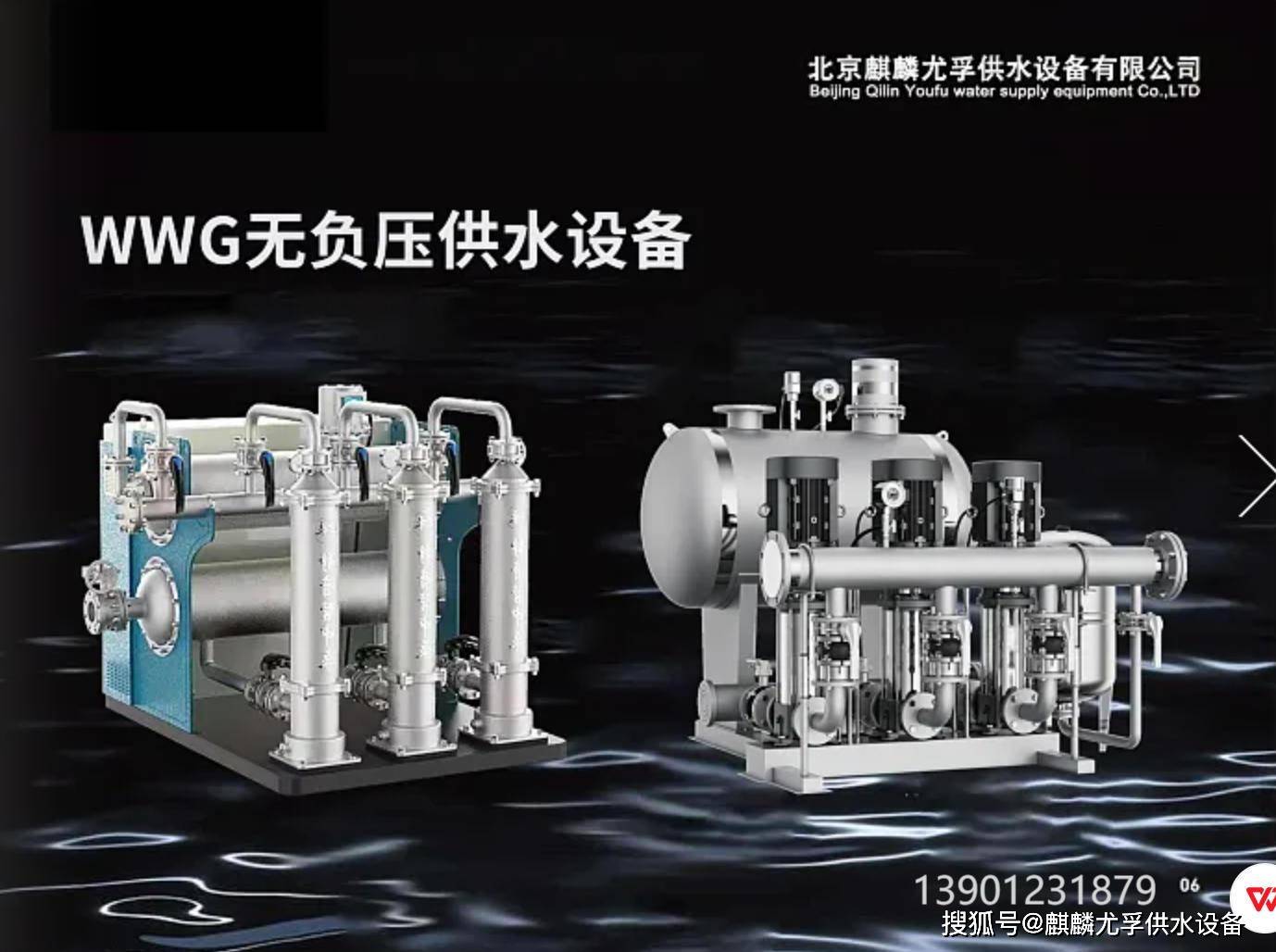
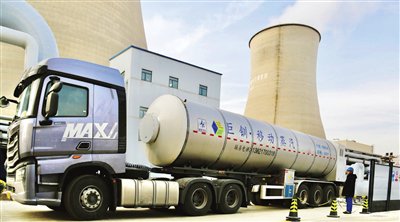
移动“供热宝” 充满蒸汽“跑”
Xin Lang Cai Jing· 2025-12-27 20:45
Group 1 - The core viewpoint of the article highlights the launch of the mobile industrial steam project by Huaneng Yangliuqing Thermal Power Plant, marking a significant advancement in energy efficiency and environmental sustainability in the region [3] - The project is a collaboration between Huaneng Yangliuqing Thermal Power Plant and Juchuan (Tianjin) Energy Technology Co., Ltd., utilizing a contract energy management approach to fill a technological gap in mobile steam supply [3] - The mobile energy storage steam model addresses challenges such as high pipeline investment costs, planning and approval difficulties, and long construction periods due to the distance between heat sources and users [3] Group 2 - The project includes the establishment of a steam filling station at Huaneng Yangliuqing Thermal Power Plant, which will fill steam at temperatures between 300°C and 350°C into mobile storage vehicles for transportation to heat users [3] - Huaneng Yangliuqing Thermal Power Plant will sell steam to Juchuan Company, which is responsible for vehicle procurement, steam filling, and transportation operations [3] - Currently, four companies have signed tripartite framework agreements for steam usage, and the first transportation of steam has been successfully completed [3]
山东:工业余热集中供 清洁电能入户来
Xin Hua Wang· 2025-12-27 02:14
Group 1 - The residents of Xinxing Community in Zizhou Town, Ningyang County, Shandong Province, are now enjoying heating from industrial waste heat sourced from a chemical park located 7 kilometers away, marking a shift from traditional coal heating [1] - Approximately 15,000 residential users and over 10 unit users in Ningyang County are currently benefiting from this industrial waste heat heating system [1] Group 2 - Feicheng City in Shandong Province is actively promoting electric heating projects, which replace traditional scattered coal with clean electric energy, improving residents' quality of life [3] - This transition to electric heating also contributes effectively to reducing air pollution and achieving energy conservation and emission reduction goals [3]
重磅!2025年中国及31省市锅炉制造行业政策汇总及解读(全)
Qian Zhan Wang· 2025-12-26 02:16
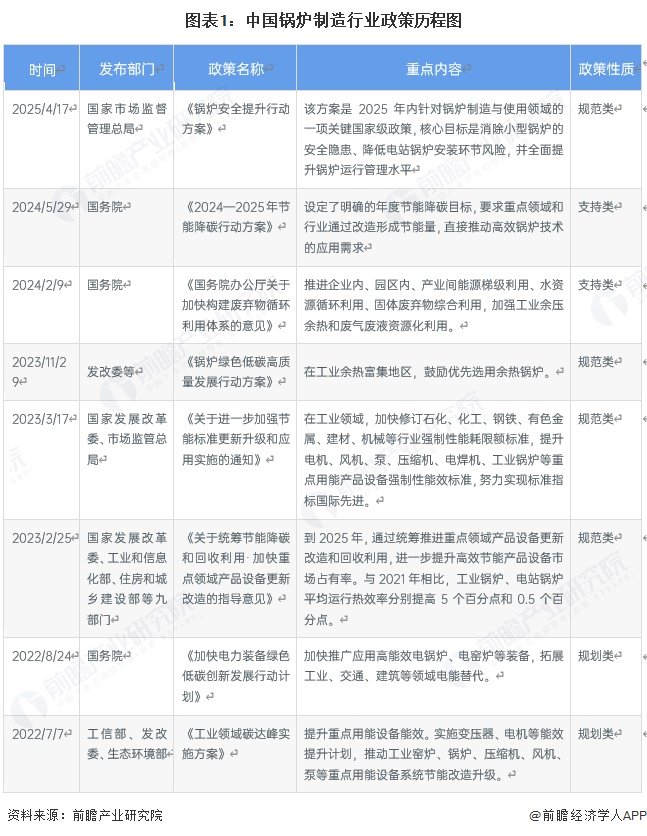
Core Insights - The boiler manufacturing industry in China is transitioning towards energy efficiency, environmental protection, and user-friendliness, as highlighted in the "13th Five-Year Plan" which emphasizes energy-saving actions across various sectors [1] Policy Overview - The Chinese government has introduced several key policies aimed at enhancing the safety and efficiency of boiler manufacturing, including the "Boiler Safety Improvement Action Plan" set for implementation by April 2025, which targets the elimination of safety hazards in small boilers [3] - The "2024-2025 Energy Saving and Carbon Reduction Action Plan" mandates specific energy-saving and carbon reduction targets for key industries, promoting the adoption of high-efficiency boiler technologies [3] - The "Guidelines for Accelerating the Construction of Waste Resource Utilization Systems" encourage the utilization of industrial waste heat and resources, further supporting the boiler industry's transition to greener practices [3] Industry Development Goals - The industry aims to continuously improve the energy efficiency of equipment systems, focusing on the application of high-efficiency energy equipment and the renovation of existing energy-consuming devices [15] - There is a push for the development of integrated services for high-efficiency and energy-saving boilers, including design, production, installation, and operation [15] - The promotion of low-carbon transformation in industrial energy use is emphasized, particularly in sectors such as copper, iron, petrochemicals, and building materials, advocating for the use of electric heating technologies [15] Provincial Policies - Various provinces are implementing their own policies to support the boiler manufacturing industry, such as Beijing's initiative to enhance the efficiency of gas boilers and promote electric heating systems [16] - In Hebei, a plan has been established to encourage the replacement of old equipment with energy-efficient models, aligning with national energy-saving goals [16] - Inner Mongolia's policy aims for over 80% of steel production capacity to achieve ultra-low emissions by 2025, which includes the comprehensive implementation of low-emission standards for coal-fired boilers [16]


强化约束力严格控制城市亮化工程
Xin Lang Cai Jing· 2025-12-24 19:52
Core Viewpoint - The report on the implementation of the Energy Conservation Law highlights significant achievements while identifying existing issues and challenges, emphasizing the need for legal revisions and enhanced enforcement to promote energy conservation and green development [1] Group 1: Achievements and Challenges - The implementation of the Energy Conservation Law has shown notable results, but challenges remain in areas such as energy-saving awareness, enforcement, and technological promotion [1] - Issues identified include insufficient control over "high energy consumption" projects, lack of accountability, and inadequate enforcement of laws [1] Group 2: Recommendations for Improvement - It is recommended to revise the Energy Conservation Law to strengthen legal constraints and enhance public education on energy conservation [1] - Suggestions include establishing a coordinated development model that integrates digital, ecological, and industrial policies to promote sustainable economic development [1] - The government should link corporate social responsibility with financing incentives to encourage energy-saving technology research and provide financial support [1] Group 3: Technological and Market Mechanisms - Digital technologies such as IoT, AI, and big data should be leveraged to create smart ecological industrial parks and facilitate energy-saving efforts [1] - The construction of a robust energy-saving market system is necessary, including adjustments to resource pricing mechanisms to guide energy-saving behaviors [1] - Emphasis on technological innovation is crucial, with calls for increased research on energy recycling technologies and the optimization of energy structures [1] Group 4: Focus on Clean Energy - The transition to clean energy is seen as a critical step, with clean energy expected to replace fossil fuels due to technological advancements and cost competitiveness [1] - The industrial sector, which accounts for two-thirds of national energy consumption, is highlighted as a key area for energy-saving and carbon reduction initiatives [1] - Recommendations include accelerating the elimination of outdated equipment and promoting the transformation of traditional industries towards high-end, intelligent, and green development [1]
1176家危化品企业全面完成搬迁改造
Zhong Guo Hua Gong Bao· 2025-12-24 02:56
Core Viewpoint - The relocation and transformation of 1,176 hazardous chemical production enterprises have been completed, significantly reducing safety and environmental risks in densely populated urban areas while promoting high-quality development in the petrochemical industry [1] Group 1: Achievements of the Relocation and Transformation - A total of 516 enterprises have closed, 283 have relocated, and 377 have undergone on-site transformation [1] - The relocation has substantially reduced safety and environmental risks, ensuring the safety of people's lives and property, with some enterprises achieving enhanced safety and environmental standards through the transformation [1] - The initiative has accelerated industry transformation and upgrading, releasing market space for advanced production capacity, with some enterprises optimizing product structures and implementing intelligent upgrades, thereby significantly enhancing core competitiveness [1] Group 2: Environmental Impact - The relocation and transformation efforts are projected to reduce carbon dioxide emissions by 16.2 million tons, volatile organic compounds by 15,000 tons, sulfur dioxide by 5,600 tons, and nitrogen oxides by 8,700 tons annually [1] Group 3: Social Stability - The initiative has effectively addressed risks related to employee relocation and placement, with no reported incidents of employee petitions or mass events, thereby maintaining social stability [1]
建筑变“绿”的秘密(延伸阅读)
Ren Min Ri Bao· 2025-12-23 22:28
Core Viewpoint - The construction industry is undergoing a profound green transformation, shifting towards energy conservation and emission reduction through innovative technologies and a change in development concepts [1] Group 1: Green Building Definition and Importance - Green buildings aim to maximize energy, land, water, and material savings throughout their entire lifecycle, while protecting the environment and providing healthy, efficient spaces for people [1] - The construction of green buildings is a systematic project that encompasses design, construction, and operation phases [1] Group 2: Design and Technology Innovations - In the design phase, scientific physical environment designs can significantly reduce reliance on active heating and cooling systems [1] - Green buildings emphasize the use of efficient mechanical and electrical systems and the integration of renewable energy sources [1] Group 3: Operational Efficiency - The operational phase of green buildings holds significant energy-saving potential, utilizing smart operation platforms and AI algorithms to automatically adjust air conditioning and lighting [1] - Real-time monitoring and diagnostics of equipment operation data can preemptively warn of faults and identify abnormal energy consumption, continuously improving energy efficiency [1] Group 4: Benefits to Individuals and Society - Green buildings typically have lower operational energy consumption compared to conventional buildings, leading to substantial savings on water and electricity bills [1] - The use of environmentally friendly building materials and efficient fresh air filtration systems in green buildings can effectively reduce respiratory discomfort and allergy risks [1] Group 5: Contribution to Sustainability Goals - Promoting green buildings can help achieve "dual carbon" goals and provide individuals with more livable and sustainable living spaces [1]