共享经济

Search documents
三峡旅游跌2.02%,成交额1.23亿元,主力资金净流出881.26万元
Xin Lang Cai Jing· 2026-01-13 06:00
Core Viewpoint - The stock of China Three Gorges Tourism has experienced fluctuations, with a recent decline of 2.02% and a total market value of 5.63 billion yuan, despite a year-to-date increase of 4.72% [1] Financial Performance - For the period from January to September 2025, the company achieved a revenue of 609 million yuan, representing a year-on-year growth of 9.48%, while the net profit attributable to shareholders decreased by 23.29% to 85.87 million yuan [3] - Since its A-share listing, the company has distributed a total of 508 million yuan in dividends, with 138 million yuan distributed over the past three years [4] Stock Market Activity - As of January 13, the stock price was 7.77 yuan per share, with a trading volume of 123 million yuan and a turnover rate of 2.18% [1] - The stock has seen a significant increase over various time frames: 9.28% over the last five trading days, 12.12% over the last 20 days, and 34.66% over the last 60 days [1] Shareholder Information - As of January 9, the number of shareholders increased by 5.01% to 20,900, with an average of 34,231 circulating shares per person, a decrease of 4.77% [3] - Notable new institutional shareholders include Penghua Quality Governance Mixed Fund, holding 15.59 million shares, and other funds entering the top ten shareholders [4] Business Overview - The company, established in 1998 and listed in 2011, operates in various sectors including tourism services, transportation, and logistics, with tourism services contributing 34.47% to total revenue [2]

三峡旅游涨2.09%,成交额4623.74万元,主力资金净流出39.59万元
Xin Lang Cai Jing· 2026-01-12 02:12
Core Viewpoint - The stock of China Three Gorges Tourism has shown significant growth in recent trading sessions, with a notable increase in share price and trading volume, indicating positive market sentiment towards the company [1]. Group 1: Company Overview - China Three Gorges Tourism Group Co., Ltd. is located at No. 5 Gangyao Road, Yichang City, Hubei Province, established on August 10, 1998, and listed on November 3, 2011 [2]. - The company's main business includes passenger station operations, inter-provincial bus services, domestic express delivery, insurance agency services, port machinery leasing, ticketing services, and tourism operations [2]. - The revenue composition of the company includes tourism comprehensive services (34.47%), comprehensive transportation services (21.36%), and various other segments related to tourism and transportation [2]. Group 2: Financial Performance - As of December 31, the company reported a total revenue of 609 million yuan for the period from January to September 2025, representing a year-on-year growth of 9.48%, while the net profit attributable to shareholders decreased by 23.29% to 85.87 million yuan [3]. - Since its A-share listing, the company has distributed a total of 508 million yuan in dividends, with 138 million yuan distributed over the past three years [4]. Group 3: Shareholder and Market Activity - As of September 30, 2025, the number of shareholders for China Three Gorges Tourism was 19,900, a decrease of 5.46% from the previous period, with an average of 35,947 circulating shares per shareholder, an increase of 5.77% [3]. - The stock has seen a price increase of 5.26% year-to-date, with a 9.85% rise over the last five trading days, a 16.92% increase over the last 20 days, and a 33.28% increase over the last 60 days [1].
当万物皆可变包挂丨生活中的经济学
Xin Lang Cai Jing· 2026-01-11 05:54
Core Insights - The rise of bag charms reflects the "self-pleasure economy," showcasing personal expression and emotional satisfaction in consumer behavior [1][2] - The trend is particularly popular among the "Z generation," who favor low-cost, innovative accessories that allow for personal style changes without significant financial commitment [2][3] Group 1: Consumer Behavior - 64% of consumers prioritize spiritual consumption, with younger demographics seeking emotional fulfillment and psychological satisfaction [1] - Bag charms serve as a form of emotional support and security, appealing to a wide age range beyond just the youth [1] Group 2: Market Dynamics - The low-cost and high-frequency nature of bag charms blurs the line between fashion and practicality, making them appealing to consumers [2] - The trend encourages "creative consumption," where individuals engage in DIY projects, enhancing their sense of identity and achievement [2] Group 3: Marketing and Supply Chain - Marketing strategies effectively capture consumer psychology through series collections, hidden items, and collaborations, driving ongoing consumption [3] - A flexible supply chain supports the rapid iteration and small-batch production of bag charms, allowing for quick responses to market trends [3] Group 4: Cultural Integration and Ecosystem - Local cultural tourism departments are creating unique cultural bag charms, integrating cultural value into fashion trends [3] - Bag charms have stimulated a broader accessory ecosystem, including related products like charm clips and DIY kits, reflecting a convergence of consumption upgrades and industry development [3]
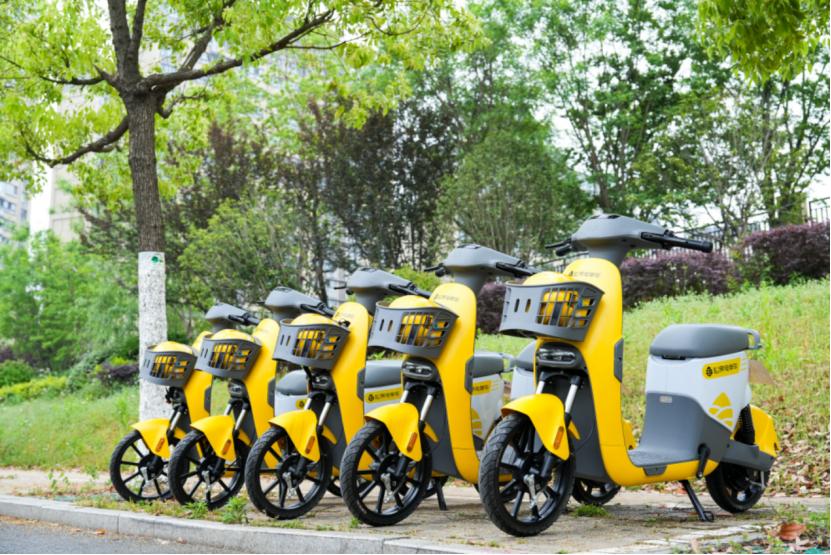
45万辆共享电单车,从县城跑向港股
虎嗅APP· 2026-01-11 02:45
Core Viewpoint - The article discusses the recent IPO attempt of Pinecone Wisdom Inc., the parent company of the shared electric bike service, Songguo Travel, highlighting the challenges and market dynamics of the shared electric bike industry in China [5][6]. Group 1: Company Overview - Songguo Travel has filed for an IPO on the Hong Kong Stock Exchange, marking its second attempt after a failed attempt to list in the U.S. in 2021 due to unfavorable market conditions [6]. - The company reported revenues of 9.53 billion RMB, 9.63 billion RMB, and 7.46 billion RMB for the first three quarters of 2023, 2024, and 2025, respectively, with adjusted net profits in a loss state for 2023 and 2024, but expected to turn profitable in 2025 [6][7]. Group 2: Market Dynamics - The shared electric bike market has faced regulatory challenges, with a significant slowdown in growth due to government restrictions in major cities, although lower-tier cities have seen some relaxation of these regulations since 2019 [8][19]. - The market for shared electric bikes is projected to reach 22.1 billion RMB by 2025, with major players like Hello, Didi, and Meituan dominating the market, while Songguo Travel ranks fourth with a market share of 6.6% [8][20][27]. Group 3: Business Model and Financial Performance - Songguo Travel operates on a heavy asset leasing model, generating revenue primarily from bike rentals, which accounted for 98.1%, 97%, and 93.6% of total revenue in 2023, 2024, and 2025, respectively [13][14]. - Despite a slight increase in gross margin from 15.8% in 2023 to 24.3% in 2025, the company has faced cumulative adjusted losses of 97.75 million RMB, with a significant portion of losses occurring in the fourth quarter of 2024 [15][16]. Group 4: Competitive Landscape - The article notes that while shared electric bikes have a better unit economics model compared to shared bicycles, the market is becoming saturated, with a projected compound annual growth rate (CAGR) of only 8.3% from 2025 to 2029 [19][20]. - Songguo Travel's strategy includes expanding into higher-tier cities and diversifying its business, although it faces challenges in competing with larger players who benefit from ecosystem advantages [30][31]. Group 5: Future Prospects - The company aims to use the funds from its IPO to expand its market coverage, enhance AI and data analytics capabilities, and explore international expansion opportunities [26][27]. - However, the article raises concerns about the attractiveness of being a smaller player in a market that is losing investor interest, questioning whether Songguo Travel can achieve sustainable profitability in the long term [32].

安徽手百科技深耕共享儿童游乐设备新赛道,打造全国儿童游乐场景共享化
Jin Tou Wang· 2026-01-09 04:33
Core Insights - The article highlights the emergence of the shared economy in the children's amusement sector, driven by advancements in 5G and IoT technologies, positioning it as a new growth area for the industry [1] Group 1: Company Overview - Anhui ShouBai Technology Co., Ltd. was established in 2019 in Hefei, Anhui, focusing on the development of shared IoT software and hardware, specifically targeting the shared children's amusement market [1] - The company has a strong technical foundation, with a team of software engineers and a proprietary IoT cloud platform capable of managing millions of devices in real-time, enhancing the operational efficiency and safety of shared amusement equipment [1][2] Group 2: Market Positioning - ShouBai Technology has identified significant pain points in traditional children's amusement venues, such as high operational costs and limited coverage, and aims to meet the growing demand for safe, accessible, and cost-effective entertainment options for families [2][3] - The company focuses on producing diverse amusement equipment that adheres to safety standards while incorporating popular children's IP and interactive educational concepts, catering to various age groups [3] Group 3: Business Strategy - The company employs a "direct sales + joint venture" model for deploying its equipment in high-frequency family-oriented locations such as shopping malls, communities, parks, and tourist attractions, aiming to build a nationwide shared children's amusement service network [3] - ShouBai Technology emphasizes the importance of technology in unlocking the value of the shared children's amusement market and plans to continue enhancing product safety and interactive experiences while expanding its market presence [3][6]

从“边缘赛道”到日常选择,中国汽车租赁正在“去周期性”
Xin Lang Cai Jing· 2026-01-09 04:14
Core Insights - The Chinese car rental industry is experiencing significant growth, with the market size expected to reach approximately 1.42 trillion yuan in 2024, maintaining an expansion trend driven by changes in consumer behavior and travel preferences [3][5][16] - The shift towards self-driving travel is becoming mainstream, with over 80% of the public choosing self-driving for holidays, indicating a transformation in rental car usage from a temporary solution to a regular travel option [5][12][16] - Policy support is evident, with the government encouraging car rental and sharing as part of green consumption initiatives, which is expected to enhance the industry's growth and sustainability [8][12][16] Industry Trends - The total number of small and micro passenger car rentals in China is around 4 million, indicating a rapid development phase, particularly in the short-term rental market, which is projected to grow at an annual rate of about 15% during the 14th Five-Year Plan period [1][3] - The integration of car rental into the complete travel chain is becoming common, with more families and business users opting for a combination of high-speed rail or flights followed by car rentals [5][12] - The younger generation, particularly those born after 2000, is increasingly incorporating car rentals into their holiday and social activities, driving demand for personalized and experiential services [5][12] Consumer Behavior - Consumers are shifting towards a "use rather than own" mentality, particularly among younger demographics, which is reshaping the rental market and pushing for service innovation [5][12] - The demand for seamless rental experiences is rising, with features like mobile booking, self-service pick-up and drop-off, and the ability to return vehicles in different locations becoming more prevalent [9][12] - The growth of demand for intercity rentals is pushing companies to enhance their national coordination capabilities, requiring stronger financial and operational management [12][15] Technological Advancements - The introduction of AI and digital solutions is becoming crucial for improving service quality and operational efficiency within the rental industry [13][15] - The rise of electric vehicles (EVs) is influencing rental experiences, with EVs being favored in short-distance scenarios, while traditional fuel vehicles remain popular for long-distance travel due to convenience [12][13] - The implementation of national standards for car rental services is expected to raise industry entry barriers and promote standardization, enhancing consumer trust and service quality [12][15] Future Outlook - The car rental industry is transitioning from a highly fragmented and price-sensitive market to a more mature stage that emphasizes scale, system capabilities, and service quality [16][17] - As the industry evolves, companies will need to balance efficiency, customer experience, and trust to remain competitive in a changing landscape [17] - The ongoing transformation in consumer habits and supportive policy environments suggests that car rentals may increasingly become a regular choice for daily travel rather than just a temporary solution [16][17]

估值缩水近3成、三年亏超4亿元,松果出行拟赴港IPO
凤凰网财经· 2026-01-08 15:09
Core Viewpoint - Pinecone Wisdom Inc., a shared electric bike company primarily targeting county-level markets, has submitted its IPO application to the Hong Kong Stock Exchange after previously withdrawing from a U.S. listing due to unfavorable market conditions [2][3]. Group 1: Company Overview - Pinecone Wisdom Inc. was founded in 2017 by Zhai Guanglong, a former member of the Meituan founding team, and has previously launched several projects in the transportation sector [5]. - The company has received investments from notable institutions such as Innovation Works, Qiming Venture Partners, and Sequoia China, with major shareholders holding significant stakes prior to the IPO [5]. Group 2: Market Position and Financial Performance - As of 2024, Pinecone ranks first in China's "peripheral development areas" and fourth overall in the market, with a market share of only 6.6% compared to the top three competitors who hold 67.4% [3][5]. - The company's valuation has significantly decreased, with the latest funding round valuing it at $996 million, down $386 million from its peak in 2021 [3]. - Financial data shows that the company has faced cumulative net losses exceeding 400 million RMB in the first three quarters of 2023, 2024, and 2025, with revenue growth stagnating over the past three years [5][6]. Group 3: Financial Metrics - For the fiscal year ending December 31, 2023, the company reported revenues of 953.334 million RMB, with a gross profit of 150.716 million RMB, resulting in a net loss of 192.172 million RMB [6]. - Research and development expenditures have decreased over the years, with 2023, 2024, and the first nine months of 2025 showing R&D costs of 129 million RMB, 123 million RMB, and 85 million RMB respectively [7]. - Cash and cash equivalents stood at 157 million RMB as of September 30, 2025, indicating a need for careful cash flow management [8]. Group 4: Strategic Direction and Challenges - The company plans to use IPO proceeds to expand its regional coverage and explore overseas opportunities, shifting its focus to higher-tier cities starting in 2024 [10]. - Regulatory challenges are emerging, with cities like Chengdu and Shanghai implementing measures that may hinder the growth of shared electric bikes, reflecting safety concerns and urban management issues [11]. - The future outlook for Pinecone Wisdom remains uncertain as it navigates a competitive landscape and regulatory hurdles [12].

多地涉嫌违规投放? 松果出行急于IPO:差评越来越多,订单越来越少 | 次世代车研所
Xin Lang Cai Jing· 2026-01-08 01:14
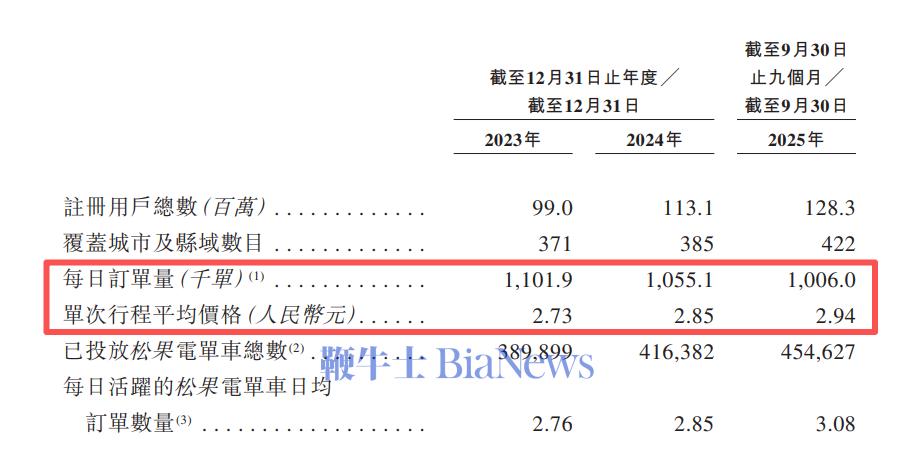
Core Viewpoint - Songguo Travel, the fourth largest shared electric bike operator in China, is preparing for an IPO but is facing significant challenges including rising prices, user complaints, and increasing competition from major players like Didi and Meituan [2][21]. Group 1: Financial Performance - Songguo Travel has experienced a cumulative loss of over 400 million yuan from 2023 to the first three quarters of 2025 [3][8]. - Revenue has stagnated, with 2023 and 2024 revenues reported at 953 million yuan and 963 million yuan respectively, and 746 million yuan for the first three quarters of 2025, showing little growth [6][25]. - The average price per ride has increased from 2.73 yuan in 2023 to 2.94 yuan in the first three quarters of 2025, but this strategy has not effectively boosted revenue [4][24]. Group 2: User Experience and Market Position - User complaints have surged, with the WeChat mini-program rating dropping to 1.2, highlighting issues such as high fees and poor service [3][26]. - Daily order volume has decreased from 1.1019 million in 2023 to 1.006 million in the first three quarters of 2025, attributed to strategic adjustments in operational areas [4][23]. - As of September 30, 2025, Songguo Travel has deployed 454,627 bikes across 422 cities, holding an 18.7% market share in peripheral development areas [4][22]. Group 3: Cost Management and Operational Challenges - The company has reduced R&D spending from 1.29 billion yuan in 2023 to 850 million yuan in the first three quarters of 2025, alongside a decline in employee costs [10][29]. - Despite cost-cutting measures, executive salaries have increased, raising concerns about management priorities amid ongoing financial losses [10][30]. - Regulatory challenges have emerged, with reports of illegal bike deployments in cities like Luoyang and Hefei, complicating market expansion efforts [13][32]. Group 4: Competitive Landscape - Songguo Travel faces intense competition from established players like Didi, Meituan, and Hello, which possess greater financial and technological resources [17][36]. - The company’s market share is significantly lower than its competitors, with a reported 6.6% market share based on transaction volume for 2024 [17][36]. - The company previously attempted to list in the US but shifted focus to the Hong Kong market due to unfavorable conditions [17][36].
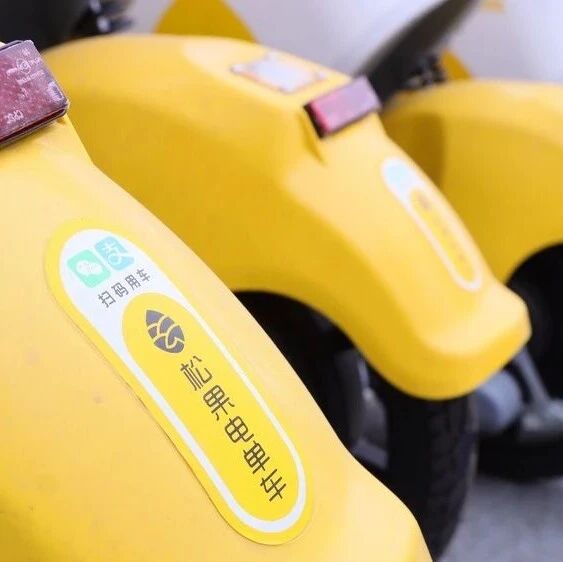
多地涉嫌违规投放?松果出行急于IPO:差评越来越多,订单越来越少
Xin Lang Ke Ji· 2026-01-08 00:37
Core Viewpoint - Songguo Travel, the fourth largest shared electric bike operator in China, is preparing for an IPO but is facing significant challenges including rising prices, declining user satisfaction, and increasing competition from major players like Didi and Meituan [1][5][27] Financial Performance - Songguo Travel has reported a cumulative loss exceeding 400 million yuan over two years, with net losses of 1.92 billion yuan in 2023, 1.51 billion yuan in 2024, and 600 million yuan in the first three quarters of 2025 [3][17] - Revenue has stagnated, with figures of 9.53 billion yuan in 2023, 9.63 billion yuan in 2024, and 7.46 billion yuan in the first three quarters of 2025, showing little growth [9][21] Pricing Strategy - The average price per ride has increased from 2.73 yuan in 2023 to 2.85 yuan in 2024, and further to 2.94 yuan in the first three quarters of 2025, yet this strategy has not effectively boosted revenue [8][9] User Experience and Satisfaction - User complaints have surged, with the WeChat mini-program rating plummeting to 1.2, indicating significant dissatisfaction with pricing and service quality [2][15] - Issues reported include high fees for services, inadequate customer support, and operational inefficiencies leading to unexpected charges [15][16] Market Position and Competition - As of September 30, 2025, Songguo Travel operates 454,627 bikes across 422 cities, holding an 18.7% market share in peripheral development areas, but faces fierce competition from Didi, Meituan, and Hello [7][26] - The company has been accused of illegal deployments in multiple cities, which could hinder its growth and operational capabilities [5][23][25] Cost Management - To achieve profitability, Songguo Travel has reduced R&D expenditures and employee benefits, while management salaries have increased, indicating a disparity in cost management strategies [4][18][20]
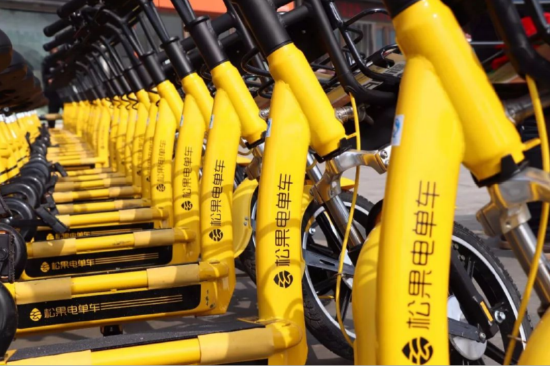
松果出行赴港IPO:投放45万辆电单车,一年进账近10亿
3 6 Ke· 2026-01-07 10:41
Core Viewpoint - Pinecone Wisdom Inc, the parent company of Songguo Travel, has filed for an IPO on the Hong Kong Stock Exchange, aiming to capitalize on the growing demand for shared electric bikes in China's underserved county markets [1][4]. Company Overview - Songguo Travel was founded in 2017 by Zhai Guanglong, who identified the opportunity in the shared electric bike sector after observing the inadequacies of public transport in smaller cities [2][3]. - The company has adopted a heavy asset development model, establishing its own factories and maintaining a high proportion of direct operations [2]. Financial Performance - As of September 2025, Songguo Travel has deployed over 450,000 electric bikes across 422 cities and counties, with 128 million registered users [7]. - Revenue projections for 2023 and 2024 are approximately 953 million and 963 million RMB, respectively, showing minimal growth [7][9]. - The company has faced significant losses, with adjusted net losses of approximately 80.08 million RMB in 2023 and 44.07 million RMB in 2024, although it is projected to achieve profitability in the first nine months of 2025 with an adjusted net profit of about 26.4 million RMB [7][9]. Market Position - Songguo Travel ranks first in China's sinking market and fourth overall in the shared electric bike market, with a market share of 6.6% as of 2024 [7][10]. - The company is competing against major players like Meituan and Didi, which have more robust ecosystems, making it challenging for Songguo to maintain a competitive edge [10]. Investment and Financing - The company has maintained a consistent financing rhythm, completing multiple funding rounds since its inception, with the latest D+ round in November 2022 valuing the company at approximately 996 million USD [4][3]. - Notable investors include Baidu, Sequoia China, and SoftBank, indicating strong interest from venture capital and private equity [2][3]. Industry Challenges - The shared electric bike industry faces significant challenges, including high operational costs and regulatory pressures, which have led to a decline in order volumes [10][12]. - The market is perceived as increasingly saturated, with daily order volumes decreasing from 1.1 million in 2023 to 1.006 million in 2025 [10]. Future Outlook - The company must navigate a competitive landscape and regulatory environment to achieve sustainable profitability, as the shared electric bike market continues to evolve [10][12].