医养结合

Search documents
河南出台三年行动计划 助推养老服务从兜底迈向品质
Zheng Zhou Ri Bao· 2026-01-12 00:46
Core Viewpoint - The Henan Provincial Government has issued a three-year action plan to reform and develop elderly care services, focusing on "bridging gaps, optimizing supply, strengthening guarantees, and promoting integration" to ensure high-quality development in elderly care services [1] Group 1: Enhancing Elderly Care Facilities - The action plan addresses the shortage of elderly care facilities in rural areas and the lack of precision in urban services, proposing actions to strengthen rural elderly care and upgrade urban services [2] - By the end of 2026, over 60% of county-level special care institutions are expected to meet the three-star standard, with full coverage by the end of 2027 [2] - The plan emphasizes the establishment of standardized village-level elderly care service stations and the integration of elderly care facilities into community developments [2] Group 2: Integrating Medical and Elderly Care - The action plan highlights the importance of integrating medical services with elderly care, supporting the establishment of specialized care areas for cognitive impairments and increasing the proportion of nursing beds in new elderly care institutions to at least 80% [3] - By the end of 2026, a subsidy for elderly care services will be provided to eligible elderly individuals with moderate to severe disabilities [3] - The goal is to establish over 600 integrated medical and elderly care institutions by the end of 2027 [3] Group 3: Promoting Elderly Dining Services - The action plan aims to optimize the layout of elderly dining services, encouraging the establishment of elderly dining halls and supporting various entities to participate in meal delivery services [5][6] - By the end of 2026, a number of sustainable elderly dining service brands will be cultivated, with a target of 30 quality brands by the end of 2027 [6] Group 4: Developing Elderly Consumer Products - The plan proposes to enhance the promotion of elderly products and develop a variety of health management devices and age-friendly home products [7] - By the end of 2027, the establishment of "Silver Economy Streets" in community commercial centers is planned to create a convenient shopping environment for the elderly [7] - The integration of elderly care services with other sectors such as home services, healthcare, and tourism is encouraged to create experiential consumption scenarios [7]
协商议政谋发展 笃行实干促振兴
Xin Lang Cai Jing· 2026-01-09 20:47
(来源:沈阳日报) 转自:沈阳日报 组织开展重点协商议政活动19次,形成各类调研协商成果160多篇;征集提案745件,立案656件,全部 办复;积极反映社情民意信息,52篇被全国政协、省政协采纳;委员深入界别群众开展活动600余次, 全年参加各类履职活动累计12000多人次……一组组亮眼数据,镌刻着市政协2025年围绕中心、服务大 局的坚实足迹。 过去一年,在市委的坚强领导下,市政协始终锚定东北亚国际化中心城市建设目标,充分发挥委员主体 作用,联合市各民主党派、工商联、无党派人士,积极投身沈阳振兴发展的火热实践,以协商聚共识、 以实干促发展,用实打实的成效诠释政协担当。 集智聚力绘发展新篇 谋定而后动,厚积而薄发。过去一年,市政协紧扣沈阳市国民经济和社会发展"十五五"规划编制这一重 要议题,精准发力、深耕细研,为沈阳高质量发展谋良策、聚合力。,协商议政谋发展 笃行实干促振 兴) 围绕五个"必须统筹",建议破解供需两端协调发力不足、新旧动能转换不够顺畅等问题;聚焦重大项目 支撑,建议加大重点产业集群和重点产业园区建设项目谋划力度……2025年10月17日,市政协召开十六 届二十七次常委会会议,围绕"制定沈阳市国 ...
北京5部门联合印发通知 开展医养结合促进行动 医疗机构可在养老院开设服务点
Xin Lang Cai Jing· 2026-01-08 22:04
(来源:千龙网) 未来,本市将强化医养协议合作。上述工作措施明确提出,各区卫生健康、民政部门要指导医疗卫生机 构与养老机构按照相关文件要求建立协议合作关系,规范签订并按约定履行合作协议,鼓励有偿签约、 多层次签约。巩固"握手"对接机制,基层医疗卫生机构对有意愿对接的养老机构要做到"应签尽签",按 职责提供基本公共卫生和基本医疗服务。具备条件的,每年为入住养老机构的65岁及以上老年人提供一 次集中上门健康管理服务。 针对失能失智老年人,各区卫生健康、民政部门要结合实际开展失能老年人健康服务行动,开展健康评 估、体格检查和健康指导等服务。将经济困难失能老年人等群体集中照护服务纳入服务类社会救助清 单,协助有意愿的经济困难失能老年人选择合适的养老机构并给予补助。开展应对老年期痴呆北京行 动,鼓励养老机构设立失智老年人照护专区(单元)。规范发展家庭养老床位,为失智老年人提供专 业、规范的居家照护服务。 居家服务方面,本市支持有条件的医疗卫生机构将服务延伸至社区养老服务机构,为失能失智、慢性 病、高龄、残疾等老年人提供医养结合服务。建立健全激励机制,支持基层医疗卫生机构通过家庭医生 签约,为有需求的老年人提供上门巡诊、 ...
医疗机构可在养老院开设服务点
Xin Lang Cai Jing· 2026-01-08 17:59
Core Viewpoint - The city has launched a joint initiative to promote high-quality development of integrated medical and elderly care services, involving multiple government departments to enhance collaboration between healthcare institutions and elderly care facilities [1][2][3] Group 1: Policy Measures - The initiative supports the establishment of medical service stations within elderly care institutions and integrates these institutions into a close-knit medical alliance management system [1] - It encourages the transformation of underutilized secondary and lower-level medical institutions into rehabilitation hospitals, nursing homes, and palliative care centers [1] - Elderly care institutions can entrust their internal medical facilities to healthcare institutions for management, aiming to increase the number of nursing care beds [1] Group 2: Cooperation and Services - The policy emphasizes the establishment of cooperative agreements between healthcare institutions and elderly care facilities, promoting multi-level contracts and ensuring basic public health and medical services are provided [2] - It includes health service actions for disabled and cognitively impaired elderly individuals, offering health assessments and guidance, and integrating economically disadvantaged groups into social assistance programs [2] - The initiative supports extending services from healthcare institutions to community elderly care services, providing home visits and family beds for elderly individuals with various health needs [2] Group 3: Technological Integration - The city encourages collaboration between integrated care institutions and healthcare providers with internet diagnostic capabilities to offer remote consultations and chronic disease management [3] - It promotes the use of internet hospitals for home-based elderly patients to manage common and chronic diseases [3] - By the end of 2027, all eligible integrated care institutions will be included as designated medical insurance points [3]
济宁高新区、济宁市第一人民医院签约三级养老服务体系建设
Qi Lu Wan Bao· 2026-01-08 03:08
钟海涛表示,济宁市第一人民医院将对标政策标准,以高度的责任感和使命感,全力支持高新区养老服 务体系建设。希望以此次签约为契机,进一步深化协作,秉持求真务实的工作作风,充分发挥三级医院 专业技术优势和区域辐射能力,推动优质医疗资源下沉向养老服务体系延伸,将合作项目做实做优、结 出硕果,打造全省医养结合示范标杆,让群众享受更有品质、更有尊严的晚年生活。 下一步,医院将进一步凝聚合力、聚焦关键、突破创新,力争将济宁市第一人民医院高新区医疗集团打 造成为全市乃至全省的医改示范标杆,为积极应对人口老龄化、增进老年群众福祉作出新的更大贡献! 1月6日,济宁高新区三级养老服务体系建设战略合作协议签约仪式顺利举行。济宁高新区党工委书记、 管委会主任王亚栋,济宁市第一人民医院党委书记钟海涛出席并讲话,会议由济宁市委组织部副部长、 济宁市委党员教育中心主任、济宁高新区党工委副书记朱磊主持。济宁市第一人民医院党委委员、副院 长吕超亮,济宁高新区党工委委员、发展软环境保障局局长杨小生参加并致辞。 仪式上济宁高新区管委会、济宁市第一人民医院、济宁美美医安康颐养健康有限公司三方代表共同签署 了《济宁高新区三级养老服务体系建设战略合作协议 ...
民生幸福 健康守护|472家护理院、6.9万张床位 ,江苏书写“老有优护”民生答卷
Xin Lang Cai Jing· 2026-01-06 16:24
Core Viewpoint - The aging population in China is projected to exceed 300 million by the end of 2024, accounting for 22.0% of the total population, highlighting the urgent need for integrated medical and care services for the elderly, particularly those with disabilities or semi-disabilities [1] Group 1: Innovations in Elderly Care - The藕塘 Nursing Home in Wuxi has implemented an innovative model that integrates community health services with public nursing care, allowing for daily settlement of medical insurance and providing significant financial relief for elderly patients [2] - This model addresses the challenge of accessibility to medical care for the elderly by ensuring seamless integration of medical and nursing services, particularly beneficial for those with disabilities [3] - The establishment of the first provincial white paper on public nursing home management and service standards provides a framework for similar institutions, promoting standardized development [3] Group 2: Health Management and Rehabilitation - The惠丰 Health Center in Taizhou has been proactive in exploring integrated medical and nursing care, focusing on chronic disease management and rehabilitation, which has laid a solid foundation for the establishment of nursing homes [5] - The马垫 Nursing Home in Liyang has demonstrated effective emergency medical response capabilities, showcasing the integration of smart technology in elderly care, which enhances patient safety and care efficiency [6] - The nursing home incorporates traditional Chinese medicine into its services, offering a comprehensive care model that includes medical treatment, rehabilitation, and palliative care for the elderly [6] Group 3: Technological Integration in Elderly Care - The藕塘 Nursing Home is advancing smart elderly care by introducing robots and monitoring systems that enhance safety and care precision while maintaining the dignity and privacy of residents [8] - The integration of smart systems allows for real-time monitoring of residents' health and activities, reducing the burden on caregivers and improving overall care quality [8] Group 4: Growth and Impact of Nursing Homes - By 2025, Jiangsu Province plans to add 13 new grassroots medical institutions with nursing homes and attract social investment for 15 new nursing homes, resulting in over 3,400 new beds [9] - The total number of nursing homes in Jiangsu is expected to reach 472, with 69,000 beds, representing over one-third of the national total, underscoring the province's leadership in developing a diverse and high-quality integrated medical and nursing care system [9] - The shift in care philosophy from "treating illness" to "preventing illness" and managing health comprehensively reflects a significant advancement in elderly care services, ensuring that every elderly individual can enjoy a healthy and dignified life [9]

为什么养老院华而不实:为评级还是为老人?
3 6 Ke· 2026-01-04 10:55
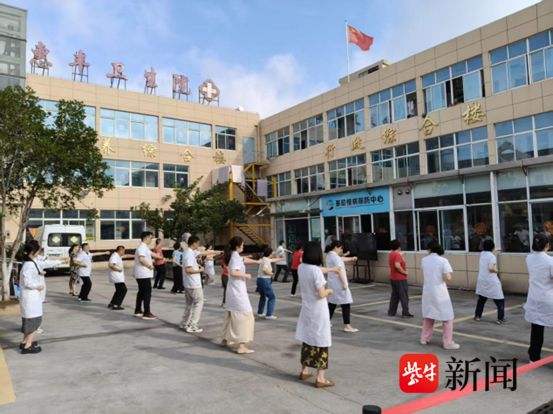
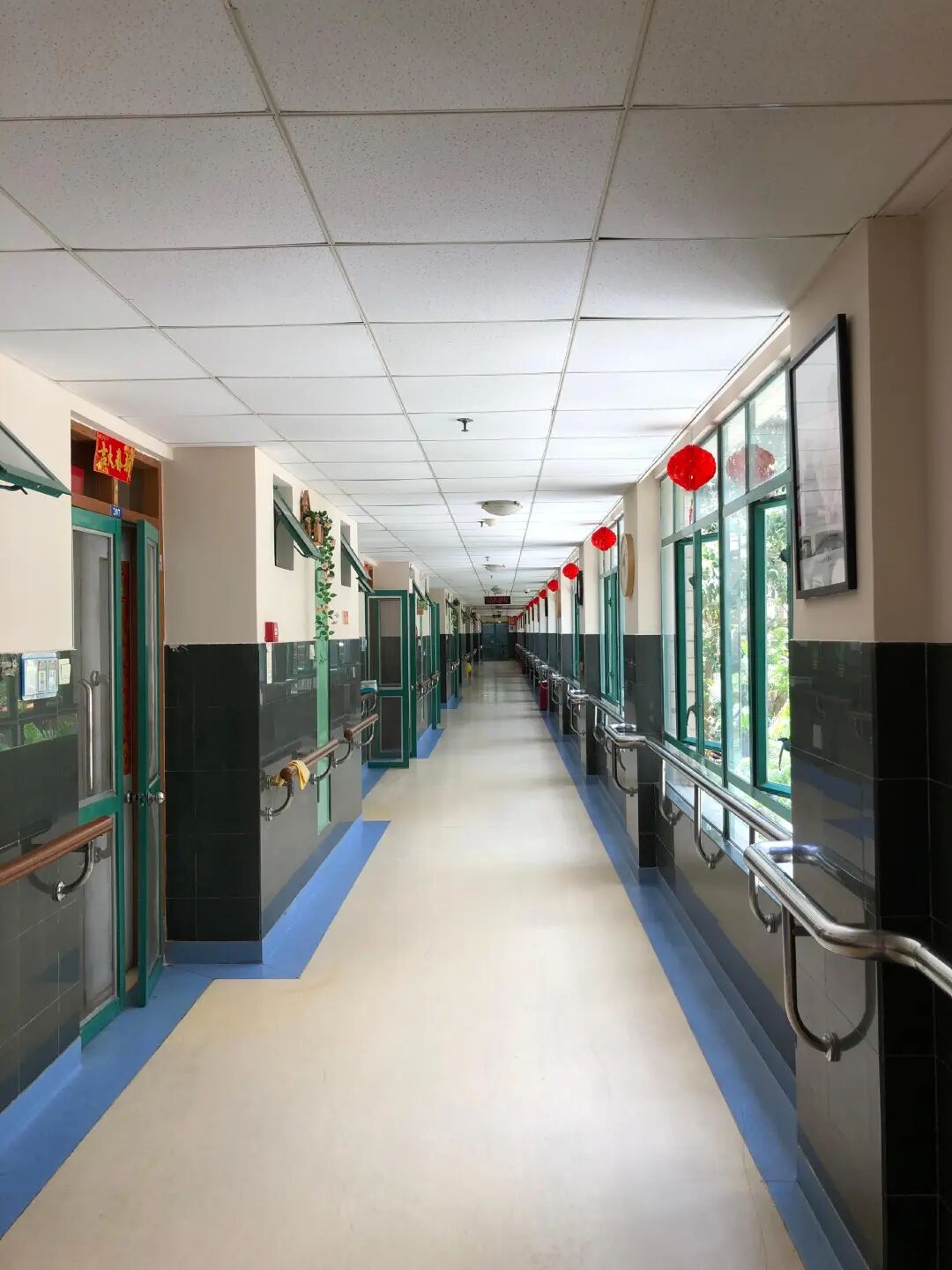
Core Insights - A domestic mid-range elderly care institution has faced unexpected challenges after adopting Japan's "group care" model, which emphasizes a communal living environment for elderly residents [1] - The institution's layout, designed to facilitate caregiver access and promote a family-like atmosphere, has led to practical issues such as long queues for shared bathrooms and conflicts among residents over hygiene preferences [1] - Research indicates a mismatch between the design of elderly care facilities and the actual needs of residents, highlighting a common dissatisfaction among both elderly individuals and caregivers regarding facility design [1][2] Group 1: Facility Design and Utilization - The institution's design includes shared living spaces and basic amenities, but residents have reported discomfort due to noise and lack of privacy, undermining the intended communal benefits [1] - Many elderly care facilities have been criticized for their luxurious designs that do not meet the practical needs of residents, leading to low occupancy rates despite high initial investments [3][4] - Common facilities, such as public bathrooms, are often underutilized due to privacy concerns and inadequate design features, resulting in wasted space [4][5] Group 2: Operational Challenges and Resident Needs - A significant number of elderly residents prefer single rooms for privacy, with over 67% expressing willingness to pay higher fees for such accommodations [11] - The operational model of some facilities prioritizes service quality over physical space, demonstrating that attentive care can lead to high occupancy even in less-than-ideal physical conditions [8] - The research emphasizes the importance of smaller, well-designed care units to foster closer relationships between caregivers and residents, which can enhance service quality [15] Group 3: Regulatory and Standardization Issues - The introduction of national standards for elderly care facilities has led to a focus on achieving higher ratings, but many facilities struggle to meet these standards while also addressing the real needs of residents [2][9] - Facilities that fail to meet physical standards often resort to improving service quality as a means of attracting residents, indicating a potential gap in the effectiveness of current evaluation criteria [9][10] - The research suggests that the evaluation standards for elderly care facilities should be more flexible to accommodate the diverse needs and conditions of different facilities across the country [11]
为什么养老院华而不实:为评级还是为老人?
经济观察报· 2026-01-04 09:49
Core Viewpoint - The article highlights the mismatch between the design of elderly care facilities and the actual needs of the elderly, leading to underutilization of resources and dissatisfaction among residents [1][4][6]. Group 1: Facility Design and Utilization - Many elderly care institutions have made renovations to meet evaluation standards, but these changes often do not align with the real needs of the elderly, resulting in wasted funds and resources [1][4]. - A case study of a mid-range elderly care facility inspired by Japan's "group care" model revealed that while the layout aimed to create a communal living atmosphere, it led to practical issues such as long queues for shared bathrooms and conflicts among residents over usage [2][3]. - High-end elderly apartments initially designed for self-sufficient and mildly disabled seniors struggled with low occupancy rates due to a mismatch between luxurious facilities and the actual needs of the elderly population, which primarily consisted of those with higher care requirements [6][11]. Group 2: User Experience and Satisfaction - Research indicates that many elderly residents express dissatisfaction with the facilities, citing issues such as noise from communal areas and inadequate privacy in shared living spaces [3][7]. - A significant portion of elderly residents prefer single rooms for better living quality, with over 67% indicating a willingness to pay higher fees for such accommodations [13]. - The article emphasizes that the focus on high-end facilities often overlooks essential details that impact the daily lives of residents, such as adequate storage space for personal belongings and the need for private areas for family visits [12][13]. Group 3: Operational Challenges - Many elderly care facilities face challenges in implementing integrated medical and care services, with many medical facilities remaining unused due to bureaucratic hurdles and operational inefficiencies [8][9]. - The article points out that some facilities, despite not meeting formal evaluation standards, maintain high occupancy rates by prioritizing quality care and personalized services over physical infrastructure [11][12]. - The need for smaller, more manageable care units is highlighted, as larger facilities can lead to increased operational difficulties and a less personalized care experience for residents [18][19]. Group 4: Recommendations for Improvement - The article suggests that the ideal size for elderly care facilities should be between 200 to 300 beds, with smaller care units for specific needs, such as dementia care, to enhance the quality of care and reduce stress on staff [18]. - It advocates for a shift in focus from merely meeting structural standards to enhancing the quality of service and care provided to residents, emphasizing the importance of flexibility in evaluation criteria [13][14]. - The article also stresses the importance of considering the emotional and social needs of the elderly, advocating for designs that foster a homelike atmosphere rather than a clinical environment [14][15].
“五星级”养老院,老人们住不惯
Jing Ji Guan Cha Wang· 2026-01-04 09:05
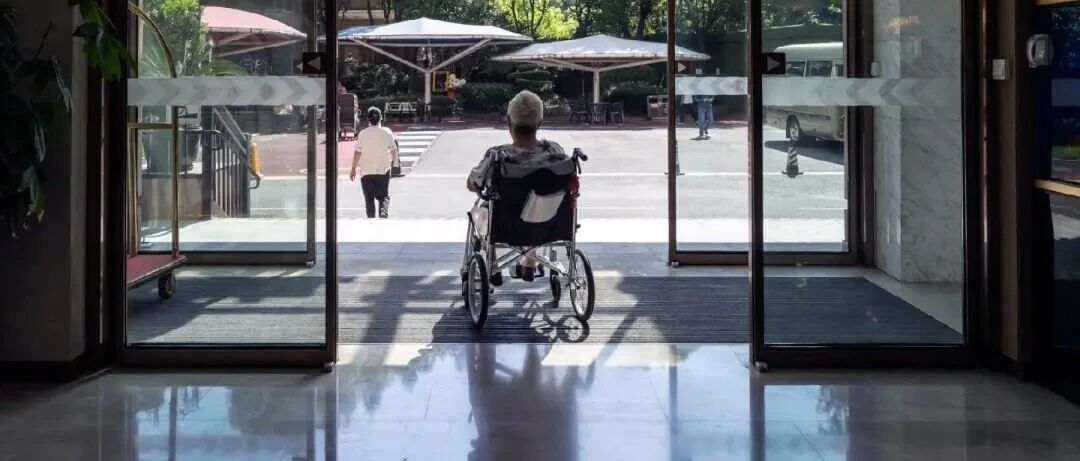
Core Insights - The article discusses the challenges faced by a mid-range elderly care institution in China that adopted a Japanese "group care" model, highlighting issues such as inadequate facilities and mismatched needs of the elderly [1][2]. Group 1: Facility Design and User Experience - The care institution's layout, designed to foster a communal living environment, has led to practical issues such as long queues for shared bathrooms and conflicts among residents over hygiene practices [1][2]. - Many elderly residents expressed dissatisfaction with the noise levels and lack of privacy in shared spaces, indicating a disconnect between the design intentions and actual user experiences [1][4]. - A high-end elderly apartment initially designed for self-sufficient and mildly disabled seniors struggled with low occupancy due to a mismatch between luxurious facilities and the actual needs of the elderly population [3][4]. Group 2: Service Quality and Operational Challenges - Despite having medical facilities, many elderly care institutions face operational difficulties, such as challenges in obtaining prescription rights and integrating with health insurance, leading to underutilized medical resources [5]. - A community-based elderly care facility, despite not meeting certain regulatory standards, has maintained high occupancy due to its focus on quality care and personalized services, demonstrating that service quality can outweigh physical facility shortcomings [7][8]. Group 3: Design Flaws and User Needs - The article highlights the importance of considering user needs in facility design, noting that many elderly residents prefer private bathing options over communal facilities, which often lack necessary amenities [4][10]. - The lack of adequate storage space for personal belongings in care facilities has been a common complaint among residents, indicating a need for better attention to detail in design [9][10]. - The preference for single rooms among elderly residents is significant, with over 67% expressing a willingness to pay more for privacy, suggesting that current shared living arrangements may negatively impact quality of life [10]. Group 4: Regulatory and Evaluation Standards - The introduction of a national standard for evaluating elderly care institutions has led to some facilities making changes to meet these standards, but often at the expense of actual resident needs [2][6]. - The article argues for a more flexible evaluation system that considers the diverse conditions and challenges faced by different elderly care institutions, rather than applying a one-size-fits-all approach [10][12]. Group 5: Future Directions and Recommendations - The ideal size for elderly care institutions is suggested to be between 200 to 300 beds, with smaller care units for specific needs, to enhance care quality and reduce operational burdens [12]. - Emphasizing the importance of creating a home-like atmosphere, the article advocates for service models that prioritize personal connections between staff and residents, similar to the "Green House" model in the U.S. [11].
人民政协报:2025中国康养产业趋势报告
Sou Hu Cai Jing· 2026-01-02 21:56
Core Insights - The core conclusion of the report is that China's health and wellness industry is transitioning from a singular focus on elderly care to an integrated ecosystem that caters to all age groups, driven by both policy and market forces, with a need for smart empowerment and ecological collaboration to overcome development bottlenecks and achieve high-quality growth [1][15]. Industry Development Core Trends - Health and wellness is defined as an active health practice throughout the life cycle, integrating health, wellness, medical care, and tourism, addressing the three-dimensional needs of "body," "mind," and "spirit" [2]. - The market size is projected to reach 9.8 trillion yuan by 2025 and 14.6 trillion yuan by 2030, indicating significant growth potential [2]. - Key features for 2025 include the establishment of standardized policies, accelerated implementation of smart health solutions, and deepening cross-industry integration [2][28]. - The aging population, with over 310 million people aged 60 and above by 2024, along with the "Healthy China 2030" strategy, are primary drivers of this industry [2]. User Profile and Consumer Demand - The consumer base is becoming more age-diverse and family-oriented, with a significant portion of users engaging in wellness activities with their parents [3]. - Health and wellness needs vary by age group, with younger consumers focusing on relaxation and stress relief, while older consumers prioritize rehabilitation and professional care [3]. - There is a noticeable shift in consumer behavior from "treating illness" to "preventing illness," with a focus on overall health and quality of life [3]. Innovative Cases and Models - The industry has developed six core sectors: travel, medical care, real estate, insurance, traditional Chinese medicine, and food, with various benchmark cases showcasing unique characteristics [5]. - International examples from France, Germany, and Japan provide reference paths for resource integration and community collaboration in China's health and wellness industry [5]. Challenges and Development Recommendations - Key challenges include a shortage of professional talent, lack of service standards, insufficient coordination between medical and elderly care resources, and regional disparities in development [4]. - Recommendations for development include precise policy implementation, enhancing payment systems, breaking down resource barriers, and focusing on differentiated positioning and product innovation [4].