
思政教育

Search documents
南通:产业工人大轮训 激活发展新动能
Xin Hua Ri Bao· 2025-08-28 00:06
Group 1 - The article highlights a new model of ideological education in South China's Nantong City, focusing on "targeted" and "chain-based" approaches to engage workers effectively [1] - A large-scale training demonstration event for industrial workers was recently held in the Hai'an Robot Industrial Park, utilizing a lively and accessible format akin to a talk show [1] - Nantong is one of the first pilot cities for industrial reform in the province, with the municipal trade union actively implementing national policies to enhance the quality of the industrial workforce [1] Group 2 - The establishment of the "Jiang Hai Workers' Lecture Hall" aims to coordinate various county-level trade unions and conduct targeted ideological education [2] - The integration of local red labor movement resources and the creation of a "walking ideological classroom" are part of the efforts to enhance workers' political education [2] - Continuous grassroots activities, such as "Hao Bin Summer Nights" and "Hundred Movies into the Grassroots," have been organized for over 20 years to promote cultural engagement among workers [2] Group 3 - The "Tonggonghui" smart service platform is being utilized to develop an online course registration system, ensuring training content meets specific enterprise needs [3] - A three-tier competition system has been established to evaluate training effectiveness, focusing on city-level competitions, industry contests, and enterprise drills [3] - A historical education lecture was delivered to workers, emphasizing the role of the Communist Party during the Anti-Japanese War, showcasing the integration of ideological education into workforce training [3] Group 4 - A multi-dimensional training service model is being developed by integrating resources from government, enterprises, and educational institutions [4] - A unified professional teacher database has been established, including experienced labor models, experts, and educators to enhance training quality [4] - The initiative aims to strengthen the political responsibility of trade unions in guiding workers to align with party values and enhance ideological work through innovative practices [4]
行走赣鄱大地 感受文化魅力
Ren Min Ri Bao· 2025-08-18 22:31
Group 1 - The core idea of the article is the implementation of the "Cultural Ganpo Tour" activity by Jiangxi University of Traditional Chinese Medicine, which aims to enhance ideological and political education through practical engagement in various cultural routes across Jiangxi Province [1] - The initiative involves 38 teams of teachers and students participating in hands-on experiences, such as observing traditional Chinese medicine preparation and learning about medicinal herb cultivation techniques [1] - The program is designed to mobilize thousands of students from hundreds of universities along ten cultural routes, including themes like "Red Culture," "Academy," "Ceramics," "Pharmacy," "Agriculture," "Opera," "Mining," "Hakka," "Tea," and "Gan Merchants" [1] Group 2 - Jiangxi Province has been implementing a "one theme per year" practical education model for three consecutive years, focusing on cultivating a sense of national identity among young students [1] - Activities include educational trips to historical sites and cultural heritage locations, such as the ancient kiln site in Hongzhou and the Xiaoping Xiaodao Memorial Hall in Nanchang, where students engage in discussions and learning [1] - The program aims to make ideological education more grounded and relevant to students' lives, fostering a deeper connection to their cultural heritage and national identity [1]
山东女子学院数据科学与计算机学院学子跨越4000公里支教边疆课堂
Qi Lu Wan Bao· 2025-08-11 08:37
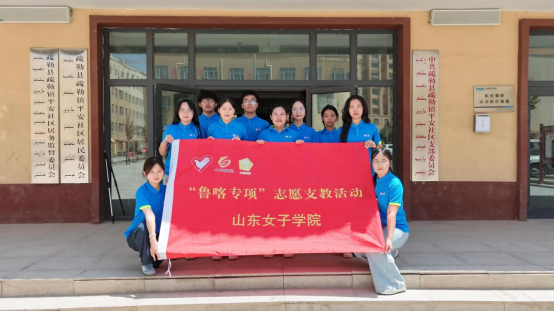
Core Perspective - The article highlights a volunteer teaching initiative by a group of students and faculty from Shandong Women's University, who traveled to the Xinjiang region to provide educational support, emphasizing the themes of ideological education, technological empowerment, and youth engagement [1][11]. Group 1: Ideological Education - The volunteer team conducted engaging classes that included singing patriotic songs and integrating local historical resources into their teaching, aiming to instill ideological values in students [3][5]. - The team utilized local cultural elements, such as the Zhang Qian Memorial, to create "living textbooks" that enhance the learning experience [3]. - The initiative is described as a "two-way journey," where both the volunteers and local students experience growth and learning through shared educational activities [11]. Group 2: Technological Empowerment - The team introduced innovative teaching methods, including a hands-on technology class where students learned about drones using 3D-printed models created by the volunteers [5][6]. - This approach not only provided knowledge but also aimed to inspire local students to engage with advanced technology, fostering a practical understanding of scientific concepts [6]. - The data collected during these educational activities will contribute to future academic research and support the university's participation in national innovation competitions [6]. Group 3: Youth Engagement - The initiative included a significant meeting with alumni who had previously participated in volunteer programs, creating a connection between past and present volunteers [8][10]. - Alumni shared their experiences and motivations for serving in the western regions, reinforcing the values of dedication and service among the current volunteers [10]. - This exchange of ideas and experiences is portrayed as a vital part of the educational journey, inspiring the next generation of volunteers to continue the legacy of service [10][11].

AI的回答,您怎么看?(师说)
Ren Min Ri Bao· 2025-07-28 22:51
Core Viewpoint - The integration of artificial intelligence (AI) in education is reshaping traditional classroom dynamics, presenting both challenges and opportunities for educators in guiding students' values and critical thinking [1][2]. Group 1: Impact of AI on Education - AI is influencing the role of teachers as knowledge transmitters, challenging their position as value guides for students [1]. - Students are increasingly using AI for answers, leading to a need for educators to teach critical thinking and discernment regarding information sources [1]. Group 2: Student Experience and Challenges - Some students express feelings of loneliness and the impact of information silos, indicating a need for educators to address the emotional and social aspects of learning [2]. - There is a call for educators to understand students' spiritual and emotional needs, encouraging open expression of feelings to help them find meaning and establish ideals [2]. Group 3: Opportunities for Educational Reform - The emergence of digital technologies presents new challenges but also opportunities for enhancing political education [2]. - The focus should be on helping students understand themselves and the world, fostering independent thinking and enriching their intellectual lives [2].
用青春守护把爱粮节粮意识“植入”心田
Yang Guang Wang· 2025-07-22 13:57
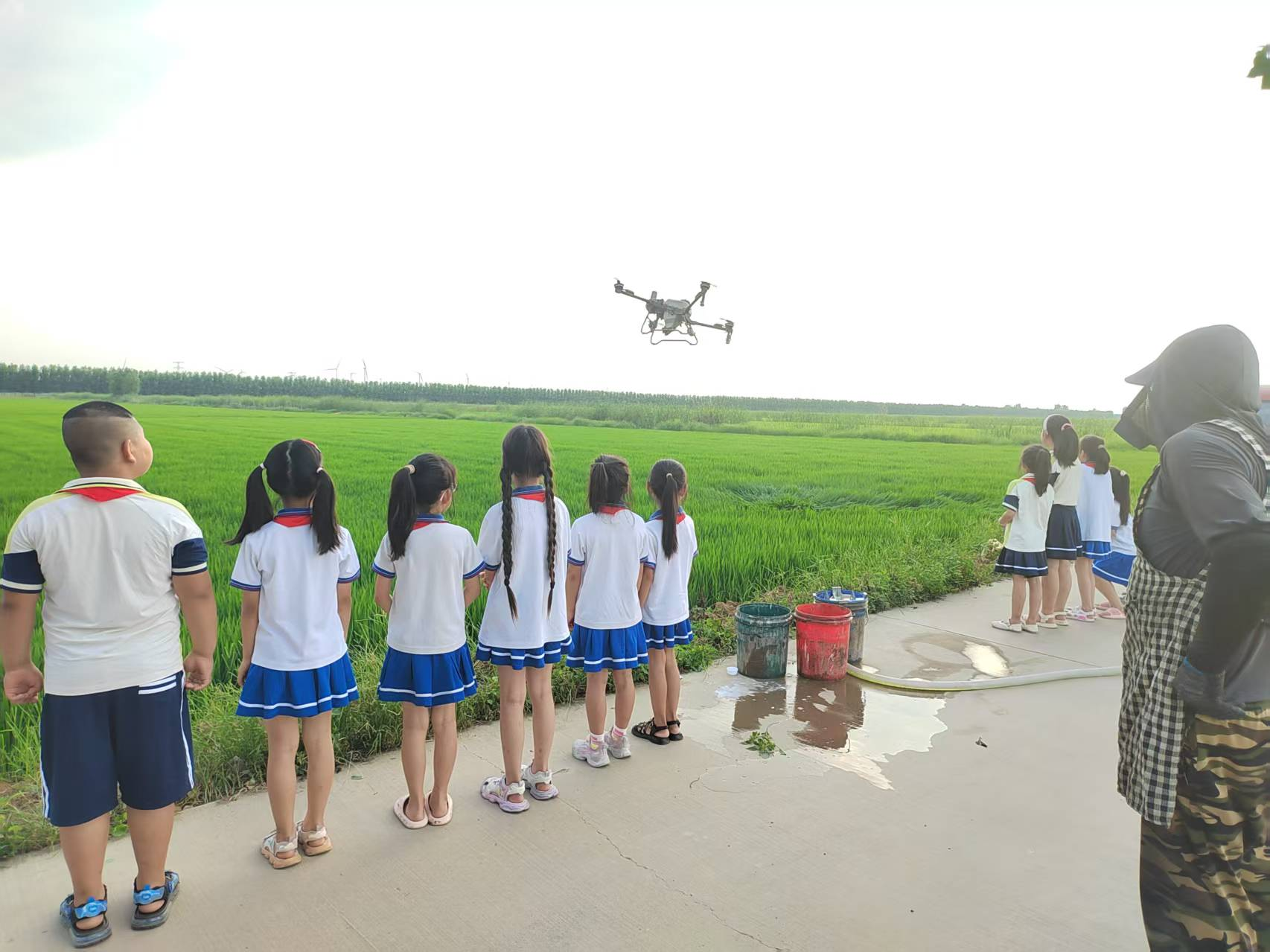
Core Insights - The article highlights a practical educational initiative that integrates ideological and political education with agricultural technology, engaging students from various educational levels in hands-on learning experiences [1][8]. Group 1: Educational Activities - Students from primary schools were introduced to agricultural technology, such as drones that can spray pesticides at 30 times the efficiency of manual labor, illustrating the impact of technology on farming [1][3]. - Middle school students participated in discussions about food waste and food security, emphasizing the importance of valuing food resources and the role of technology in improving agricultural yields [3][4]. - High school students engaged in practical farming activities, learning about the challenges and intricacies of agricultural work, while also being educated on the significance of high-quality rice production [4][5]. Group 2: Technological Integration - The initiative showcased various technological advancements in agriculture, including seed testing, soil analysis, and the use of drones for crop management, highlighting the importance of technology in modern farming practices [5][8]. - The program emphasized the need for high-quality rice production, with examples of premium rice varieties commanding higher market prices, thus underscoring the economic benefits of technological advancements in agriculture [4][5]. Group 3: Student Engagement and Responsibility - The project fostered a sense of responsibility among students regarding food security, encouraging them to cherish and protect food resources through creative activities and discussions [3][8]. - The initiative aimed to break down barriers between professional and ideological education, promoting a holistic approach to learning that combines knowledge acquisition with value-driven education [8][9].
数智时代背景下 “沧州师范学院七色文化 + 双创” 助力高校思想政治教育发展
Yang Shi Wang· 2025-07-01 03:47
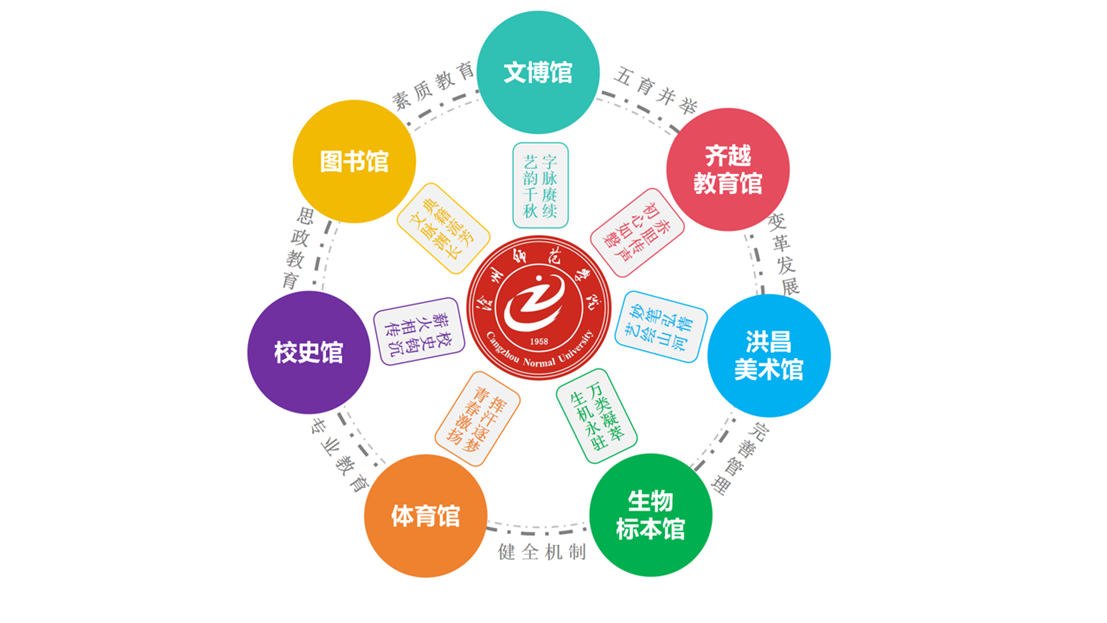
Core Viewpoint - Cangzhou Normal University is integrating "Seven Colors Culture" and "Innovation and Entrepreneurship Education" to create a unique ideological and political education system amidst the digital transformation wave [1][10]. Group 1: Ideological Guidance - The university is building a multi-level complementary ideological education system by incorporating the spirit of the 20th National Congress of the Communist Party into various cultural activities [3]. - A modular and dynamic ideological teaching matrix is being established, utilizing AI technology to analyze student interactions with art exhibits and provide tailored ideological resources [3][4]. Group 2: AI Empowerment - The university is leveraging AI image recognition technology to develop a "Species Evolution - Ecological Responsibility" ideological teaching model, creating a systematic intelligent education framework [4]. - A three-dimensional intelligent cultivation system is being constructed, generating profiles based on students' reading data and project practices to match cultural interests with ideological education [4][5]. Group 3: Cross-Disciplinary Integration - The curriculum is being reformed to include interdisciplinary courses that combine AI technology ethics with red culture dissemination, enhancing the educational experience [5]. - Innovative teaching methods are being employed through virtual entrepreneurship simulation platforms, allowing students to apply data visualization and ecological protection concepts in practical projects [5][6]. Group 4: Collaborative Ecosystem - The university is extending its cultural achievements beyond campus through online exhibitions, emphasizing the need for ideological education to break down campus walls and achieve a closed loop of cultural education and social service [6][8]. - A collaborative mechanism is being established to deepen resource sharing and support for students and educators, promoting a new model of integrated education and practice [8][10].
以“用心教”换“用心悟”
Ren Min Ri Bao· 2025-06-26 22:00
Group 1 - The quality and effectiveness of ideological and political courses in higher education have improved significantly, with the number of dedicated teachers increasing from 37,000 in 2012 to 117,000 in 2024, and the number of counselors rising from 142,000 to 279,000 [1] - Emphasis on value guidance is crucial for cultivating students' ideals and moral character, using relatable case studies to inspire students, such as the development of the J-10 fighter jets and Huawei's innovation amidst technological blockades [2] - Extending the classroom experience by encouraging teachers to spend more time with students outside of class is essential for enhancing the impact of ideological education, as seen in the "first mentor system" implemented at Beijing Youth Politics College [2] Group 2 - Addressing students' real-life difficulties and concerns is vital for building trust and fostering genuine communication, as neglecting these issues can hinder emotional connections [3] - Strengthening ideological leadership is a key aspect of building an education powerhouse, requiring innovative methods to enhance the thoughtfulness, theoretical depth, and relatability of ideological courses [3]
【青春华章·向西而歌】燕连福:上学生喜欢听、听得懂的思政课
Zhong Guo Qing Nian Bao· 2025-06-12 13:29
Core Viewpoint - The article highlights the innovative teaching methods and dedication of Yan Lianfu, a professor at Xi'an Jiaotong University, in making ideological and political education engaging and relevant for students [2][3][8]. Group 1: Teaching Philosophy and Approach - Yan Lianfu emphasizes the mission of "educating for the Party and nurturing talent for the country," integrating a comprehensive curriculum from undergraduate to doctoral levels [2]. - He has developed a "step-by-step" curriculum system that connects abstract theories with students' everyday experiences, making the content relatable and understandable [5]. - The teaching model has evolved from traditional methods to a more interactive and diverse approach, including "walking ideological classes" and "virtual simulation classrooms" [9]. Group 2: Course Design and Innovation - Yan has created a multi-dimensional teaching system that spans classrooms, fields, and online platforms, promoting a "big ideological education" concept [3]. - He has recognized the shift in students' learning habits and adapted his teaching methods accordingly, introducing the "Four Micro Integration" model, which breaks down lessons into shorter segments to maintain student engagement [8][9]. - His online course "Introduction to Chinese Philosophical Classics" has gained international recognition, attracting over 200,000 learners from more than 130 countries [7]. Group 3: Student Engagement and Feedback - Students express admiration for Yan's teaching style, noting his ability to make complex theories accessible and relevant to their lives [1]. - The innovative teaching methods have led to increased student interest and participation in ideological education, transforming it into a beloved subject [2][3].

青春华章 | 追光一路“声”花 逐梦“船”承百年
Yang Guang Wang· 2025-06-08 08:03
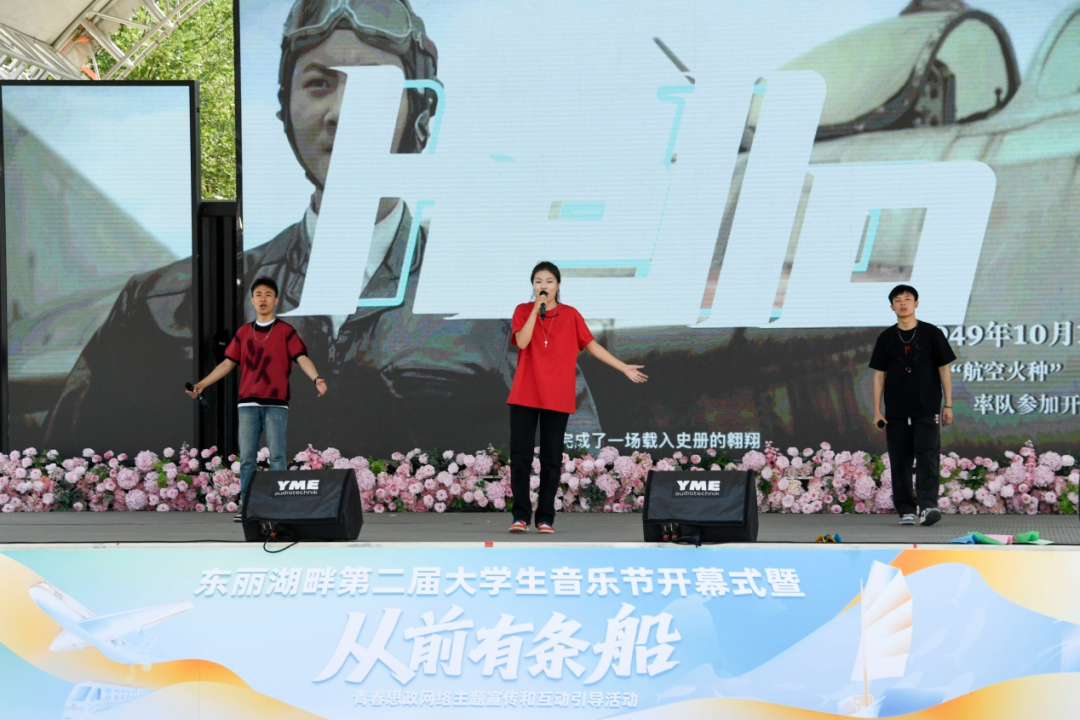
Group 1 - The event is the second University Student Music Festival in Dongli Lake, Tianjin, focusing on youth ideological education through innovative formats like music, drama, and data visualization [1][4][7] - The festival features four main chapters that connect historical narratives with contemporary youth aspirations, using the metaphor of a "ship" to symbolize cultural heritage and future journeys [4][5][9] - The event aims to create a "young-oriented" ideological education model, integrating various artistic forms to make ideological education more engaging and relatable for the youth [7][9] Group 2 - The festival highlights the importance of ideological education in schools, emphasizing the development of well-rounded socialist builders and successors [7] - Dongli District has been recognized as a "Big Ideological Course" comprehensive reform demonstration area, focusing on enhancing the appeal of ideological education through innovative reforms [7][9] - The event encourages collaboration among government youth, university students, professional troupes, and multimedia platforms to form a collective effort in ideological education [7]
在“双循环”新发展格局下提升大学生就业能力
Xin Hua Ri Bao· 2025-05-28 21:38
Group 1 - The new development pattern of "dual circulation" emphasizes the integration of domestic and international markets, guiding universities to enhance employment quality for students [1][3] - The focus of ideological and political education in universities should align with economic development needs, fostering a talent cultivation system that meets contemporary demands [1][2] - The integration of employment capability education into ideological and political courses is essential, addressing the impact of the "dual circulation" strategy on student employment [3][4] Group 2 - Ideological education should enhance students' innovation abilities, social responsibility, and professional spirit, serving as a foundation for improving employment capabilities [2][4] - A systematic cultural dissemination mechanism is necessary to enhance students' employment literacy, incorporating relevant policies and regulations into both theoretical and practical education [5][6] - Establishing a campus culture support system for employment, including expert guidance and career planning activities, is crucial for adapting to changes in the job market [6][7]