资本市场制度型开放

Search documents
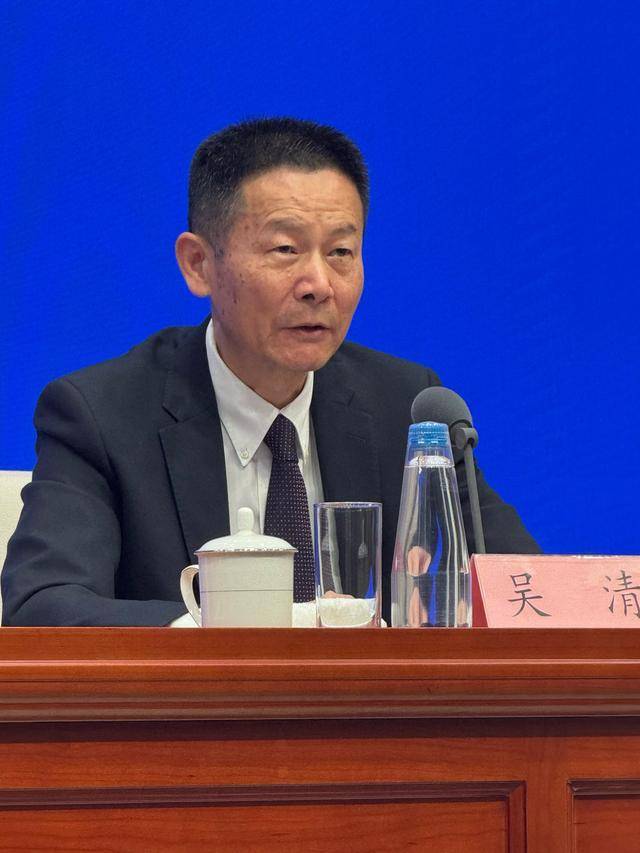
管涛:加快推进中国资本市场高水平制度型开放
Sou Hu Cai Jing· 2025-09-02 07:33
Group 1 - The core viewpoint emphasizes the necessity of advancing high-level institutional opening of China's capital market as a pathway to achieve high-quality development [1] - The article discusses the shift from traditional border opening to institutional opening, highlighting the importance of aligning domestic rules with international standards to enhance the competitiveness of China's capital market [5][6] - It identifies the strategic significance of institutional opening in the context of China's economic transition and the need for a robust market economy [10][11] Group 2 - The article outlines key principles for advancing institutional opening, including prioritizing domestic needs while being internationally oriented, and ensuring safety during the process [12][13][14] - It emphasizes the importance of a comprehensive approach to reforming the capital market, addressing structural contradictions while promoting institutional opening [17] Group 3 - The article details pathways for institutional opening in the stock market, focusing on areas such as stock issuance, trading, investment, and securities firms [19] - It suggests specific measures for enhancing the stock issuance process, including supporting domestic companies in overseas listings and facilitating foreign companies' access to the A-share market [20][21][22] Group 4 - The article discusses the need for improvements in the bond market, including enhancing the information disclosure mechanism and credit rating system to attract foreign investment [34][35] - It highlights the importance of developing a robust framework for investor protection and default resolution in the bond market [39][40] Group 5 - The article addresses potential risks associated with institutional opening, including the need to prevent issues such as regulatory misalignment, information leakage, external shocks, malicious attacks, and financial sanctions [42] - It emphasizes the importance of maintaining national security and stability while pursuing capital market opening [46][47]


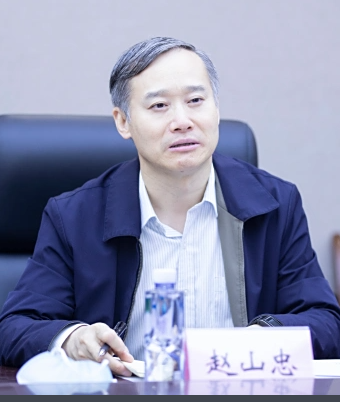
证监会两核心司局迎新任掌舵人:赵山忠执掌机构司 申兵出任国际司司长
Xin Lang Zheng Quan· 2025-08-25 07:08
Group 1 - The core viewpoint of the news is the significant personnel changes within the China Securities Regulatory Commission (CSRC), specifically the appointments of Zhao Shanzhong and Shen Bing to key leadership positions, which are expected to enhance regulatory effectiveness and promote high-level openness in the capital market [1][5]. Group 2 - Zhao Shanzhong has officially taken over as the Director of the Institutional Supervision Department, having previously served as the Secretary and President of the Securities Association of China. His experience includes roles in various regulatory bodies, emphasizing the importance of investor support for the capital market's effective functioning [3][5]. - Shen Bing, now returning to the International Department as its Director, previously held the position of Director of the Institutional Supervision Department. His return is anticipated to strengthen cross-border regulatory cooperation and the institutional opening of the capital market [3][5]. - The adjustments reflect the CSRC's commitment to enhancing institutional supervision and maintaining continuity and stability in promoting high-level openness, which is beneficial for consolidating regulatory synergy and improving regulatory efficiency [5].
资本市场高水平制度型开放蹄疾步稳 中国资产吸引力不断增强
Zheng Quan Ri Bao· 2025-07-28 17:13
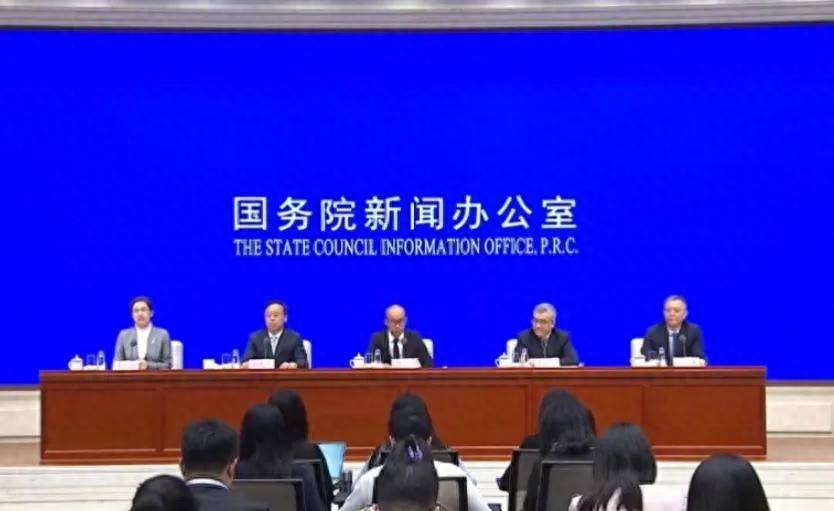
Core Viewpoint - The China Securities Regulatory Commission (CSRC) is advancing high-level institutional opening of the capital market, focusing on enhancing cross-border cooperation and attracting foreign investment [1][2][5] Group 1: Capital Market Opening - The CSRC is continuously improving policies for foreign investment, easing access for qualified foreign institutional investors (QFII), and expanding their investment scope [2][5] - The A-share market has successfully been included in major international indices such as MSCI and FTSE Russell, indicating a growing integration with global markets [2][3] Group 2: Foreign Investment Confidence - Foreign institutions, including Morgan Stanley and UBS, have expressed increased confidence in China's economic growth and stock market potential, particularly in the technology sector [4] - The overall foreign ownership in the Chinese capital market is steadily increasing, supported by favorable policies and the market's resilience [3][4] Group 3: Future Policy Directions - The CSRC plans to introduce more policies to enhance capital market openness, including optimizing the QFII system and expanding the range of products available for foreign investors [5][6] - Future recommendations include broadening cross-border investment channels, enhancing the derivatives market, and improving regulatory cooperation to create a more robust open ecosystem [6]


证监会:稳步推进高水平制度型开放
news flash· 2025-07-25 08:29
金十数据7月25日讯,证监会:稳步推进高水平制度型开放。系统研究完善资本市场对外开放总体布 局、实施路径,稳妥有序抓好自主开放重点举措落实落地,推动在岸与离岸市场协同发展,持续拓展资 本市场跨境合作新空间。增强资本市场重大问题研究的权威性和影响力,更好服务国家战略和监管需 要。 证监会:稳步推进高水平制度型开放 ...
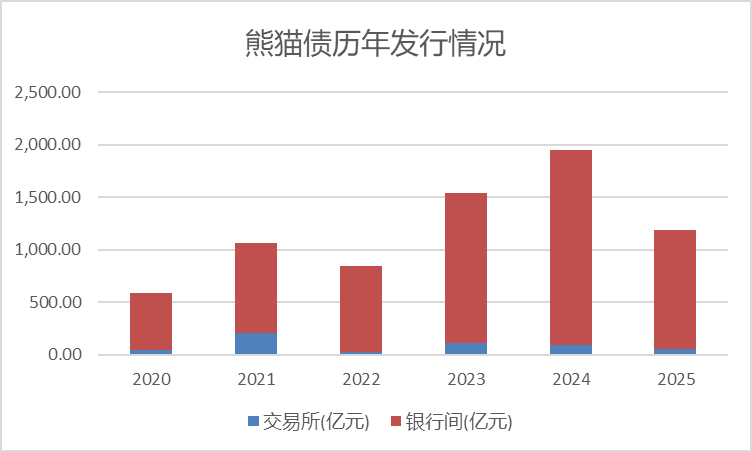
里程碑!熊猫债累计发行规模突破一万亿元
Xin Hua Cai Jing· 2025-07-22 08:51
Core Viewpoint - The issuance of offshore institutions' onshore RMB bonds, known as "Panda Bonds," has officially surpassed 1 trillion yuan, reaching 1,093.89 billion yuan, marking a significant milestone in China's bond market opening process [1] Group 1: Historical Context and Growth - In the past decade, the issuance of Panda Bonds has grown from billions to trillions, starting with 1.13 billion yuan in 2005 and only reaching 11.3 billion yuan by 2015 due to regulatory constraints [2] - The issuance volume first exceeded 100 billion yuan in 2016, and by 2022, it reached a record of 1,948 billion yuan annually [2] - In 2023, 61 entities have issued 101.2 billion yuan in bonds, with expectations to approach 200 billion yuan for the year [2] Group 2: Investor Structure and Market Expansion - The investor base for Panda Bonds has diversified from large banks to include central banks, sovereign funds, insurance companies, asset management firms, and foreign private equity funds [3] - As of now, over 90 institutions have issued Panda Bonds, covering international development institutions, foreign sovereign governments, and non-financial enterprises across five continents [3] - In the first half of 2025, the issuance scale reached 84.4 billion yuan, with a year-on-year growth of 165% [3] Group 3: Future Outlook - The successful crossing of the 1 trillion yuan threshold for Panda Bonds reflects the coordinated advancement of China's capital market reforms and the internationalization of the RMB [6] - Analysts predict continued growth in Panda Bond issuance, estimating a net issuance of approximately 161 billion yuan in 2025, with total issuance potentially reaching around 223 billion yuan, a year-on-year increase of about 14% [6][7] - The favorable policy environment and the increasing global appeal of RMB assets are expected to support this growth trajectory [7]
IPO与存凭证并行,“H+A”路径明确
Di Yi Cai Jing· 2025-06-12 11:21
Core Viewpoint - The recent policy allows Hong Kong-listed companies based in the Guangdong-Hong Kong-Macao Greater Bay Area to list on the Shenzhen Stock Exchange, and those not based in the area can issue depositary receipts to achieve A-share listing, indicating a clearer path for "H+A" listings [1][2][8] Group 1: Policy Implications - The policy supports over 200 Hong Kong-listed companies based in the Greater Bay Area, including major firms like Tencent and Alibaba, providing new opportunities for these companies to return to the A-share market [1][4] - The policy clarifies the types of companies eligible for the "H+A" listing, potentially expanding to red-chip and overseas companies [2][5] Group 2: Company Types Affected - Two main categories of companies will benefit: 1. Companies registered in the Greater Bay Area that are listed on the Hong Kong Stock Exchange, with 250 such companies identified, of which 220 have not yet listed on A-shares [4] 2. Hong Kong-listed companies that may include red-chip and overseas firms, with 796 companies identified that are registered overseas but operate in mainland China [5] Group 3: Listing Mechanisms - The policy outlines two listing methods: 1. Direct listing for eligible companies registered in the Greater Bay Area on the Shenzhen Stock Exchange [9] 2. Issuance of depositary receipts (CDR) for eligible Hong Kong-listed companies, providing a clear path for red-chip and overseas firms to enter the A-share market [10][11] Group 4: Market Expectations - The policy is seen as a potential shift in the IPO landscape, with expectations for increased A-share listings from Hong Kong companies, although the pace and number of listings will depend on market conditions [13][14] - The policy aims to enhance the integration of capital markets between Hong Kong and mainland China, with a focus on regulatory collaboration and investor protection [15]



七部门推出15项重磅举措,释放哪些关键信号?
Sou Hu Cai Jing· 2025-05-23 06:42
Core Viewpoint - The recent joint issuance of policies by multiple Chinese government departments aims to accelerate the construction of a technology finance system to support high-level technological self-reliance and strength, which has garnered market attention [1][3]. Group 1: Financial Mechanisms for Technology Innovation - The new policies shift focus from the supply side of finance to the demand side of technological innovation, facilitating faster and cheaper financial support for technology innovation [3]. - A "green channel" mechanism for capital markets is established to enhance direct financing for technology enterprises, alongside the innovative proposal of a "technology board" in the bond market to raise long-term, low-interest, and easily accessible bond funds [3][4]. - The China Securities Regulatory Commission has signaled a push for high-quality red-chip technology companies to return to domestic capital markets, indicating readiness to welcome back companies previously listed abroad [3]. Group 2: Credit Support and Investment - The policies address the challenges faced by technology enterprises, particularly small and medium-sized private tech firms, in securing loans due to their asset-light nature and the difficulty in assessing the "expected value" of technological achievements [4]. - Structural monetary policy tools will be utilized to encourage financial institutions to increase support for technological innovation, addressing the pain points of financing for tech startups [4]. - A series of new measures will enhance the entire chain of venture capital fundraising, investment, management, and exit, while also establishing a comprehensive technology insurance product and service system to stabilize technology insurance [4].
外资迎利好!证监会宣布扩大投资范围、优化服务措施
Sou Hu Cai Jing· 2025-05-07 02:58
Core Viewpoint - The Chinese government is committed to a series of financial policies aimed at stabilizing the market and expectations, particularly in light of concerns regarding trade tensions affecting financial products [1][3]. Group 1: Policy Initiatives - The China Securities Regulatory Commission (CSRC) emphasizes that opening up is a fundamental national policy and essential for the high-quality development of the capital market [3]. - The CSRC plans to advance high-level opening of the capital market and improve the framework for foreign investment [3]. Group 2: Specific Measures - Continuous expansion of institutional reforms, including optimizing services for qualified foreign institutional investors and expanding investment scopes [4]. - Enrichment of product offerings by promoting futures and options for qualified foreign investors and deepening the opening of the bond market [4]. - Ongoing deepening of market openness, including streamlining the overseas listing filing process and supporting the construction of the Shanghai International Financial Center [4]. - Strengthening cross-border regulatory cooperation to create a stable and transparent regulatory environment [4][5].