
现代化产业体系

Search documents
从公报关键词,看云南下一站好风景
Xin Lang Cai Jing· 2025-12-24 14:46
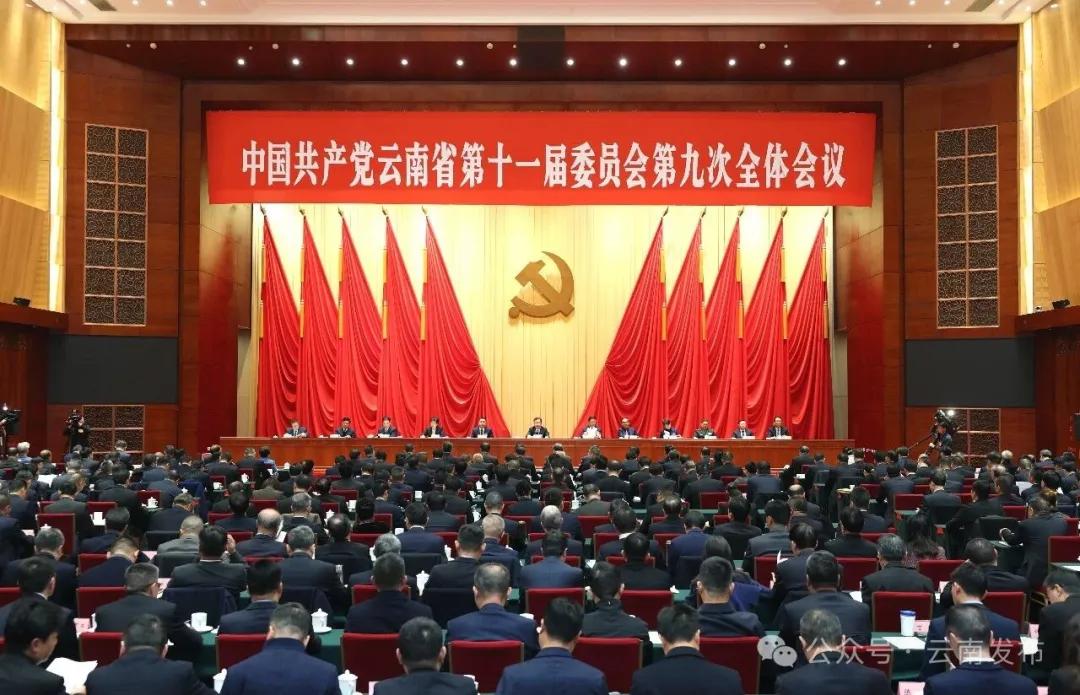
Group 1 - The core viewpoint of the article is the clear development blueprint for Yunnan Province over the next five years, as outlined in the recent meeting of the Communist Party of Yunnan Province [1][3] - The "15th Five-Year Plan" period is identified as a critical phase for economic transformation, policy opportunities, and achieving the "3815" strategic development goals [3][4] - High-quality development is emphasized as the primary task for modernization and the theme of the "15th Five-Year Plan" [4][5] Group 2 - The term "development" appears over 40 times in the public report, indicating a focus on quality improvement and efficiency alongside rapid growth [4][5] - Yunnan is transitioning from a resource-based economy to a more refined operation model, aiming to convert natural resources into economic value [6][7] - The construction of a "modern industrial system" is highlighted as a core task for economic development in the next five years [7] Group 3 - The report emphasizes the importance of "construction" in translating the blueprint into reality, focusing on three major development goals: national unity, ecological civilization, and becoming a radiation center for South Asia and Southeast Asia [10][12] - Specific initiatives include promoting ethnic integration, enhancing ecological protection, and developing border economic zones [10][12] - The commitment to improving the living standards of all ethnic groups is underscored as the starting point and goal of all work in Yunnan [12]

聚焦省委经济工作会议|巩固向好势头 实现良好开局 扑下身子狠抓任务落实
Xin Lang Cai Jing· 2025-12-24 12:41
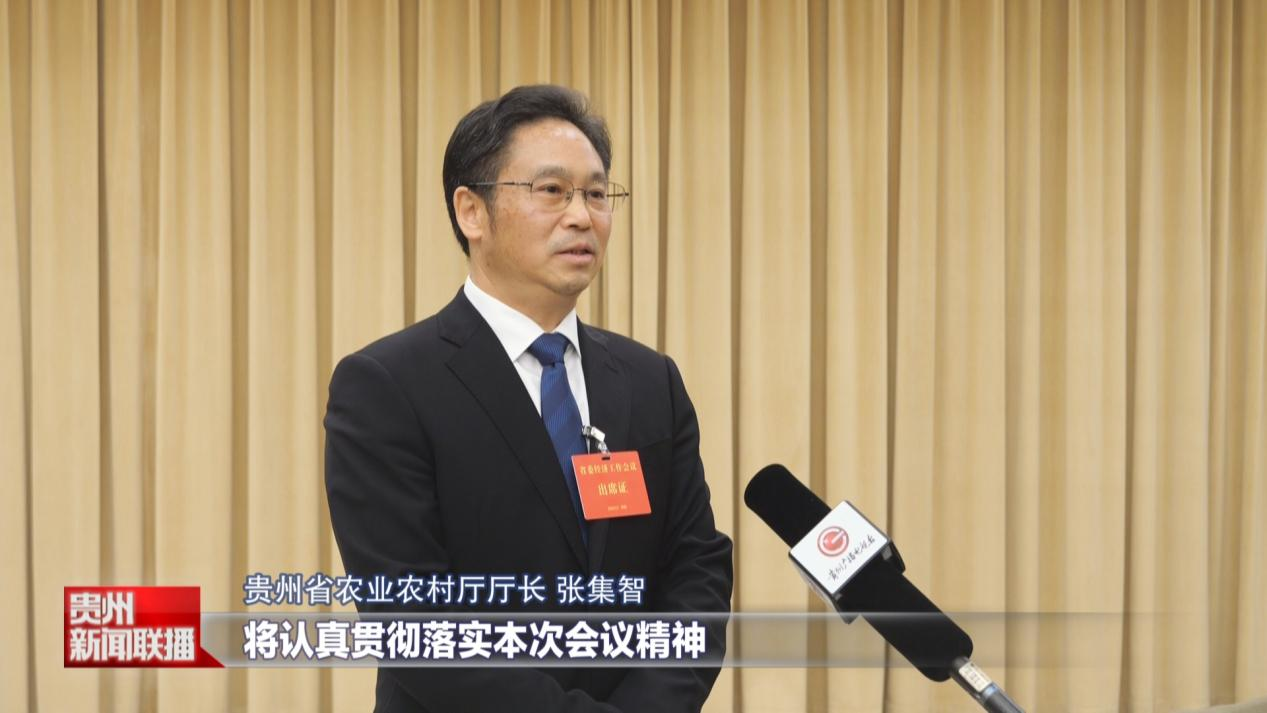
Core Viewpoint - The Guizhou Provincial Economic Work Conference emphasizes the need to consolidate positive economic momentum and align actions with the provincial government's strategic decisions to achieve high-quality development and a strong start to the 14th Five-Year Plan [1] Economic Development - The conference highlighted that Guizhou's economy has been progressing steadily despite challenges, with a focus on high-quality development as the 14th Five-Year Plan approaches its conclusion [1] - Key tasks include upgrading agricultural industries, enhancing tourism, and promoting high-quality service sector growth to improve modern industrial competitiveness [1] Agricultural Sector - The Agricultural and Rural Affairs Department plans to implement the conference's directives by focusing on farmers' roles and adhering to natural, market, and industrial laws [3] - Emphasis will be placed on developing specialty industries such as tea, prickly pear, and sour soup, while utilizing a comprehensive data monitoring system for early intervention and support to ensure poverty alleviation achievements are maintained [3] Cultural and Tourism Sector - The Cultural and Tourism Department aims to clarify its direction and enhance confidence in developing the province's rich tourism resources [4] - Plans include creating a world-class tourist destination by focusing on resources, customer sources, and service quality, while integrating cultural and tourism sectors [4] Business Sector - The Business Department intends to promote high-quality development by accelerating the growth of an open economy and leveraging the Western Land-Sea New Corridor [6] - Strategies include boosting consumption through new policies and promoting new business models and scenarios [6] Industrial Strategy - The conference stressed the importance of implementing a strategy to strengthen comparative advantages, focusing on industrial growth and project development [7] - The Guizhou government aims to expand domestic demand and optimize supply while enhancing the quality of existing enterprises and attracting new investments [7] Regional Development - The Qianan Prefecture plans to focus on industrial growth, particularly in modern manufacturing and new energy battery materials, while fostering county-level economies [9] - The strategy includes supporting both large enterprises and small businesses to create a balanced economic environment [9] Specific City Initiatives - The city of Zunyi is set to develop a modern industrial system focusing on a diverse range of industries, including traditional liquor, non-ferrous metals, and green food [11] - Plans include promoting bamboo industry innovations and enhancing the integration of technology and industry [11]
报告显示生产性服务业呈现五大演进特征
Xin Lang Cai Jing· 2025-12-24 10:32
上证报中国证券网讯(记者 李雁争)近日,中国信息通信研究院政策与经济研究所发布了《生产性服 务业发展报告(2025年)》。报告认为,生产性服务业呈现五大演进特征。在新一代信息技术影响下, 生产性服务业高质量发展呈现融合化、数智化、高端化、绿色化、全球化的演进特征。推动生产性服务 业高质量发展已成为发展新质生产力、赋能新型工业化、构建现代化产业体系、实现高水平对外开放的 必然选择。 来源:上海证券报·中国证券网 来源:上海证券报·中国证券网 上证报中国证券网讯(记者 李雁争)近日,中国信息通信研究院政策与经济研究所发布了《生产性服 务业发展报告(2025年)》。报告认为,生产性服务业呈现五大演进特征。在新一代信息技术影响下, 生产性服务业高质量发展呈现融合化、数智化、高端化、绿色化、全球化的演进特征。推动生产性服务 业高质量发展已成为发展新质生产力、赋能新型工业化、构建现代化产业体系、实现高水平对外开放的 必然选择。 ...
锚定“样板间”使命 奋力谱写儋州洋浦高标准建设海南自贸港新篇章
Hai Nan Ri Bao· 2025-12-24 03:08
Core Viewpoint - The article emphasizes the strategic positioning of Danzhou Yangpu in building a high-standard model for Hainan Free Trade Port, focusing on high-level openness and modern industrial development to leverage the opportunities presented by the full closure of the Hainan Free Trade Port [1][2]. Group 1: High-Level Openness and Policy Implementation - High-level openness is identified as a core requirement for creating the model for the Free Trade Port, with Yangpu Economic Development Zone serving as a key platform for external cooperation [2]. - Danzhou Yangpu aims to fully implement Free Trade Port policies, enhance the number of enterprises benefiting from these policies, and reform the ship registration system to improve international competitiveness [2]. - The strategy includes expanding institutional openness and strengthening cooperation with regions like the Guangdong-Hong Kong-Macao Greater Bay Area and the Yangtze River Economic Belt [2]. Group 2: Modern Industrial System Development - Danzhou Yangpu plans to establish a modern industrial system with a focus on new materials, new energy, digital economy, and biomedicine, leveraging post-closure policy advantages [3]. - The goal is to develop a billion-level petrochemical new materials industry cluster and expand the renewable energy sector, including wind, solar, and hydrogen energy [3]. - The digital economy will be enhanced through initiatives like the International Information Port and Smart Yangpu Data Center, aiming to integrate digital technology with traditional industries [3]. Group 3: Business Environment and Social Development - The region is committed to creating a first-class business environment to support enterprise growth, emphasizing the importance of a vibrant private economy and streamlined government services [4]. - Danzhou Yangpu will focus on improving public services in education and healthcare, enhancing social security systems, and promoting high-quality population development [4]. - Infrastructure development will be prioritized to create a livable environment, fostering coordinated regional development among various economic zones [4]. Group 4: Governance and Community Engagement - The governance framework will emphasize the centralized leadership of the Party, strengthening grassroots organizational construction to promote high-quality development [5]. - Efforts will be made to ensure integrity in governance and to engage the community in the development process, fostering a collaborative environment for achieving the goals of the Free Trade Port [5].
因地制宜发展新质生产力 为高质量发展提供强大动能——深入学习《习近平谈治国理政》第五卷
Jing Ji Ri Bao· 2025-12-24 00:10
高质量发展是全面建设社会主义现代化国家的首要任务,是我国经济社会发展必须长期坚持的鲜明 主题。发展新质生产力是推动高质量发展的内在要求和重要着力点,是推进中国式现代化的重大战略举 措。《习近平谈治国理政》第五卷设置专题,收录了习近平总书记2022年12月至2024年12月期间关 于"因地制宜发展新质生产力,实现高质量发展"的重要论述,深刻回答了"什么是新质生产力、为什么 要发展新质生产力、怎样发展新质生产力"等重大理论和实践问题,为发展新质生产力、更好推动高质 量发展指明前进方向、提供根本遵循。 新质生产力理论是指导高质量发展的新的生产力理论 把握好政府和市场之间的关系。处理好政府和市场关系是经济体制改革的核心问题,也是发展新质 生产力、推动高质量发展需要破解的重大问题。《经济工作必须统筹好几对重要关系》一文指出,"必 须统筹好有效市场和有为政府的关系,形成既'放得活'又'管得住'的经济秩序"。发展新质生产力既需要 政府引导支持,也需要市场机制调节、经营主体不断创新,是政府"有形之手"和市场"无形之手"共同培 育和驱动形成的。要充分发挥市场在资源配置中的决定性作用,保障资源配置依据市场规则、市场价 格、市场竞 ...
因地制宜发展新质生产力 为高质量发展提供强大动能
Jing Ji Ri Bao· 2025-12-23 22:13
高质量发展是全面建设社会主义现代化国家的首要任务,是我国经济社会发展必须长期坚持的鲜明主 题。发展新质生产力是推动高质量发展的内在要求和重要着力点,是推进中国式现代化的重大战略举 措。《习近平谈治国理政》第五卷设置专题,收录了习近平总书记2022年12月至2024年12月期间关 于"因地制宜发展新质生产力,实现高质量发展"的重要论述,深刻回答了"什么是新质生产力、为什么 要发展新质生产力、怎样发展新质生产力"等重大理论和实践问题,为发展新质生产力、更好推动高质 量发展指明前进方向、提供根本遵循。 新质生产力理论是指导高质量发展的新的生产力理论 新质生产力理论深刻揭示了新时代社会生产力发展特征和规律,是马克思主义生产力理论中国化时代化 的最新成果,进一步丰富和发展了习近平经济思想。习近平总书记围绕发展新质生产力发表了一系列重 要论述,其中许多都收录在《习近平谈治国理政》第五卷中。 鲜明提出高质量发展需要新的生产力理论来指导,明确了发展新质生产力的重大意义。解放和发展社会 生产力是社会主义的本质要求和根本任务。新时代以来,以习近平同志为核心的党中央牢牢把握高质量 发展这个首要任务,抢抓新一轮科技革命和产业变革机遇 ...
“十五五”开局之年 四川经济形势怎么看
Xin Lang Cai Jing· 2025-12-23 18:05
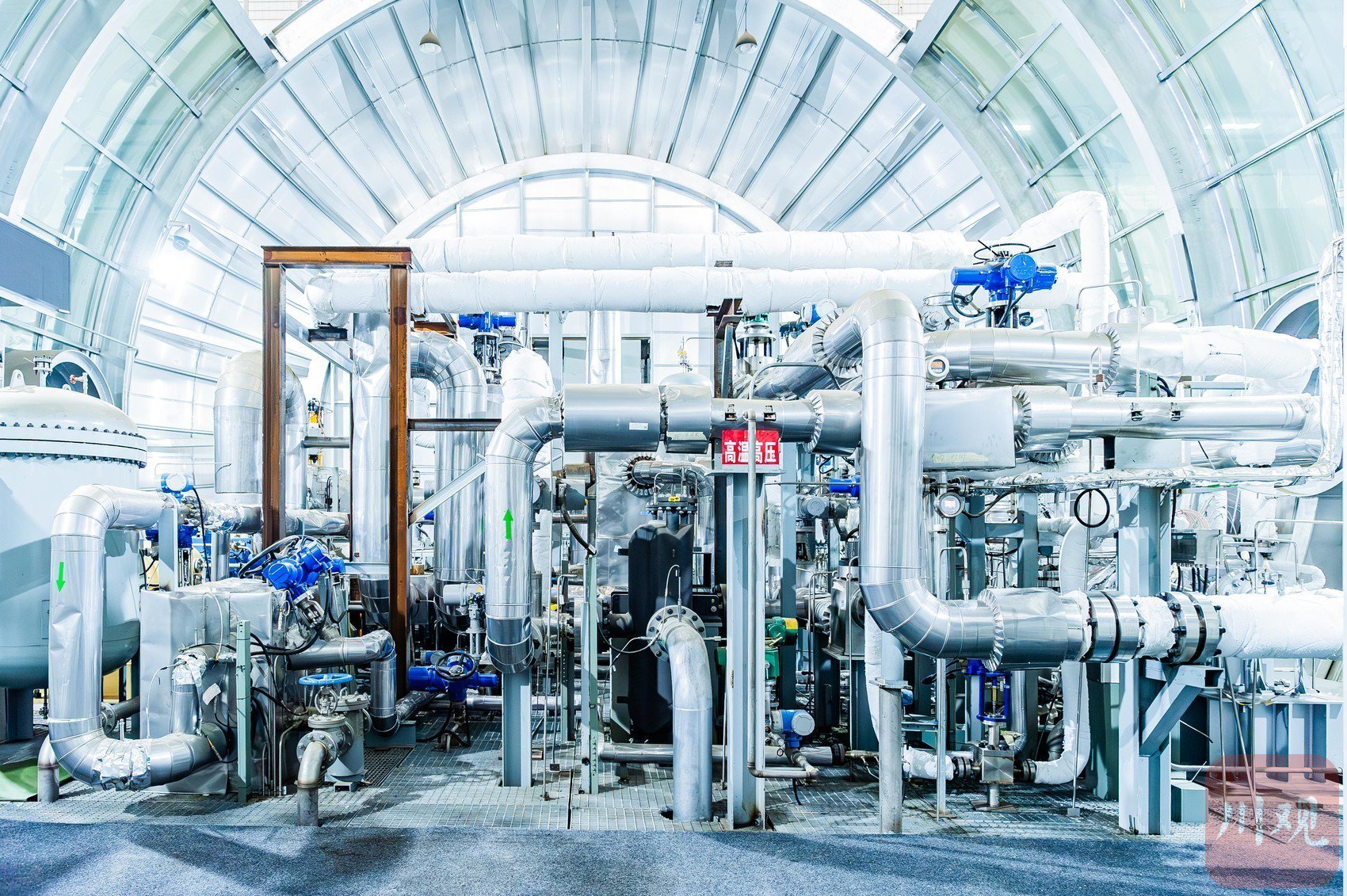
Core Insights - The Sichuan Provincial Economic Work Conference highlighted the province's strong economic resilience, vitality, and potential, indicating a favorable long-term outlook for the economy as it enters the "15th Five-Year Plan" period [1][8]. Economic Performance - In 2025, Sichuan's economy showed a positive recovery trend, with year-on-year growth rates of 5.5% in Q1, 5.6% in H1, and 5.5% in the first three quarters, improving its ranking among the top ten economic provinces from seventh to fifth [1]. - The province faced challenges such as international trade friction and insufficient domestic demand while undergoing structural adjustments and transformation [1]. Technological Advancements - Sichuan successfully launched the world's first commercial supercritical carbon dioxide power generation unit, marking a significant technological achievement [2][4]. - The province is advancing its "15+N" key industries strategy, focusing on technology-driven industrial innovation and implementing major technology projects in areas like artificial intelligence and low-altitude economy [5]. Regional Development - Industrial growth has remained robust, with 23 consecutive months of double-digit growth, while the service sector has shown consistent recovery [5]. - The Chengdu-Chongqing economic circle is being further developed, enhancing the core functions of Chengdu and promoting regional economic coordination [5]. Employment and Social Welfare - Sichuan has addressed employment challenges by providing jobs for over 2,000 college graduates and increasing support for 42,000 vulnerable individuals [7]. Long-term Economic Support - The province's long-term economic stability is supported by favorable national macroeconomic policies and strategic missions assigned to Sichuan, including enhancing the development capabilities of the Chengdu-Chongqing economic circle [8][9]. - Infrastructure improvements and ongoing industrial upgrades are expected to bolster economic potential and innovation [9]. Future Outlook - The upcoming "15th Five-Year Plan" period presents both opportunities and challenges, with a collective commitment from provincial leaders to achieve set goals through hard work and determination [11].
甘肃发布未来五年高质量发展“头号任务”
Zhong Guo Xin Wen Wang· 2025-12-23 17:26
Group 1 - Gansu aims to build a modern industrial system as a primary task for high-quality development over the next five years, focusing on creating a regional modern manufacturing base and advancing new industrialization [1] - The province has a unique position in the national industrial layout, with a strong foundation in traditional industries such as petrochemicals, metallurgy, and equipment manufacturing, alongside emerging sectors like new materials and biomedicine [2] - Key industries identified for development include petrochemicals, non-ferrous metallurgy, new energy, new materials, equipment manufacturing, aerospace, nuclear industry, digital information, and biomedicine [2] Group 2 - Gansu plans to establish a super-large wind and solar power base, enhance energy transmission channels, and implement integrated new energy development projects to boost the renewable energy sector [2] - The service sector is crucial for economic growth and job creation, but Gansu's tertiary industry is relatively small and structurally unbalanced; efforts will be made to improve the integration of modern services with advanced manufacturing and agriculture [2] - Infrastructure development is essential for building a modern industrial system, with plans to enhance traditional and new infrastructure, including major projects like the optimization of the Lanzhou railway hub and new highway corridors [3]
市委财经委2025年第四次会议召开 李红军主持 高世文等出席
Xin Lang Cai Jing· 2025-12-23 13:55
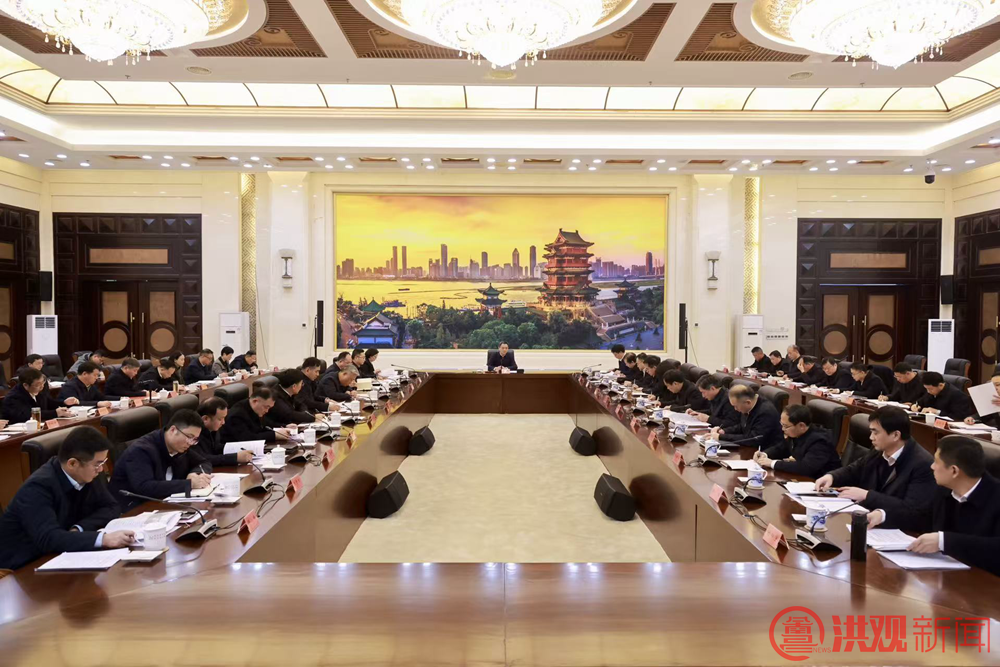
转自:南昌发布 12月23日,市委财经委2025年第四次会议召开。省委常委、南昌市委书记、赣江新区党工委书记李红军主持会议。他强调,要进一步把思想和 行动统一到党中央和省委对经济形势的科学判断、对经济工作的决策部署上来,坚定信心、保持定力,抓住一切有利时机,利用一切有利条 件,巩固和增强经济回升向好态势,不断推动经济实现质的有效提升和量的合理增长。 市长高世文,市委副书记党静,市领导梅峰、赵捷、安宝军、马煜洲、袁一旦、谭伯乐出席。 李红军指出,今年以来,全市上下聚焦高质量发展首要任务,统筹做好稳增长、促改革、调结构、惠民生、防风险各项工作,经济运行总体平 稳、稳中有进,经济社会发展主要目标将顺利完成。当前是决胜全年目标的关键期,各地各部门要扎实做好今年各项工作收官,聚焦重要任 务,抢进度、补短板、防风险,确保交出全年工作高分答卷。 编辑:姚西林 二审:胡志文 终审:凌云 就谋划好明年经济工作,李红军强调,各县区(开发区、管理局)要科学合理确定明年发展目标,大区大县要展现更大担当、作出更多贡献, 其他县区要在各自领域打造亮点、争先进位。各地各部门要围绕全市发展大局,聚焦重点产业、重大项目、重要平台,提前谋划明年 ...
“十五五”时期 甘肃从五各方面推进新型工业化
Xin Lang Cai Jing· 2025-12-23 10:48
Group 1 - Gansu Province will continue to prioritize industrial strength and the development of a modern industrial system as a key task for high-quality development during the "14th Five-Year Plan" and beyond [1] - The province aims to build a national regional modern manufacturing base by implementing actions for upgrading traditional industries, promoting innovation, and developing future industries [1] - Gansu plans to enhance its status as a major base for renewable energy and equipment manufacturing, focusing on large-scale wind and solar power projects and improving energy transmission infrastructure [1] Group 2 - The province will strengthen its position as a national hub for integrated computing power networks by expanding computing capacity and enhancing collaboration with eastern regions [2] - Gansu aims to promote high-quality development in the service sector by integrating modern services with advanced manufacturing and modern agriculture [2] - The province will advance the construction of modern infrastructure, including major projects like the optimization of the Lanzhou railway hub and new highway corridors [2]