对等关税

Search documents
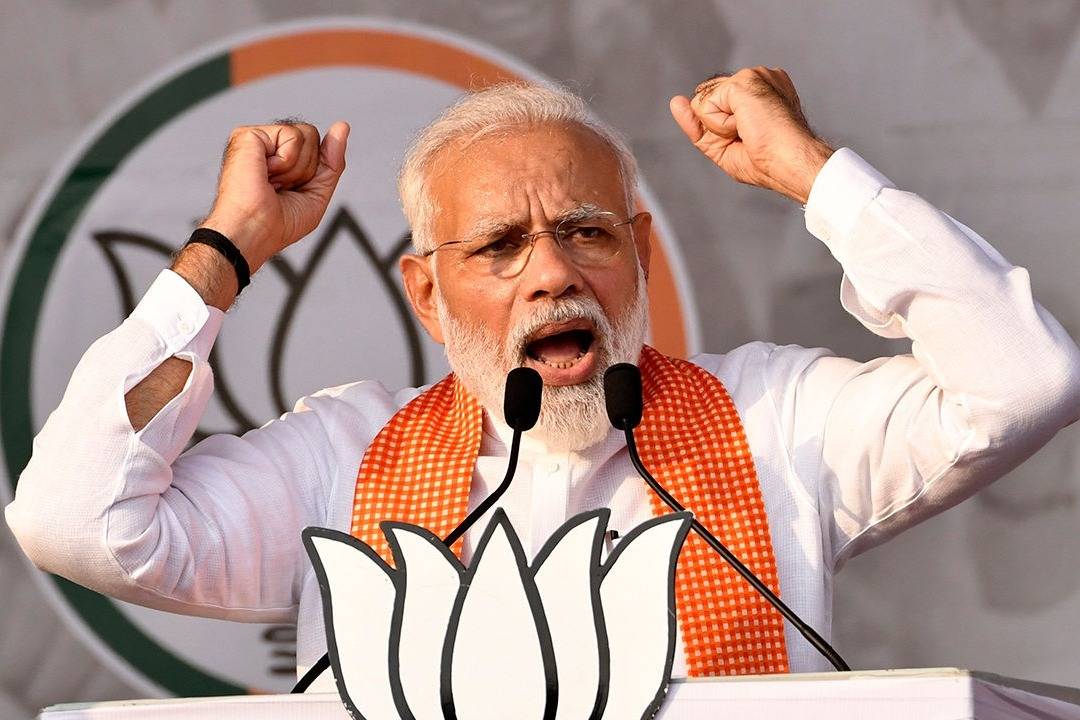
特朗普关税信函上路!东盟国家一个接一个低头,印度反应出乎意料
Sou Hu Cai Jing· 2025-07-07 01:26
Group 1 - The core point of the news is the initiation of a global trade war by the Trump administration, with tariffs ranging from 10% to 70% imposed on over 170 countries, effective from August 1 [2][4] - Southeast Asian countries are particularly affected, with Vietnam leading the way by opening its market in exchange for a 20% tariff, prompting other nations to follow suit with varying concessions [2][4] - Indonesia has proposed a "bold plan" to implement near-zero tariffs on 1,700 American goods, covering nearly 70% of U.S. exports to Indonesia, in exchange for preferential access to nickel and large-scale purchases of U.S. liquefied natural gas [2][4] Group 2 - Cambodia has strengthened economic and military ties with the U.S., signing a trade agreement that reduces tariffs from 49% to 20%, led by Deputy Prime Minister Sun Chanthol [4] - Thailand faces significant pressure as its manufacturing costs are higher than Vietnam's, making it vulnerable to the same 20% tariffs [4] - India has submitted a retaliatory tariff proposal to the WTO, indicating plans to counter U.S. tariffs on automobiles and steel, emphasizing that countermeasures must be equivalent to the losses incurred [4][6] Group 3 - The U.S. has categorized over 170 countries into three tariff levels, with the first level (10%) as a reward for compliant nations, the second level (20%) as punishment for resistant countries, and the third level (50%) as a "killing tax" for strategic competitors [4][6] - The U.S. Customs Department is hiring thousands of inspectors and utilizing blockchain technology to track goods, threatening 200% punitive tariffs on countries that attempt to "launder" their product origins through third countries [4][6] - Economists warn that this trade war will force a high-risk restructuring of global supply chains, particularly impacting Southeast Asian economies that heavily rely on exports to the U.S. [6]

当头棒喝!“铁娘子”对美国发飙!特朗普遇到“克星”会否收敛?
Sou Hu Cai Jing· 2025-07-07 01:26
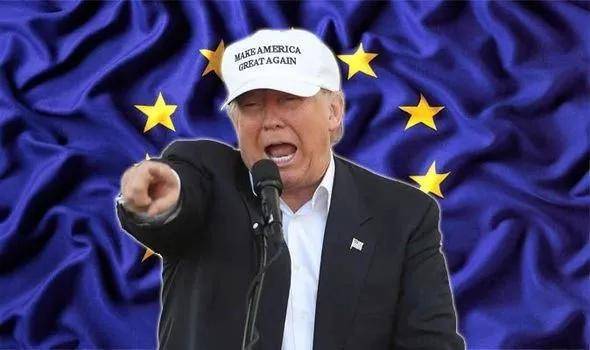
在7月2日雅典的一次活动上,为其回忆录《自由》希腊语译本的推广活动中,默克尔公开批评特朗普, 直言"不要被特朗普吓倒,就算是美国也无法独立生存",并呼吁欧洲不要惧怕美国。她毫不留情地指出 特朗普"爱出风头",其行为动机是"吸引注意力,转移焦点"。 默克尔的言辞并非空穴来风。她详细回忆了2017年3月在白宫椭圆形办公室与特朗普会面时,特朗普拒 绝与她握手,却在摄像机外主动握手的经历。她分析道,特朗普的关税政策也体现了同样的策略——通 过展现强硬姿态来证明自己的能力,以赢得国内支持。 默克尔,这位德国历史上任期最长的总理,在卸任后一直保持低调。然而,近期她却因一段针对特朗普 的犀利言论,再次成为全球瞩目的焦点。这并非偶然,而是与美欧贸易战中日益紧张的局势密切相关。 特朗普于4月2日宣布对部分贸易伙伴征收"对等关税",引发美国金融市场剧烈震荡。尽管4月9日他宣布 暂时缓期90天,但维持了10%的"基准关税",并威胁若7月8日前未与欧盟达成协议,将对欧盟商品征收 高达50%的关税。 目前,美国已对欧盟钢铝产品征收50%关税,对汽车征收25%,对其他大部分商品征 收10%的基准关税。 随着7月8日最后期限的临近,欧盟焦 ...
贝斯特威胁:如果不达成协议,8月1日将恢复更高关税
Guan Cha Zhe Wang· 2025-07-07 00:12
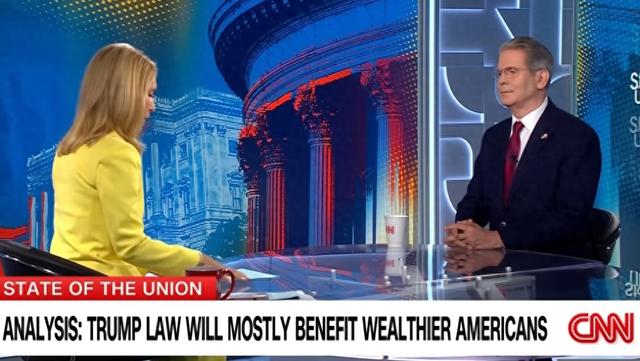
Group 1 - The Trump administration is set to send tariff notification letters to approximately 100 countries, with a deadline for agreements by August 1, after a 90-day tariff suspension period ends on July 9 [1][3] - The tariffs will primarily target smaller countries with which the U.S. has limited trade relations, many of which already have a baseline tariff rate of 10% [3] - The administration is focusing on 18 key trading partners that account for 95% of the U.S. trade deficit, indicating a strategy of "maximum pressure" on these nations to negotiate [3][4] Group 2 - The proposed tariffs could reach as high as 60% or 70% for certain countries, with the first batch of tariff letters already signed by Trump for 12 nations [4] - Despite ongoing negotiations, only three framework agreements have been announced with the UK, China, and Vietnam, with the details remaining sparse [4] - The agreement with Vietnam sets a minimum tariff of 20% on its goods, which is double the rate during the suspension period, raising concerns about the effectiveness of such agreements in reducing tariffs [4][5] Group 3 - Economic analysts warn that the trade war, particularly with China, may lead to increased costs for American consumers, with some retailers planning to raise prices despite opposition from the Trump administration [5] - The Producer Price Index (PPI) showed a slight increase in wholesale inflation, rising by 0.1% in May, which could be attributed to rising commodity costs [5] - Former Treasury Secretary Larry Summers criticized the administration's dismissal of the economic impacts of tariffs, suggesting they could lead to higher inflation and reduced competitiveness for U.S. manufacturers [5]

深夜,直线拉升!比特币逼近11万美元
21世纪经济报道· 2025-07-06 15:25
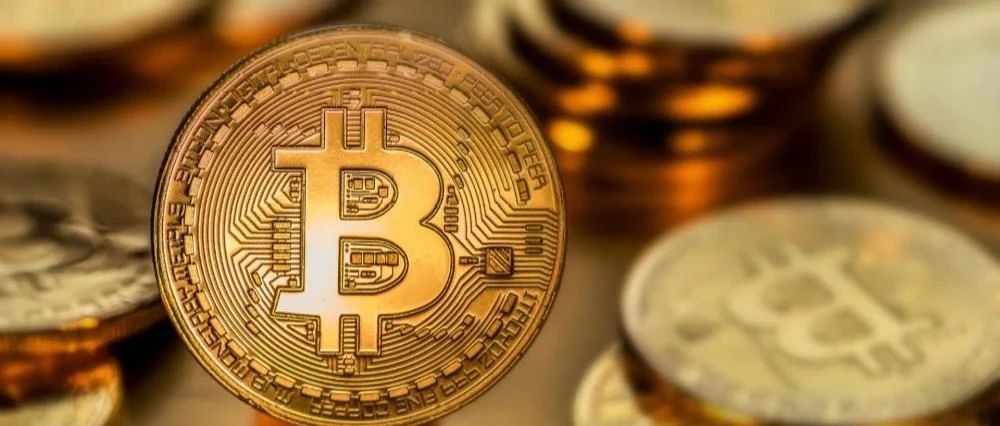
7月6日,比特币一度涨逾0.7%,突破109000美元,直逼110000美元。截至22:45,比特币涨 0.46%。 时内上涨超1%。 比特币到底是"数字黄金"还是"洪水猛兽"?投资者需要警惕哪些风险? 此前,投资者在美国7月9日暂停"对等关税 " 到期前变得谨慎。 据央视新闻,美国总统特朗普表示,美国政府将从当天起开始致函贸易伙伴,设定新的单边 关税税率。 特朗普称,新关税"十有八九"从8月1日开始生效。 特朗普表示,从4日开始,美国将向多个国家发出信件,预计当天会有"10或12封"发出,更多 信件将在未来几天寄出。特朗普称,他预计这些信件将会在9日前全部送达。此前,特朗普将 7月9日设为关税谈判的最后期限。 对于将设定的新关税,特朗普说,"关税税率可能从60%、70%到10%、20%不等"。 特朗普 称,"我们已经完成了(信函的)最终文本,它将基本说明这些国家将要支付的关税是多 少"。 此外,以太坊涨近1.5%,狗狗币涨超3.5%。据Coinglass统计,过去近24小时内,加密货币全 网爆仓人数近6万人,爆仓总金额为1.20亿美元。最大单笔爆仓单发生在Binance - ETHUSDT 价值302.55 ...
对等关税暂停期限逼近 贝森特:未来72小时将非常忙碌
news flash· 2025-07-06 14:39
对等关税暂停期限逼近 贝森特:未来72小时将非常忙碌 金十数据7月6日讯,随着美国对等关税暂停期限逼近,美国财政部长贝森特周日表示,接下来72小时将 非常忙碌。贝森特称,多项重大协议已接近达成,未来几天将宣布重要消息。他表示,若收到关税信函 的国家若未能达成协议,其出口商品将从8月1日其再次面临4月份时的关税税率。数周来,特朗普政府 官员一直宣称多项协议即将达成,但目前仅公布了与英国的有限框架协议、与印度的小型贸易协议,以 及特朗普简要概述的与越南的协议。特朗普和贝森特的最新表态表明,在截止日期前三天,谈判仍存在 变数,协议的达成并非易事。 ...
突发!大跌250点!
天天基金网· 2025-07-06 09:39
以下文章来源于东方财富网 ,作者辣笔小强 东方财富网 . 东方财富网,中国财经门户,提供7*24小时财经资讯及全球金融市场报价,汇聚全方位的综合财经新闻 和金融市场资讯。 虽然周五美股休市,但美股三大股指期货却集体下跌,小型道指跌251点,跌幅0.56%;小型纳指跌 157.77点,跌幅0.68%;小型标普跌41.22点,跌幅0.65%。 (图片来源:东方财富App,统计截至2025.7.4,不作投资推荐) 周五欧洲股市也表现不佳,欧洲斯托克50指数收盘下跌1.02%。具体而言,德国DAX30跌0.61%,法国 CAC40跌0.75%,英国富时100跌0.29点。 (图片来源:东方财富App,统计截至2025.7.4,不作投资推荐) 特朗普又开始威胁了 01 关税谈判成效甚微 02 之所以广发通知函,主要在于特朗普贸易谈判成效甚微,目前除了英国、越南等少数国家外,大多数国 家或地区的贸易谈判都不太理想,欧盟、印度、日本、韩国等主要经济体,均没有什么太大的突破。 欧盟方面,据央视新闻报道,欧盟外交官表示,欧盟谈判代表未能在美欧贸易谈判中取得突破,相关谈 判将持续至本周末。欧盟谈判代表表示,若无法达成更广泛的贸易 ...
【环球财经】一周前瞻:关税“豁免日”临近,美联储公布6月会议纪要
Xin Hua Cai Jing· 2025-07-06 03:09
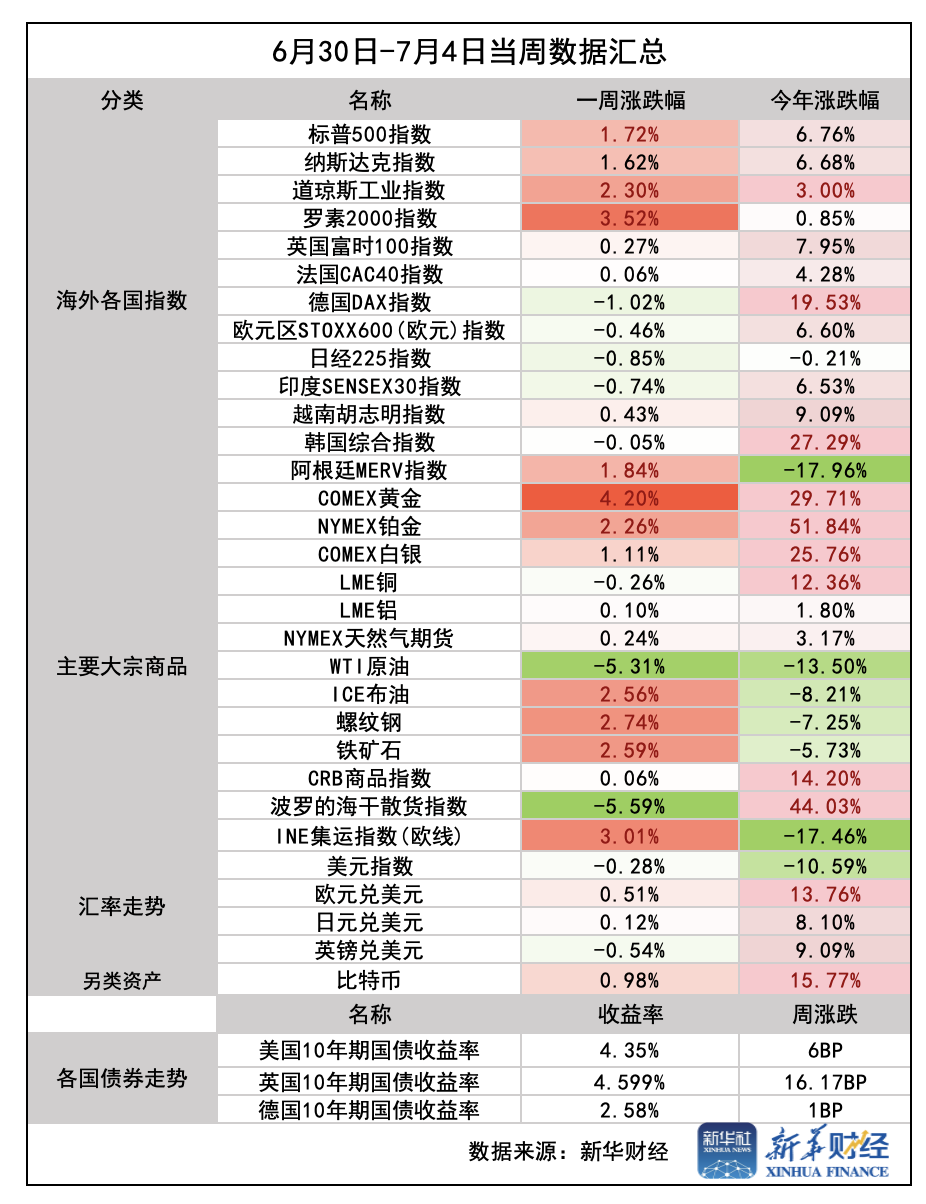
本周(6月30日-7月4日),尽管美国6月新增非农就业和失业率均超预期强劲,但就业市场结构正逐步恶化。全球主要股指多数上 涨,国际主要商品多数走强,黄金涨势居前,美元震荡走弱。 美股方面,美股三大股指均上涨,其中标普500指数和纳斯达克指数多次创历史新高。其中,标普500指数本周累计上涨1.72%,报 6279.35点;道琼斯工业平均指数本周累涨2.3%,收报44828.53点;纳斯达克指数本周累涨4.25,报20601.1点。 欧股方面,欧洲各国股市本周多数下挫,欧洲STOXX 600指数本周累计跌0.46%;德国DAX 30指数本周累计跌1.02%;法国CAC 40 指数本周微涨0.06%;英国富时100指数本周累涨0.27%。 亚太股市方面,韩国股市本周微跌0.05%,今年迄今涨幅达到27.29%;日经225指数本周回调,累计下跌0.85%;泰国SET指数涨幅 达到3.47%;印度SENSEX30指数本周下跌约0.74%。 大宗商品方面,在美元震荡走弱、美联储降息预期一度升温、贸易谈判不确定性以及美国"大而美法案"推升美国财政风险等因素影 响下,黄金本周涨幅居前,COMEX黄金主力期货合约全周累计上涨4 ...
X @外汇交易员
外汇交易员· 2025-07-05 13:28
柬埔寨宣布与美国就关税谈判达成一致柬埔寨政府宣布,围绕对等关税的贸易协定框架,与美国讨论了联合声明并达成一致意见。关税税率等细节尚未公布。联合声明将于近期公布。🗒️特朗普4月向柬埔寨提出了49%的对等关税率。这一税率在东南亚最高。柬埔寨在服装等方面对美国的出口比例较高。如果按计划征收关税,将对就业环境等产生严重影响。外汇交易员 (@myfxtrader):特朗普宣称已经采取了宽容态度,决定施加“打折”的对等关税。随后白宫公布对多国加征对等关税的清单:中国 34%欧盟 20%越南 46%中国台湾 32%日本 24%印度 26%韩国 25%泰国 36%瑞士 31%印尼 32%马来西亚 24%柬埔寨 49%英国 10%南非 30%巴西 10%新加坡 10%以色列 17%菲律宾 17%智利 https://t.co/VFqtk3WzEj ...
特朗普回心转意,中美贸易拐点出现?关键时刻,马斯克4字预言结局
Sou Hu Cai Jing· 2025-07-05 09:34
Group 1 - The U.S. has reached a trade agreement with Vietnam, imposing at least a 20% tariff on Vietnamese exports to the U.S. [1] - The U.S.-China trade talks in Geneva have made significant progress, establishing a trade negotiation mechanism [1] - The Trump administration's "reciprocal tariffs" policy has led to a rise in tariffs on various trade partners, with tariffs on Chinese goods peaking at 145% [3] Group 2 - The ongoing trade war has caused significant volatility in global stock markets and has severely impacted U.S.-China economic relations [3] - The U.S. Treasury Secretary indicated that the government's cash reserves and debt control measures may be exhausted by August [3] - The implementation of "reciprocal tariffs" has resulted in increased consumer price index (CPI) growth, affecting households across different income levels [3] Group 3 - The Trump administration's stance appears to soften, with indications of a potential agreement with China, and a reduction in tariffs from 30% to 10% on Chinese goods [5] - Despite some concessions, the U.S. government continues to take actions that complicate U.S.-China relations, such as restricting funding for collaborations with Chinese universities [5][8] - Elon Musk has criticized the Trump administration's proposed "big and beautiful" bill, warning it could lead to significant job losses and strategic damage to the U.S. [6] Group 4 - The current state of U.S.-China trade relations shows signs of easing, but uncertainties remain regarding the sincerity of the U.S. government's intentions [8] - Musk's comments reflect the broader challenges and potential risks associated with U.S. trade policies [8][9] - The future trajectory of U.S.-China trade relations remains unpredictable, with global stakeholders closely monitoring developments [9]
柬埔寨宣布与美国达成协议
中国基金报· 2025-07-05 09:27
Group 1 - Cambodia has reached a tariff agreement with the United States, becoming the second Southeast Asian country to do so after Vietnam [1][2] - The specific details of the agreement, including tariff rates, remain unclear, but a joint statement is expected to be released soon [1] - Cambodia's total export value for 2024 is projected to be $26.2 billion, with nearly 40% of its exports going to the U.S., making it the largest export market for Cambodia [2] Group 2 - The Trump administration previously indicated plans to impose a 49% reciprocal tariff on Cambodia, the highest rate in Southeast Asia [2] - To mitigate the impact on key industries such as textiles, Cambodia may have made concessions, including expanding imports of U.S. products [2] - On July 2, Trump announced that the U.S. had reached a trade agreement with Vietnam, which includes a minimum 20% tariff on all Vietnamese exports to the U.S. [3][4]