文明交流互鉴

Search documents
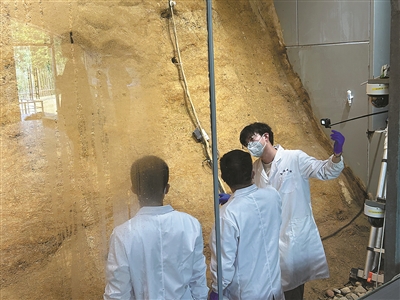
总书记贺信让正在埃及的上博考古队倍感振奋 更感责任重大 中国正成为世界文明遗产的守护者
Jie Fang Ri Bao· 2025-11-05 01:58
Core Insights - The successful hosting of the "Ancient Egyptian Civilization Exhibition" at the Shanghai Museum and the ongoing joint archaeological work in Saqqara, Egypt, signify a strengthening of cultural ties between China and Egypt [1][2] - The joint archaeological team, led by Chen Jie from the Shanghai Museum, commenced work in October and aims to complete its excavation tasks by the end of December or early January [1] - The excavation site, the Temple of Sekhmet in the ancient capital of Memphis, presents significant challenges due to its historical importance and the harsh outdoor conditions in Egypt [1][2] Group 1 - The Shanghai Museum is the first Chinese archaeological team to receive excavation permission in the Memphis region of Egypt, highlighting China's growing cultural influence and commitment to global heritage [2] - The joint efforts in Egypt are seen as a demonstration of China's cultural strength and a shift in the narrative of archaeological research, traditionally dominated by Western scholars [2] - The collaboration aims to enhance China's position in the study of early civilizations and contribute to the development of a distinctive Chinese archaeological style [2]
共护文化遗产 谱写交流新篇
Ren Min Ri Bao· 2025-11-03 22:20
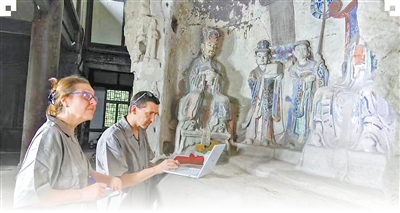
卡洛(右)与米莱拉在大足石刻开展造像病害诊断分析工 作。 大足石刻研究院供图 萨马德(左)参加巴基斯坦开普省考古与博物馆管理局举 办的犍陀罗艺术研讨会。 图为受访者提供 当地学生在巴基斯坦开普省马尔丹市的塔赫特巴希佛寺遗 址参观。 艾哈迈德·卡迈勒摄(新华社发) 历史文化遗产不仅述说着过去,也深刻影响着当下和未来。从大足石刻的修复合作到敦煌学的全球学术 交流,再到巴基斯坦犍陀罗艺术的保护与传播,中外学者共同守护人类历史文化遗产,促进文明交流互 鉴和不同国家、民族相互了解,为构建人类命运共同体注入深厚的人文力量。 中意专家合作保护大足石刻—— "为全世界文物保护修复工作提供样本" 高奕睿(左三)与学生在大英图书馆研究敦煌文献。 图为受访者提供 作。舒成岩摩崖造像雕凿于南宋绍兴十三年至二十三年间,是集雕刻、彩绘、贴金于一体的道教造像。 卡洛到来时,看到造像存在石质风化,彩绘起甲、脱落,贴金层开裂、起翘等问题。 卡洛及其团队曾参与意大利威尼托大区内威尼斯、维罗纳古城等世界文化遗产的保护工作,经验丰富。 在大足区,卡洛与米莱拉每天都穿着印有"大足石刻文物保护"字样的棕色文保工作服,与大足石刻保护 工程中心的技术人员一 ...

文明互鉴看良渚
Ren Min Ri Bao Hai Wai Ban· 2025-10-26 23:07
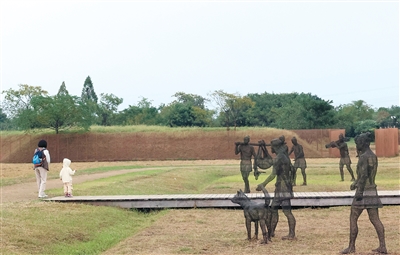
Core Points - The third "Liangzhu Forum" was held in Hangzhou, Zhejiang Province, focusing on the theme "Civilization Rejuvenation: Cultural Heritage and Human Cultural Diversity" [3][8] - Over 300 guests from more than 60 countries and regions participated in discussions about cultural heritage and its role in enhancing human civilization [7][11] - The forum highlighted the importance of archaeological discoveries in understanding early civilizations, with significant findings from sites like Liangzhu and Nanzhao being shared [9][10] Group 1: Forum Overview - The forum served as a platform for dialogue among scholars, archaeologists, and cultural heritage managers, emphasizing the need for cross-cultural exchanges [8][11] - Discussions included the latest archaeological findings from various civilizations, including ancient Egypt and Mediterranean cultures, showcasing the interconnectedness of human history [8][9] - The event aimed to deepen understanding of cultural diversity and promote collaborative efforts in heritage preservation [15][18] Group 2: Archaeological Discoveries - Significant archaeological findings from Liangzhu, such as the discovery of burial sites and water management systems, were presented, indicating advanced societal organization [9][10] - The Nanzhao site was highlighted for its evidence of early state formation and cross-regional communication, contributing to the understanding of Chinese civilization origins [9][10] - The forum emphasized the application of interdisciplinary research methods in archaeology, enhancing the understanding of ancient civilizations [10][20] Group 3: Cultural Exchange and Future Directions - The forum underscored the role of cultural heritage as a bridge for dialogue among civilizations, promoting mutual understanding and cooperation [15][18] - Experts called for sustainable development practices in heritage management, integrating social, economic, and environmental dimensions [17][18] - The event marked a commitment to ongoing international collaboration in cultural heritage protection and archaeological research [18][19]
音乐为媒,让世界听见中国
Ren Min Ri Bao Hai Wai Ban· 2025-10-23 23:05
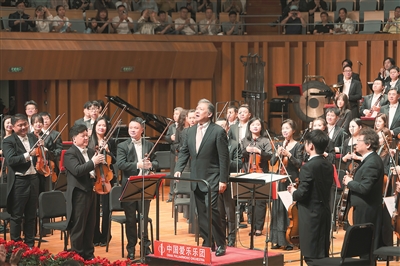
Core Points - The China Philharmonic Orchestra celebrates its 25th anniversary, highlighting its role as a cultural ambassador connecting China with the world [3][4] - The orchestra aims to showcase Chinese cultural confidence by performing Western classical music with a unique interpretation rooted in Chinese culture [4][5] - The orchestra has gained international recognition for its ability to perform complex Western compositions beautifully, earning respect from global audiences [5][6] Group 1: Cultural Significance - The China Philharmonic Orchestra serves as a benchmark for Chinese music and plays a vital role in cultural exchange between China and the world [3][4] - The orchestra's development is deeply rooted in Chinese culture, emphasizing harmony and inclusivity while showcasing its unique understanding of Western classics [4][5] - The orchestra has collaborated with numerous international conductors, receiving praise for its interpretations of works by composers like Wagner [4][5] Group 2: International Engagement - The orchestra actively participates in international music festivals and events, enhancing cultural exchange by inviting international artists to perform [5][6] - It has performed at significant diplomatic and cultural events, demonstrating its ability to connect with diverse audiences through music [7][8] - The orchestra's performances at events like the Shanghai Cooperation Organization TV Festival exemplify its role in fostering international relationships through music [7] Group 3: Future Development - The orchestra is exploring the construction of a "digital concert hall" to enhance public cultural services and share performances globally [9] - A new concert hall designed by renowned architect Ma Yansong is set to be built in Beijing, which will serve as a new base for the orchestra's activities [9] - The integration of advanced technologies like 8K will allow audiences to experience performances as if they were present, expanding the reach of symphonic music [9]
世界手艺人相约景德镇 谱写“美美与共”的东方答案
Xin Hua She· 2025-10-21 11:20
Core Perspective - The article highlights the significance of Jingdezhen as a global hub for ceramic arts, emphasizing its role in fostering international collaboration and cultural exchange among artisans from various countries [1][2][3] Group 1: Event Overview - The 2025 China Jingdezhen International Ceramic Expo took place from October 18 to 22, attracting artisans, exhibitors, and buyers from around the world, many of whom are returning participants [1] - The "Spring and Autumn Grand Market" in the Tao Xi Chuan cultural district featured over 1,000 artists from more than 50 countries, showcasing the evolution of this creative market from a small gathering to a significant platform for global ceramic culture [2] Group 2: Cultural Significance - Jingdezhen's ceramics are deeply integrated into the city's identity, with porcelain elements present in streetlights and wall designs, reflecting its historical significance as a renowned porcelain production center [2] - The city is viewed as a "paradise" for ceramic artists, providing a unique energy that unites artisans globally, as expressed by Japanese artist Nishida Yasuyo [2][3] Group 3: Artistic Innovation - Artists from various countries are exploring the fusion of modern industrial techniques with traditional craftsmanship, as seen in the works of Singaporean and Korean artists [3] - The commitment to craftsmanship in Jingdezhen is seen as a source of dignity and hope, with artisans believing that their skills can enhance the quality of life [2][3]
以古传新 美美与共——世界文明对话的第三次“良渚时间”
Hang Zhou Ri Bao· 2025-10-21 03:53
Core Insights - The third "Liangzhu Forum" held in Hangzhou focused on "Civilization Reillumination: Cultural Heritage and Human Cultural Diversity," attracting over 300 guests from more than 60 countries and regions [5][12] - The forum emphasized the importance of archaeological practices and cultural heritage in linking the past with the future, showcasing Liangzhu as a source of inspiration for future civilization exchanges [7][8] Archaeological Innovations - Archaeological discoveries at Liangzhu, such as the recent findings at the Fangshan Wangling site, provide new insights into urban planning and the origins of burial systems in ancient China [7][8] - The "Liangzhu Archaeological Model" has led to the identification of over 1,000 water dam relics in Zhejiang, aiding research on water management systems in other provinces [7][8] Cultural Heritage and Urban Development - The Liangzhu Ancient City site was successfully inscribed as a UNESCO World Heritage site in 2019, transforming it into a public cultural space that balances heritage protection with community improvement [8][12] - The Liangzhu Cultural Corridor, established in late 2022, extends the model of heritage protection to a broader region, enhancing cultural identity and regional development [8][12] Cultural Transmission and Innovation - The forum highlighted the dynamic nature of cultural heritage, with discussions on how ancient practices, such as cooking methods from Liangzhu culture, can be integrated into contemporary life [10][11] - The establishment of the Yan Wenming Memorial Room aims to support young scholars in continuing the academic legacy of fieldwork and cross-temporal studies [10][11] Sustainable Development and Future Prospects - Liangzhu is implementing the first national regulations for large heritage site protection, ensuring a comprehensive cultural heritage protection system [12][13] - The forum's collaboration with UNESCO and the UN World Tourism Organization signifies international recognition of China's cultural heritage protection model [12][13] Global Cultural Dialogue - The forum serves as a platform for cultural exchange, promoting the idea that heritage is a dynamic asset that must be passed on to future generations [10][12] - The exhibition commemorating China's 40th anniversary of joining the World Heritage Convention showcases China's achievements in cultural heritage protection and its role in global dialogue [13][14]
良渚,文明瑰宝绽新辉
Xin Hua She· 2025-10-20 00:54
Core Points - The Liangzhu Ancient City site has been officially listed as a UNESCO World Heritage site, recognized as a testament to 5,000 years of Chinese civilization and a treasure of world civilization [1][3] - The site has implemented advanced protection systems using new technologies and traditional culture to enhance economic and social development [1][4] - The Liangzhu Forum has been established as a platform for cultural exchange and dialogue, promoting the understanding and appreciation of Chinese civilization [1][13] Group 1: Heritage Protection and Research - The Liangzhu site is utilizing plant essential oils as a "skincare product" to inhibit moss growth, which can damage the site [3][4] - A new laboratory dedicated to the protection of earthen sites in humid environments is set to open in 2024, enhancing preservation efforts [3][4] - Recent archaeological findings at the site include over 20 water dams and four north-south earth mounds, showcasing the social mobilization capabilities of the Liangzhu civilization [4][5] Group 2: Cultural and Economic Development - The Liangzhu cultural corridor is being developed, integrating various cultural and creative projects, with 74 key cultural projects launched this year [9][13] - The local economy is benefiting from the cultural heritage, with over 1,500 enterprises established in the Liangzhu New Town, contributing to the digital cultural industry [8][9] - The Liangzhu culture has inspired numerous creative products, with hundreds of items available across various categories, enhancing local cultural identity [9][10] Group 3: International Collaboration and Dialogue - The Liangzhu site has engaged in international dialogue with other world heritage sites, promoting cultural exchange and understanding [11][12] - The Liangzhu Forum has become a significant platform for civilizational dialogue among countries involved in the Belt and Road Initiative [13] - The Liangzhu culture is increasingly recognized globally, serving as a window for the dissemination of Chinese culture [13]
“世界市长对话·景德镇暨2025景德镇论坛”开幕 共绘文明繁荣新图景
Xin Hua She· 2025-10-19 06:31
Core Insights - The "World Mayors Dialogue: Jingdezhen and the 2025 Jingdezhen Forum" opened in Jingdezhen, China, with over 350 participants from various countries, emphasizing the importance of cultural exchange through ceramics as a medium [1][2] - The event focused on three main themes: "Cultural Tourism," "Open Cooperation," and "Civilization Transmission," highlighting the role of ceramics in fostering international dialogue and understanding [1] Group 1 - Jingdezhen has established friendly ties with 72 countries and over 180 cities, attracting artists from more than 50 countries, showcasing the city's openness to global cultural integration [2] - The dialogue aims to deepen exchanges in cultural heritage, innovation, and cooperation among cities, seeking new paths for urban development and economic collaboration [2] - Ceramics are viewed as a universal language that transcends borders, promoting peace and cultural appreciation among different civilizations [1][2]
广东外贸一千年:国宝里的外贸与商业智慧
2 1 Shi Ji Jing Ji Bao Dao· 2025-10-17 23:51
Core Insights - The exhibition "Mutual Benefit Under Heaven: A Thousand Years of Guangdong Foreign Trade" has opened at the Guangdong Provincial Museum and will run until October 15, 2026, showcasing 22 national first-class cultural relics [1] - The exhibition aims to present the historical trajectory of Guangdong's foreign trade over a millennium, featuring artifacts from various periods including the Tang, Song, Yuan, Ming, and Qing dynasties [1][2] - This is the largest and highest-standard foreign trade exhibition ever held in Guangdong, designed to highlight the region's role as a significant trade hub [1][2] Artifact Highlights - A notable display includes a collection of gold artifacts from the "Nanhai I" shipwreck, which serves as a testament to the prosperity of Chinese foreign trade during the Tang and Song dynasties [2][3] - The "Nanhai I" shipwreck, discovered in 1987, is the oldest and largest ocean-going trade ship found in China, with over 18,000 artifacts recovered, primarily ceramics [2][3] - Among the gold artifacts, a 1.72-meter-long "big gold chain" stands out, showcasing a unique design and indicating it was likely a personal item belonging to a wealthy foreign merchant [3][4] Cultural Exchange - The exhibition features a rare Yuan dynasty blue-and-white porcelain vase, which exemplifies the exchange of materials and techniques between China and the Middle East, highlighting Guangdong's significant role in overseas trade during the Yuan dynasty [5][6] - The artifacts reflect the deep cultural exchanges facilitated by maritime trade, with items like the Yuan blue-and-white vase being scarce and highly valued in global collections [6] Commercial Wisdom - A Ming dynasty ceramic jar from the "Nanao I" shipwreck illustrates the commercial strategies of foreign traders, as it contained a large quantity of goods, indicating efficient use of storage space to maximize trade profits [7] - The exhibition also showcases Qing dynasty porcelain pieces that demonstrate the collaboration between Chinese and European artisans, marking an early example of globalization in production [8][9] Conclusion - Each artifact in the exhibition serves as a historical messenger, embodying the spirit of openness, inclusivity, and mutual benefit that characterized Guangdong's trade history [9]
加强人文交流 传承文明瑰宝
Ren Min Ri Bao Hai Wai Ban· 2025-10-17 00:55
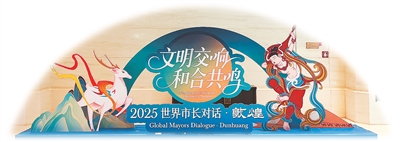
Core Points - The "World Mayors Dialogue: Dunhuang" event opened on October 13, 2023, in Dunhuang, Gansu Province, China, with participation from mayors and representatives from 10 countries, focusing on the theme of "Civilization Symphony and Harmony" [9][10][12] - The event emphasized the importance of cultural exchange and the role of heritage in fostering dialogue among civilizations, showcasing Dunhuang's unique cultural and historical significance [11][14] Group 1: Cultural Significance - Dunhuang is described as a "silent history book" and a "vibrant painting," representing the prosperity of the ancient Silk Road [9] - The event highlighted the contributions of historical figures like Marco Polo in bridging cultural exchanges between East and West [11] - The Dunhuang Mogao Caves are recognized as a spiritual and cultural monument of diverse civilizations, reflecting the open and inclusive spirit of Chinese civilization [14] Group 2: Environmental and Heritage Management - Dunhuang has implemented various ecological projects, such as the "Three North" project and desertification control, to protect its fragile environment and cultural heritage [12][13] - The annual sand accumulation in the Mogao Caves has been reduced by over 85%, with less than 300 cubic meters of sand entering the caves each year, showcasing effective heritage management [14] - International representatives praised China's commitment to cultural heritage protection and the innovative use of technology in preserving historical sites [14][15] Group 3: Future Collaboration and Learning - The event served as a platform for international mayors to share experiences and strategies for sustainable urban development and cultural heritage management [12][13] - Participants expressed a desire to learn from Dunhuang's successful practices in environmental management and cultural preservation [14][15] - The dialogue reinforced the idea that true civilization thrives on openness and mutual learning, which is essential in today's world [14]