
灾后重建

Search documents
金融活水润泽积石山 重建家园焕发新生机 甘肃省金融系统全力以“复”支持灾后重建
Jin Rong Shi Bao· 2025-07-29 01:19
Core Insights - The financial support and policies implemented in Jishishan County have significantly aided in the recovery and rebuilding efforts following the 6.2 magnitude earthquake on December 18, 2023 [1][3][5] Financial Support for Housing Reconstruction - Financial institutions have actively provided loans to support housing reconstruction, with a total of 57 billion yuan in loans issued to assist 17,000 affected households [1] - The People's Bank of China (PBOC) and local financial institutions have introduced specific loan products, such as the "Disaster Housing Loan" and "Disaster Reconstruction Loan," to facilitate the rebuilding process [3] - By June, loans in Jishishan County increased by 35.64 billion yuan, representing a growth of 73.59% compared to the end of 2023 [1] Support for Industry Revitalization - Financial institutions have shifted focus to support the revitalization of local industries, providing tailored credit products to help restore the economic "self-sustaining" capabilities of the affected areas [4] - A total of 7.74 billion yuan in credit was signed between 11 financial institutions and 21 local enterprises to support industrial recovery [5] - The Agricultural Bank of China has issued 2.99 billion yuan in loans to support local livestock and catering businesses [5] Financial Services and Cost Reduction - Financial services have been enhanced to reduce the financing costs for disaster-affected individuals and businesses, including interest rate reductions and fee waivers [7][8] - The average interest rate on new loans has decreased by nearly 100 basis points compared to pre-earthquake levels, while existing loan rates have been reduced by an average of 50 basis points [8] - The PBOC has guided local financial institutions to implement measures such as waiving various fees associated with loan processing to alleviate the financial burden on affected parties [8]

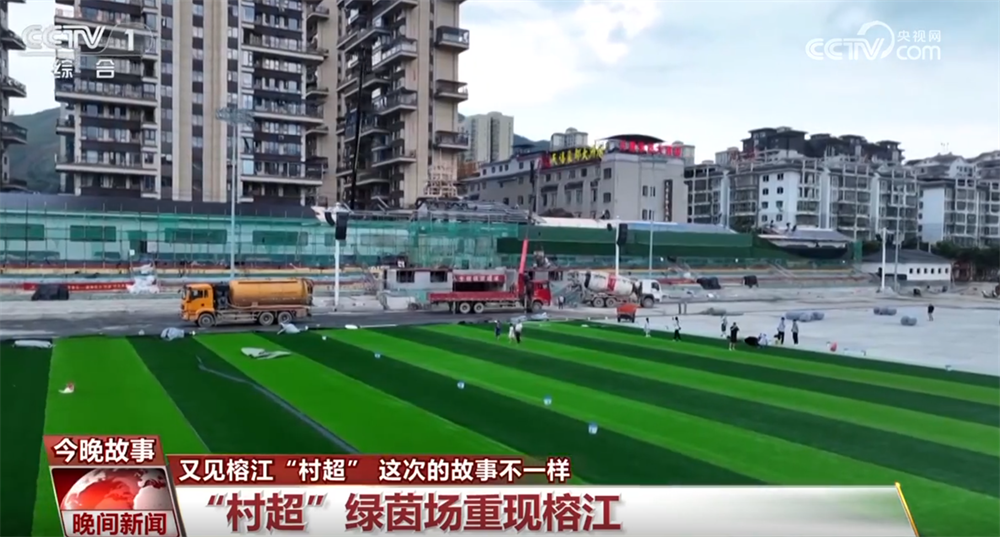
30天、3万多人、8市州……双向奔赴的力量汇聚在“村超”,凝结于榕江
Yang Shi Wang· 2025-07-25 02:04
Core Points - The "Village Super" football field in Rongjiang County, Guizhou Province, was severely damaged by heavy rainfall and flooding, prompting emergency responses and significant infrastructure damage [1] - The football field is set to reopen for matches on the 25th, following extensive repair efforts that included the installation of 8,000 square meters of artificial turf [1][12] - Community support and volunteer efforts played a crucial role in the recovery, with over 30,000 people participating in the rebuilding efforts [12] Group 1 - The "Village Super" football field experienced two floods within a week, leading to over one meter of mud accumulation and severe damage [1] - Zhang Yan, a business owner from Jiangsu, donated artificial turf and coordinated its rapid production and delivery to Rongjiang [3] - Local residents actively participated in unloading the turf, completing the task in about two hours instead of the expected six [6] Group 2 - During the turf installation, local residents provided food and refreshments to the construction team, showcasing community solidarity [8] - Nearby businesses, including restaurants and creative shops, are gradually reopening, indicating a recovery in the local economy [10] - The "Village Super" event has become a focal point for community rebuilding and tourism, with local entrepreneurs expressing optimism about future growth [10][12] Group 3 - The football players from the "Village Super" team expressed gratitude for the support received during the recovery process and are eager to showcase their skills in the upcoming matches [14]

雪域高原的幸福篇章
Ren Min Ri Bao Hai Wai Ban· 2025-07-23 22:29
Group 1: Disaster Recovery and Community Development - The earthquake in Dingri County, which registered a magnitude of 6.8, severely impacted Gu Rong Village, prompting immediate community response and recovery efforts [13][14]. - The reconstruction of Gu Rong Village is progressing well, with the main structure of new homes nearing completion, allowing residents to transition from temporary housing to permanent homes [14]. - The recovery efforts have created job opportunities for local residents, reducing the need for them to seek work elsewhere, thus improving the overall quality of life in the village [14]. Group 2: Cultural and Tourism Development - The establishment of the Sakya Art Space, the first county-level contemporary art venue in Tibet, aims to promote the integration of traditional culture and contemporary art, benefiting local tourism [15][16]. - The local government has invested in cultural tourism projects, enhancing the appeal of Sakya County as a tourist destination, which has led to increased visitor numbers and economic benefits for local businesses [15][16]. - The shift in tourism strategy emphasizes cultural experiences alongside accommodation, allowing local residents to thrive in the tourism sector [15][16]. Group 3: Infrastructure Development - The expansion of Gonggar Airport is crucial for accommodating the increasing passenger volume, with a target of 5.5 million passengers annually, necessitating improvements in external transportation [17][18]. - The project aims to alleviate traffic congestion around the airport, enhancing accessibility and supporting the region's economic growth [17][18]. - Local employment opportunities are being created through the construction projects, contributing to the community's development [17][18]. Group 4: Education and Youth Development - The educational environment in Tibet is improving, with modern facilities and diverse extracurricular activities available to students, fostering a well-rounded learning experience [19][20]. - Students are encouraged to engage in various interest groups, promoting physical activity and teamwork, which contributes to their overall development [19][20]. - The aspirations of local youth to pursue higher education and careers outside their hometowns reflect a growing ambition and potential for future contributions to society [19][20]. Group 5: Preservation of Cultural Heritage - The traditional pottery-making technique in Penggang Village is being revitalized, with efforts to teach younger generations and promote local craftsmanship [21][22]. - The recognition of Penggang pottery as an intangible cultural heritage highlights its significance in the local culture and economy [21][22]. - Plans to establish a cooperative for pottery artisans aim to enhance employment opportunities and strengthen the local economy through cultural tourism [21][22]. Group 6: Healthcare Development - The introduction of specialized medical training in anesthesia at the local hospital addresses the shortage of medical professionals in the region, improving healthcare services [23][24]. - The collaboration with medical teams from other regions has facilitated knowledge transfer and skill development for local healthcare workers [23][24]. - The successful completion of numerous surgical procedures by local doctors demonstrates the growing capacity of the healthcare system in Tibet [23][24].

从严抓好各项防汛措施落实 确保首都安全度汛
Bei Jing Ri Bao Ke Hu Duan· 2025-07-22 22:06
Group 1 - The core focus is on the implementation of flood prevention measures and post-disaster reconstruction in Fangshan District, emphasizing the need for safety during flood seasons and the acceleration of the development of leading industries to enhance regional high-quality development [1][2] - The severe impact of the "23·7" extreme rainfall disaster is highlighted, with significant recovery progress reported in Shidu Village, where 15 households have moved into completed resettlement housing [1] - The importance of managing the overall appearance and standards of tourist attractions is stressed, along with the need for effective resource integration and top-level design to improve the image of tourism sites [1][3] Group 2 - The current flood prevention period is critical, with a call for vigilance and comprehensive measures to ensure the safety of the capital during floods, including strict adherence to emergency response plans [2] - The meeting focused on high-quality development in Fangshan District, with an emphasis on aligning with national urban development strategies and fostering key industries such as green energy and new materials [3] - The need for effective safety production and fire prevention measures is underscored, along with the importance of cultural heritage preservation and the construction of archaeological parks [3]
水利交通等重要基础设施基本恢复至灾前水平
Liao Ning Ri Bao· 2025-07-15 01:21
Group 1 - The core viewpoint of the articles highlights the successful recovery and reconstruction efforts in Huludao City following severe flooding, with significant progress made in restoring infrastructure to pre-disaster levels [1][2][3] Group 2 - As of July 14, 2023, Huludao City has completed the second phase of disaster recovery, restoring key infrastructure such as water conservancy and transportation to pre-disaster conditions [1] - The city initiated rapid reconstruction efforts after the heavy rainfall in August 2022, focusing on housing repairs and infrastructure restoration, successfully completing repairs for 7,250 homes and rebuilding 5,447 homes before winter [1] - Since the beginning of the year, Huludao City has prioritized the repair of roads and water facilities, achieving full restoration of rural roads and ensuring smooth transportation for residents and goods [2] - A total of 77 water conservancy projects have been planned and implemented this year, with an investment of 843 million yuan, significantly enhancing flood control capabilities in key river sections [3] - The city has completed temporary repairs on 37 reservoirs, with 19 water-damaged reservoirs fully restored, ensuring safe drinking water for residents [3] - The recovery efforts are set to continue, with a goal to fully restore and elevate infrastructure to new levels by the end of the year or within the next two years [3]
受灾地区迅速开展灾后重建工作 群众生产生活秩序有序恢复
Yang Shi Wang· 2025-06-26 02:42
Group 1 - The core issue is the severe flooding in Guizhou's Tianzhu County, which has caused significant damage to farmland, roads, and water conservancy facilities, prompting immediate disaster recovery efforts by local authorities [1] - Following the flood, agricultural technicians provided guidance on crop recovery, suggesting timely harvesting of marketable crops and recommending replanting to mitigate economic losses for farmers [4] - A "classified guidance + technology empowerment" approach is being implemented to develop recovery plans for different affected crops, including the application of foliar fertilizers and integrated pest management for lightly damaged rice fields [6] Group 2 - In Guangxi's Sanjiang County, severe flooding affected multiple towns along the Duliu River, leading to extensive damage to farmland and homes, with local authorities organizing cleanup efforts post-flood [7] - Meilin Township was identified as the most severely affected area, with a recorded flood peak of 189.89 meters, exceeding the warning level by 4.29 meters, and a flow rate of 10,300 cubic meters per second [9] - Approximately 280 households, nearly 1,000 individuals, were evacuated in Meilin Township without any reported casualties due to timely evacuations, while power and communication services were restored quickly, although full power restoration is expected to take two to three days [11] Group 3 - In Tian'e County, continuous heavy rainfall has caused road blockages due to landslides and collapses, prompting the transportation department to activate emergency plans for rapid repairs [12] - Excavators are being used to clear debris and restore traffic in affected areas, with ongoing repair efforts to ensure road safety and prevent secondary disasters [15]
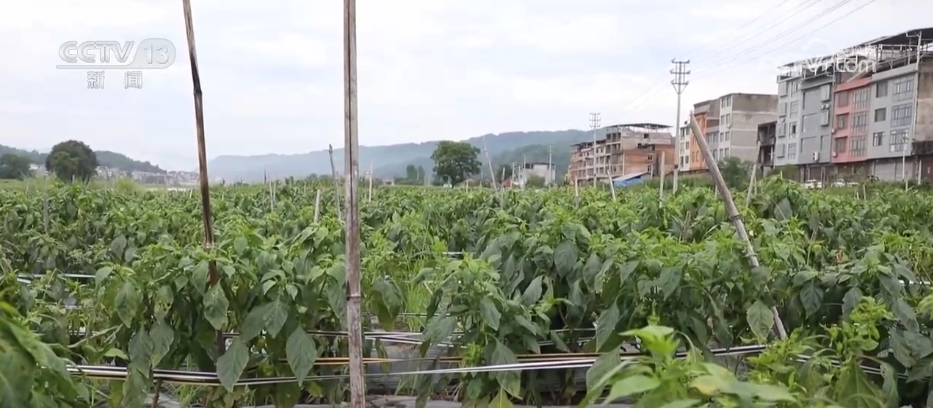
广东怀集遭遇严重洪涝灾害 当地全力推进灾后重建工作
news flash· 2025-06-19 11:14
Group 1 - Severe flooding disaster occurred in Huai Ji County, Zhaoqing, Guangdong from June 15 to 19 due to continuous heavy rainfall, affecting multiple towns and streets [1] - As floodwaters receded on June 19, accumulated silt severely impacted residents' daily lives, prompting local authorities to initiate disaster recovery efforts [1] - A total of 105 firefighters were deployed in the most affected areas, including Zhongzhou Town and Huaicheng Street, working in four teams to clear roads and residential areas using high-pressure water guns and shovels [1] Group 2 - Firefighters operated on a 24-hour shift basis, adhering to the principle of "water recedes, people advance, clean as they go," ensuring efficient silt removal [1] - The disaster led to temporary water and electricity outages in the affected areas, prompting the dispatch of five fire water tankers to deliver drinking water to residents [1] - Fire departments advised citizens to conduct timely disinfection and epidemic prevention after the flood, emphasizing the importance of drinking water hygiene and safety [1]
天山脚下新家园 新疆阿合奇县震后重建让村民过上新生活
Zhong Guo Xin Wen Wang· 2025-06-06 13:59
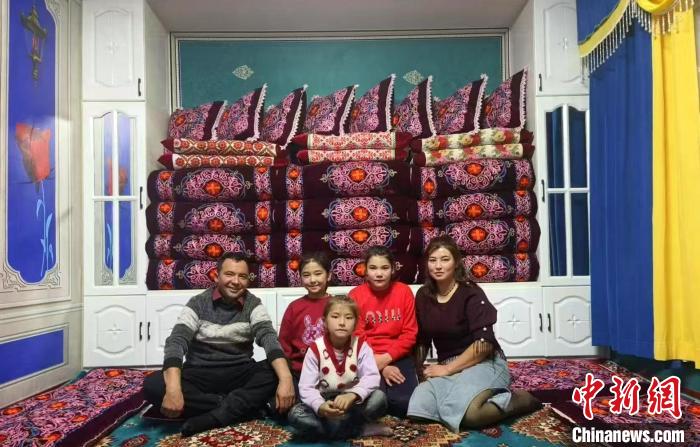
Core Viewpoint - The article highlights the significant improvements in living conditions and community infrastructure in Aktektik Village, Xinjiang, following the reconstruction efforts after the 7.1 magnitude earthquake on January 23, 2024. The government has invested in new housing and public facilities, leading to a better quality of life for residents [1][2][4]. Group 1: Reconstruction Efforts - The government has invested 222 million yuan in disaster recovery, constructing 1,871 rural houses and 2,073 winter production houses for herders, allowing 3,944 households to move into new homes [7]. - The new houses are designed to withstand earthquakes up to 8 magnitude, providing residents with safer living conditions [2][6]. Group 2: Community Development - The village has seen the establishment of public facilities such as schools, elderly activity centers, and health service stations, enhancing community services [4][5]. - Residents have reported improved transportation and living conditions, with paved roads and better sanitation, contributing to a cleaner and more organized environment [4][5]. Group 3: Personal Impact - Residents like Sayila Guliyumayir have experienced a transformation in their daily lives, with access to modern amenities and opportunities for personal development, such as pursuing crafts and cultural activities [4][7]. - The changes in the village have fostered a sense of community, with residents engaging in cultural activities that strengthen social ties and preserve traditional practices [7].
金融之翼托起新川西 四川金融系统积极支持“9·5”泸定地震灾后重建
Jin Rong Shi Bao· 2025-06-05 02:01
Core Insights - The financial support from the People's Bank of China has significantly aided the post-earthquake recovery and reconstruction efforts in Sichuan, with substantial increases in deposits and loans in the affected areas [1][3][5] Financial Recovery and Support - As of March 2025, deposits in Ganzi and Ya'an reached 299.39 billion yuan, a 17% increase since September 2022, while loans increased by 25% to 221.47 billion yuan, indicating a full recovery and surpassing pre-earthquake levels [1][3] - The People's Bank of China implemented a housing reconstruction loan plan, offering up to 30 million yuan in loans with a 30 basis point reduction in interest rates, which has facilitated the repair and rebuilding of homes for over 35,918 households [3][5] Economic Revitalization - Financial institutions have introduced various relief policies, including loan extensions and interest rate reductions, to support local businesses and stimulate economic activity in the disaster-stricken areas [5][6] - By March 2025, 364 post-disaster reconstruction projects had been initiated, with a completion rate of 92.62% and total investments of 20.037 billion yuan [6] Tourism and Cultural Development - The recovery of the tourism sector has been notable, with the reopening of the Hailuo Valley scenic area in December 2023, which has since attracted 150,000 visitors and generated 1.057 billion yuan in tourism revenue [8] - The tourism industry in Ganzi has seen a resurgence, with a total of 2.78118 million visitors and tourism revenue reaching 33.866 billion yuan since the earthquake, exceeding pre-disaster levels [8] Industry Collaboration and Innovation - The People's Bank of China has facilitated innovative financing solutions, such as using trademark rights as collateral for loans, which has helped local businesses like Sichuan Guyu Water Industry Co., Ltd. to recover and create jobs [4][6] - Collaborative efforts between financial institutions and local governments have led to the establishment of new agricultural practices and the introduction of high-value crops, enhancing local economic resilience [6][7]
金融注动能 灾后重建跑出“加速度” 陕西金融系统支持灾后重建工作纪实
Jin Rong Shi Bao· 2025-05-27 03:24
Core Viewpoint - The article highlights the proactive measures taken by financial institutions in Shaanxi Province to support disaster recovery and reconstruction efforts following severe flooding in July 2024, emphasizing the importance of financial assistance in restoring local economies and livelihoods [1][5]. Group 1: Financial Support Initiatives - The People's Bank of China (PBOC) in Shaanxi has guided local branches to implement measures for disaster recovery, including enhancing credit support and simplifying procedures to aid rescue and reconstruction efforts [1][5]. - The Baoji Rural Commercial Bank provided 10 million yuan in loans for facility repairs and green reconstruction in severely affected areas [2]. - The PBOC Baoji branch opened a green channel for flood control, allowing for expedited loan approvals and special credit allocations for disaster recovery at preferential rates [3][5]. Group 2: Specific Financial Products and Loans - The Fengxian Rural Commercial Bank revised its loan management guidelines to reduce financing costs for affected farmers, issuing 13.2 million yuan in loans to key disaster-hit villages [3]. - The PBOC Baoji branch encouraged banks to utilize central bank monetary policy tools to provide low-cost funding, with a total of 404 million yuan in re-loans issued since the disaster [5]. - The Xi'an Bank provided 3 million yuan in loans to a food processing company affected by the floods, enabling it to recover and thrive through online sales [6]. Group 3: Support for Agricultural and Local Industries - The PBOC Shanzhou branch coordinated with 18 banks to develop specialized loan products for key agricultural industries, providing 2 million yuan in loans to a disaster-hit mushroom enterprise [7]. - Financial institutions were instructed to meet funding needs for agricultural infrastructure repair and recovery, with agricultural loan balances reaching 56.884 billion yuan by the end of 2024 [8]. - The Postal Savings Bank provided 400,000 yuan in operating loans to a pig farmer who suffered significant losses due to flooding, demonstrating the critical role of financial support in recovery [7].