融合化

Search documents
为中国式现代化提供坚强物质支撑——建设现代化产业体系,巩固壮大实体经济根基
Ren Min Ri Bao· 2025-11-23 02:45
Core Viewpoint - The article emphasizes the importance of building a modern industrial system as the material and technological foundation for Chinese-style modernization, highlighting the need for innovation and the strengthening of the real economy [1][5]. Group 1: Importance of the Real Economy - The real economy is identified as the cornerstone of national strength, with a focus on its role in supporting economic growth and employment [3][4]. - In 2024, China's industrial added value reached 40.5 trillion yuan, accounting for about 30% of GDP, with a year-on-year growth of 6.1% in the first three quarters [4]. - The real economy employs over 400 million people, representing more than half of the national employment population [4]. Group 2: Modern Industrial System Construction - The construction of a modern industrial system is crucial for connecting production and consumption, serving as a key pivot in the national economy for achieving high-quality development [5][6]. - The manufacturing sector's added value accounts for nearly 30% of the global total, maintaining the world's largest scale for 15 consecutive years [7]. - The shift towards intelligent, green, and integrated transformations in the real economy is essential for building a modern industrial system [7][10]. Group 3: Emerging Pillar Industries - The article introduces the concept of emerging pillar industries, which combine characteristics of both emerging and pillar industries, playing a significant role in economic growth [12][16]. - By 2025, the added value of strategic emerging industries is expected to exceed 17% of GDP, an increase of approximately 5.3 percentage points from the end of the 13th Five-Year Plan [16]. - The development of new industries such as low-altitude economy is highlighted, with a projected market size of 1.5 trillion yuan in 2023, potentially reaching 3.5 trillion yuan by 2035 [18]. Group 4: Future Outlook - The article stresses the need to optimize traditional industries while proactively planning for future industries, which are seen as potential strategic emerging industries [19]. - The traditional industries currently account for about 80% of the added value in manufacturing, with an estimated market space of 10 trillion yuan to be added in the next five years [19]. - Strengthening the foundation of the real economy and accelerating the construction of a modern industrial system will lay a solid material foundation for Chinese-style modernization [19].
为中国式现代化提供坚强物质支撑——建设现代化产业体系 巩固壮大实体经济根基
Ren Min Ri Bao· 2025-11-22 22:04
Core Viewpoint - The construction of a modern industrial system is essential for China's economic development, emphasizing the importance of the real economy and technological innovation as foundational elements for future growth [1][5]. Group 1: Importance of the Real Economy - The real economy is highlighted as the cornerstone of national strength, with a focus on its role in supporting economic stability and growth [1][3]. - In Shandong's Bingzhou, the local kitchenware industry, which includes over 2,800 enterprises, has transformed through innovation and investment, now accounting for 40% of the national market [2][4]. Group 2: Current Economic Data - In 2024, China's industrial added value is projected to reach 40.5 trillion yuan, constituting about 30% of the GDP, with a year-on-year growth of 6.1% in the first three quarters of the current year [4]. - The real economy employs over 400 million people, representing more than half of the national employment population [4]. Group 3: Future Directions and Strategies - The modern industrial system is crucial for achieving high-quality development, with a focus on localizing and regionalizing industrial and supply chains [5][6]. - The "14th Five-Year Plan" has laid a solid foundation for building a modern industrial system, with China's manufacturing value added accounting for nearly 30% of the global total [6][7]. Group 4: Technological Advancements - The shift towards intelligent, green, and integrated transformations in the real economy is essential for enhancing competitiveness [7][10]. - The "smart revolution" in manufacturing has led to a 12% to 15% increase in productivity, exemplified by Shanghai's turbine manufacturing plant [8]. Group 5: Emerging Pillar Industries - The concept of "emerging pillar industries" combines characteristics of both emerging and traditional industries, playing a significant role in economic growth and technological advancement [12][17]. - By 2025, the added value of strategic emerging industries is expected to exceed 17% of GDP, indicating a substantial increase from previous years [18]. Group 6: Market Opportunities - The low-altitude economy is projected to reach a market size of 1.5 trillion yuan this year, with expectations of growing to 3.5 trillion yuan by 2035 [20]. - The traditional industries, which currently account for about 80% of manufacturing value added, are also expected to see significant market expansion, potentially adding around 10 trillion yuan in the next five years [21].
为中国式现代化提供坚强物质支撑
Ren Min Ri Bao· 2025-11-22 22:00
Core Viewpoint - The construction of a modern industrial system is essential for China's economic development, emphasizing the importance of the real economy and technological innovation as foundational elements for future growth [1][5][21]. Group 1: Importance of the Real Economy - The real economy is highlighted as the cornerstone of national strength, with a focus on its role in supporting economic stability and growth [1][3]. - In Shandong's Bingzhou, the local kitchenware industry, which includes over 2,800 enterprises, has successfully transformed through innovation and investment, now accounting for 40% of the national market [2][4]. - The industrial added value in China is projected to reach 40.5 trillion yuan in 2024, contributing approximately 30% to the GDP, with a year-on-year growth of 6.1% in the first three quarters of the current year [4]. Group 2: Modern Industrial System Construction - The modern industrial system is described as a key link between production and consumption, crucial for achieving high-quality development [5][21]. - The "14th Five-Year Plan" has laid a solid foundation for building this system, with China's manufacturing value added accounting for nearly 30% of the global total [6][7]. - The shift towards intelligent, green, and integrated transformations in the real economy is emphasized as vital for enhancing competitiveness [7][10]. Group 3: Emerging Pillar Industries - The concept of "emerging pillar industries" is introduced, which combines characteristics of both emerging and pillar industries, playing a significant role in economic growth and technological advancement [11][12][17]. - Predictions indicate that by 2025, the added value of strategic emerging industries will exceed 17% of GDP, marking a significant increase from previous years [18]. - The low-altitude economy is cited as a promising sector, with a market size expected to reach 1.5 trillion yuan this year and potentially 3.5 trillion yuan by 2035 [20]. Group 4: Future Outlook - The need to optimize traditional industries while strategically developing future industries is stressed, with traditional sectors currently accounting for about 80% of manufacturing value added [21]. - The potential for new industries to emerge as significant contributors to the economy over the next decade is highlighted, suggesting a transformative impact on China's high-tech sector [21].
上汽集团:上汽集团间接持有乐聚机器人公司股份合计为1.2%
Zheng Quan Ri Bao Wang· 2025-11-21 09:43
Core Viewpoint - SAIC Group holds a 1.2% indirect stake in Leju Robotics and emphasizes its commitment to open cooperation and development in smart, green, and integrated directions [1] Group 1: Strategic Focus - The company is focusing on the construction of the new energy industry chain, research and application of smart vehicles, artificial intelligence algorithms, chip design and manufacturing, network data security, and digital industrial ecology [1] - SAIC Group aims to enhance the resilience of its industrial and supply chains while building a new industrial ecosystem [1] Group 2: Collaborative Efforts - The company is actively collaborating with global partners to expand cooperation into broader fields, higher levels, and deeper dimensions [1] - The goal is to jointly promote high-quality development in the automotive industry [1]

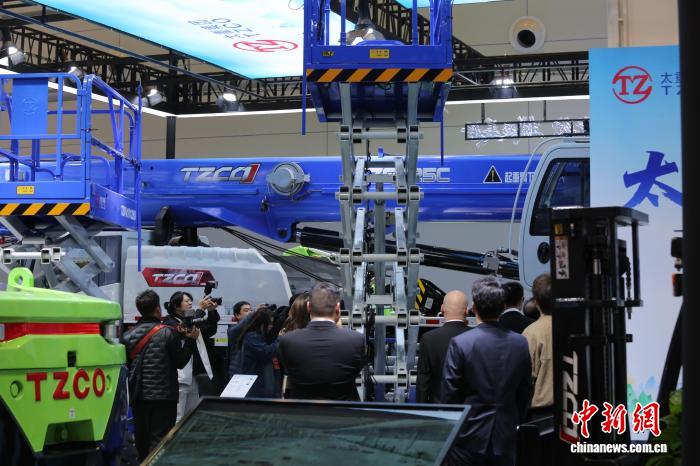
2025第二届中国(郑州)数字化与先进装备制造业博览会开幕
Zhong Guo Xin Wen Wang· 2025-11-21 07:33
Core Viewpoint - The 2025 Second China (Zhengzhou) Digitalization and Advanced Equipment Manufacturing Expo opened on November 21, 2023, focusing on themes of high-end, intelligent, green, and integrated development [3][5][7]. Group 1: Event Overview - The expo is held at the Zhengzhou International Convention and Exhibition Center [3][5]. - It features various exhibition areas, including digitalization and future industries, advanced equipment, industrial automation and robotics, and new power equipment and energy gear [3][5][7]. Group 2: Themes and Focus Areas - The main themes of the expo are high-end, intelligent, green, and integrated development [3][5][7]. - Specific exhibition areas include: - Digitalization and future industries [3][5]. - Advanced equipment [3][5]. - Industrial automation and robotics [3][5]. - New power equipment and energy gear [3][5]. Group 3: Exhibits and Technologies - Attendees can explore various technologies, such as smart cooking robots and electric vehicles [9][11]. - The expo showcases innovative equipment like a 16-ton lithium battery counterbalance forklift [20].

刘琤:以智能化绿色化融合化发展推动转型升级
中国能源报· 2025-11-21 05:33
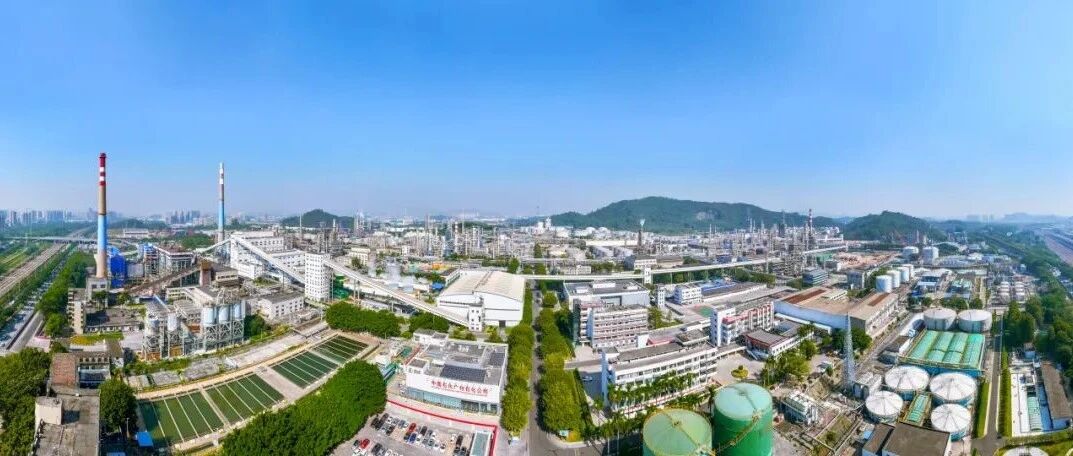
Core Viewpoint - The article emphasizes the importance of integrating intelligent, green, and collaborative development to drive transformation and upgrading in the petrochemical industry, particularly for Guangzhou Petrochemical as the only refining enterprise in the Guangdong-Hong Kong-Macao Greater Bay Area [4][10]. Intelligent Development - Intelligent development is identified as a key breakthrough for modernizing traditional industries, with the petrochemical sector undergoing a significant shift from "experience-driven" to "data-driven" operations. Guangzhou Petrochemical has been enhancing digital applications and information systems to improve operational stability and management efficiency [7]. - Future initiatives include establishing a higher standard for "Smart Guangzhou Petrochemical," focusing on risk control, financial decision-making models, and integrated scheduling systems, while promoting digital delivery and remote monitoring [7][10]. Green Development - Green transformation is deemed essential for the petrochemical industry, with Guangzhou Petrochemical committing to environmental governance and low-carbon initiatives. The company has maintained the title of "National Green Factory" for four consecutive years and aims to achieve a "waste-free factory" through comprehensive pollution reduction strategies [8][10]. - The company is targeting carbon peak goals and aims to build a green circular industrial system, emphasizing proactive carbon management and energy efficiency [8][10]. Collaborative Development - Collaborative development is viewed as a strategic choice to overcome growth bottlenecks. The "14th Five-Year Plan" period is seen as a critical phase for Guangzhou Petrochemical to advance new industrialization, focusing on safety, green development, and technological upgrades [10]. - The company plans to enhance its industrial and value chains, develop high-end specialty oils, and invest in hydrogen production and energy storage systems, thereby expanding its high-quality development space [10].
刘泉红:锚定强国建设推进产业体系现代化
Jing Ji Ri Bao· 2025-11-21 00:04
Core Viewpoint - The modernization of the industrial system is the material and technical foundation for China's modernization, emphasizing the importance of a robust real economy and a modernized industrial system as key to building a socialist modernized strong country [1][2][3]. Group 1: Importance of Modern Industrial System - The establishment and development of any social economic system are supported by a corresponding material foundation, with a modern industrial system being crucial for modernization [2]. - Successful modernization in various countries has been linked to the process of industrial system modernization, which provides a strong material basis for economic development [2]. - The lack of a modern industrial system in some developing countries has led to insufficient and unsustainable modernization [2]. Group 2: Strategic Tasks and Goals - The "14th Five-Year Plan" prioritizes the construction of a modern industrial system and the consolidation of the real economy as the first strategic task [1]. - The construction of a modern industrial system is a long-term and complex systemic project that requires a focus on the real economy and the continuous upgrading of traditional industries alongside the cultivation of emerging industries [4][12]. Group 3: Key Directions for Development - The modernization of the industrial system should focus on three main directions: intelligent, green, and integrated development [5][7][8]. - Intelligent development involves deep transformation across the entire production chain, utilizing data and AI technologies to create a smart industrial ecosystem [6]. - Green transformation aims to integrate low-carbon and circular economy principles throughout the industrial process, emphasizing the importance of green technology innovation [7]. Group 4: Enhancing Traditional Industries - Traditional industries play a crucial role in maintaining a reasonable proportion of manufacturing and ensuring the integrity of the industrial system [12]. - The optimization and upgrading of traditional industries are essential to avoid the structural dilemmas faced by developed countries due to deindustrialization [12]. - New technologies, particularly digital and green technologies, are reshaping traditional production models and development paths [12]. Group 5: Fostering New and Future Industries - The intersection of the new technological revolution and industrial transformation presents significant opportunities for building a modern industrial system [13]. - China has made notable advancements in sectors like renewable energy, establishing competitive supply chains and leading in technology innovation [13]. - Future industries driven by cutting-edge technologies require a robust mechanism for disruptive innovation and risk-sharing [13]. Group 6: Service Industry Development - The service industry is a vital component of the modern industrial system, with its share of GDP expected to increase as industrialization progresses [14]. - Enhancing the quality and efficiency of the service industry can drive industrial transformation and meet the evolving needs of society [14]. - There is significant potential for growth in China's service sector, particularly in high-end and quality service offerings [14]. Group 7: Infrastructure Development - A modernized infrastructure system is essential for the efficient operation of the industrial system, influencing resource allocation and economic efficiency [15][16]. - China has made substantial progress in infrastructure development, including extensive transportation networks and digital infrastructure [16]. - Addressing existing imbalances and enhancing the adaptability of infrastructure is crucial for supporting the modernization of the industrial system [16].
锚定强国建设推进产业体系现代化
Jing Ji Ri Bao· 2025-11-20 22:19
Core Viewpoint - The modernization of the industrial system is the material and technical foundation for Chinese-style modernization, emphasizing the importance of the real economy and the modernization of the industrial system as a strategic task for building a modern socialist country [1][2][3]. Group 1: Understanding Industrial System Modernization - The establishment and development of any social economic system require a corresponding material foundation, with a modern industrial system being crucial for modernization [2]. - Successful modernization in various countries has been linked to the process of industrial system modernization, while failure to establish such systems has led to insufficient and unsustainable modernization [2]. - China's modernization has been closely tied to the development and evolution of its industrial system, highlighting the need for a complete, advanced, and secure modern industrial system [2][4]. Group 2: Key Components of Modern Industrial System - Xi Jinping's economic thought emphasizes the construction of an industrial system that integrates the real economy, technological innovation, modern finance, and human resources [3]. - The modern industrial system should focus on intelligent, green, and integrated development, with advanced manufacturing as its backbone [3][4]. - The construction of a modern industrial system is a complex, long-term project that requires a strong focus on the real economy and the optimization of traditional industries alongside the cultivation of emerging industries [4][11]. Group 3: Development Directions - The three key directions for industrial modernization are intelligentization, green transformation, and integration, which are interdependent and collectively drive systemic leaps in industrial development [5][7][8]. - Intelligentization involves deep restructuring of the entire production chain using data and AI technologies, aiming to create a smart industrial ecosystem [6]. - Green transformation focuses on embedding low-carbon and circular economy principles throughout the industrial process, emphasizing the importance of green technology innovation and lifecycle management [7]. Group 4: Innovation and Upgrading - The optimization and upgrading of traditional industries are essential for maintaining a balanced manufacturing sector and ensuring the integrity of the industrial system [11]. - New technologies, particularly digital and green technologies, are reshaping traditional production models and development paths, necessitating a shift towards smart, green, and service-oriented manufacturing [11][12]. - The cultivation of emerging and future industries is crucial, with a focus on sectors like renewable energy, aerospace, and advanced materials, leveraging China's unique conditions for rapid technology application [12]. Group 5: Service Industry Development - The service industry is a vital component of the modern industrial system, with its share of GDP expected to increase as industrialization progresses [13]. - Enhancing the quality and efficiency of the service sector can drive industrial transformation, create jobs, and meet the evolving needs of society [13]. Group 6: Infrastructure and Support - A modernized infrastructure system is foundational for the efficient operation of the industrial system, influencing resource allocation and economic efficiency [14]. - China has made significant strides in infrastructure development, but challenges remain in terms of balance and integration [14][15]. - Future infrastructure improvements should focus on enhancing connectivity, adaptability, and advanced technology integration to support industrial modernization [15].
政策力推新质生产力!价值ETF(510030)上涨0.45%!机构:高股息资产或具备配置价值
Xin Lang Ji Jin· 2025-11-20 02:43
Group 1 - The value ETF (510030) showed stable performance with a 0.45% increase and a trading volume of 2.1 million yuan as of 10:19 AM on November 20 [1] - Among the constituent stocks, China Bank, Minsheng Bank, and Everbright Bank had notable performances with increases of 3.5%, 2.2%, and 1.67% respectively [1] - Conversely, China Merchants Energy, Lu'an Environmental Energy, and SAIC Motor experienced declines of 1.72%, 1.07%, and 1.05% respectively [1] Group 2 - CITIC Securities indicated that by 2026, the industry style will become more balanced, with cyclical and technology growth sectors advancing together [2] - The recovery of global manufacturing, U.S. interest rate cuts, and domestic policies against "involution" are favorable for cyclical styles [2] - The consumer sector is expected to benefit from a "systematic slow bull" wealth effect and increased domestic demand policies, particularly in food and beverage and social services [2] - Traditional industries such as basic chemicals and machinery will benefit from the emphasis on capacity optimization in the "14th Five-Year Plan" [2] - The value ETF (510030) passively tracks the 180 Value Index, with top ten weighted stocks including China Ping An, China Merchants Bank, and Industrial and Commercial Bank of China [2]
中央财经委员会办公室原副主任尹艳林:“十五五”上市公司高质量发展要从六个方面着力
Zheng Quan Ri Bao· 2025-11-14 05:32
Core Points - The meeting emphasizes the importance of technology empowering listed companies and returning value to patient capital, aligning with the current state of the Chinese economy [1] - The 20th Central Committee's Fourth Plenary Session has significant implications for the next five years, particularly regarding the 15th Five-Year Plan [1][2] Group 1: Achievements of Listed Companies - Listed companies have made significant achievements during the 14th Five-Year Plan, with a notable shift towards new and practical characteristics [2] - The number of listed companies in strategic emerging industries has increased, with their proportion rising from 42.6% to 52.3%, a 10 percentage point increase [2] - The profit share of listed companies in the real economy has reached 52%, surpassing the financial sector for the first time [2] - The market capitalization of the electronics sector has exceeded that of banking, with electronics at 12.7% compared to banking's 9.9% [2] Group 2: Innovation and R&D Investment - Innovation capabilities have significantly improved, with R&D investment by listed companies reaching 6.5 trillion yuan, a 189.3% increase compared to previous periods [3] - R&D investment accounted for 21.1% of revenue for listed companies in the first half of the year, reflecting a growing commitment to innovation [3] Group 3: Mergers and Acquisitions - The pace of mergers and acquisitions has accelerated, with over 14,000 cases and a transaction value of 7.6 trillion yuan during the 14th Five-Year Plan [4] - Mergers and acquisitions are seen as a means to optimize resource allocation and achieve technological upgrades [4] Group 4: Dividend Policies and Shareholder Returns - The regulatory framework has strengthened, with a focus on enhancing dividend policies, leading to a cumulative dividend payout of 10.4 trillion yuan, an 85.7% increase [5] - Share buybacks have also increased significantly, from over 200 billion yuan during the 13th Five-Year Plan to over 500 billion yuan [5] Group 5: Corporate Governance and Internationalization - Corporate governance standards have improved, with a focus on independent functioning and regulatory compliance [6] - The international competitiveness of listed companies has increased, with 14% of their business coming from overseas markets [6] Group 6: Future Directions and Strategic Goals - The 15th Five-Year Plan emphasizes high-quality development, with specific goals for nurturing new growth drivers and optimizing industrial structures [7][8] - The plan highlights the importance of deepening the real economy and integrating smart, green, and fusion development strategies [8][9] - There is a strong emphasis on enhancing technological empowerment and increasing R&D capabilities to support high-quality development [9][10]