长期护理保险制度

Search documents
建立长期护理保险制度是一项民生工程(专家点评)
Ren Min Ri Bao· 2025-11-18 23:01
Core Viewpoint - The establishment of a long-term care insurance system in China aims to provide financial support and services for the elderly suffering from disabilities and dementia, significantly alleviating the economic burden on families and promoting the development of the long-term care industry [1] Group 1: Long-term Care Insurance System - Over 45 million elderly individuals in China require long-term care from family members or institutions [1] - The long-term care insurance system was initiated in June 2016, with 15 cities selected as pilot areas, and Jilin and Shandong provinces identified as key regions for exploration [1] - As of the end of 2024, 49 pilot cities will have a total of 188 million participants in the long-term care insurance program, with 1.4625 million individuals receiving benefits this year [1] Group 2: Financial Aspects - The total income of the long-term care insurance fund across pilot regions is 24.415 billion yuan, while total expenditures amount to 13.108 billion yuan [1] - The system is designed to alleviate the high costs associated with long-term care and medical services for disabled and demented individuals, thereby reducing the financial strain on families [1] Group 3: Industry Impact - The establishment of the long-term care insurance system is expected to significantly promote the growth of the elderly care service industry, particularly the long-term care sector [1]
应对“一人失能、全家失衡” 长护险守护失能人群幸福(民生一线·关注长期护理保险)
Ren Min Ri Bao· 2025-11-18 22:57
——编者 数据显示,目前我国有超4500万失能失智老年人,长期护理保险有助于应对"一人失能、全家失衡"的社 会难题,为失能人群及其家庭带来了希望。 长护险如何购买、如何理赔?参保者能享受哪些服务和保障?针对失能老年人等群体有什么便利化举 措? 报销一定比例医疗服务费,缓解失能老人家庭压力 "大爷,按摩完感觉好一些了吧?该吸氧了。"护工陈小亮扶着82岁的老人王保安坐了起来,把吸氧管伸 到他的鼻下。家住山西晋城市城区的王保安,患有肺气肿等多种疾病,不能正常走路、双手时常颤抖。 老人此前参保了长护险,2024年4月申请了长护险待遇,选择了居家和上门护理叠加的模式。 2021年1月,晋城市长护险制度正式启动实施。"只要是晋城市户籍的职工,参保不限年龄和身体条 件。"晋城市医保局四级调研员赵艺嵘介绍,失能状态达到6个月以上、病情基本稳定、需要长期护理就 可以申请长护险待遇,在辖区医保服务窗口或线上提交申请。"截至目前,晋城市长护险参保人数超56 万人,享受待遇的有5145人,基金支出超8400万元。"晋城市医保局局长赵锦会说。 在浙江宁波,长护险参保人数已超过830万人,长护险制度为近5万名重度失能人员及其家庭带来便利 ...
我省明年起实施长期护理保险制度
Hai Nan Ri Bao· 2025-11-15 01:27
全省将从2026年1月1日起统一实施长期护理保险制度,职工从2026年1月1日开始缴费,居民在2025年集 中征缴期与城乡居民基本医疗保险费同步缴费,集中征缴期自2025年11月15日起至2026年2月28日止。同时, 已参保的失能人员经评估符合条件的,统一在2026年4月1日起开始享受待遇。 在筹资渠道上,我省将建立健全单位、个人、财政、社会等多元筹资渠道。单位职工由用人单位和个人 共同缴费;灵活就业人员和退休人员由个人按规定缴费;居民参保在个人缴费基础上,政府按规定给予补助。 在筹资方式上,职工按月征缴(灵活就业人员可按季征缴),居民按年度筹集,均与基本医疗保险费一并缴 纳。18周岁以下非就业居民跟随父母或法定抚养人等参保,不单独筹资;孤儿、事实无人抚养儿童等无法跟随 参保的,可视同参保。 在筹资标准上,按照"以收定支、收支平衡"的原则合理确定筹资标准并动态调整。用人单位的缴费费率 为0.3%,费率由单位和个人按比例分担。退休人员缴费费率为0.15%,缴费基数为本人基本养老金,原单位 不缴费。灵活就业人员缴费费率为0.3%,缴费基数按上年度全口径城镇单位就业人员平均工资的60%确定。 城乡居民缴费费率从0 ...


长护险迎“十五五”新机遇,AI赋能破解照护难题
Di Yi Cai Jing· 2025-11-10 12:35
Core Insights - The long-term care insurance (LTCI) system in China is entering a new phase as it is recognized as a national strategy, with significant emphasis on its implementation during the 14th and 15th Five-Year Plans [3][4] - The LTCI system aims to address the growing number of disabled elderly individuals, which is projected to reach 46 million by 2035, highlighting the increasing importance of LTCI in providing care and support [2][3] Group 1: LTCI System Development - The LTCI system has expanded from local trials in 2016 to a nationwide rollout, currently covering 1.8 billion people across 49 cities, with over 800 billion yuan spent on care for more than 260,000 disabled insured individuals [2][3] - The National Healthcare Security Administration has accelerated the establishment of a LTCI system tailored to China's conditions, with a timeline set for full implementation within three years [3][4] Group 2: Challenges and Recommendations - Key challenges include a single funding mechanism, inadequate service supply, and lack of coordination with other insurance systems [4][5] - Experts suggest creating a multi-tiered long-term care system that includes social LTCI for basic needs and supplementary commercial insurance for broader coverage [4][5] Group 3: AI Integration in LTCI - The integration of AI in LTCI is seen as essential for improving efficiency and standardization in fund assessment and disability evaluation, with AI potentially reducing evaluation time from weeks to hours [6][7] - AI can also enhance the monitoring of care quality and the use of assistive devices, with examples of successful implementations already in place [6][7]

政策性长护险织密养老保障网之常州实践
Zheng Quan Ri Bao· 2025-11-05 23:21
Core Viewpoint - The implementation of the policy-based long-term care insurance (referred to as "long-term care insurance") is significantly alleviating the burden on families caring for disabled elderly individuals, especially in the context of China's aging population [1][5]. Group 1: Long-term Care Insurance Implementation - The long-term care insurance system was fully launched in Changzhou, Jiangsu Province, on January 1, 2022, after a three-year pilot program [1]. - As of June 2025, the long-term care insurance fund in Changzhou has disbursed 213 million yuan, benefiting a large number of residents [2]. Group 2: Service Structure and Benefits - The long-term care insurance supports a multi-tiered service system, including home care, nursing home care, and hospital care, with monthly payment caps of 1,500 yuan for severely disabled individuals and 900 yuan for moderately disabled individuals [2]. - Caregivers can receive a monthly living care subsidy of 600 yuan, enhancing the financial support for families [2]. Group 3: Funding and Operational Model - The funding mechanism for the long-term care insurance in Changzhou involves a shared responsibility model, with a uniform personal contribution of 30 yuan per year, supplemented by allocations from the medical insurance fund and fiscal subsidies [3]. - The operational model includes a "government-business cooperation" approach, with the Changzhou Medical Insurance Bureau responsible for policy formulation and China Pacific Insurance as the main contractor [3]. Group 4: Quality Control and Supervision - A dedicated auditing team conducts regular home visits and phone follow-ups to ensure service quality, supported by an online video inspection system for remote monitoring of caregivers [4]. - The establishment of the Changzhou Long-term Care Insurance Industry Association aims to address common challenges such as lack of coordination and talent shortages within the industry [4]. Group 5: National Expansion and Future Outlook - As of now, 49 cities in China are piloting long-term care insurance, covering approximately 190 million people, with total funding exceeding 100 billion yuan and expenditures surpassing 85 billion yuan [5]. - The issuance of the "Opinions on Accelerating the Establishment of a Long-term Care Insurance System" in July 2025 marks the beginning of a unified national system, with further implementation expected across various regions [5].
从“有”到“优” 长护险制度全面推广面临挑战
Jin Rong Shi Bao· 2025-10-29 01:46
"我父亲的退休金除了看病吃药,剩下的不够请个保姆。"家住北京市石景山区的刘女士道出了一些 失能家庭面临的困境。刘女士的父亲因帕金森病生活无法自理,母亲年迈体弱,她与丈夫都是独生子 女,工作与照顾幼子让他们疲于奔命。 "我们面临的选择是,要么一个人辞职回家,要么请个保姆,无论哪种,生活压力都会增加。"刘女 士家面临的困境,正是长期护理保险制度(以下简称"长护险制度")试图破解的核心难题。 长护险试点成效显著 民政部的数据显示,截至2024年末,全国65周岁及以上老年人口达2.2亿人,占总人口的15.6%。其 中,失能老人总数预计超过4000万人。随着生活和医疗水平持续提升,人均预期寿命的延长,未来失能 老人的数量还会继续增加。专业的机构护理费用高昂,动辄每月数千甚至上万元,成为许多普通家庭 的"不可承受之重"。 第三,长护险的核心是"服务",而非简单的"现金补贴"。但目前我国专业的护理服务供给严重不 足,合格的养老护理员缺口巨大,且面临着社会地位低、劳动强度大、收入不高的职业困境。同时,提 供专业照护的养老机构"一床难求",而社区、居家护理服务网络尚不完善。这导致可能出现"虽有保 险,却无服务可买"的尴尬局面, ...
政策性及商业长护险双双按下加速键
Bei Jing Shang Bao· 2025-10-08 15:35
在政策性长护险"保基本、兜底线"基础上,商业长护险可为失能人员提供更高水平、更广范围、更具个 性化的护理保障,助力构建"基本+补充"的多层次保障格局。 步入老龄化社会后,我国人口老龄化程度处于高速增长态势,很多失能失智老年人面临护理保障缺口, 建立契合国民实际需求的长护险制度越发具有紧迫性和必要性。北京商报记者注意到,近期推动政策性 长护险和商业长护险发展的政策信号均持续释放。具体来说,国家医保局近期发布《国家长期护理保险 服务项目目录(试行)》(以下简称《长护服务目录》),明确了长护险基金支付的36项基本服务项 目,涵盖生活照料、专业护理、健康管理三大类,包括清洁护理、饮食照料、压疮预防、康复训练、心 理支持等具体内容,并对服务频次、技术规范作出细化规定。国家医保局表示,《长护服务目录》的出 台,有助于规范长护服务行为,提升服务质量,稳定保障长期护理保险待遇享受人员权益,更好保障长 期护理保险基金平稳运行。 "一人失能,全家失衡",这句在养老场景中反复出现的感慨,道尽了千万家庭面对失能老人的沉重负 担。随着我国老龄化进程持续加深,这一困境正从个体家庭问题逐渐演变为社会共性痛点。据了解,我 国失能失智老年群体 ...
事关病床上的老人 长护险的服务项目清单终于明确了!
Jing Ji Guan Cha Wang· 2025-09-29 01:23
Core Viewpoint - The establishment of the National Long-term Care Insurance (LTCI) system is progressing towards a nationwide framework, with the release of the "National Long-term Care Insurance Service Project Directory (Trial)" marking a new phase of standardization and normalization in LTCI service system construction [2][3]. Summary by Categories LTCI Service Framework - The LTCI system aims to provide basic living care and related medical services for long-term disabled individuals, similar to other social insurance systems, and is referred to as the "sixth insurance" in social security [3]. - The plan is to establish a comprehensive urban-rural LTCI system within approximately three years, focusing on a shared funding mechanism and a fair treatment guarantee mechanism [3][4]. Service Project Directory - The directory includes 36 service items categorized into two main types: 20 items for daily living care and 16 items for medical care [4][5]. - Daily living care services encompass assistance with daily activities such as eating, toileting, hygiene, dressing, and maintaining basic living abilities [4][9]. - Medical care services include basic medical care closely related to daily living care, such as general check-ups, basic care, specialized care, and rehabilitation [5][10]. Implementation and Transition - The LTCI system will differentiate responsibilities between LTCI funds and basic medical insurance funds, ensuring that costs for services listed in the directory are covered by the LTCI fund [6]. - Pilot cities that have established their own service project directories must align with the national directory within three years, while new regions must adhere to the national standards from the outset [6][8].

国家医保局明确长护险服务项目目录,高品质养老需求快速上升
Huan Qiu Wang· 2025-09-29 00:56
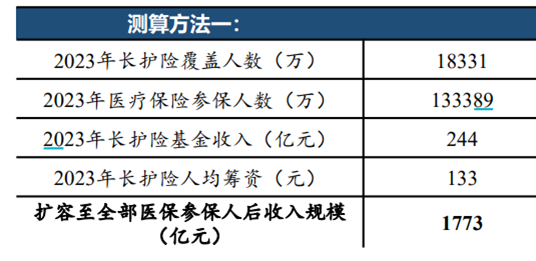
Core Viewpoint - The National Healthcare Security Administration has issued a trial version of the National Long-term Care Insurance Service Project Directory, which includes 36 service items funded by the long-term care insurance fund, while also initiating a special rectification of medical insurance fund management to combat fraud [1][2]. Group 1: Long-term Care Insurance Development - Japan implemented the Long-term Care Insurance Law in 1997, establishing a mandatory nationwide care insurance system, which diversified the elderly care service system [1]. - Prior to the implementation of the Long-term Care Insurance Law, Japan's elderly care services relied heavily on public institutions and a few non-profit organizations, leading to a lack of competition and inefficiency [1]. - The introduction of the Long-term Care Insurance Law allowed private enterprises to participate in service provision, significantly increasing the number of care service institutions and creating a competitive market structure [1]. Group 2: China's Long-term Care Insurance Pilot - China officially launched the long-term care insurance pilot in 2016, covering 15 cities and 2 key provinces, focusing on providing support for severely disabled individuals under employee medical insurance [2]. - Various cities have explored diverse service models, with some focusing on institutional care and others emphasizing home-based services to meet daily care and medical needs of the elderly [2]. - These explorations have accumulated valuable experience for system improvement, leading to a rapid increase in demand for high-quality elderly care supplies as the long-term care insurance system expands [2]. Group 3: Financial Projections - In 2023, the number of individuals covered by long-term care insurance is projected to be 18.331 million, with a total medical insurance enrollment of 1.33389 billion [3]. - The long-term care insurance fund revenue for 2023 is estimated at 24.4 billion yuan, with an average per capita contribution of 133 yuan [3]. - If the long-term care insurance is expanded to cover all medical insurance participants, the revenue scale could reach 177.3 billion yuan, and if it matches the average revenue ratio of similar systems in the US, Japan, Germany, and France, it could reach 633.3 billion yuan [3].

失能的老人疲惫的子女,长护险终于来了!
经济观察报· 2025-09-27 05:07
Core Viewpoint - The long-term care insurance (LTCI) system in China is transitioning from local trials to a nationwide framework, significantly impacting family welfare related to elderly care and disability support [1][5][14]. Group 1: Implementation and Coverage - The LTCI system is set to cover more individuals, with a clear timeline for nationwide implementation by the end of 2025, as indicated by various local governments [5][10]. - As of September 2023, the National Medical Insurance Administration has issued a trial service project catalog, refining the scope of LTCI coverage [6][24]. - The LTCI is designed to provide basic life care and medical services for long-term disabled individuals, similar to other social insurance systems [4][14]. Group 2: Financial Structure and Contributions - The funding mechanism for LTCI involves contributions from individuals, employers, medical insurance funds, and local government finances, aiming to create a sustainable support network for the elderly and disabled [7][19]. - The contribution rates for LTCI are expected to be lower than other social insurance programs, with a proposed rate around 0.3% [18][19]. - In trial cities, the personal contribution is relatively low, with examples showing annual contributions ranging from 100 to 200 yuan, depending on local policies [19][21]. Group 3: Benefits and Services - Families with disabled members can receive monthly subsidies ranging from 800 to 1700 yuan, depending on the level of care required [23][24]. - The LTCI system includes a variety of services such as home care, rehabilitation support, and specialized medical assistance, which are crucial for families facing caregiving challenges [23][24]. - The introduction of home care services is expected to alleviate the burden on families, as seen in the case of a family benefiting from these services [3][12]. Group 4: Challenges and Future Outlook - Despite the progress, the LTCI system faces challenges in meeting the growing demand for care services due to the increasing elderly population, projected to exceed 20% by 2032 [13][15]. - The slow rollout of the LTCI system has been attributed to funding difficulties and inconsistent standards across regions [15][18]. - Future developments will focus on expanding coverage to include unemployed urban and rural residents, with a gradual increase in contribution rates over the next five years [20][21].