RWA

Search documents
1.14 受CPI数据影响BTC重返95000
Sou Hu Cai Jing· 2026-01-14 14:03
Group 1 - Bitcoin surged past the $95,000 mark influenced by CPI data, indicating a consensus leaning towards potential interest rate cuts by the Federal Reserve [1] - The overall cryptocurrency market experienced a mild rebound, with a total market capitalization increase of 0.75% to approximately $3.13 trillion, and a 24-hour price increase of about 4.52% [1] - Ethereum (ETH) showed strong performance with a price increase of approximately 7.46%, benefiting from a recovery in on-chain activity [3] Group 2 - Institutional ETF inflows were robust, with Bitcoin ETF net inflows reaching $753 million, although macroeconomic uncertainties limited further price increases [3] - Ethereum's on-chain transaction volume grew by 6.8% to 2.05 million transactions, with accelerated adoption in DeFi and Real World Assets (RWA) [3] - JPMorgan predicts that Ethereum could surpass Bitcoin by 2026, with price forecasts ranging from $4,500 to $7,000, and an optimistic scenario suggesting a price of $11,000 [3]

顺势而为迎RWA赛道风口,中国数智科技加码转型构建数字服务生态
Zhi Tong Cai Jing· 2026-01-14 02:57
Core Insights - The rapid development of AI and blockchain technology, along with the steady advancement of global stablecoin support policies, is driving the Web3.0 industry into a phase of explosive growth, particularly in the Real World Assets (RWA) sector, which is expected to create trillion-dollar market opportunities [1][2]. Industry Overview - RWA refers to the digitization of real-world physical or financial assets, utilizing blockchain and smart contract technology to create a digital representation of underlying asset values in a virtual environment [2]. - The rise of RWA is attributed to the maturity of Web3.0 technology and the flourishing development of the metaverse, which is built on decentralized ecosystems [2][3]. - By 2030, the global RWA asset total is projected to exceed $16 trillion, representing about 10% of global GDP, indicating a significant market potential [1][3]. Company Strategy - China Smart Technology (01796) is strategically entering the AI and blockchain sectors, having signed a strategic cooperation agreement with Yidian Zhizhi and acquired 51% of its shares to enhance its capabilities in these areas [1][6]. - The company is focusing on various industries, including renewable energy, pharmaceuticals, industrial manufacturing, and agriculture, to deploy its digital asset platform [6][7]. - Recent collaborations with companies in the energy and healthcare sectors demonstrate the company's commitment to leveraging RWA opportunities and enhancing its digital service ecosystem [6][7]. Market Trends - The RWA sector is expected to see a surge in demand for underlying technology services, as the need for blockchain platforms to support asset tokenization grows [5]. - Regulatory frameworks are being established globally, with regions like Hong Kong leading the way in developing policies that support RWA tokenization and digital asset ecosystems [4][5]. - The integration of RWA into various industries is accelerating, with significant interest from major companies in adopting RWA-related strategies through partnerships and investments [3][4]. Future Outlook - The rapid transformation of China Smart Technology from a traditional home decoration company to a digital service platform reflects its proactive approach to capitalize on the RWA market and digital asset trends [8]. - The convergence of Web3.0 and the metaverse, supported by favorable policies, is expected to drive substantial growth in the RWA sector, creating a multi-trillion-dollar market opportunity [1][8].
顺势而为迎RWA赛道风口,中国数智科技(01796)加码转型构建数字服务生态
智通财经网· 2026-01-14 02:43
Core Viewpoint - The rapid development of AI and blockchain technology, along with the global support for stablecoin policies, is driving the Web3.0 industry into a phase of explosive growth, particularly in the Real World Assets (RWA) sector, which is expected to create trillion-dollar market opportunities [1][2]. Industry Overview - RWA refers to the digitization of real-world physical or financial assets, utilizing blockchain and smart contract technology to create a digital representation of underlying asset values in a virtual environment [2]. - The rise of RWA is attributed to the maturity of Web3.0 technologies and the flourishing of the metaverse, which is built on decentralized internet principles [2][3]. - By 2030, the global RWA asset total is projected to exceed $16 trillion, representing about 10% of global GDP, indicating a significant market potential [1][3]. Company Strategy - China Smart Technology (01796) has strategically entered the AI and blockchain sectors, evidenced by its acquisition of a 51% stake in Yidian Smart and partnerships in various industries such as renewable energy, pharmaceuticals, and agriculture [1][6]. - The company aims to leverage cutting-edge technologies like VR, AR, AI, and blockchain to enhance industry upgrades and create a digital asset platform [6][8]. - Recent collaborations with companies in sectors like healthcare and smart agriculture demonstrate the company's commitment to building a comprehensive digital service ecosystem [7][8]. Market Dynamics - The RWA sector is expected to see a surge in demand for underlying technology services, as real-world assets require blockchain platforms for tokenization [5]. - Regulatory frameworks are being established globally, with regions like Hong Kong leading in developing policies that support RWA tokenization and digital asset ecosystems [4][8]. - The integration of RWA into traditional finance and the crypto world is anticipated to create a core market segment, with significant investment opportunities emerging as the sector matures [3][4].
刘晓春:金融数智化的本质与误区
3 6 Ke· 2026-01-12 11:37
Core Insights - The narrative around financial digital innovation has shifted towards "smart digitalization" replacing "digitalization" due to breakthroughs in AI models and the introduction of stablecoin regulations in regions like the US and Hong Kong since 2025 [1] - The excitement surrounding AI and tokenization mirrors the early days of internet finance, emphasizing the need to eliminate intermediaries and enhance customer targeting and risk control [1] - AI and blockchain are tools in financial innovation, and understanding the essence of financial innovation is crucial for effective application [1] Group 1: Financial Innovation Technologies - Financial innovation requires three key technologies: financial technology, institutional technology, and scientific technology [2][3] - Financial technology encompasses broad economic and financial knowledge, emphasizing that financial innovation is fundamentally about finance, not just technology [3] - Institutional technology involves legal and regulatory frameworks that ensure stakeholder rights and risk prevention during financial transactions [4] - Scientific technology plays a supportive role in financial innovation, facilitating breakthroughs and improvements through the application of new and existing technologies [4][5] Group 2: Role of AI and Human Intervention - AI should not be viewed as a complete replacement for human roles; rather, it should enhance human capabilities in financial processes [6][7] - Relying solely on AI for risk control in lending has shown that human intervention can significantly improve loan quality [7] - The pursuit of reducing human labor through AI must be balanced with the need for human oversight to avoid misdirection in innovation [7] Group 3: Technology and Business Compatibility - No single technology can address all aspects of financial business; a combination of technologies is often necessary to meet specific business needs [8][9] - Financial transactions are based on trust and relationships, which cannot be solely managed by technology [9][10] - The complexity of financial services requires a nuanced approach to technology application, ensuring that it aligns with the unique characteristics of financial transactions [10][11] Group 4: Cost-Effectiveness in Financial Innovation - The primary goal of financial innovation is to achieve reasonable returns that cover costs and risks while serving the real economy [14] - Smaller financial institutions face challenges in competing with larger ones regarding technology investment and returns, necessitating strategic resource allocation [14][15] - The application of new technologies should be evaluated based on their cost-effectiveness and overall impact on business operations, rather than simply replacing old technologies [16][17]
2025年Web3全景复盘:5个趋势决定下一个10年
Sou Hu Cai Jing· 2026-01-07 08:38
Group 1 - The core viewpoint of the article is that 2025 will be a year of significant structural changes in the Web3 industry, shifting from "breakthrough" to "reconstruction" [1] - Trend 1: Web3 is transitioning from a "wild growth" phase to a "strong regulation" era, where regulatory frameworks become essential for project sustainability [1][2] - Global regulations are becoming executable, quantifiable, and accountable, with different approaches in regions like Europe, Asia, and China [2][5] - The EU's MiCA regulation will fully take effect in 2025, establishing unified standards for transparency and supervision in crypto asset markets [3] - Singapore's MAS will enforce clear licensing timelines and penalties for unlicensed digital token service providers [4] - China reiterates that virtual currency-related activities are illegal, emphasizing compliance over speculation [5] Group 2 - Trend 2: Capital is no longer chasing hot narratives but is focusing on practical applications that can be implemented [11] - The overall scale of investment remains stable at around $10 billion, but the structure is changing, with larger financing rounds becoming more common [12] - Investment is increasingly directed towards "financial" Web3 applications, with trading, custody, and brokerage services being the top focus areas [13] - Stablecoins are gaining importance as foundational financial infrastructure, with a total market cap nearing $300 billion and over $4 trillion in on-chain transactions [14] - The total issuance of tokenized RWA assets is approximately $20 billion, with government bonds and money market assets making up a significant portion [19] - Mergers and acquisitions are becoming the primary exit strategy, with over 260 deals worth nearly $8.6 billion completed in 2025 [20] Group 3 - Trend 3: The narrative around Web3 technology is cooling, but infrastructure is maturing [21] - Competition among public chains and Layer 2 solutions is shifting from conceptual debates to performance and cost efficiency [22] - The focus is moving away from extreme decentralization towards optimal usability, with a need for clear governance and control mechanisms [24] Group 4 - Trend 4: Web3 is integrating with traditional finance and the real economy, moving beyond mere conceptual collaborations [22][25] - Traditional financial institutions are adopting blockchain technology for backend processes like settlement and asset registration [25] - RWA is becoming a clear vehicle for the integration of Web3 and the real economy, with more traditional financial institutions participating [26] - The real economy is selectively adopting blockchain for complex scenarios that require multiple participants and high trust costs [27] Group 5 - Trend 5: Opportunities for ordinary individuals are shifting from speculative trading to cognitive dividends [28] - Speculative trading is facing restrictions, with new opportunities arising from understanding regulations and compliance [29] - Individuals who can connect Web3 capabilities with real business needs will be in high demand [30] - The focus is on long-term perspectives and risk management, rather than short-term asset speculation [31] - Web3 is evolving into a long-term industry, providing sustainable participation opportunities for those willing to understand its structure [32]
Major Web3 events shelved, marking first cancellations of 2026
Yahoo Finance· 2026-01-05 23:09
Core Insights - Two major Web3 events, NFT Paris and RWA Paris, have been officially canceled for 2026 after four successful editions, marking the end of Paris's status as a leading hub for Web3 gatherings in Europe [1][5]. Group 1: Event Cancellation - The cancellation was announced on January 6, 2026, due to the severe impact of the prolonged crypto market downturn [5][6]. - NFT Paris, launched in 2022, quickly became a flagship event for the NFT and digital art sectors, attracting tens of thousands of attendees and hundreds of speakers globally [5]. - The expansion into RWA Paris reflected the industry's shift towards tokenization and institutional adoption [5]. Group 2: Market Context - The NFT market has cooled since its 2021 boom, but NFTs continue to evolve beyond digital art, influencing sectors like gaming, identity, and tokenized assets [3]. - Real-world asset (RWA) tokenization applies the concept of NFTs to tangible assets, increasing liquidity, transparency, and accessibility for global investors [4].
NFT Paris & RWA Paris 2026 正式取消
Xin Lang Cai Jing· 2026-01-05 16:39
Group 1 - NFT Paris and RWA Paris 2026 have been officially canceled due to market downturn impacts [1] - Despite significant cost reductions and months of attempts, the event could not proceed as planned [1] - All tickets will be fully refunded within 15 days, and the NFT Paris team expressed apologies to attendees who booked flights and hotels [1]
本周重点:比特币、以太坊先低多后高空!百万新狗起飞,拿捏山寨币追涨止盈!
Sou Hu Cai Jing· 2026-01-05 10:41
Market Overview - The cryptocurrency market experienced a significant rebound, with gold prices driving the momentum. However, the sustainability of this rally remains uncertain, and investors are advised to avoid chasing prices and instead look for opportunities to buy on dips [1] - In the past 24 hours, a total of 97,200 traders were liquidated, resulting in a total liquidation amount of $263 million, with long positions accounting for $65.1 million and short positions for $198 million [1] Bitcoin Analysis - Bitcoin faced resistance at the $93,200-$93,400 range, and the next critical support levels to watch are $91,500-$91,700. If this support fails, the bullish structure may be compromised, with further support at $89,800 and $88,700 [3] - If the $91,500 support holds, the next significant resistance level is at $95,800 [3] Ethereum Analysis - Ethereum's resistance at $3,190 showed some reaction, with a focus on the $3,152 level. As long as this level holds, the bullish trend remains intact, with upward targets at $3,210-$3,251-$3,283 [5] - A drop below $3,152 could initiate a short-term correction, with support levels at $3,116, $3,080, and $3,045 [5] Altcoin Insights - For those still holding cash, mainstream altcoins present a relatively stable opportunity for a rebound, although the recent price increases have not been substantial [6] - XRP has seen strong inflows from ETF funds, with institutional interest surpassing that of SOL. The price has found support at the $1.80 level, with potential for a rebound towards $2.40 [7] - Litecoin is expected to have limited upside, with a potential rebound target around $100 [9] - UNI has recently passed a proposal for token burns, leading to a price increase, but is currently in a consolidation phase, with a target of around $7 [11] - LINK is experiencing accumulation by institutions, with a rebound target of $15 and an extreme target of $17, supported by its role as a leading oracle in the blockchain space [13] Upcoming Developments - Key developments for various altcoins in Q1 2026 include: - SOL launching a mobile ecosystem token and a major upgrade called Alpenglow [19] - BNB implementing a hard fork and releasing a performance roadmap [19] - LINK collaborating with DTCC to advance tokenization services [21] - INJ launching its native EVM mainnet to support ecosystem expansion [22] - DOT restoring native smart contract functionality and initiating a deflationary issuance model [22] - Several projects, including TAO, ZEC, SUI, NEAR, STRK, and AAVE, are in the process of applying for strategy ETFs, indicating ongoing compliance efforts [22]
艾德金融2025年引领行业变革:破局数字金融,拓宽环球边界
Sou Hu Wang· 2026-01-04 07:26
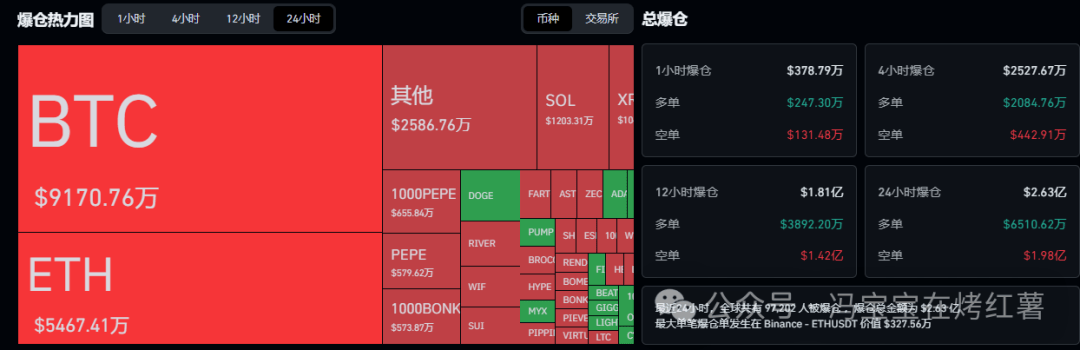
在数字资产产品服务创新方面,艾德金融同样表现亮眼。旗下Eddid ONE平台率先推出RWA申赎功能, 成为全香港首个兼具传统金融与Web3.0属性、且推出RWA申赎功能的应用程序。此外,该平台相继上 线稳定币USDT交易、Solana(SOL)现货交易服务,满足用户多元化数字资产配置需求。 回顾艾德金融的2025年,这是艾德金融十年重大发展年,持续聚焦"环球版图扩张"与"传统+数字金融融 合",在投资银行、债券承销、经纪业务等领域成绩斐然,全球业务规模持续增长;同时凭借其深厚的 金融科技底蕴与创新实践,把握住香港Web3.0发展机遇,在数字金融方面表现亮眼,体现了艾德金融 作为国际金融集团的领先地位和竞争优势。 多个牌照获批升级,推进RWA资产应用 2025年,全球真实世界资产(RWA)代币化市场爆炸性成长,香港迅速崛起为全球RWA核心枢纽。艾德金 融通过牌照升级、RWA生态共建与产品创新,稳步推进传统金融与数字资产的深度融合,成为香港金 融行业创新的重要引领者。 艾德金融成功获得香港证监会批准,将其第1类(证券交易)及第9类(资产管理)牌照升级,从而成为香港 少数可同时提供数字资产交易、资产管理及代币化证券 ...
麦通 MSX 2025 年度复盘:锚定时代窗口,共筑链上美股新生态
Sou Hu Wang· 2025-12-31 10:35
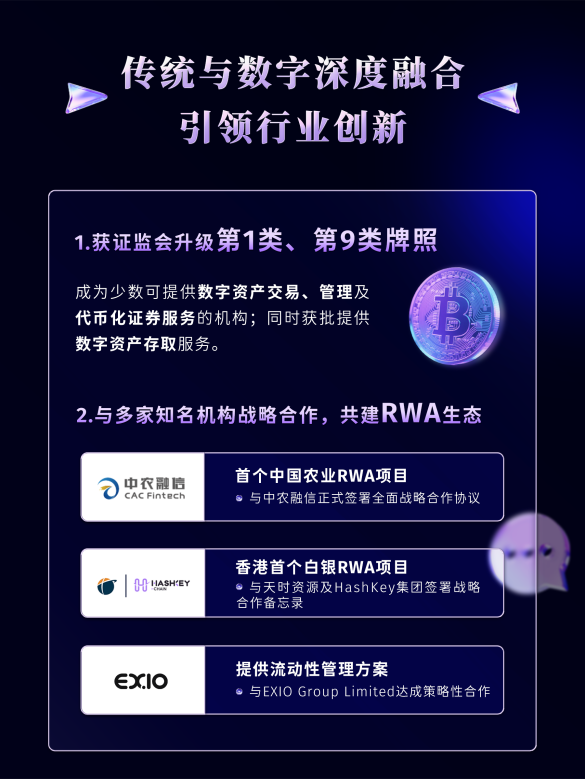
Core Insights - The year 2025 marks a significant milestone for the U.S. stock tokenization sector and the Maikong MSX platform, transitioning from experimental phases to mainstream adoption and establishing itself as a key player in the global market [1][2]. U.S. Stock Tokenization - The Real World Asset (RWA) tokenization market has surpassed hundreds of billions of dollars, with various real assets like U.S. Treasury bonds, equities, and real estate being migrated on-chain, thus elevating U.S. stock tokens to a formal category of interest for major financial institutions [2][3]. - Major financial players such as UBS and Apollo have entered the market, moving tens of billions in assets on-chain, indicating a shift from experimental to infrastructure status for RWA tokenization [2]. User Experience and Market Dynamics - Ordinary investors now have easier access to U.S. stock assets, which can be traded directly on-chain using stablecoins, significantly lowering geographical and regulatory barriers [3]. - The introduction of fractional ownership allows investors to build diversified portfolios with smaller amounts of capital, overcoming traditional barriers associated with high-priced stocks [3]. - The transparency and verifiability of on-chain transactions enhance user experience, providing a level of auditability comparable to native crypto assets [3]. Maikong MSX Innovations - Maikong MSX has adopted a "difficult yet correct" approach by focusing on product and mechanism refinement rather than hype, emphasizing real, compliant, and sustainable on-chain trading [4]. - The platform's core innovation lies in its Payment for Order Flow (PFOF) model, which synchronizes on-chain liquidity with the real U.S. stock market, ensuring that every trade reflects true market conditions [5]. - Maikong MSX has secured the U.S. FinCEN MSB license and completed the STO registration, ensuring regulatory compliance and asset custody, which guarantees that each token corresponds to a real underlying asset [6]. Product and Service Expansion - In 2025, Maikong MSX launched a perpetual contract for RWA U.S. stock tokens, allowing for leverage and catering to professional trading strategies, thus evolving into a comprehensive trading platform [8]. - The introduction of the S1 season and M Credit incentive mechanism has led to a significant increase in trading volume, with daily transactions exceeding $2 billion and total trading volume surpassing $12.688 billion [9]. Brand and Community Engagement - Maikong MSX emphasizes long-termism in brand building and user education, establishing a trust bridge with users to enhance retention and credibility [11]. - The platform's name, "Maikong," was chosen through community engagement, symbolizing harvest and connectivity between traditional finance and the blockchain world [12]. Research and Education Initiatives - The establishment of the Maikong MSX Research Institute aims to educate users about the RWA tokenization sector, fostering a deeper understanding of market dynamics and investment strategies [13][14]. Future Outlook - Looking ahead to 2026, Maikong MSX aims to transition from a stable operation to defining industry standards, with a focus on creating a comprehensive long-term benefits system for users [15][16].