对等关税

Search documents
美日贸易谈判陷僵局,汽车、农业成谈判难点
news flash· 2025-07-03 14:59
智通财经7月3日电,在美国"对等关税"最后期限来临之前,负责谈判的日本经济再生大臣赤泽亮正已多 次赴美,汽车、农业成日美贸易谈判难点。日本首相石破茂曾在多个场合表示,日本要的是美方全面取 消加征的关税,不接受类似英国与美国达成的附带汽车出口配额的协议,也不接受10%的所谓"基准关 税"。7月20日,日本将举行参议院选举,农业保护政策是自民党的核心政策之一。虽然美国政府希望日 本大量采购美国农产品,但对自民党来说,为保护汽车等工业品出口而牺牲农林水产品的做法不可接 受。 美日贸易谈判陷僵局,汽车、农业成谈判难点 ...
关税降至20%,越南和美国达成协议,出海越南怎么看?
Hu Xiu· 2025-07-03 13:00
Group 1 - Vietnam has reached an agreement with the United States to reduce the previously proposed 46% tariff to 20% on exports to the U.S. [3][5][7] - The agreement includes provisions for a 40% tariff on goods from third countries that are transshipped through Vietnam, while U.S. goods exported to Vietnam will enjoy zero tariffs [7][21][22] - The negotiations were prompted by a significant trade surplus of $123 billion for Vietnam with the U.S. in 2024, which would have resulted in a tax bill of $56.6 billion at the original tariff rate [11][12] Group 2 - The agreement is seen as a "double win," but it is unclear how much benefit Vietnam truly gains from it [8] - The specifics of the agreement, particularly regarding the definition of "transshipped goods," remain ambiguous, leaving room for interpretation by the U.S. [20][24] - The capital market reacted positively, with stocks of companies like GoerTek and Luxshare Precision showing significant increases, indicating optimism about the final tax rates and execution details [29][30] Group 3 - The article emphasizes the need for Chinese companies to adapt their strategies in Vietnam, moving beyond cost-cutting to integrating into the local supply chain and contributing to the local economy [49][52] - Vietnam is evolving from a low-cost manufacturing hub to a destination seeking higher value-added manufacturing, which requires companies to rethink their operational strategies [47][48] - The long-term success of companies in Vietnam will depend on their ability to establish a local presence, create jobs, and contribute to technological upgrades [39][41]
90天大限将至,中国提前打预防针,与美国谈判的国家最好适可而止
Sou Hu Cai Jing· 2025-07-03 12:39
7月9日是特朗普"对等关税"大限,但到目前为止,美国与多国贸易谈判都陷入了僵局,不仅拒绝妥协, 还要求美国让步。在这种情况下,不排除美方使"盘外招"逼相关国家就范。以防万一,中国再次给各国 打一剂预防针。 日前,商务部发言人在记者会上公开表态,坚决反对任何一方以牺牲中方利益为代价达成交易,换取所 谓关税豁免,中方绝不接受,将坚决反制。 特朗普6月27日说"我们随心所欲,可延长,也可缩短" 这不是中方第一次发出类似警告了。早在4月份,就有消息人士透露,在与其他国家的贸易谈判中,美 方要求对方限制与中国的贸易往来,比如减少进口中国材料和零部件,对中国产品加税等,换取美方的 关税豁免。 当时中方就直言,绥靖换不来和平,妥协也得不到尊重,一语惊醒各国,事后也确实没有听到有哪个国 家这么做。但随着7月9日"对等关税"大限将近,不排除有人慑于美方压力,同意这种要求。 6月初,欧盟投票通过一项法规,未来5年禁止中国企业参与价值超过500万欧元的医疗器械招标;还有 越南,据悉特朗普政府已经明确表示,要求越南工厂减少使用来自中国的材料和零部件,并要求越南严 格管控其生产和供应链;另外加拿大也在6月底以所谓"国家安全"为由,命令 ...

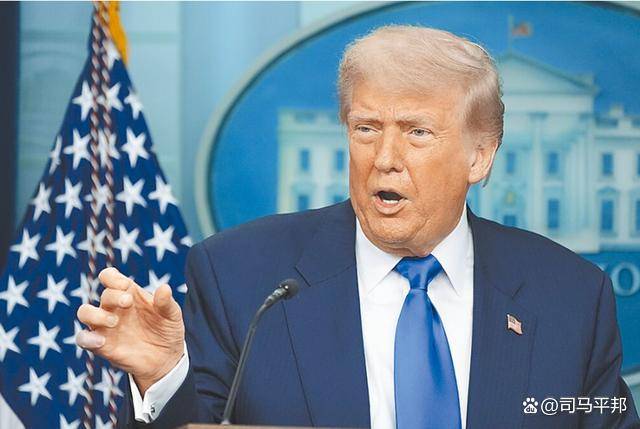
商务部回应美越贸易协议
2 1 Shi Ji Jing Ji Bao Dao· 2025-07-03 11:38
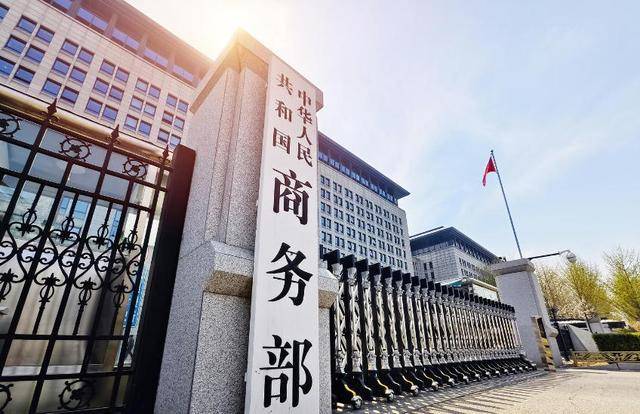
Group 1 - The core viewpoint is that China opposes unilateral trade practices by the US, particularly the imposition of "reciprocal tariffs" on global trade partners, which is seen as bullying behavior [3] - China is currently assessing the implications of the recently announced trade agreement between the US and Vietnam, emphasizing that any deal should not come at the expense of Chinese interests [3] - The Chinese Ministry of Commerce is open to resolving trade differences through dialogue and negotiation, as highlighted in the context of the ongoing anti-dumping investigation into brandy imports from the EU, which is set to conclude on July 5, 2025 [3] Group 2 - The Chinese government expresses a consistent and clear stance regarding the potential visit of a US business delegation to China, advocating for mutual respect and cooperation to enhance US-China economic relations [4]
特朗普宣布美越达成贸易协议,细节尚待公布,越南促美承认市场经济地位
Di Yi Cai Jing· 2025-07-03 10:24
Core Viewpoint - The United States and Vietnam have reached a trade agreement, with Vietnam's exports to the U.S. facing a minimum 20% tariff, while Vietnam seeks recognition of its market economy status and the lifting of certain high-tech export restrictions from the U.S. [1][3] Group 1: Trade Relations - Vietnam is the eighth largest trading partner of the U.S., with a trade surplus exceeding $120 billion in 2024, making it the fourth largest economy with a trade surplus with the U.S. [3] - The U.S. Department of Commerce has classified Vietnam as a non-market economy, affecting the calculation of anti-dumping duties on Vietnamese imports. [3] - The recent phone call between Vietnamese General Secretary Su Lin and President Trump was the second discussion following the announcement of "reciprocal tariffs." [3][4] Group 2: Economic Impact - Following the announcement of the trade agreement, the selling price of the U.S. dollar in Vietnamese banks has increased, and the Vietnamese dong depreciated to its lowest point against the dollar since 1994. [6] - Vietnam's exports to the U.S. account for over 20% of its GDP, and despite the impact of the "reciprocal tariffs," the country's export performance in the first half of the year has exceeded expectations, with total exports projected between $215 billion and $217 billion, reflecting a year-on-year growth of approximately 13.8% to 14%. [6] - The Vietnamese Ministry of Industry and Trade plans to continue diversifying export markets to sustain growth. [6]
最后时刻到来!30国收到中方加税通知,出卖中国讨好美国必遭反制
Sou Hu Cai Jing· 2025-07-03 10:09
Group 1 - The core point of the news is the escalation of trade tensions due to Trump's imposition of "reciprocal tariffs" on multiple countries, which has led to significant international anxiety [1][5] - Trump announced a 90-day delay for most countries to negotiate terms before the tariffs take effect, indicating a strategy of pressure and negotiation [3][11] - China has responded strongly by imposing tariffs on 30 countries and warning against any country that compromises with the U.S. at China's expense [1][28] Group 2 - Trump's "reciprocal tariffs" are seen as a low-cost strategy for the U.S., allowing it to potentially gain billions without significant investment [9][12] - The strategy involves leveraging negotiations to pressure countries into compliance, particularly targeting China [14][16] - Countries like the EU and the UK are aligning with the U.S. to counter China, indicating a shift in international trade dynamics [19][21] Group 3 - Indonesia is negotiating with the U.S. for tariff reductions, which may involve limiting China's influence in its nickel mining sector [26][28] - China's response includes imposing anti-dumping duties on imports from several countries, signaling a commitment to protect its domestic industries [30][32] - The situation highlights the ongoing geopolitical struggle, with countries needing to navigate their positions carefully to avoid backlash from either the U.S. or China [5][17]
特朗普宣布对越关税降至20%,“在越南的中国制造商松了一口气”
Sou Hu Cai Jing· 2025-07-03 08:56
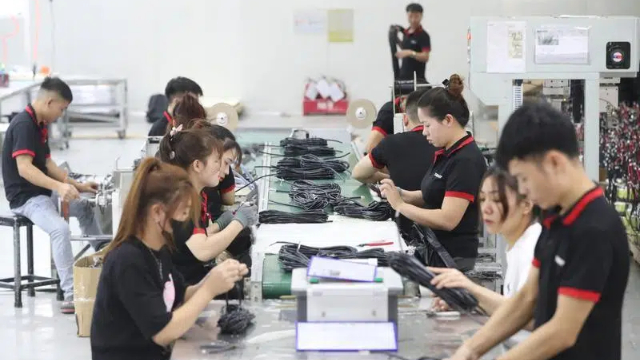
Group 1 - The core point of the article is that the United States and Vietnam have reached a trade agreement, which includes a new tariff rate of at least 20% on all Vietnamese exports to the U.S., significantly lower than the previously proposed 46% [1][4] - The agreement aims to address concerns about Vietnam's trade surplus with the U.S. and the potential circumvention of tariffs through third-country exports [2][4] - Vietnamese analysts believe that the new tariff rate is manageable for most Chinese exporters operating in Vietnam, allowing them to continue their operations without significant disruption [1][2] Group 2 - Since 2018, Vietnam's exports have nearly tripled, growing from under $50 billion to approximately $137 billion by 2024, making it a significant player in global trade [4] - The U.S. has expressed concerns over Vietnam's trade practices, particularly regarding the transshipment of Chinese goods, which has led to increased scrutiny and pressure on Vietnam [4][8] - The trade agreement is seen as a framework rather than a finalized deal, leaving some uncertainties regarding specific product tariff rates and implementation details [4][5] Group 3 - The agreement allows for the potential entry of U.S. vehicles into the Vietnamese market, although experts caution that many U.S. products may not be suitable for Vietnamese consumers due to economic disparities [5][6] - The U.S. has made demands for Vietnam to reduce its reliance on Chinese imports, which could pose challenges for the Vietnamese economy and its supply chains [7][8] - The Chinese government has expressed opposition to the U.S. unilateral trade measures, indicating potential retaliatory actions if their interests are compromised [8]
商务部回应美国与越南达成贸易协议
21世纪经济报道· 2025-07-03 07:54
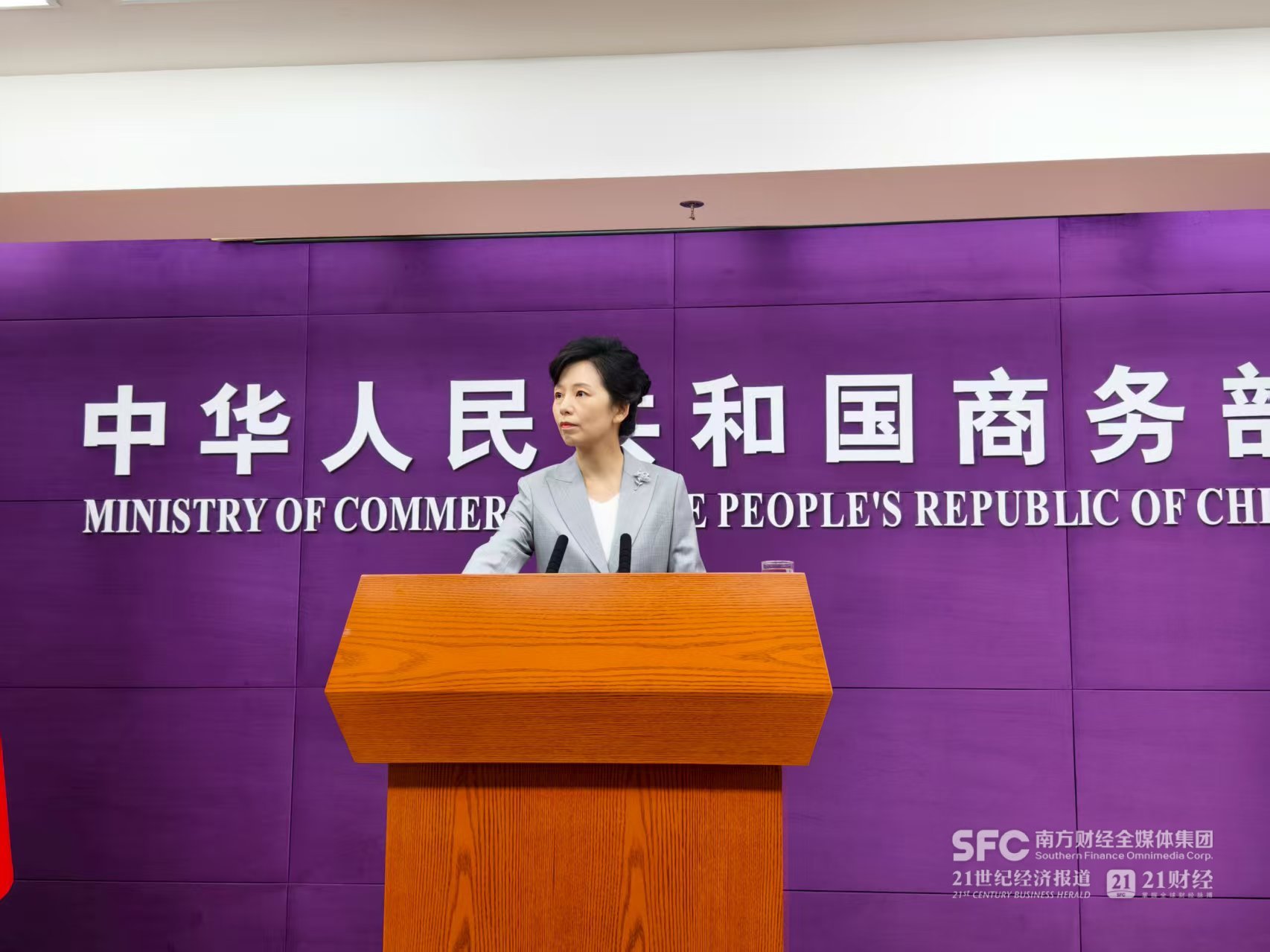
今天下午,商务部召开例行新闻发布会。新闻发言人就美国和越南达成的贸易协定是否针对 中国一事进行了回应。 商务部新闻发言人 何咏前 :美国对全球贸易伙伴加征所谓"对等关税",是典型的单边霸凌做 法,中方一直坚决反对。中方注意到相关情况,正在开展评估。中方的立场是一贯的,我们 乐见各方通过平等磋商解决与美方经贸分歧, 但坚决反对任何一方以牺牲中方利益为手段达 成交易 。如果出现这样的情况,中方将坚决予以反制,维护自身正当权益。 来源 | 央视新闻 本期编辑 金珊 特朗普称美越达成贸易协议!越南所有对美出口商品将面临至少20%关税 SFC 21君荐读 ...
商务部回应美国与越南达成贸易协议
财联社· 2025-07-03 07:35
商务部新闻发言人何咏前:美国对全球贸易伙伴加征所谓"对等关税"是典型的单边霸凌做法,中方 一直坚决反对。中方注意到相关情况,正在开展评估。中方的立场是一贯的,我们乐见各方通过平 等磋商解决与美方经贸分歧,但坚决反对任何一方以牺牲中方利益为手段达成交易。如果出现这样 的情况,中方将坚决予以反制,维护自身正当权益。 据日月谭天,7月3日下午,商务部召开例行新闻发布会,有记者就美国与越南达成贸易协议一事提 问。 ...