中国文化

Search documents
灯芯草点染、泥人DIY……天津非遗让世界读懂中国
Yang Shi Xin Wen· 2025-08-29 17:30
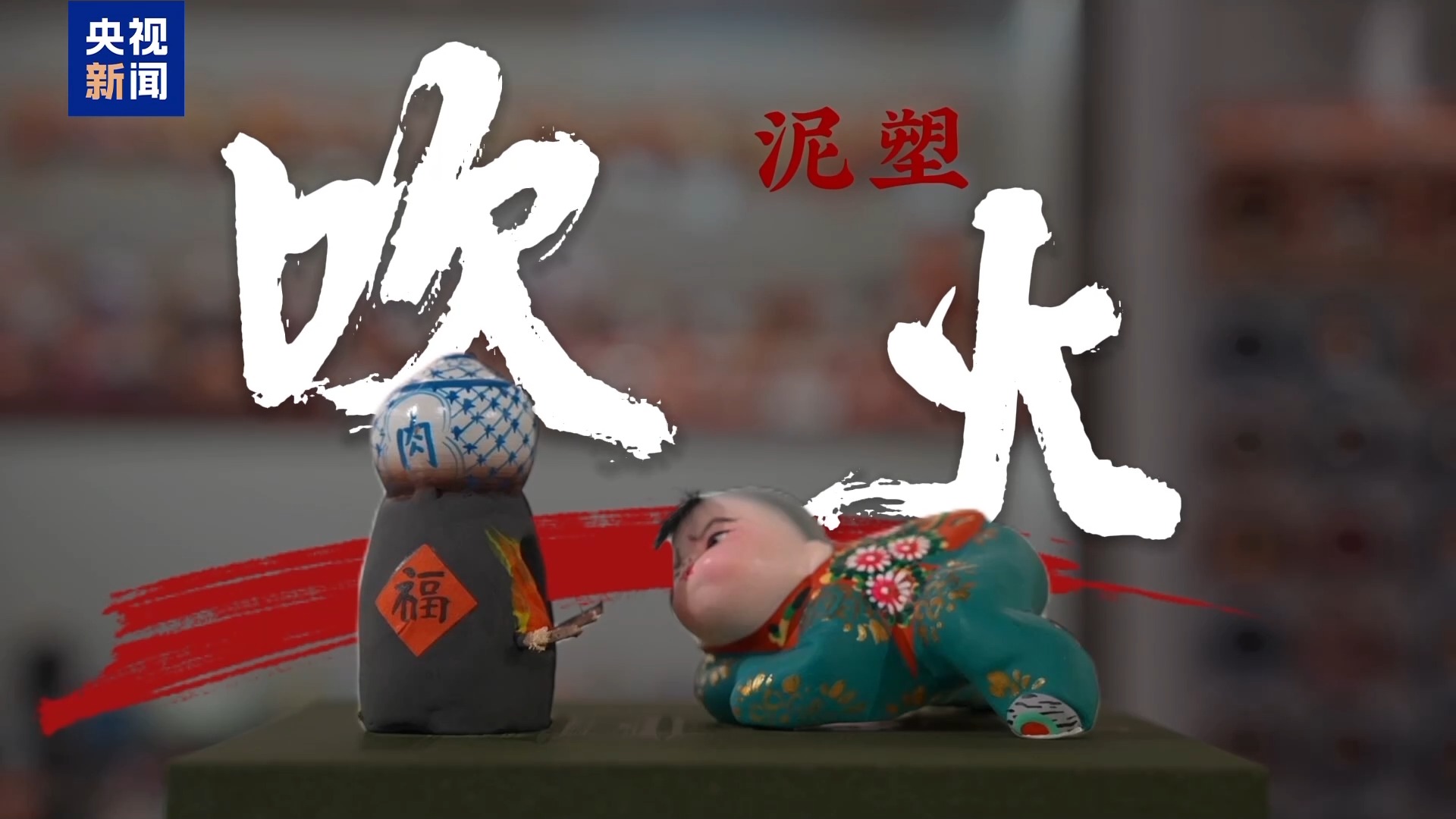
Core Points - The upcoming Shanghai Cooperation Organization summit in Tianjin will host over 20 foreign leaders and 10 international organization heads, creating a vibrant atmosphere in the city [1] - Traditional Chinese arts, such as Mud Figure Zhang and Yangliuqing Woodblock New Year Paintings, will be showcased during the summit, highlighting Tianjin's cultural heritage [9][14] Group 1: Mud Figure Zhang - The art of Mud Figure Zhang is a national intangible cultural heritage and serves as a cultural emblem for Tianjin [1] - Artisan Xia Qing will demonstrate the creation of lifelike mud figures, aiming to engage foreign media and visitors [3] - The challenge lies in making the art understandable and enjoyable for international guests, allowing them to experience and take home a piece of this unique "Chinese memory" [6] Group 2: Yangliuqing Woodblock New Year Paintings - Wang Yan, a key artist in the Yangliuqing Woodblock New Year Painting studio, will present classic works while incorporating innovative designs [10] - The exhibition will feature interactive elements, enhancing visitor engagement and showcasing traditional Chinese aesthetics [12] - The use of color processing and creative techniques aims to make the art accessible and enjoyable for participants [13] Group 3: Other Cultural Heritage - In addition to Mud Figure Zhang and Yangliuqing paintings, other intangible cultural heritages such as Zheng's lacquerware and wooden joint techniques will also be featured during the summit [14] - Tianjin is poised to warmly welcome guests from around the world, showcasing the brilliance of Chinese culture [14]

“希望突尼斯成为中国最要好的朋友”——访突尼斯汉学家洛特菲·谢比勒
人民网-国际频道 原创稿· 2025-08-23 02:50
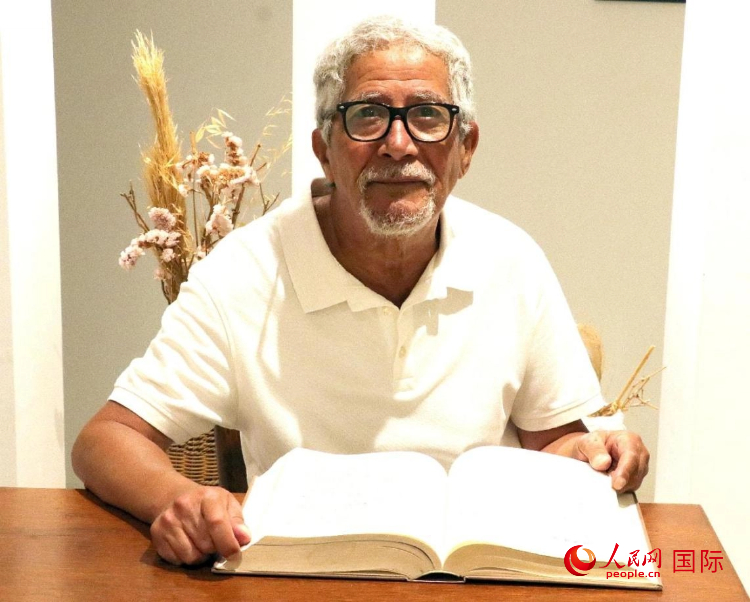
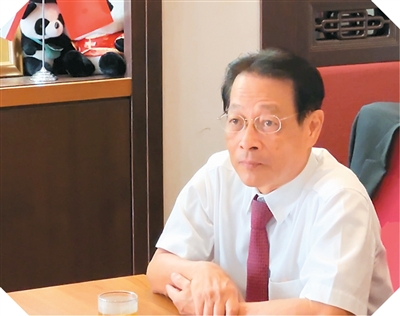
Core Viewpoint - The article highlights the significant contributions of Lotfi Chebbi in promoting Chinese language education in Tunisia, emphasizing his unique connection with China and the cultural exchange between the two nations [1][4]. Group 1: Personal Background and Education - Lotfi Chebbi is the first Tunisian to earn a PhD in Chinese linguistics and the first Tunisian Chinese language teacher at a university level [1][3]. - His fascination with Chinese characters began in childhood, leading him to pursue studies in China after receiving a scholarship [1][3]. - He graduated from Beijing Language University in 1980 and later obtained his PhD in 1984 under the guidance of a renowned professor in France [3]. Group 2: Contributions to Chinese Education in Tunisia - After returning to Tunisia in 1988, Lotfi initiated efforts to establish Chinese language courses at the university level, successfully launching the first undergraduate program in 1998 [4]. - He authored two Chinese textbooks, "Long Yi" and "Long Er," and has trained nearly all current Chinese language teachers in Tunisia [4]. - Lotfi emphasizes that language serves as a vehicle for culture, and through learning Chinese, students gain a deeper understanding of Chinese culture [4]. Group 3: Cultural Exchange and Future Prospects - Lotfi advocates for increased cultural exchange between China and Tunisia, suggesting more scholarships and internship opportunities for Tunisian youth [5]. - He expresses a strong belief in the interconnected future of Tunisia and China, highlighting the potential for mutual benefits in their relationship [5].
“琴使”无疆知音广(海客话中国·中欧建交50周年)
Ren Min Ri Bao Hai Wai Ban· 2025-08-22 22:14
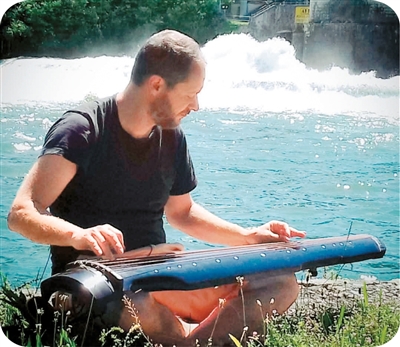
Core Perspective - The article highlights the journey of Filippo Costantini, an Italian scholar who uses the guqin to bridge Eastern and Western cultures, emphasizing the instrument's historical significance and its role in cultural exchange [2][7]. Group 1: Cultural Exchange and Historical Significance - The guqin has been recognized as a significant cultural artifact, included in UNESCO's list of intangible cultural heritage, symbolizing the deep connection between Chinese civilization and the world [2]. - Filippo's exploration of the guqin reflects a broader historical narrative of cultural exchange, tracing its influence from ancient times through various interactions with Western scholars and musicians [6][7]. Group 2: Personal Journey and Challenges - Filippo faced numerous challenges in learning the guqin, including a lack of resources and instructional materials in Italy, as well as the complexity of the instrument's playing techniques [3][5]. - His dedication led him to develop unique methods for mastering the guqin, such as creating visual aids and practicing diligently, which ultimately transformed his understanding and appreciation of the instrument [5][6]. Group 3: Philosophical Insights and Artistic Expression - Through his study of the guqin, Filippo discovered its deep philosophical connections to Chinese thought, particularly Confucian and Daoist principles, which emphasize harmony, balance, and introspection [6][7]. - The guqin serves as a medium for expressing profound cultural and philosophical ideas, allowing Filippo to articulate the essence of Chinese aesthetics and spirituality through music [7][8]. Group 4: Global Outreach and Impact - Filippo has actively promoted the guqin in various countries, conducting performances and lectures to introduce its unique qualities to international audiences, thereby fostering cross-cultural dialogue [7][8]. - His efforts have led to a growing appreciation for the guqin, demonstrating its universal appeal and potential to connect diverse cultures through shared musical experiences [8].
"Architecture of China" Micro-Documentary Series — Decoding the Chinese Cultural DNA in Jiangsu's Architecture
Globenewswire· 2025-08-21 17:00
Core Insights - The documentary series "Architecture of China (Season 1)" aims to provide global audiences with an understanding of Chinese culture through its architectural heritage [2][4] - The series features a blend of Chinese and Western perspectives, showcasing the dialogue between different cultures and time periods [6] Group 1: Documentary Overview - The series consists of ten episodes focusing on iconic structures in Jiangsu, revealing the wisdom of the Chinese people in harmonizing with nature and craftsmanship [2] - Andrew Field, an American scholar, leads the documentary, engaging with various stakeholders in architecture to uncover the aesthetic logic behind these structures [4] Group 2: Cultural Insights - The documentary highlights the interaction between Eastern and Western aesthetics, exemplified by the Gothic clock tower and Jiangnan-style moon gate at Soochow University [4] - It emphasizes the commitment to craftsmanship, illustrated by the intricate process of creating "golden bricks" for the Forbidden City [4] Group 3: Features of the Series - The series bridges cultural divides through three distinctive features: the blend of perspectives, visualization of past and present, and immersive experiences of architectural details [6] - Examples include a glass walkway over the underground Ming Dynasty city and the glass pagoda at the Great Bao'en Temple, which recreate historical experiences [6] Group 4: Cultural Significance - The documentary portrays Chinese culture as a living force, integrated into the architecture and daily life, rather than a static museum specimen [6]

成都世运会 | 世运“朋友圈”:邂逅万千 回味无限
Xin Hua Wang· 2025-08-18 00:42
Core Insights - The Chengdu World Games served as a vibrant showcase of China's modernization, leaving a lasting impression on international participants and visitors [1] Group 1: Cultural Exchange and Experience - The event highlighted the cultural significance of the giant panda, with many athletes and visitors purchasing panda-themed souvenirs, indicating a strong interest in local culture [4][12] - Various cultural experiences were offered during the games, including traditional Sichuan opera, tea house activities, and Chinese calligraphy, enhancing the cultural immersion for attendees [8] - The integration of modern technology, such as AR translation devices, facilitated communication among international athletes, fostering friendships and cultural exchange [15] Group 2: Economic Impact and Tourism - The influx of foreign tourists during the games was significant, with 150,000 international visitors recorded from July 1 to August 16, marking a 49.9% increase year-on-year [12] - Chengdu's vibrant consumer culture was evident, with numerous international payment options available, and a wide array of shopping experiences that attracted foreign visitors [12] - The event's success in promoting local cuisine, particularly the famous Sichuan hotpot, contributed to the city's reputation as a culinary destination [10][11] Group 3: Sports and Community Engagement - The games provided a platform for athletes to engage with local culture, as seen with participants expressing interest in learning about traditional Chinese martial arts [7] - The emotional stories of athletes, such as those overcoming disabilities, resonated with audiences, showcasing the human spirit and the broader impact of the games [13][15] - The event's ability to connect athletes through social media highlighted the modern intersection of sports and digital engagement, enhancing the global reach of the games [18]
“每一堂课,都是一次中国文化之旅”
Ren Min Ri Bao Hai Wai Ban· 2025-08-13 21:50
Core Viewpoint - The rapid development of Chinese education in Thailand serves as a lasting impetus for bilateral relations, enhancing youth exchanges and fostering mutual understanding between the two countries [1][2]. Group 1: Chinese Education Development - The former Thai Minister of Education, Suchart, emphasizes the importance of Chinese education in strengthening ties with China, particularly as both countries accelerate the construction of the Belt and Road Initiative [1]. - During his tenure, Suchart supported policies for Chinese volunteer teachers to teach in Thailand, with the number of volunteers increasing from a few hundred to about 1,800 at its peak in 2018, covering over 1,000 schools and benefiting millions of students [2]. - Currently, Chinese language courses are integrated into the national education system in Thailand, available from primary to university levels [2]. Group 2: Personal Journey and Cultural Exchange - Suchart has dedicated 12 years to learning Chinese, viewing it as a journey to understand Chinese culture and society, and has achieved a level of proficiency that allows him to read Chinese newspapers fluently [1][2]. - He highlights the challenges of learning Chinese, such as the complexity of similar-sounding characters, but remains committed to his studies, attending classes consistently for eight years [2]. - The increasing number of Thai youth learning Chinese reflects the growing influence of China, with many aspiring to work in sectors like durian export, which requires proficiency in Chinese to engage with the Chinese market [2]. Group 3: Insights on China's Development - Suchart observes that China's governance model, which focuses on people-centered policies, has led to stable economic growth, with a current growth rate of approximately 5% amidst global uncertainties [4]. - He believes that learning Chinese is a key to deepening cultural exchanges and understanding China's development trajectory, opening doors for Thai youth to a broader world [4]. - Suchart concludes that lifelong learning, particularly of the Chinese language, enriches understanding of Chinese civilization and fosters belief in the potential for collaborative futures [4].
小商品,大文化,义乌让世界遇见中国风
Zhong Guo Xin Wen Wang· 2025-08-12 07:52
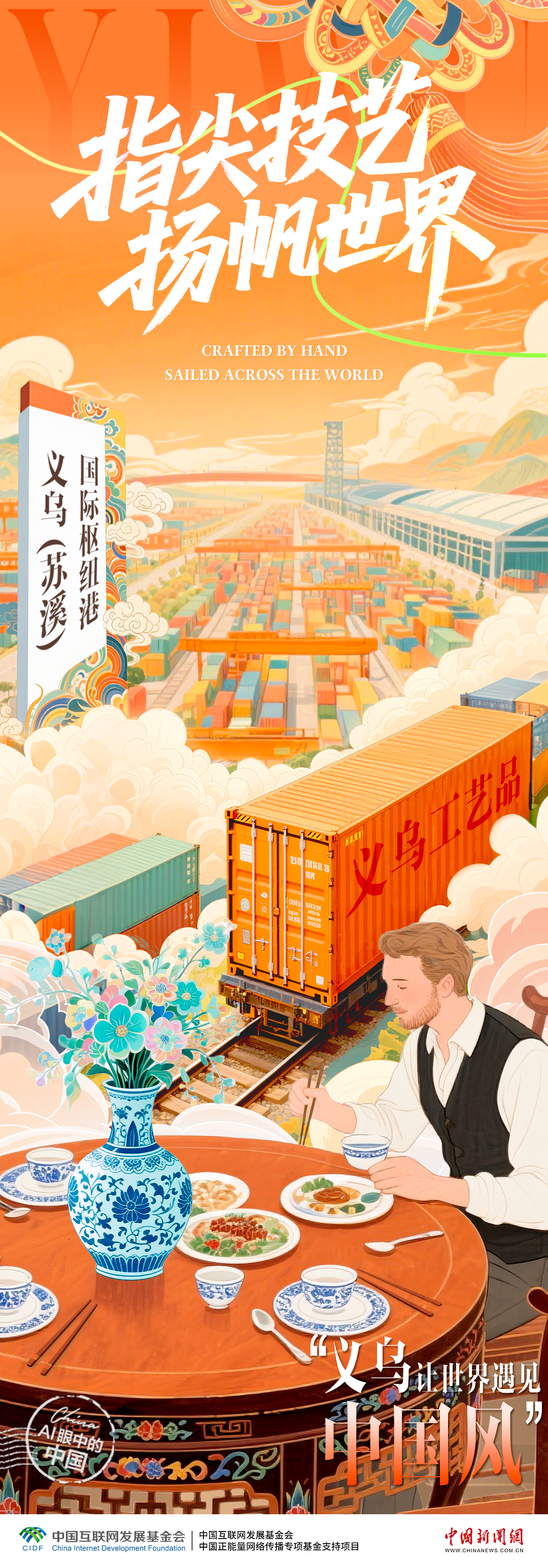
Group 1 - The article highlights how small products from Yiwu are playing a significant role in promoting Chinese culture globally [1] - Yiwu is depicted as a hub where traditional Chinese items, such as ceramics and knots, are connecting with international markets [1] - The narrative emphasizes the cultural significance of these products, showcasing their ability to convey Chinese heritage and values [1]
探访突尼斯功夫学校
人民网-国际频道 原创稿· 2025-08-10 08:53
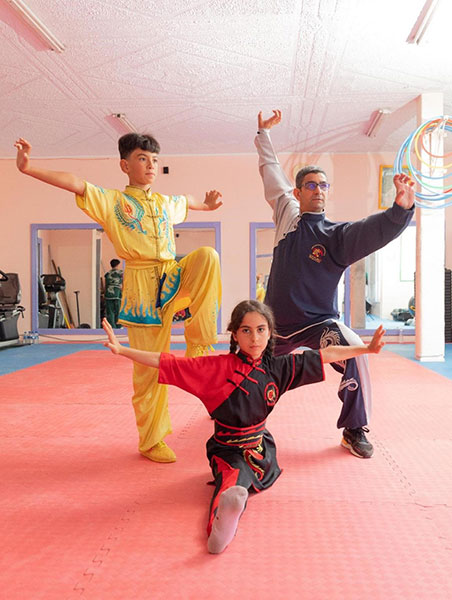
Group 1 - The article highlights the growing interest in Chinese martial arts, particularly Tai Chi, among children in Tunisia, facilitated by a local coach, Majid Souidi [1][3][4] - Majid Souidi, the first certified Kung Fu coach in Tunisia, was inspired by a Chinese martial arts instructor and has dedicated his life to teaching martial arts and Chinese culture [3][4] - The martial arts school founded by Majid not only teaches martial arts but also incorporates Chinese language lessons, emphasizing the connection between martial arts and Chinese culture [5][6] Group 2 - Students express personal growth and development through martial arts, noting improvements in patience, self-discipline, and academic performance [6][7] - Parents support their children's involvement in martial arts, recognizing its positive impact on their overall development and future success [7][8] - Majid aims to strengthen ties with Chinese martial arts schools to further promote Chinese Kung Fu and culture in Tunisia [8]
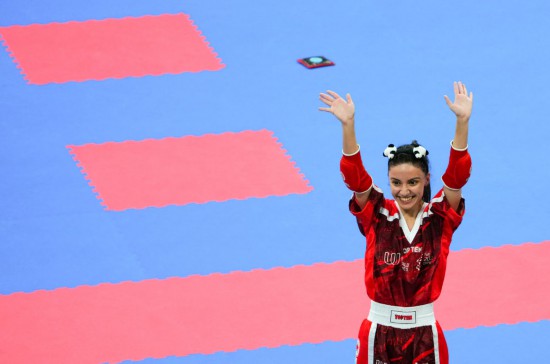
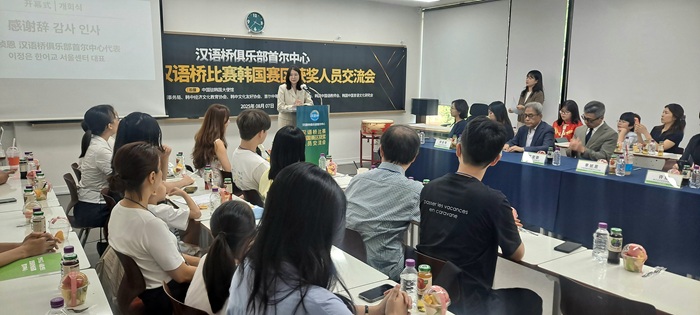
“汉语桥”比赛韩国赛区获奖人员交流会举行
人民网-国际频道 原创稿· 2025-08-09 04:20
Core Points - The "Chinese Bridge" competition awardees exchange meeting was held in Seoul, organized by the "Chinese Bridge" club's Seoul center [1] - The event featured a video showcase of award-winning works from a creative video competition, highlighting students' unique understanding of Chinese culture [2] - Award-winning participants shared their experiences and feelings about competing in the "Chinese Bridge" competition, resonating with the audience [2] Group 1 - The exchange meeting was attended by representatives from the Chinese embassy in South Korea and various cultural associations [1] - The event received positive feedback from attendees regarding the showcased video works [2] - Participants expressed their personal experiences and preparation processes for the competition, creating a sense of connection among the audience [2]
历史学家许倬云去世,一生的归属是历史上永远不停的中国
Di Yi Cai Jing· 2025-08-08 02:47
Core Viewpoint - Xu Zhuoyun, a prominent historian, passed away at the age of 95, leaving behind a legacy of optimism and a deep connection to his homeland despite a life marked by war and political turmoil [1][2]. Group 1: Personal Background and Legacy - Xu Zhuoyun lived in the United States for over 60 years and was known for his emotional responses when discussing historical events, particularly the Anti-Japanese War [4][5]. - He authored numerous works, including "The History of the Western Zhou" and "The Spirit of Chinese Culture," and continued to publish even in his 90s [1][10]. - His experiences during the Anti-Japanese War profoundly influenced his historical perspective, focusing on the lives of ordinary people [10][11]. Group 2: Educational Influence - Xu Zhuoyun served as a mentor to notable figures, including writer Wang Xiaobo, fostering a free and open dialogue about various subjects beyond strict academic boundaries [12][13]. - His teaching style emphasized the importance of understanding history and culture, which left a lasting impact on his students [12][13]. Group 3: Final Years and Reflections - In his later years, Xu Zhuoyun remained engaged with contemporary issues, addressing the challenges faced by younger generations and emphasizing the importance of moral integrity [15][16]. - His last works were inspired by global events, including the COVID-19 pandemic, and he sought to provide insights on how China could contribute positively to the world [15][16].