健康管理

Search documents
脆皮青年自救指南:当健康管理成为社交实验
3 6 Ke· 2025-11-27 09:57
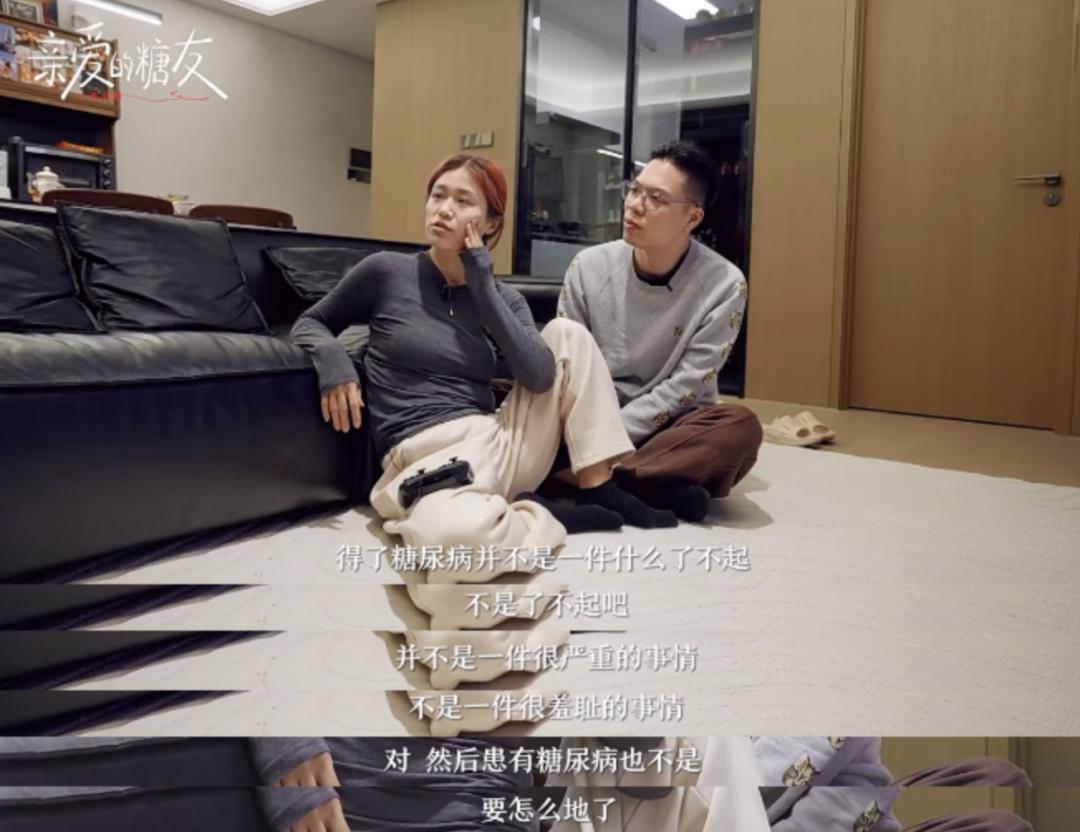
熬个夜第二天就心慌;吃个火锅就拉肚子;办公室坐一天浑身酸痛……这是不是你的生活日常? 眼下,越来越多人用"脆皮"自嘲。有人是"职场萌新脆",爆痘与胃痛是常态;有人荣升"顶梁柱脆",失眠与腰酸如影随形;还有人纯属"天生脆皮",小病 小痛见缝插针。 可以说,健康的人总是相似的,"脆皮"人却各有各的小毛病。 近期,第一财经商业数据中心(CBNData)发布的《"脆皮"潮下的健康突围 ACE止脆方案》(以下简称《方案》)*显示:认为自己自带"脆皮"属性的受 访者,占比高达96%。 在习惯、情绪、环境的三重夹击下,88%的人开始选择用药品、健康消费品等健康类产品积极自救。当健康成为价值观、世界观、人生观之外的"第四 观",年轻人正在用一套全新的逻辑,认真管理起自己的身体。 吃药可社交? 凌晨1点,25岁的设计师小林在完成方案后,选择提前一小时服下感冒药。她在社交平台发帖,"大夫让我8点吃药,我7点吃。给病毒来个出其不意"。 人们除了在评论区调侃她"这是给身体来把高端局"外,还讨论起提高免疫力的健康消费产品和效果。如今,年轻人不再盲目听从单一权威的教育,而是构 建着多元验证的健康信息决策体系。 这套决策逻辑的第一个环节, ...


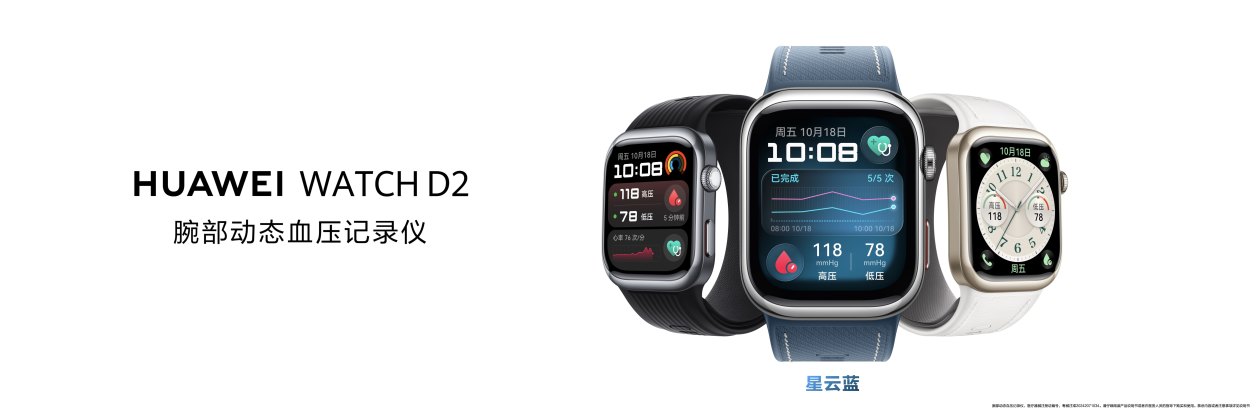
华为WATCH D2新增定时血压提醒功能,以用户需求为核心的体验升级
Huan Qiu Wang· 2025-11-25 11:53
Core Viewpoint - The article highlights the advancement of Huawei's WATCH D2 in the health management sector, particularly focusing on hypertension monitoring, addressing a significant public health issue in China with 245 million patients affected by high blood pressure [3][12]. Group 1: Product Features and Innovations - Huawei WATCH D2 features a new design with a "strap airbag integration + quick-release system," allowing for precise and comfortable blood pressure measurements [5][7]. - The device offers 24-hour dynamic blood pressure monitoring and new timed measurement options, catering to various user needs, including those with morning and nighttime hypertension [5][12]. - It is the first smartwatch to receive medical certification for dynamic blood pressure monitoring, utilizing the "oscillometric method + cuff" technology, recognized as essential for accurate measurement [7][12]. Group 2: Market Context and Health Impact - High blood pressure is a major health concern in China, with a patient awareness rate of only 51.6%, leading to ineffective disease management [3][12]. - The WATCH D2 aims to fill the gap in portable monitoring devices, providing a reliable tool for daily blood pressure management for the large hypertensive population [13]. - The product extends health management capabilities beyond blood pressure monitoring, offering features like heart rate and sleep monitoring, and enabling family health management through the Huawei Health app [12][13]. Group 3: Industry Position and Future Outlook - Huawei's decade-long investment in health technology positions it as a leader in the wearable medical device market, setting industry standards and promoting proactive health management [13]. - The WATCH D2 represents a shift from passive treatment to active prevention in health management, potentially transforming how individuals and families monitor and manage health [13].
上海老年大学新增4分校48个教学点 “15分钟老年教育学习圈”正在形成
Jie Fang Ri Bao· 2025-11-25 01:33
Group 1 - Shanghai University for the Elderly has established four new branches, enhancing the city's elderly education service network [1] - The Shanghai Elderly Education Alliance has created a structured educational framework consisting of "1 main school + 47 branches + 65 teaching points," aiming for comprehensive coverage and quality improvement in elderly education [1] - The next phase involves leveraging resources from Shanghai Open University to enrich course offerings and innovate service models, focusing on active engagement of the elderly population [1] Group 2 - The "Silver Hair e-Learning Hall" has become a key project during the 14th Five-Year Plan, providing a mobile learning platform for the elderly with a focus on digital education [2] - The e-learning initiative has established various smart learning venues and a special expert faculty pool, offering a comprehensive range of quality courses and resources [2] - Over five years, the e-learning hall has launched more than 114 classes, serving approximately 1.4 million elderly individuals in Shanghai, and has been recognized as a beloved lifelong learning brand project [2]
健康产业风向标来了!2026北京大健康展会,这六大趋势你不能错过
Sou Hu Cai Jing· 2025-11-24 08:13
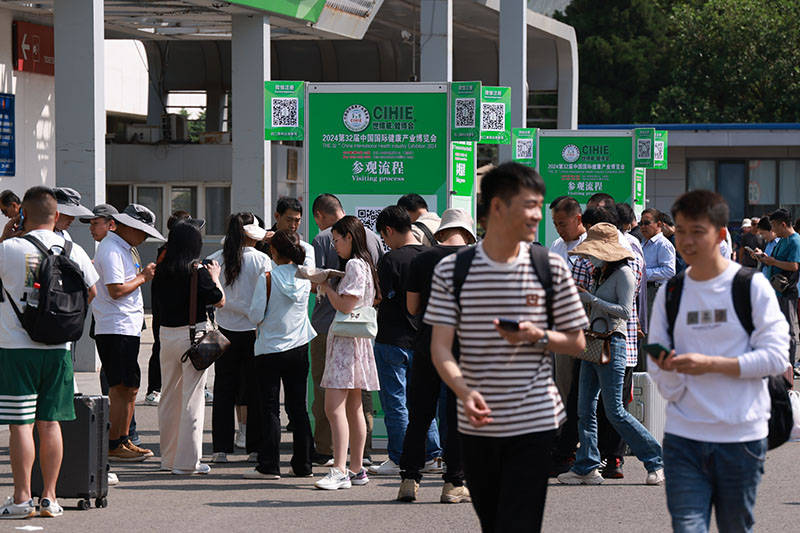
Core Insights - The health industry is undergoing rapid transformation, with Beijing emerging as a key hub for innovation and exchange in this sector. The upcoming 2026 Beijing Health Expo is positioned as a significant event for industry stakeholders and the public to understand future trends in health [1] Group 1: Technology Integration - The integration of technology and health is deepening, with digital health becoming mainstream. Innovations such as wearable devices, telemedicine, and personalized health management are enhancing disease prevention and health maintenance efficiency. The expo will showcase how these technologies are transforming traditional healthcare models [3] - Beijing's rich technological resources and supportive policies provide a conducive environment for digital health enterprises, making the expo a platform for showcasing technology and fostering collaboration across the industry [3] Group 2: Consumer Demand - Upgrading consumer preferences are driving demand for high-end health services. As income levels rise and health awareness increases, there is a growing market for quality health products and services, including health management and psychological services. The expo will feature brands offering a range of services from basic care to high-end customization [4] - The demographic and consumption patterns in Beijing are pushing the industry towards specialization and diversification, shifting from single product sales to comprehensive service models [4] Group 3: Green Health Trends - The concept of green health is gaining traction, with natural and organic products becoming mainstream. Consumers are increasingly concerned about product safety, environmental production processes, and sustainability. The expo will highlight innovations in organic foods, natural skincare, and eco-friendly health devices [6] - As a pioneer in "green development," Beijing will see exhibitors launching products aligned with green health principles, promoting industry transformation towards sustainability [6] Group 4: Aging Population and Rehabilitation - The aging population in China is driving a surge in demand for elderly care and rehabilitation services. Smart elderly care devices, multifunctional rehabilitation robots, and remote rehabilitation services are emerging as growth points in the industry. The expo will gather leading companies in smart elderly care to demonstrate how technology can enhance the quality of life for seniors [7] - Beijing's strong foundation in the elderly care industry, coupled with substantial policy support, creates a favorable environment for related enterprises [7] Group 5: Regulatory Framework - As the health industry expands, the regulatory and policy framework is becoming more robust. This ensures market fairness and encourages companies to enhance service standards and innovation capabilities. The expo will feature forums to discuss the latest policy developments, helping businesses navigate industry regulations [9] Group 6: International Collaboration - International exchange and cooperation are increasing, promoting the globalization of the health industry. Beijing, as an international metropolis, attracts numerous foreign health enterprises and experts. The expo will serve as a bridge for international collaboration, focusing on cross-border health projects and technology transfer [10] - This environment creates opportunities for local companies to expand into overseas markets and adopt advanced technologies, allowing attendees to experience health innovations from diverse cultural backgrounds [10]
从上海双子山出发 平安健康险如何奏响“健康美好生活交响曲”
Jin Rong Shi Bao· 2025-11-21 09:30
Core Insights - The article discusses how Ping An Health Insurance is innovatively merging health insurance with music and sports through events like the Shanghai Twin Peaks Starry Music Festival and a walking event, aiming to promote a healthy lifestyle among the public [1][2][3]. Group 1: Event Highlights - The "Ping An Le Health" brand sponsored a walking event on November 15, attracting nearly 1,000 participants, and a music festival on November 19, which gathered around 3,000 music lovers, showcasing a unique approach to health promotion [1][2][3]. - The events were designed to create an interactive space that combines technology, fun, and professionalism, allowing participants to engage with Ping An's health insurance services in a more meaningful way [2][3]. Group 2: Strategic Shift - Ping An Health Insurance aims to transform its role from a passive "risk bearer" to an active "health co-builder," reflecting a strategic shift in how the brand engages with customers [3][5]. - The brand's recent upgrade includes the launch of a new health insurance service system and the iteration of its app to focus on a digital platform for health management, quantifying users' health behaviors as valuable "health assets" [3][5][8]. Group 3: Industry Context - The article highlights a broader industry trend where health insurance companies are responding to policy changes and market demands by integrating health management into their services, moving away from traditional compensation models [5][6]. - The emphasis on preventive care and health management aligns with national policies aimed at shifting the focus from treatment to health promotion, positioning health insurers as proactive health managers [6][7]. Group 4: Product Innovation - Ping An Health Insurance has introduced innovative products like "Ping An Le Health·Vitality GO," which links health insurance with user health behaviors, rewarding users for meeting fitness goals through discounts and vouchers [8][9]. - The company has developed a comprehensive service and insurance system that addresses various health needs, encouraging users to prioritize health management [8][9]. Group 5: Brand Narrative - The narrative surrounding Ping An Health Insurance has evolved from a focus on disease and compensation to one centered on vitality, companionship, and proactive health management, positioning the company as a true "health partner" [9].
人保寿险天津市分公司拜访天津南开医院
Ren Min Wang· 2025-11-19 06:39
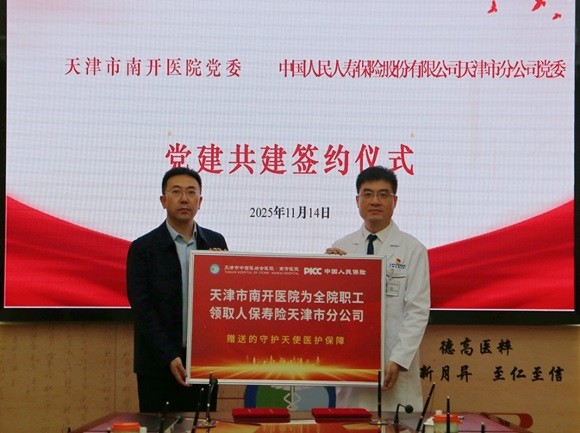
Group 1 - China Life Insurance Company Tianjin Branch visited Nankai Hospital, signing a partnership agreement focused on party building and service quality [2][4] - Nankai Hospital highlighted its unique "integrated Chinese and Western medicine" health management approach, aiming for substantial collaboration with China Life Insurance [6] - The partnership aims to enhance health management services for employees and clients, including personalized health tracking and education [6][7] Group 2 - Nankai Hospital's party building efforts have improved its service quality and public reputation, fostering a strong sense of community and collaboration [4] - The hospital plans to offer comprehensive health management services, including health education, lifestyle coaching, and precise health tracking [6] - China Life Insurance will extend its insurance services to include coverage for employees' families, addressing the needs of healthcare workers [7]
昆明安兴健医疗器械有限责任公司成立 注册资本1万人民币
Sou Hu Cai Jing· 2025-11-18 12:19
天眼查App显示,近日,昆明安兴健医疗器械有限责任公司成立,法定代表人为马继元,注册资本1万 人民币,经营范围为一般项目:第一类医疗器械销售;第二类医疗器械销售;保健食品(预包装)销 售;食品互联网销售(仅销售预包装食品);养生保健服务(非医疗);中医养生保健服务(非医 疗);远程健康管理服务;健康咨询服务(不含诊疗服务);信息咨询服务(不含许可类信息咨询服 务);个人卫生用品销售;卫生用品和一次性使用医疗用品销售;化妆品零售;医用口罩零售;日用口 罩(非医用)销售;医护人员防护用品零售;电子产品销售;家居用品销售;日用品销售;日用百货销 售;气体、液体分离及纯净设备销售;互联网销售(除销售需要许可的商品);农副产品销售;食用农 产品零售;新鲜水果零售;新鲜蔬菜零售;销售代理;组织文化艺术交流活动;技术服务、技术开发、 技术咨询、技术交流、技术转让、技术推广。(除依法须经批准的项目外,凭营业执照依法自主开展经 营活动)。 ...
手绘“健康地图” 守护村民健康(点赞新时代)
Ren Min Ri Bao· 2025-11-18 00:18
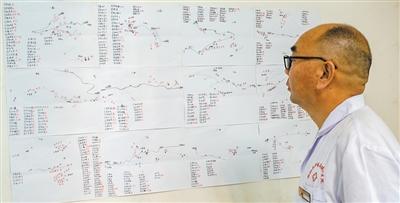
停下车,梅春雷拿出六组村民的"健康地图",手指循着手绘道路的蜿蜒曲线,最终落在标注着数 字"11"的位置上。这是64岁的村民梅昌青和老伴周成的家,旁边注着"老""高"。 梅春雷在研究12张手绘地图。 郑家裕摄(人民视觉) 左侧是高耸的山岩,右边是陡峭的斜坡,51岁的梅春雷挎着药箱,骑着摩托车,穿行在湖北省秭归县沙 镇溪镇千将坪村崎岖的山路上,开始了一天的随访工作。 药箱里有几张手绘地图,上面勾勒出沿着348国道分布的千将坪村383户村民的大致位置。梅春雷将每户 村民用数字编号,并在名字后面用醒目的红笔标注出他们的基本健康状况——"老"代表老年人,"高"为 高血压,"糖"是糖尿病…… 此后,无论是烈日当头,还是大雨倾盆,梅春雷都骑着那辆陪伴他多年的旧摩托车,走村串户为村民问 诊。每走一户,他就把地理位置标注出来,并记下病史。2个月后,383户村民的健康信息在12张手绘地 图上一览无余。 有了"健康地图",村民们的健康状况就像被设置了"导航",随时能够被精准"定位"。前段时间,村民宋 秀金的儿子来电,说他70多岁的母亲头晕得厉害。梅春雷展开地图,锁定位置,挎上药箱,没多久便抵 达老人家中。问诊后得知,患有高血压的 ...
寮步医院“12345”中西医协同体系 破解糖胖难题
Nan Fang Du Shi Bao· 2025-11-13 00:56
Core Viewpoint - The Guangdong provincial government emphasizes the importance of improving people's livelihoods while pursuing high-quality economic development, aligning with the "Hundred Million Thousand Project" to enhance public welfare [1] Group 1: Government Initiatives - The Guangdong provincial government report highlights the commitment to safeguard and improve living standards as part of economic development [1] - The Dongguan Municipal Party Committee's meeting focuses on the implementation of the "Hundred Million Thousand Project" to promote high-quality development and enhance public welfare [1] Group 2: Healthcare Innovations - Liaobu Hospital integrates party building into chronic disease management, creating a unique mechanism that promotes proactive health management [2] - The hospital has established the first Traditional Chinese Medicine weight management center in Dongguan, utilizing innovative techniques to achieve significant weight loss results for patients [2] Group 3: Diabetes Management - The establishment of Dongguan's first diabetes reversal center employs a "2+N system" for effective blood sugar control, leading to high medication cessation rates among patients [3] - The hospital has developed a three-tier health network to extend quality medical resources to the community, training over 1,500 grassroots healthcare workers [3] Group 4: Comprehensive Health Management - Liaobu Hospital's innovative management system enhances patient compliance and integrates various treatment methods, showcasing the advantages of combining traditional and modern medicine [4] - The hospital's efforts have resulted in significant health improvements for the community, establishing a strong reputation and attracting interest from over 50 medical institutions [4]
“血糖焦虑”的年轻人,买爆一款时尚单品
3 6 Ke· 2025-11-12 09:22
Core Insights - The trend of "sugar control" has emerged as a new lifestyle choice, with increasing public interest in blood sugar management and its impact on health [1][2][4] - The popularity of continuous glucose monitors (CGMs) has surged among young people, transforming from a medical device for diabetes patients to a fashionable health accessory [5][14][33] Group 1: Market Trends - Discussions on social media regarding "blood sugar," "sugar control," and "blood sugar and weight" remain highly active, indicating a growing awareness and concern [2][9] - In the past 90 days, there have been approximately 51,800 posts related to sugar control on platforms like Xiaohongshu, nearly matching the number of posts about weight loss meals [3] - The number of early-onset type 2 diabetes patients aged 15-39 in China has increased from 9.61 million in 1990 to 23.74 million in 2021, a 147% rise over 31 years [9][10] Group 2: Consumer Behavior - Young consumers are increasingly curious about their blood sugar levels, leading to a habit of checking real-time blood sugar data after meals [7][8] - The use of CGMs allows individuals to monitor the effects of various foods on their blood sugar, leading to more informed dietary choices [11][19] - The trend of using CGMs is not unique to China; similar communities have formed in Western markets, where sharing data has become a health fashion [13][14] Group 3: Product Development - The demand for CGMs has prompted manufacturers to focus on making devices smaller, more user-friendly, and capable of seamless integration into daily life [24][25] - Leading brands are enhancing their products with features like 24-hour monitoring, real-time data synchronization, and personalized health management services [26][27][30] - The introduction of policies and subsidies has made CGMs more accessible, contributing to their popularity among younger demographics [30][31] Group 4: Cultural Shift - The perception of health management is shifting from a reactive approach to a proactive one, with young people embracing the idea of "preventive health" [33][34] - CGMs have evolved from being seen as medical tools to becoming symbols of a healthy lifestyle, with users openly sharing their experiences and data on social media [33][36] - This cultural change reflects a broader understanding that health is not merely the absence of illness but an active pursuit of well-being [34][35]