
有效投资

Search documents
【敦煌风】释放消费潜力 扩大有效投资——贯彻落实省委十四届九次全会精神系列评论
Xin Lang Cai Jing· 2025-12-28 09:10
Core Viewpoint - Gansu's 14th Provincial Committee emphasizes the importance of expanding domestic demand, enhancing consumption potential, and increasing effective investment to integrate into the national market and support the new development pattern [1][4]. Group 1: Consumption Potential - Gansu aims to transform regional characteristics into market value, focusing on unique resources such as cultural tourism and local agricultural products to stimulate consumption [2]. - The integration of culture and tourism is expected to unleash significant energy, as evidenced by events like the Mingsha Mountain starry sky concert and the influx of visitors to the Dunhuang scenic area [2]. - The rapid growth of e-commerce and logistics, with over 70 million "Gansu flavor" agricultural products sold online, highlights the critical role of digital channels in releasing consumption potential [2]. Group 2: Effective Investment - The emphasis on "effective investment" signifies a strategic approach to direct funds towards areas that strengthen advantages, address shortcomings, and foster new productive forces [3]. - Gansu's industrial fixed asset investment has seen an average annual growth rate of 35.8% during the 14th Five-Year Plan, focusing on key sectors like new energy and new materials [3]. - The establishment of a provincial business environment construction bureau aims to optimize the investment climate, reducing transaction costs and attracting beneficial projects [3]. Group 3: Synergy Between Consumption and Investment - The interplay between consumption and investment is crucial for sustainable growth, with infrastructure investments expanding consumption capacity and quality [3]. - Enhanced transportation networks facilitate access to remote attractions and local products, integrating them into the broader market [3]. - The demand generated by consumption upgrades guides investment towards areas like deep processing of agricultural products and smart tourism, creating a healthy cycle of internal demand growth [3]. Group 4: Future Outlook - Gansu plans to further expand domestic demand and solidify its economic foundation, viewing this as both a stabilizing force and a new engine for high-quality development [4]. - The collaboration between awakening consumption potential and implementing effective investment is expected to create strong growth points across Gansu [4].
张军扩:按投资于人的要求,支持服务性消费
Sou Hu Cai Jing· 2025-12-28 00:04
Core Viewpoint - The demand issue has become the most decisive factor affecting the sustained and stable growth of China's economy, with expanding domestic demand being prioritized for two consecutive years [3] Group 1: Economic Challenges - The current economic situation in China shows a persistent imbalance between strong supply and weak demand, with companies facing significant challenges [3] - The marginal weakening trend of the economy has intensified as the fourth quarter progresses, necessitating substantial efforts to promote overall economic recovery [3] - The main contradiction in China's economic operation has shifted from the supply side to the demand side, indicating that resolving demand issues is crucial for smooth economic circulation and stable growth [3] Group 2: Causes of Insufficient Demand - The insufficient consumer demand is attributed to both short-term market volatility and deeper structural issues that are interrelated and mutually reinforcing, leading to a negative cycle of demand contraction, increased employment pressure, slowed income growth, weakened wealth effects, and declining consumer confidence [3][4] - Addressing these issues requires both short-term stimulus policies to break the negative cycle and long-term solutions to strengthen the foundation for sustained growth [4] Group 3: Strategies for Demand Expansion - The "14th Five-Year Plan" aims to effectively unleash the potential of household consumption by optimizing the support range and structure of commodity consumption and enhancing service consumption, particularly in education, healthcare, elderly care, and childbirth [4] - Increasing subsidies to boost consumer willingness and capacity is essential, alongside implementing a resident income growth plan and improving social security and public service levels for low-income groups [4] - While consumer demand is emphasized for driving economic growth, investment remains important, and efforts to expand effective investment should not be relaxed [4][5] Group 4: Investment and Development - The era of large-scale and extensive urban construction and real estate investment aimed at solving housing shortages has ended, but there remains significant demand for investment and consumption focused on improving urban environments and housing quality [5] - The "14th Five-Year Plan" emphasizes the need to release and expand effective investment, accelerating the formation of new urban construction and real estate development models that align with the new development stage, while also boosting private and foreign investment [5]

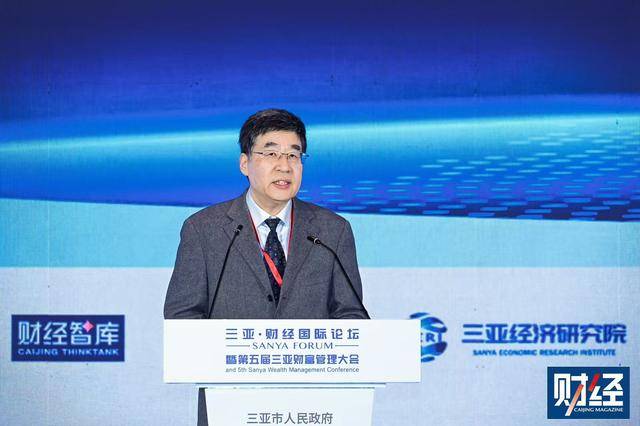
张军扩:充分有效释放消费需求潜力要标本兼治
Zheng Quan Ri Bao· 2025-12-27 13:44
Core Viewpoint - The demand issue is identified as the most decisive factor affecting the sustained and stable growth of China's economy, with macroeconomic indicators remaining stable and a strong foundation laid for achieving the annual growth target of around 5% [1] Group 1: Economic Policies and Strategies - Various policies aimed at expanding domestic demand have shown positive effects, playing a crucial role in achieving this year's development goals [1] - There is a need for structural countermeasures to effectively release the potential of consumer demand during the 14th Five-Year Plan period [1] Group 2: Consumption and Investment - Consumption stimulus policies should focus on optimizing the support for commodity consumption and increasing support for service consumption, particularly in education, healthcare, elderly care, and childbirth [2] - Enhancing social security and public service levels for low-income groups is essential to improve consumer confidence and safety expectations [2] - Supply-side policies should be strengthened to reduce entry restrictions and optimize regulatory policies, particularly in service sectors where demand is high but supply is lacking [2] - The demand space for investment remains significant, requiring institutional and policy innovations to support effective investment during the 14th Five-Year Plan [2] Group 3: Economic Advantages and Future Outlook - China's economic development advantages are described as unique and substantial, with a call for policy support and reform innovation to further promote economic recovery and lay a solid foundation for achieving the 2035 goals [3]
张军扩:以提升城乡环境和住房品质为主的投资和消费需求依然很大
Zheng Quan Shi Bao Wang· 2025-12-27 02:47
Core Viewpoint - The key focus for effectively releasing and expanding investment during the 14th Five-Year Plan period includes developing a new model for urban and rural construction and real estate, as well as significantly boosting private and foreign investment [1] Group 1: Investment Strategy - The first key point is to accelerate the formation of a new model for urban and rural construction and real estate development that aligns with the new stage of development [1] - The second key point emphasizes the importance of significantly boosting private and foreign investment [1] Group 2: Investment Demand - There remains a substantial demand for investment and consumption aimed at improving urban environments and housing quality, particularly as development stages evolve [1] - In urban areas, this includes urban renewal and environmental optimization, as well as residents' demand for higher quality housing and the upgrading of old buildings and neighborhoods [1]
滕泰:扩大内需战略的长期逻辑
Zheng Quan Ri Bao· 2025-12-26 06:46
Group 1: Fixed Asset Investment - The total fixed asset investment in China from January to November showed a year-on-year decline of 2.6%, indicating a likely negative growth for the entire year [2] - The negative growth in fixed asset investment is viewed as a normal correction after years of high growth and over-investment [2][3] - China's investment rate remains the highest globally at over 40%, with new capital formation accounting for 43% of GDP, suggesting that a reduction to a more reasonable level could lead to a significant amount of inefficient investment [3] Group 2: Consumer Spending - Consumer growth rate for the same period was 4%, but there was a rapid decline in October and November, indicating that structural policies to boost consumption have not been effective [4][5] - A shift from structural to aggregate consumption policies is recommended, focusing on increasing overall consumer spending rather than targeted subsidies [5][6] - Increasing residents' income is crucial for boosting consumption, with suggestions for government spending to shift from ineffective investments to direct consumer subsidies [6][11] Group 3: Monetary Policy - There is potential for more active monetary policy, including interest rate cuts, which could significantly impact corporate profits and consumer spending [7] - The current LPR rate is at 3%, indicating room for further reductions, which could help alleviate local government debt burdens [7] - Historical examples from the US and Europe show that low or negative interest rates can effectively stimulate economic recovery [7] Group 4: Capital Market Outlook - China's capital market is currently valued at just over 100 trillion yuan, with potential to reach 200 trillion yuan by 2030 if the securities ratio aligns with international averages [8][9] - The wealth effect from capital market growth could significantly boost consumer spending, contributing to overall economic demand [9][10] - Increasing the proportion of state-owned equity transferred to social security funds could enhance social welfare and support consumer spending [10]
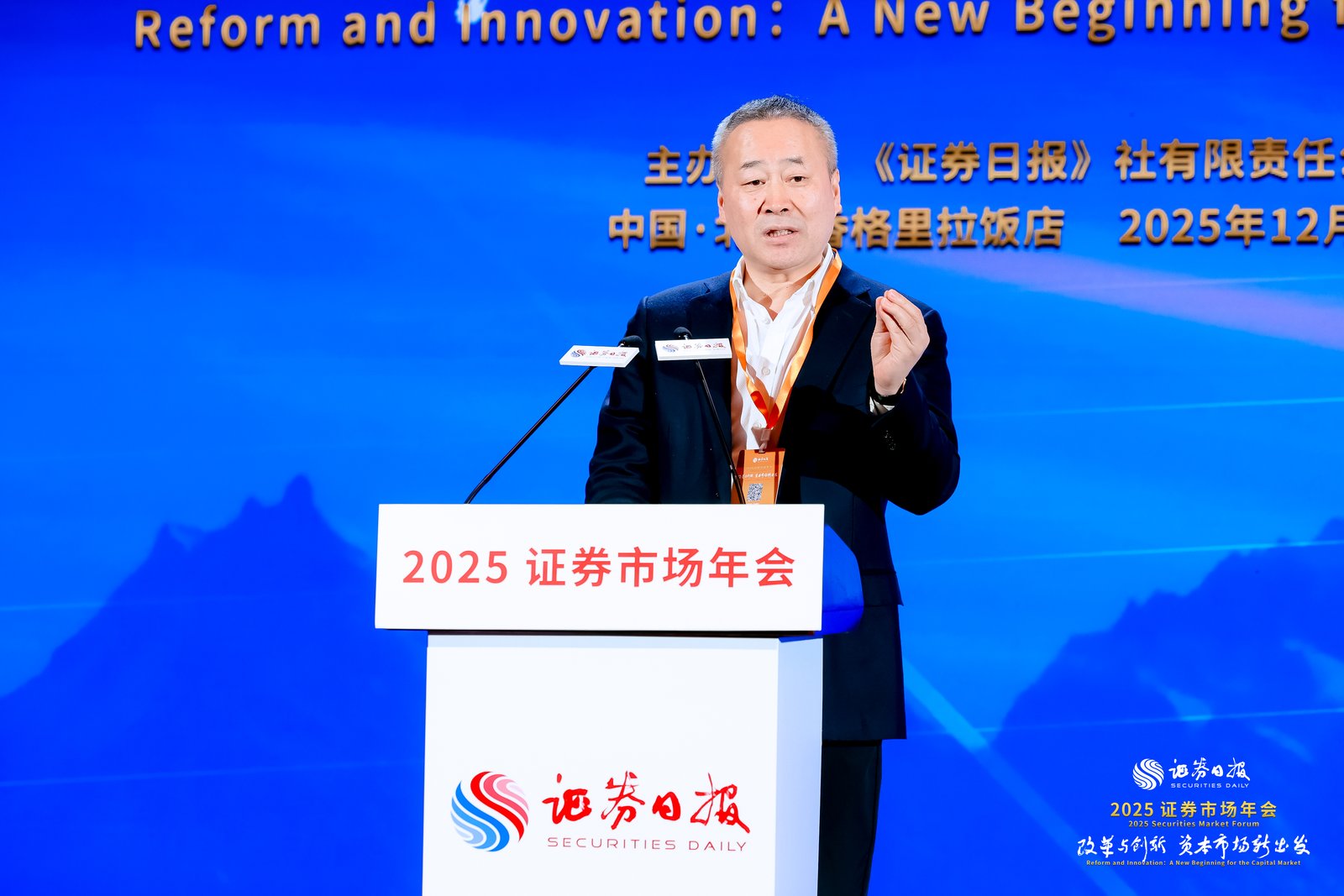
2025年终经济观察|激活有效投资 打开经济发展新空间
Xin Hua She· 2025-12-25 02:55
Core Viewpoint - The article emphasizes the importance of activating effective investment to open new spaces for economic development, highlighting the strategic role of both material and human investment in promoting high-quality growth [2][11]. Group 1: Investment in Material - The construction of significant projects, such as the Huatanzi Reservoir in Guizhou, is progressing well, with over half of the total investment already completed [3]. - Major projects like the world's largest green hydrogen ammonia integration project and the completion of the Hubei ±800 kV UHVDC project indicate ongoing advancements in investment stability [3]. - In the first eleven months of the year, fixed asset investment in China decreased by 2.6%, but project investment excluding real estate grew by 0.8%, indicating stability in key sectors [4]. - The "Two Heavy" construction initiative allocated 800 billion yuan to support 1,459 projects, effectively driving investment growth in various infrastructure sectors [4]. Group 2: New Infrastructure Investment - New infrastructure is identified as a strategic foundation for developing new industries and services, with projects like the digital industrial park in Xiamen expected to generate significant revenue [5]. - The manufacturing value added in smart consumer equipment increased by 7.6% year-on-year, with substantial growth in industrial robots and control systems [6]. Group 3: Investment in Human Capital - Various educational and healthcare projects are underway, such as the new school in Huaihua and regional medical centers, aimed at enhancing human capital and improving living standards [7]. - Investment in public services, including education and healthcare, is expected to drive economic growth by enhancing human capital and releasing consumption potential [9]. - The demand for investment in elderly and childcare services is projected to grow significantly, with the silver economy expected to exceed 30 trillion yuan by 2035 [9]. Group 4: Policy and Future Outlook - The Central Economic Work Conference outlined key tasks for the upcoming year, emphasizing the need to increase central budget investment and optimize project implementation [11]. - Local governments are actively developing strategies to enhance investment in both material and human capital, with a focus on improving the investment environment for private enterprises [12].
2025年终经济观察|激活有效投资 打开经济发展新空间
Xin Hua Wang· 2025-12-24 23:04
Group 1: Investment in Physical Assets - The construction of the Huatanzi Reservoir in Tongren City, Guizhou Province, is progressing efficiently, with over half of the total investment already completed since its commencement in 2024 [3] - Major projects such as the world's largest integrated green hydrogen and ammonia project and the ±800 kV UHVDC transmission project in Hubei have recently made significant progress, supporting the stability of investment [3] - Fixed asset investment in China decreased by 2.6% year-on-year in the first 11 months of this year, influenced by local government debt pressures and the transition of economic development stages, but project investment excluding real estate increased by 0.8% [4] Group 2: New Infrastructure Investment - New infrastructure is a strategic foundation for supporting new industries and services, with projects like the Jinbricks Digital Industrial Park in Xiamen expected to generate over 10 billion yuan in revenue once fully operational [5] - Key areas of new infrastructure, including low-altitude economy, artificial intelligence, and 5G base stations, are progressing steadily, contributing to high-quality development [5] - The manufacturing value added of smart consumer devices increased by 7.6% year-on-year in the first 11 months, with industrial robots and control systems seeing production increases of 29.2% and 87.6%, respectively [5] Group 3: Investment in Human Capital - Investment in education and healthcare is being prioritized, with projects like the new school in Huaihua City expected to alleviate high school enrollment pressures [7] - Investments in public welfare infrastructure, such as power supply and internet services, have seen year-on-year increases of 12.5% and 20.7%, respectively, in the first 11 months [7] - The aging population and the need for childcare services present significant investment opportunities, with the silver economy projected to exceed 30 trillion yuan by 2035 [9] Group 4: Policy Support for Investment - The Central Economic Work Conference emphasized the importance of increasing central budget investment and optimizing the implementation of key projects to stimulate effective investment [11] - Local governments are actively developing strategies to enhance investment in both physical and human capital, with initiatives in Jiangsu, Guangdong, and Zhejiang focusing on high-quality project implementation [11] - The promotion of private investment is crucial for economic growth, with local governments establishing project reserves and support systems to facilitate private sector participation [12]
激活有效投资打开经济发展新空间
Xin Lang Cai Jing· 2025-12-24 19:51
新华社记者 投资既是当期需求,也是未来供给。扩大有效投资,是推动高质量发展的战略之举。 近期召开的中央经济工作会议强调,"必须坚持投资于物和投资于人紧密结合"。记者在调研中感受到, 推动投资于物和投资于人互促共进,促进消费和投资、供给和需求良性互动,我国扩大有效投资潜力巨 大、空间广阔。 打开投资于物新空间 新基建,是支撑新业态、新产业、新服务发展的战略性基石,也是着力扩大有效投资的重要方面。 前不久,位于福建省厦门市湖里区的金砖数字工业智谷主体工程主体结构全面封顶。"目前在谈企业有 30家,其中6家已经落地。全部达产后,园区营收有望突破百亿元。"项目开发主体单位厦门新数科创有 限公司总经理黄长说。 眼下,贵州省铜仁市思南县花滩子水库工程建设现场,智能化机械设备轰鸣作响,工人们抓紧进行大坝 混凝土浇筑施工。 "作为国家150项重大水利工程之一,花滩子水库工程自2024年开工以来,参建各方科学规划、精心组 织,确保项目按计划高效推进,目前已经完成工程总投资过半。"贵州水投花滩子工程有限公司总经理 李保军说。 全球最大规模绿色氢氨醇一体化项目中能建松原氢能产业园项目一期投产,金上—湖北±800千伏特高 压直流输电 ...
激活有效投资 打开经济发展新空间
Xin Lang Cai Jing· 2025-12-24 18:48
Group 1: Investment in Physical Assets - The central economic work conference emphasizes the importance of combining investment in physical assets and human capital to promote high-quality development [1] - Major projects such as the Huatanzi Reservoir in Guizhou and the world's largest green hydrogen ammonia integrated project are progressing, indicating a stable investment foundation [1] - In the first 11 months of the year, fixed asset investment in China decreased by 2.6%, but project investment excluding real estate increased by 0.8%, showing stability in key sectors [2] Group 2: New Infrastructure Investment - New infrastructure is identified as a strategic foundation for supporting new industries and services, with projects like the digital industrial park in Xiamen expected to generate significant revenue [3] - The manufacturing value added in smart consumer devices grew by 7.6%, with industrial robots and control systems seeing increases of 29.2% and 87.6% respectively [3] - There is a significant gap in infrastructure investment compared to developed countries, indicating ample room for growth in sectors like water conservancy and municipal infrastructure [3] Group 3: Investment in Human Capital - Investment in human capital is being prioritized, with projects like the new school in Huaihua aimed at addressing educational needs [4][5] - Investments in sectors such as electricity, water transport, and internet services have seen year-on-year growth of 12.5%, 8.9%, and 20.7% respectively [5] - The aging population and the need for early childhood services present new investment opportunities in the "one old and one young" sector [7] Group 4: Policy and Government Support - The government is implementing policies to stabilize investment growth, including a 500 billion yuan allocation for new policy financial tools and measures to promote private investment [2][10] - Local governments are actively supporting private enterprises through project reserves and investment incentives, enhancing the environment for private investment [10] - The central economic work conference outlines key tasks for the coming year, focusing on increasing domestic demand and optimizing investment projects [8][10]
2025年终经济观察 | 激活有效投资 打开经济发展新空间
Xin Hua She· 2025-12-24 14:51
Core Insights - The article emphasizes the importance of effective investment as a strategic move to promote high-quality development in China, highlighting the need for a combination of investments in both physical assets and human capital [2][4]. Investment in Physical Assets - Major projects such as the Huatanzi Reservoir in Guizhou and the world's largest integrated green hydrogen project are progressing, indicating a stable investment foundation [3]. - In the first 11 months of the year, fixed asset investment in China decreased by 2.6%, influenced by local government debt pressures and economic transition factors, but project investments excluding real estate grew by 0.8% [4]. - The "Two New" construction projects have allocated 800 billion yuan to support 1,459 projects, effectively driving investment growth in key infrastructure areas [4]. New Infrastructure Investment - New infrastructure is identified as a strategic foundation for supporting new industries and services, with projects like the digital industrial park in Xiamen expected to generate significant revenue [5]. - Key sectors such as low-altitude economy, artificial intelligence, and 5G are advancing, with the manufacturing value of smart consumer devices increasing by 7.6% year-on-year [6]. Investment in Human Capital - Projects aimed at enhancing educational and healthcare facilities are underway, such as the new school in Huaihua and regional medical centers, which are expected to improve human capital and welfare [7]. - Investment in human capital is projected to drive economic growth, with significant increases in investments in sectors like electricity and internet services [7]. - The aging population and the need for childcare services present new investment opportunities, with the elderly economy expected to exceed 30 trillion yuan by 2035 [8]. Synergistic Investment Approach - The article highlights the need for a synergistic approach between investments in physical assets and human capital, as seen in projects like the Ningde Nuclear Power Station [9]. - Local governments are actively planning and promoting major projects to lay a solid foundation for future investments, with a focus on enhancing domestic demand and market strength [10]. Role of Private Investment - Private investment is crucial for stabilizing growth and promoting economic development, with local governments supporting initiatives to enhance production efficiency and attract private capital [11]. - Policies aimed at reducing barriers for private enterprises and enhancing investment returns are being implemented to stimulate private sector engagement [11].