
消费者权益保护

Search documents
部分航司“锁座”销售被质疑,中航协拟出“预留座”新规
Xin Lang Cai Jing· 2026-01-23 08:29
Core Viewpoint - The China Air Transport Association is organizing airlines to establish a group standard for "reserved seat rules" to regulate the practice of locking seats on flights, aiming to clarify the types, scope, proportions of reserved seats, and passenger information notification requirements, with plans to solicit public opinions soon [2] Group 1: Industry Practices - A survey by the Jiangsu Consumer Protection Commission revealed that the average locking seat ratio for economy class among 10 major airlines was 38.7%, with some airlines exceeding 60% [2] - The locked seats, often preferred ones like window and aisle seats, typically require consumers to pay extra or use points for selection, which has been criticized as a form of disguised secondary charging by airlines [2] - Airlines often justify the locking of seats with vague reasons such as "load balancing" and "system defaults," which have been deemed excessive compared to the reasonable needs for ensuring aircraft load balance or emergency evacuation [2] Group 2: Consumer Rights and Transparency - The Jiangsu Consumer Protection Commission pointed out that the rules regarding seat locking lack transparency, as the ticket purchasing pages do not clearly indicate which seats require additional fees, the fee standards, and the basis for seat locking [2] - Consumers typically discover that their desired seats are unavailable only during the seat selection phase, which infringes upon their rights to be informed and to choose [2] - Commentary suggests that while airlines pursuing economic benefits is understandable, any innovation in business models must adhere to legal boundaries, as separating basic services that should be included in ticket prices into additional charges effectively deprives consumer rights [2]

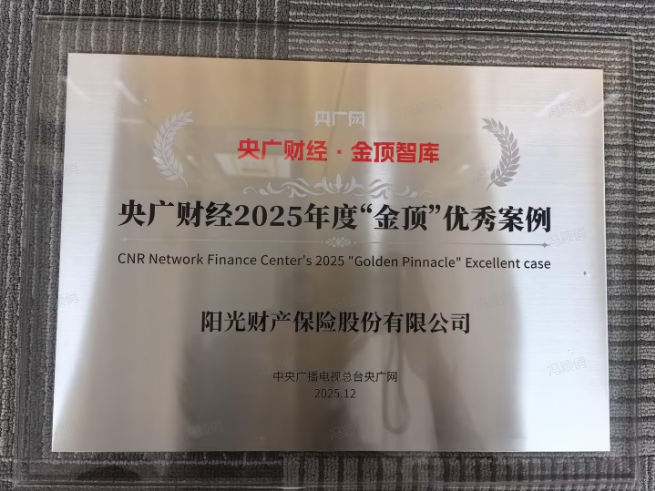
阳光财险:以专业践行为民初心 以服务赢得社会信赖
Jin Rong Jie Zi Xun· 2026-01-23 06:58
Core Insights - In 2025, Sunshine Property Insurance aims to enhance customer service capabilities and has received multiple awards for its commitment to quality service and consumer rights protection [1] Group 1: Customer Service Innovations - Sunshine Property Insurance has increased its investment in technology to improve customer service, launching the "Claims Service Robot" to provide 24/7 assistance and streamline the claims process [2][3] - The "Claims Service Robot" allows for instant response during claims reporting, enabling customers to upload accident photos and connect with adjusters through video calls, thus transforming the claims experience from passive to proactive [2][3] Group 2: Special Initiatives for Vulnerable Groups - The company has implemented various measures to support elderly and disabled individuals, including direct access to customer service representatives and the introduction of a "Senior Mode" in its app to enhance usability [6][7] - Sunshine Property Insurance has conducted community outreach programs to educate elderly individuals about financial fraud and has provided resources to help them navigate financial services [6][7] Group 3: Consumer Rights Protection - The company has established a comprehensive information disclosure system to protect consumer rights throughout the entire insurance process, ensuring transparency in product terms and complaint channels [12][13] - Sunshine Property Insurance has taken a leadership role in the industry by developing national standards for consumer complaint handling, contributing to the overall improvement of service quality in the insurance sector [12][13]
党建引领固本强基,金融护航行稳致远
Xin Lang Cai Jing· 2026-01-22 17:07
Core Viewpoint - The Jining Banking Association aims to promote the healthy and stable development of the banking industry in Jining by focusing on four key areas: party leadership, industry norms, risk prevention, and consumer rights protection, with multiple initiatives leading the province in various aspects [2] Group 1: Party Leadership and Organizational Development - The association emphasizes the integration of party work with business operations, establishing a clear and efficient party work system [3] - It has implemented a structured annual learning plan for party members, enhancing their theoretical knowledge and practical application in regulatory and service roles [3] - The association has made progress in standardizing party organization, including the establishment of a committee and the completion of member evaluations to promote exemplary conduct [3] Group 2: Service Enhancement and Industry Activation - The association focuses on serving regulators, members, and society, having successfully held its eighth member congress and completed leadership transitions [4] - It has organized events to facilitate connections between financial institutions and local enterprises, resulting in multiple cooperation agreements [4] - The association has initiated a series of training and promotional activities to enhance financial knowledge and prevent illegal financial activities [5] Group 3: Self-Regulation and Market Order - The association has developed a self-regulatory governance model to improve market competition and prevent risks, achieving significant results in areas like mortgage commissions [6] - It has implemented a tiered supervision mechanism for deposit business, promoting a shift from price competition to service quality improvement [6] - The association has played a key role in risk prevention, successfully addressing potential debt risks for local enterprises [6] Group 4: Consumer Protection and Dispute Resolution - The association has established a dispute resolution brand and innovative mechanisms to enhance consumer rights protection [7] - It has set up a mediation service station and developed a fast-track resolution process for small disputes, improving efficiency in conflict resolution [7] - The association has built a professional mediation team and implemented management systems to standardize mediation processes [7]

婚纱照尺寸“缩水”是否构成欺诈?法院:非欺诈驳回三倍赔偿
Xin Lang Cai Jing· 2026-01-22 11:57
Core Viewpoint - The case revolves around a dispute between a consumer and a photography studio regarding the size of wedding photos, leading to a court ruling that the studio did not commit fraud or breach the contract [4]. Group 1: Case Background - In December 2023, a consumer named Li purchased a wedding photography package for 4680 yuan, which included various products such as a 10-inch album and a happiness wall with nine 10-inch photos [2]. - In March 2024, Li received the products and found that the album and happiness wall photos were only 8 inches instead of the agreed 10 inches [2]. - After discussions, the studio agreed to remake the products with a specified size of 25.48 cm by 20.32 cm, but the new happiness wall photos were still not compliant, measuring 24 cm by 18 cm [2]. Group 2: Court Proceedings - The photography studio brought in a representative from the production factory to explain that the standard 10-inch size in the industry often involves trimming, which can lead to variations in actual dimensions [3]. - The court found that the service contract between Li and the studio was valid and that the studio did not have fraudulent intent, as the products were produced according to industry standards [4]. - The court ruled that there was no evidence of fraud or breach of contract by the studio, thus dismissing all of Li's claims for compensation [4]. Group 3: Legal Insights - The judge emphasized the importance of consumers clearly documenting key parameters such as size, material, and delivery standards in written agreements to protect their rights in case of disputes [5]. - Businesses are advised to maintain transparency about product specifications and production processes, ensuring that consumers are well-informed to avoid misunderstandings [5].
人民日报关注:锁座成普遍现象,飞机锁座收费合理吗?
Xin Lang Cai Jing· 2026-01-20 03:29
Core Viewpoint - The practice of locking premium seats by airlines is a method to increase revenue, which raises concerns about consumer rights and fair trading [1] Group 1: General Findings - The investigation by Jiangsu Consumer Protection Committee revealed that all ten surveyed airlines have implemented seat locking practices, with no airline fully opening all economy class seats [2] - The average seat locking rate across the surveyed routes is 38.7%, with some routes like Spring Airlines' "Nanjing-Lanzhou" exceeding 60% [2] Group 2: Payment for Unlocking Seats - Airlines require consumers to use miles or points to unlock certain premium seats, with specific examples showing different point requirements for various seat categories [3] - Some airlines have introduced additional paid options for purchasing points or miles, further pushing consumers towards paid unlocking methods [3] Group 3: Lack of Transparency - Airlines provided vague explanations for seat locking, citing reasons such as reserving seats for special passengers and maintaining flight balance, which contradicts the high locking rates observed [4][5] - Customer service responses were often unclear, failing to provide satisfactory justifications for the locking practices [4] Group 4: Unfair Terms - The seat selection agreements of the ten airlines contain unfair clauses, lacking clear communication about locking rules and fees, which may infringe on consumer rights [6] - Airlines are currently evaluating their policies to balance revenue optimization with consumer rights and improve transparency in seat selection information [6]
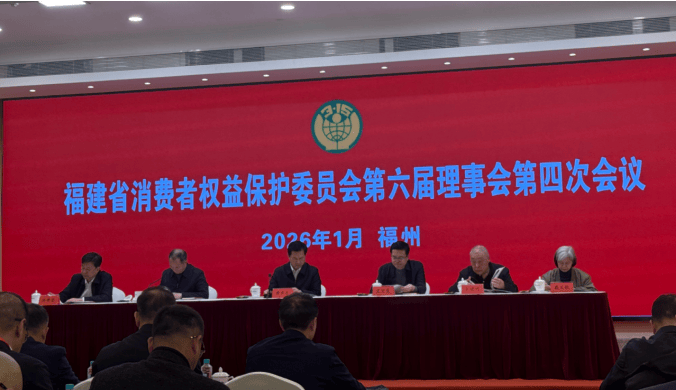
福建省消委会第六届理事会第四次会议在福州召开
Sou Hu Cai Jing· 2026-01-20 01:36
Core Viewpoint - The meeting of the Fujian Consumer Rights Protection Committee highlighted the achievements in consumer rights protection in 2025 and outlined the key tasks for 2026, emphasizing the importance of consumer protection in driving economic growth and addressing new challenges in the evolving consumption landscape [1][3][4]. Group 1: Achievements and Actions - In 2025, various levels of consumer committees in Fujian implemented the "Optimizing Consumption Environment Three-Year Action Plan (2025-2027)" and conducted the "Safe Consumption in Fujian" initiative, effectively fulfilling their legal responsibilities and contributing to the optimization of the consumption environment and the activation of consumption potential [3][4]. - The consumer committees achieved significant results in areas such as dispute resolution, innovative publicity, and collaborative governance, which are essential for supporting high-quality economic and social development [3][4]. Group 2: Future Directions - For 2026, the consumer committees are required to focus on six key areas: creating a safe consumption environment, empowering through legal frameworks, enhancing efficiency, educating and guiding consumers, fostering collaborative governance, and strengthening their own organizational capacity [5]. - The meeting emphasized the need for consumer committees to adapt to the evolving consumption landscape, which includes diverse consumer demands and expanding rights protection scenarios, thereby ensuring a strong start for consumer rights protection in the "15th Five-Year Plan" period [4][5].
江苏省消保委调查10家主流航司 机票锁座比例最高达62.1%
Ren Min Ri Bao· 2026-01-20 01:04
Core Viewpoint - The practice of charging for seat selection in airlines is seen as a method to increase revenue by locking premium seats, which raises concerns about consumer rights and fair trading [1] Group 1: General Findings - The survey conducted by Jiangsu Consumer Protection Committee revealed that all 10 selected domestic airlines have implemented seat locking practices, with no airline fully opening all economy class seats [2] - The average seat locking rate across the surveyed routes is 38.7%, with some airlines like Spring Airlines and Shenzhen Airlines exceeding 60% and 50% respectively [2] Group 2: Payment for Unlocking Seats - Many airlines require consumers to use miles or membership points to unlock preferred seats, with specific examples showing that certain seats can require up to 2000 points for unlocking [3] - Some airlines have introduced additional paid options for purchasing points or miles, further pushing consumers towards paid unlocking methods [3] Group 3: Lack of Transparency - Airlines provided vague explanations for seat locking, citing reasons such as reserving seats for special passengers or maintaining flight balance, which do not align with the high locking rates observed [4][5] - Customer service responses were often unclear, failing to provide solid justifications for the locking practices [5] Group 4: Unfair Terms - The seat selection agreements of the airlines contain unfair terms, lacking clear communication about locking rules and fees, which may infringe on consumer rights [6] - Airlines are currently evaluating their policies to balance revenue optimization with consumer rights and improve transparency in seat selection information [6]



飞机锁座收费合理吗?(法治聚焦)
Ren Min Ri Bao· 2026-01-20 00:24
Core Viewpoint - The practice of airlines locking premium seats during the ticket purchasing process is a method to increase revenue, which may infringe on consumers' rights to fair trade and choice [1] Group 1: General Findings - The survey conducted by Jiangsu Consumer Protection Committee revealed that all ten selected domestic airlines have implemented seat locking practices, with no airline fully opening all economy class seats [2] - The average seat locking ratio across the surveyed routes is 38.7%, with some airlines like Spring Airlines and Shenzhen Airlines exceeding 60% and 50% respectively [2] Group 2: Payment for Unlocking Seats - Many airlines require consumers to use miles or membership points to unlock premium seats, with specific examples showing different point thresholds for various seat categories [3] - Some airlines have introduced additional paid options for purchasing points or miles, further pushing consumers towards a paid unlocking mechanism [3] Group 3: Lack of Transparency - Airlines provided vague explanations for seat locking, citing reasons such as reserving seats for special passengers and maintaining flight balance, which contradicts the high locking ratios observed [4][5] - Customer service responses were often unclear, failing to provide reasonable justifications for the locking practices [4] Group 4: Unfair Terms - The seat selection agreements of the ten airlines commonly contain unfair terms, lacking clear communication about locking rules and fees, which may violate consumers' right to information [6] - The use of ambiguous language in agreements allows airlines to avoid disclosing the number and range of free seats available, facilitating unilateral seat locking [6] Group 5: Expert Opinions - Experts argue that the seat locking practice is a form of price discrimination and information concealment, which increases consumer decision-making costs and distorts market efficiency [9] - There is a call for airlines to balance economic benefits with consumer rights, advocating for clearer rules and transparency in seat allocation practices [9]
10家航司机票锁座比例最高达62.1%,飞机锁座收费合理吗?
Bei Jing Ri Bao Ke Hu Duan· 2026-01-19 23:37
Core Viewpoint - The investigation by Jiangsu Consumer Protection Committee reveals that the practice of locking seats by airlines is widespread and raises concerns about consumer rights and transparency in the airline industry [3][4]. Group 1: Investigation Findings - The survey included 10 major domestic airlines, all of which confirmed the existence of seat locking practices, with no airline fully opening all economy class seats [4]. - The average seat locking ratio across the surveyed airlines is 38.7%, with some routes showing locking ratios as high as 62.1%, such as Spring Airlines' "Nanjing-Lanzhou" route [4]. - Preferred seating areas, such as front rows and exit rows, are commonly included in the locked categories, with higher fees or points required for unlocking these seats [4]. Group 2: Payment and Redemption Issues - Some airlines require consumers to use miles or membership points to unlock preferred seats, with specific examples showing redemption thresholds of 2000 points for premium seats [5]. - Airlines have introduced additional paid options for purchasing points or miles, further pushing consumers towards paid unlocking methods [6]. Group 3: Transparency and Communication - Airlines provided vague explanations for seat locking, citing reasons like reserving seats for special passengers or maintaining flight balance, which contradicts the high locking ratios observed [7]. - Customer service responses were often unclear, failing to provide satisfactory explanations for the locking practices, which raises concerns about consumer rights [7]. Group 4: Unfair Terms and Conditions - The seat selection agreements of the airlines contain unfair terms, lacking clear communication about locking rules and fees, which may infringe on consumer rights [8]. - Airlines often use ambiguous language in their agreements, avoiding the disclosure of free seat availability and locking practices, which benefits the airlines at the expense of consumer transparency [8].
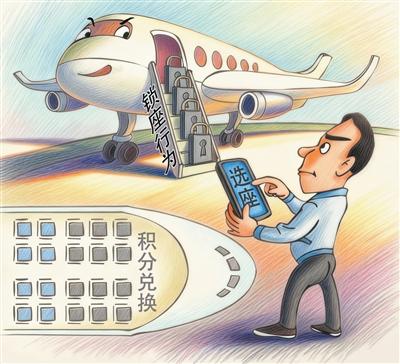
江苏省消保委调查10家主流航司,机票锁座比例最高达62.1%——飞机锁座收费合理吗?
Xin Hua Wang· 2026-01-19 23:36
Core Viewpoint - The investigation by Jiangsu Consumer Protection Committee highlights that airlines are locking premium seats, which may infringe on consumer rights and fair trading practices, prompting a call for self-examination and service optimization by airlines [1] Group 1: General Findings - The survey included 10 domestic airlines, all of which confirmed the existence of seat locking practices in their economy class, with no airline fully opening all economy seats [2] - The average seat locking rate across the surveyed airlines was 38.7%, with some routes showing rates as high as 62.1% [2] Group 2: Issues Identified - **Issue 1: Prevalence of Seat Locking** All surveyed airlines exhibited seat locking behavior, with significant proportions of seats locked during the purchasing phase [2] - **Issue 2: Indirect Payment for Unlocking Seats** Some airlines require consumers to use miles or points to unlock preferred seats, effectively turning basic seat selection into a paid service [3] - **Issue 3: Lack of Transparency** Airlines provided vague explanations for seat locking, often citing reasons that contradicted the high locking rates observed [4][5] - **Issue 4: Unfair Contract Terms** The seat selection agreements of the airlines contained unfair terms, lacking clear communication about seat locking rules and fees, which may violate consumer rights [6]