马文化

Search documents
新疆:天山南北贺新春非物质文化遗产年俗展主会场活动开启
Xin Lang Cai Jing· 2026-02-01 11:04
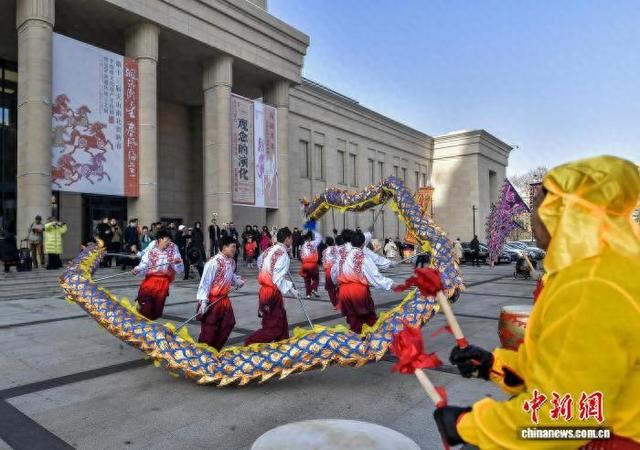
2月1日,新疆乌鲁木齐市,"飒沓流星 春风得意——第十三届天山南北贺新春非物质文化遗产年俗 展"主会场活动暨2026新疆传统工艺展示活动在新疆美术馆开幕。主会场以"马"为核心元素,通过传统 工艺与现代展陈的融合,诠释马文化中昂扬向上的精神内涵。此次系列活动将持续至元宵节,期间新疆 各地将举办非遗展演、民俗巡游、传统工艺展等百余场活动。图为舞龙展演。中新社记者 刘新 摄 参观非遗展示区。中新社记者 刘新 摄 以"马"为元素的工艺展品吸引参观者。中新社记者 刘新 摄 图为市民 图为各类 门口以"马"为造型的折纸墙。中新社记者 刘新 摄 展演。中新社记者 刘新 摄 图为社火 图为各类 以"马"为元素的工艺展品吸引参观者。中新社记者 刘新 摄 图为展厅 以 " 马 "为元素的工艺展品吸引参观者。中新社记者 刘新 摄 图为各类 ...

锡林郭勒盟第三届冬季蒙古马超级联赛总决赛开赛
Xin Lang Cai Jing· 2026-02-01 10:01
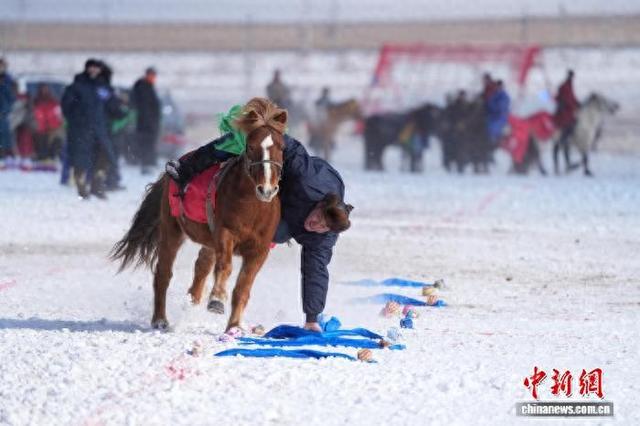
中新网锡林郭勒2月1日电 (记者 奥蓝)伴着朵朵飘雪,2月1日,锡林郭勒盟第三届冬季蒙古马超级联赛 总决赛开幕,300余名本土骑手驭马奔腾,在丰富的赛事活动中展示马文化的魅力。 拾哈达比赛。塔拉 摄 锡林郭勒盟冬季蒙古马超级联赛自2022年首次举办以来,每一届的开幕式都是草原民俗文化的综合展 示。本届开幕式以"雪域迎宾"为序章,百匹蒙古马组成的国旗方队一出场,现场就欢呼声不断。 本次决赛赛期两天,设置15公里耐力赛、9.6公里3人团体接力赛、跑马射箭比赛、跑马拾哈达比赛以及 6000米传统走马比赛。比赛吸引锡林郭勒盟13个旗县市区的300余名选手参赛,参赛马匹数量达319匹。 本届活动由内蒙古自治区锡林郭勒盟盟委、行政公署主办。锡林郭勒盟文体旅游广电局局长何明鉴在接 受记者采访时表示,蒙古马超级联赛作为锡林郭勒盟首创的特色群众性赛事,自举办以来,已成为推动 当地经济发展、助力农牧民增收的重要引擎。(完) 式上的蒙古族传统服饰展示。塔拉 摄 记者看到,当日活动现场还同步打造了特色业态体验专区,展示锡林郭勒草原上的传统技艺、美食与民 俗。 "我从来没有见过这么多的马,这是太神奇的体验!天气特别冷,身上的蒙古袍很暖 ...
骁腾有如此,万里可横行
Xin Lang Cai Jing· 2026-01-30 18:43
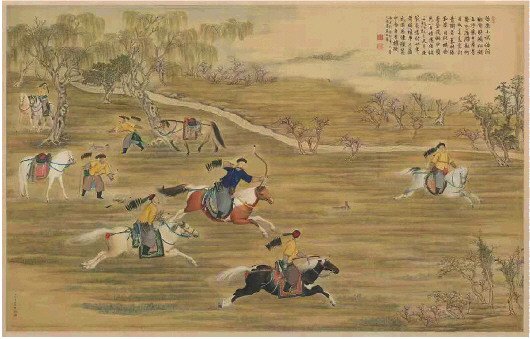
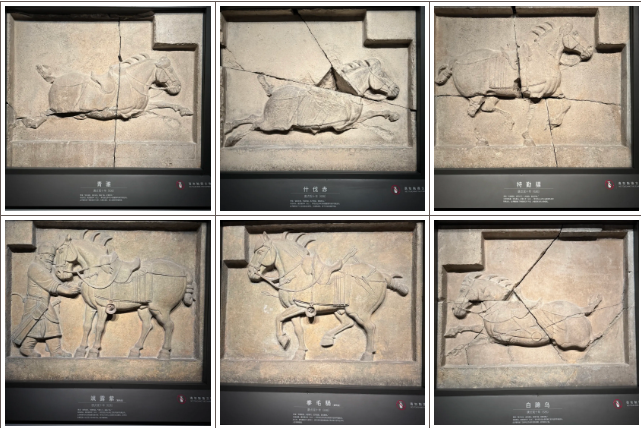
Core Insights - The article explores the historical significance of famous horses in Chinese history, illustrating how these steeds symbolize the ambitions of emperors and the fate of empires [2][3][4][6][7][10][12][13][14][15] Group 1: Historical Context - The obsession of Emperor Wu of Han with the "Heavenly Horse" from the Western Regions reflects his strategic vision for controlling the Xiongnu and expanding the empire [3][4] - The story of the "Red Hare" during the Three Kingdoms period highlights the personal connection between heroes and their horses, emphasizing loyalty and the tragic fate of both [6][12] - The "Six Steeds of Zhao Ling" serve as a testament to the military achievements of Emperor Taizong of Tang, with each horse representing a significant battle [7][8][9] Group 2: Cultural Significance - The horses of the Tang dynasty, such as "Jade Flower" and "Night White," symbolize the cultural and artistic flourishing of the era, showcasing the integration of equestrianism into courtly life [10][11][14] - The "Eight Steeds of Changling" from the Ming dynasty reflect the legacy of military prowess and the continuity of equestrian symbolism across dynasties [13] - In the Qing dynasty, horses became central to political rituals, with Emperor Qianlong using them to reinforce loyalty and governance among the Manchu and Mongolian tribes [14][15]
120余匹“马”“跃”进国博马年新春文化展
Xin Lang Cai Jing· 2026-01-30 06:15
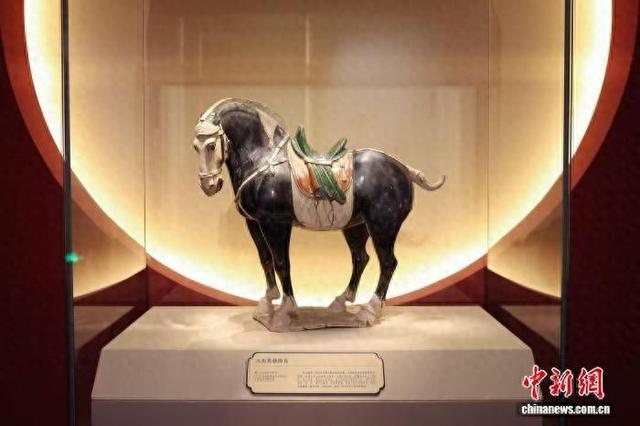
Core Viewpoint - The annual National Museum of China Spring Festival exhibition, titled "Leaping Horse - Year of the Horse Cultural Exhibition," showcases over 120 selected cultural relics related to horses, highlighting the profound cultural significance and contemporary value of horses in Chinese culture [1]. Group 1: Exhibition Highlights - The exhibition features notable artifacts such as the "Sancai Black Glazed Horse" from the Tang Dynasty, which exemplifies the artistic excellence of Tang Sancai ceramics and the technical mastery of kiln firing [3]. - The Qin Dynasty's saddle horse figurines reflect the rigorous standards for selecting warhorses, showcasing a powerful and robust image of horses [3]. - The Western Han wooden lacquer horse from the Mianyang Museum displays distinct regional characteristics, emphasizing the horse's strong physique and cultural representation [3]. Group 2: Cultural Significance - The curator, Xu Wenjun, emphasizes that horses were indispensable companions and emotional symbols for ancient Chinese people, representing aspirations for a better life and deep-rooted cultural connections [6]. - The exhibition includes various artistic representations of horses, such as the Song Dynasty's "Hunting Map" and the Qing Dynasty's "Eighteen Steeds," which reflect different artistic styles and techniques influenced by both Chinese and Western art [6]. Group 3: Cultural Products - The National Museum has launched a cultural product series based on the "Sancai Black Glazed Horse," named "A Black Horse" IP series, which includes over 30 interactive products aimed at engaging younger consumers [8]. - The cultural products focus on emotional value and cultural attributes, providing consumers with opportunities for creative engagement, such as assembling a perpetual calendar or interacting with plush toys [8].
马年双璧:春晚IP与西安千年遗存的精神对话
Xin Lang Cai Jing· 2026-01-29 07:07
Group 1 - The core theme of the articles revolves around the cultural significance of horses in Xi'an, highlighting their historical and symbolic roles in Chinese civilization, particularly in the context of the upcoming 2026 Spring Festival Gala mascot design [1][2][3] - The design of the Spring Festival Gala mascot, inspired by the "Six Steeds of Zhao Ling," reflects the deep-rooted horse culture in Xi'an, showcasing a blend of traditional aesthetics and modern interpretations [1][7] - The articles emphasize the horse as a symbol of military prowess, cultural exchange, and social hierarchy in ancient China, with specific references to artifacts like the bronze chariots and horses from the Qin Dynasty and the Tang Dynasty's artistic representations [3][5][6] Group 2 - The horse is portrayed as a cultural bridge, facilitating dialogue between different civilizations and embodying the spirit of progress and loyalty inherent in Chinese culture [8][11] - The articles discuss contemporary efforts to revitalize horse culture through innovative cultural products and events, such as the integration of horse motifs into modern design and the use of digital technology to enhance cultural experiences [10][13] - The importance of engaging younger generations with horse culture is highlighted, suggesting that modern expressions and emotional connections are essential for the longevity and relevance of this cultural heritage [11][12]
国家图书馆2026年春节系列活动启动
Xin Lang Cai Jing· 2026-01-25 13:04
Core Viewpoint - The National Library of China is organizing a series of cultural activities themed "Riding Horses to Welcome Spring" to celebrate the upcoming Year of the Horse in 2026, focusing on traditional cultural elements and engaging the public through various interactive events [1][2]. Group 1: Cultural Activities - The main event "Riding Horses to Welcome Spring" will start on February 10, featuring activities such as book spring, interactive experiences, and traditional customs [1]. - An exhibition titled "Spring Wind and Horse Hooves" will showcase horse culture and related historical anecdotes, divided into four sections [1]. - The library will release 20 sets of "Spring Couplets from Ancient Texts" and invite participants to engage in calligraphy activities [1]. Group 2: Interactive Events - A "New Year Blessing" event will take place on February 17, where library leaders and visitors will complete a puzzle together [2]. - From February 17 to 23, an interactive area called "New Year Carnival" will offer various horse-themed games and activities [2]. - The library will distribute 4,000 red envelope covers featuring elements from ancient texts through its WeChat account [2]. Group 3: Thematic Displays and Collaborations - The library will set up thematic book displays related to the zodiac and traditional festivals, including a special display on horses [3]. - A collaboration with Beijing Metro will feature a themed exhibition titled "This Station, Encountering Millennia of Colors" [3]. - The library's new media platforms will promote online reading activities focusing on local customs and traditions [3]. Group 4: Special Programs and Performances - The National Library will host a live-action puzzle game and various cultural lectures and concerts leading up to and during the Spring Festival [4]. - A series of children's activities will be organized at the library, including traditional cultural experiences and storytelling sessions [4].
古代战场上,马尾巴为何都要打结?
Xin Lang Cai Jing· 2026-01-23 16:48
Group 1 - The article discusses the historical significance of horses in human culture, emphasizing their role in transportation, agriculture, and warfare throughout history [2][3][7] - It highlights the importance of horse-drawn chariots in ancient military strategy, where the number of horses represented a nation's military strength [2][3] - The article also mentions archaeological findings, such as the well-preserved chariot and horse burial sites from the Western Zhou period, showcasing the elaborate equipment used for horses [3][4] Group 2 - The text describes the practice of tying horse tails before battle to prevent them from becoming entangled and obstructing visibility, which was crucial for military effectiveness [5][6] - It details the evolution of horse management and breeding policies during the Western Han dynasty, aimed at improving the quality and quantity of military horses [8] - The article outlines the development of horse gear, including saddles and stirrups, which significantly enhanced riding stability and combat effectiveness [9][11] Group 3 - The article notes the cultural significance of horse performances and equestrian skills in ancient China, which evolved into entertainment forms like horse shows and acrobatics [12][13] - It emphasizes the continuation of horse culture and performance traditions from the Tang dynasty to modern times, reflecting the enduring admiration for horses in society [13]
《红楼梦》里寻“马”踪
Xin Lang Cai Jing· 2026-01-21 22:38
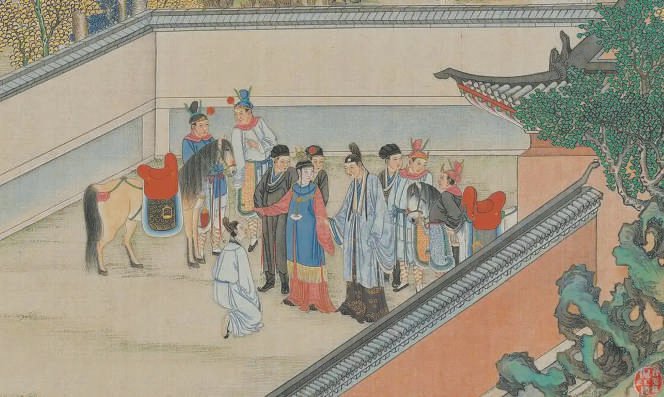
【清】孙温绘全本《红楼梦》中的鲜衣怒马少年郎 古典名著《红楼梦》有"民间百科全书"之称,曹雪芹在书中因故事情节需要数十次写到"马",笔墨或多 或少,恰到好处,将"马文化"淋漓尽致地展现给读者,充分体现了其特有的艺术风格。 户力平 马之成语俗语 第七十九回宝玉笑道:"论交道,不在肥马轻裘,即黄金白璧亦不当锱铢必较。""肥马轻裘"也作"轻裘 肥马",出自《论语》:"赤之适齐也,乘肥马,衣轻裘。"原指骑乘肥壮骏马、穿着轻暖裘衣,后形容 生活奢侈阔绰。 第八十五回写道:"这里接连着亲戚族中的人来来去去,闹闹穰穰,车马填门,貂蝉满座。"生动刻画了 贾府显赫时的热闹场面。"车马填门"出自《北史·拓跋深传》,本义指车马充满门庭道路,后引申为形 容宾客众多、门庭若市的场景。 文中与马相关的成语、俗语还有"持戈试马""拿下马来""拼着一身剐,敢把皇帝拉下马""有个唐僧取 经,就有个白马驮他""将军不下马,各奔前程""没笼头的马""野马上了笼头"等。 马之相关官职 《红楼梦》中与马有关的成语、俗语多达三十多个。第四回写道:"这薛公子学名薛蟠……虽也上过 学,不过略识几个字。终日唯有斗鸡走马、游山玩景而已。""斗鸡走马"出自《汉书 ...
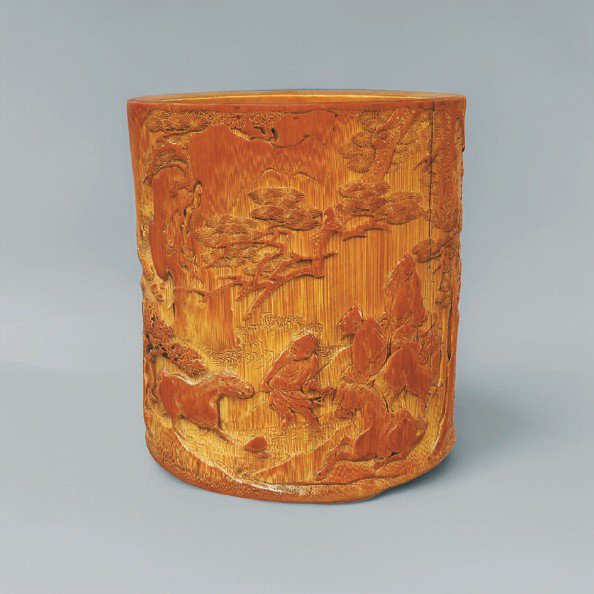
竹雕笔筒上的骏马
Xin Lang Cai Jing· 2026-01-17 07:28
图1 图2 图3 ◆缪士毅 整幅图案布局精妙,疏密有致,刀法细腻入微,将松枝的苍劲、溪水的灵动、人物的情态与骏马的神韵 刻画得淋漓尽致。阴刻的线条流畅婉转,浮雕的层次错落分明,画面极富立体感,尽显吴之璠竹刻艺术 的精湛造诣。 竹雕本是中国传统雕刻艺术中的瑰宝,而竹质笔筒的雕刻更是其中的重要门类,浮雕、镂雕、阴刻等技 法变幻无穷。阴刻的"吴之璠制"款识,字迹飘逸。作为清初著名竹刻家,吴之璠独创"薄地阳文"技法, 刻工精妙,形成了独特的艺术风格。 自古以来,马便与人类相依相伴,成为文明进程中的重要伙伴。在中国文化中,马更是吉祥与力量的象 征,承载着勇往直前、自强不息的精神内核,是历代文人墨客与艺术家钟爱的题材。 这方竹雕笔筒,以竹之清雅承马之神韵,既是一件历经岁月的艺术瑰宝,亦是马年文化的生动载体。品 赏这竹雕八骏,不仅能感受传统工艺的魅力,更能汲取奋进向上的力量,让这份跨越时空的雅致与吉 祥,伴随新岁安然前行。 笔筒,本是文房案头收纳毛笔、护毫养锋的寻常器物,追溯其源,汉代便有将毛笔置入竹制笔套的记 载。至明清时期,文风盛行,笔筒不再是单纯的收纳工具,更成为书案上不可或缺的陈设雅器。其材质 包罗万象,瓷、玉、竹 ...
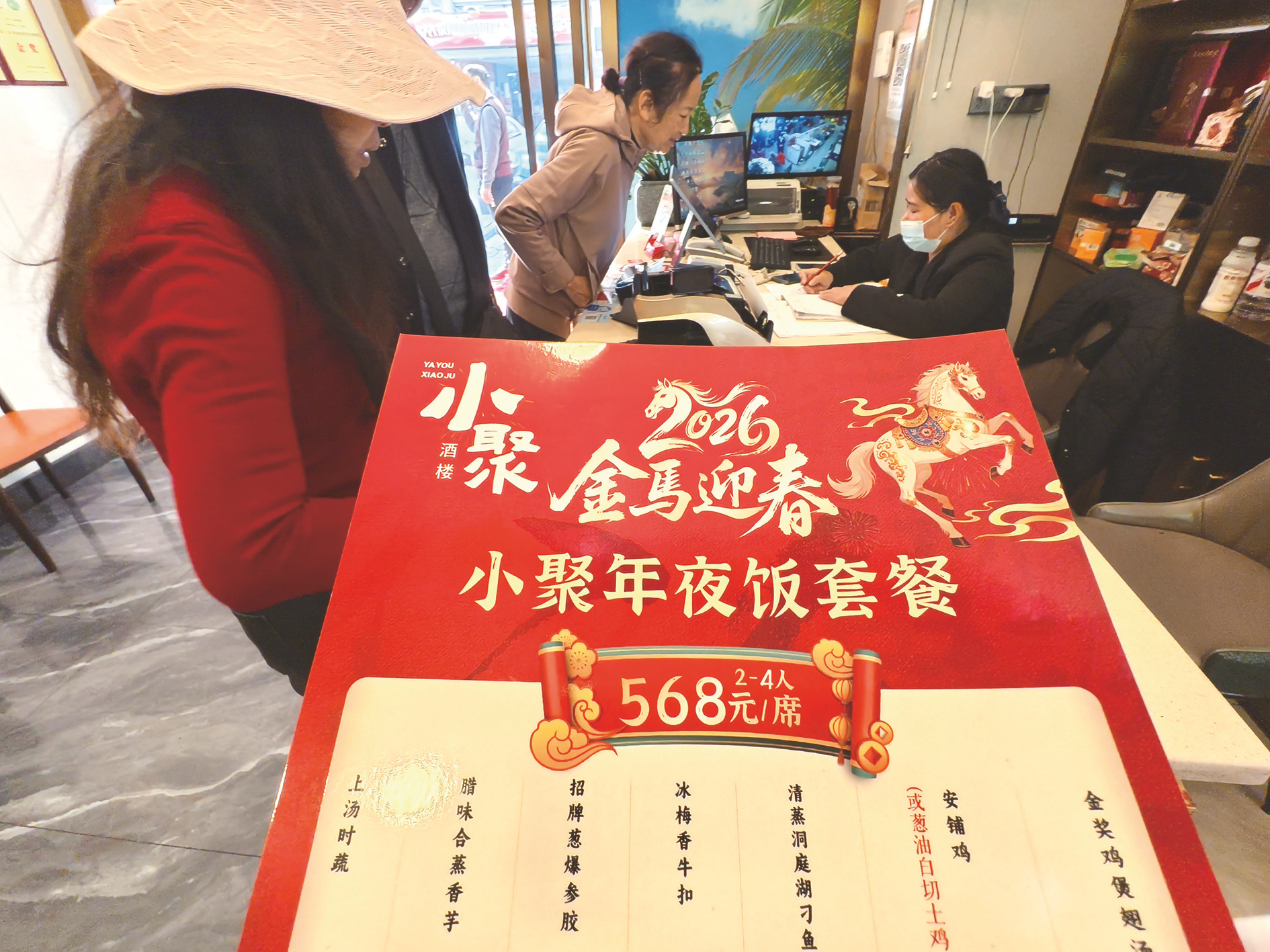
年夜饭“食”力圈粉“马文化”氛围拉满
Xin Lang Cai Jing· 2026-01-17 02:19
Group 1 - The dining market in Nanning is experiencing a surge in demand for New Year's Eve dinner reservations, with many restaurants fully booked well in advance of the holiday [2][3] - Consumers are increasingly seeking a sense of ceremony and atmosphere in their dining experiences, leading to innovative themed banquets that incorporate cultural elements related to the Year of the Horse [2][4] - Various restaurants are creatively integrating "Horse Culture" into their menus and dining environments, enhancing the festive experience for customers [4][5][6] Group 2 - The trend of early reservations is evident, with some restaurants reporting that bookings for New Year's Eve dinners began as early as October, indicating a significant shift in consumer behavior [3][4] - High-end hotels in Nanning are also seeing strong demand, with initial reservation rounds fully booked and second rounds opening to accommodate the rush [4] - The incorporation of local ingredients in New Year's Eve menus reflects a growing consumer preference for quality and health-conscious dining options, showcasing the evolution of dining expectations [7]