人类命运共同体

Search documents
砥砺前行二十载,继往开来谱新篇
Ren Min Ri Bao· 2025-09-27 02:42
Core Points - The Shanghai Cooperation Organization (SCO) is celebrating its 20th anniversary this year, with a commemorative summit scheduled for mid-month, marking two decades of collaboration among member states [1] Group 1: Historical Context and Development - The SCO was established by six founding countries: China, Russia, Kazakhstan, Kyrgyzstan, Tajikistan, and Uzbekistan, aiming to enhance regional stability and development [1] - Since its inception, the SCO has strengthened cooperation in security, economy, and culture, becoming a vital platform for member states to maintain security and promote prosperity [2] Group 2: Achievements in Security Cooperation - Significant progress has been made in security cooperation, including the signing of the "SCO Anti-Extremism Convention" and the establishment of mechanisms for counter-terrorism efforts [3] - In 2020, member states dismantled over 50 terrorist groups and prevented more than 40 terrorist attacks, showcasing the effectiveness of their collaborative security measures [3] Group 3: Economic Integration and Development - The SCO has seen a substantial increase in economic cooperation, with the total economic output and foreign trade volume of member states growing 11 times and 8 times, respectively, since the organization's founding [4] - In 2020, trade between China and other member states reached $245 billion, approximately 20 times higher than at the organization's inception, contributing significantly to economic recovery and improvement of living standards [4] Group 4: Cultural and Humanitarian Exchange - Cultural cooperation has expanded to include various fields such as health, sports, and education, with initiatives like the SCO University and youth exchange programs enhancing mutual understanding [4] - Since 2015, China has provided 5,000 training opportunities for human resources to other member states, fostering goodwill and strengthening ties among the youth [4] Group 5: International Influence and Multilateralism - The SCO has grown into a significant regional organization with the inclusion of India and Pakistan, enhancing its global influence and commitment to multilateralism [5] - The organization maintains close ties with various international entities and advocates for a fair and just international order, particularly in the context of global challenges like the COVID-19 pandemic [5] Group 6: Future Directions and Responsibilities - The SCO aims to solidify mutual trust among member states and enhance security cooperation to address evolving regional threats [9] - The organization seeks to stimulate practical cooperation in response to economic challenges posed by the pandemic, focusing on new industries and regional connectivity projects [10] - The SCO is committed to promoting cultural exchanges and countering rising populism and ideological biases in international relations [10][11]


以信心、勇气、担当回答时代课题(和音)
Ren Min Ri Bao· 2025-09-27 02:42
Core Points - The article emphasizes China's commitment to building a community with a shared future for mankind, highlighting its role as a builder of world peace, contributor to global development, maintainer of international order, and provider of public goods [1][5] - Xi Jinping's speech at the 76th United Nations General Assembly addresses key global challenges, including pandemic response, economic recovery, international cooperation, and the need for improved global governance [2][3][4] Group 1: Global Challenges and Responses - The urgent task is to combat the ongoing pandemic, with a focus on prioritizing people's lives and health, promoting scientific approaches, and enhancing international cooperation to minimize cross-border transmission risks [3] - The speech outlines a global development initiative that emphasizes development priorities, people-centered approaches, inclusivity, innovation, harmony with nature, and action-oriented strategies [3] Group 2: International Relations and Governance - Xi Jinping criticizes outdated Cold War mentalities and emphasizes the importance of mutual respect, fairness, and win-win cooperation in international relations, particularly among major powers [4] - The speech advocates for a multilateral approach to global governance, positioning the United Nations as the core platform for maintaining universal security and sharing development outcomes [4]
伟大抗战精神是强国建设、民族复兴的强大精神动力
Bei Jing Ri Bao Ke Hu Duan· 2025-09-27 02:27
Core Viewpoint - The article emphasizes the importance of inheriting and promoting the great spirit of the Anti-Japanese War, which serves as a powerful motivation for advancing national rejuvenation and modernization in China [1][3][4]. Group 1: Leadership and Unity - The leadership of the Communist Party of China (CPC) is essential for the inheritance and promotion of the great Anti-Japanese War spirit, as it has historically been the backbone of national independence and resistance against foreign invasion [3][4]. - The article highlights the need for unity among all ethnic groups in China and the importance of strengthening ties with overseas Chinese and peace-loving nations globally [1][3]. Group 2: People-Centric Development - The article stresses that the power of the people is the most profound source of strength in warfare, and emphasizes the necessity of a people-centered development approach [4][5]. - It calls for respecting the creative spirit of the people and mobilizing their collective strength to achieve new historical accomplishments [5]. Group 3: Spirit of Struggle - The article underscores the significance of a fighting spirit, asserting that the victory in the Anti-Japanese War was achieved through the courageous struggle of the Chinese people over 14 years [6]. - It advocates for actively confronting challenges and opposing any actions that undermine the leadership of the CPC and the interests of the people [6]. Group 4: Peace and Justice - The article highlights the Anti-Japanese War as a fight not only for China's sovereignty but also for global peace and justice, emphasizing the collective efforts of nations and organizations that supported China during this period [7]. - It calls for a commitment to peace development and the promotion of a community with a shared future for humanity, while upholding international fairness and justice [7].
林武率山东省代表团访问越南
Da Zhong Ri Bao· 2025-09-27 01:29
Group 1 - The Shandong provincial delegation, led by Secretary Lin Wu, visited Vietnam to deepen practical cooperation and enhance the comprehensive strategic partnership between China and Vietnam [2] - During the visit, Vietnamese Prime Minister Pham Minh Chinh emphasized the importance of the relationship and expressed hope for further collaboration in technology, manufacturing, agriculture, and green low-carbon sectors [2][3] - Lin Wu highlighted the long-standing friendship between Shandong and Vietnam, noting recent practical achievements and the intention to strengthen local exchanges and expand economic and trade interactions [2][3] Group 2 - Lin Wu attended the "Shandong-Vietnam Economic and Trade Cooperation and Enterprise Matching Exchange Conference," where he witnessed project signings and emphasized the need for both sides to cultivate industrial competitive advantages and explore consumer market potential [3] - Discussions with Vietnamese Minister of Industry and Trade Nguyen Hong Dien focused on upgrading economic cooperation and enhancing product distribution systems to facilitate the entry of quality products into each other's markets [3] - The delegation visited Bac Ninh Province, where Lin Wu met with the provincial party secretary to reach consensus on deepening friendly exchanges and advancing industrial cooperation [3]
李强出席第80届联合国大会一般性辩论并发表讲话
证监会发布· 2025-09-27 01:25
Core Viewpoint - The speech emphasizes the importance of peace, development, and international cooperation, highlighting the need for a fair and just global order in the face of current global challenges [2][3][4]. Group 1: Global Initiatives and Proposals - China has actively participated in global affairs and proposed several initiatives, including the concept of a community with a shared future for mankind, global development, security, civilization, and governance initiatives [3][5]. - The recent global governance initiative emphasizes principles such as sovereign equality, adherence to international law, and a people-centered approach, aiming to create a more just and reasonable global governance system [3][5]. Group 2: Current Global Challenges - The world is experiencing a period of turmoil and transformation, with a resurgence of unilateralism and Cold War mentality, leading to significant disruptions in international rules and order [4]. - There is a call for greater awareness and rationality among nations to treat each other with respect and to address humanitarian crises and injustices without silence or submission to power [4]. Group 3: Commitment to Peace and Development - China positions itself as a staunch defender of world peace and security, a key promoter of global development, and an active participant in addressing global challenges [5]. - The commitment to uphold the purposes and principles of the UN Charter and to promote multilateralism is reiterated, with a focus on advancing the four global initiatives towards the goal of building a community with a shared future for mankind [5].
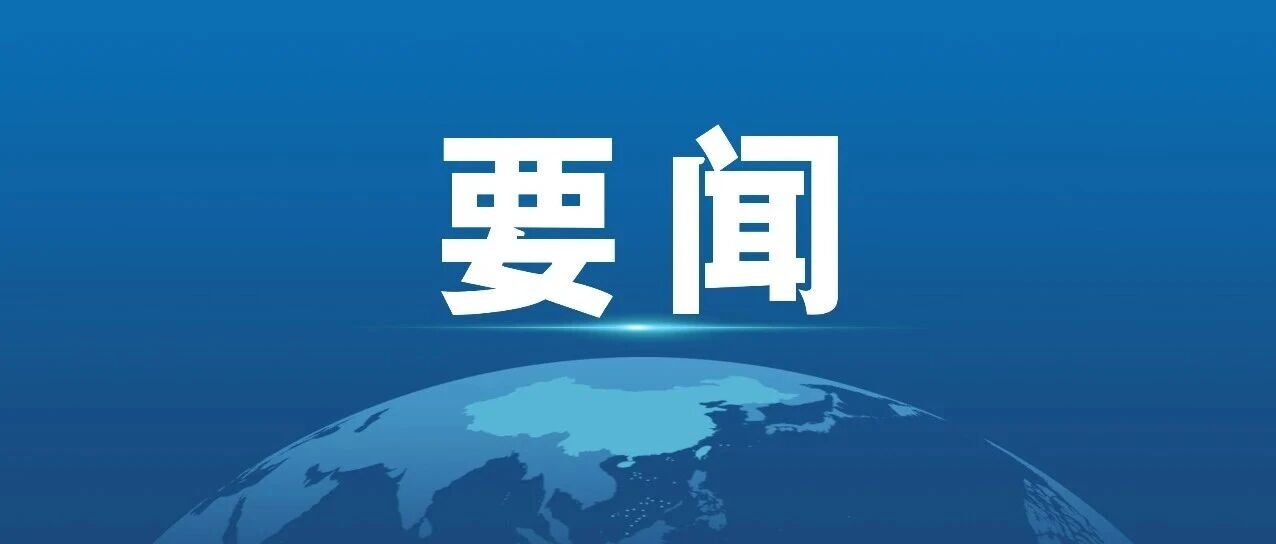
高端访谈丨专访古巴国家主席迪亚斯-卡内尔
Yang Shi Xin Wen· 2025-09-26 23:44
Group 1 - The core message emphasizes the importance of historical memory and the role of the Chinese Communist Party in defending it, as expressed by Cuban President Díaz-Canel during the 80th anniversary of the victory in the Chinese People's Anti-Japanese War and the World Anti-Fascist War [1][4] - Díaz-Canel expressed admiration for China's commitment to multilateralism and global governance, highlighting the significance of Xi Jinping's global governance initiative as a trustworthy and sincere approach [1][8] - The Cuban leader noted the historical sacrifices made by the Chinese people during the war and the importance of these contributions to the global anti-fascist struggle, contrasting this with the attempts of certain Western powers to distort history [4][6] Group 2 - The dialogue between Cuba and China is characterized by a strong political relationship, with both countries sharing similar views on global issues and supporting each other in difficult times [10][25] - The recent bilateral meetings have resulted in various cooperation agreements focusing on key areas such as food sovereignty, renewable energy, telecommunications, and biotechnology, which are crucial for Cuba's socio-economic development [10][12] - The opening of direct flights between Cuba and China has enhanced connectivity, facilitating trade and cultural exchanges, and serving as a model for cooperation between countries of different sizes [12][19] Group 3 - Díaz-Canel highlighted the importance of learning from China's development experience, particularly in areas such as local governance, food security, and the integration of culture and tourism [16][34] - The Cuban leader praised Xi Jinping's leadership style, emphasizing his focus on the people's welfare and the importance of grassroots engagement in governance [14][30] - The historical ties between Cuba and China are underscored by the contributions of Chinese immigrants to Cuba's independence, which have fostered a deep and lasting friendship between the two nations [21][28]
中哈签署800亿美元运输协议,选择绕开俄罗斯,真实考量是什么
Sou Hu Cai Jing· 2025-09-26 17:50
Core Viewpoint - The signing of an $80 billion cooperation agreement between China and Kazakhstan for the International Transport Corridor across the Caspian Sea marks the largest single investment in infrastructure in Central Asia, positioning Kazakhstan as a logistics hub while bypassing Russia [1][3][5]. Group 1: Investment and Infrastructure Development - The $80 billion investment will focus on railway upgrades, port expansions, and digital customs systems, addressing key logistics pain points [4][11]. - The Akhtau port will be expanded from accommodating 3 to 10 large cargo ships, tripling its throughput capacity [7]. - The new transport corridor will reduce shipping time from China to Europe from approximately 25 days to 16-18 days, saving significant transportation costs [9][15]. Group 2: Strategic Shift and Geopolitical Context - Kazakhstan is transitioning from a passive "toll collector" to an active "logistics service provider," reflecting a significant shift in its economic strategy [11][25]. - The decision to bypass Russia is driven by concerns over efficiency and geopolitical risks, as traditional routes have faced disruptions due to war risks and sanctions [12][15]. - Kazakhstan's diplomatic approach maintains neutrality towards Russia while fostering strong ties with China, enhancing its strategic autonomy [17][19]. Group 3: Economic and Trade Implications - The cooperation model involves China providing funding and technology while Kazakhstan offers land and labor, creating a mutually beneficial partnership without political strings attached [21][23]. - Kazakhstan's trade with China is projected to reach $43.8 billion by 2024, indicating rapid growth in bilateral trade [19]. - The corridor is expected to facilitate a significant increase in cargo volume, from 4.5 million tons to 10 million tons within five years [9][19]. Group 4: Broader Impact and Future Prospects - The corridor is reshaping the economic geography of Eurasia, providing Europe with diversified supply chain options and reducing reliance on single routes [34][36]. - The project aligns with China's Belt and Road Initiative, demonstrating a successful model of pragmatic cooperation that benefits all parties involved [36][38]. - The Asian Development Bank predicts that cargo volume through the corridor could reach 32 million tons by 2030, generating over $100 billion in value [40].

纪念中国人民抗日战争暨世界反法西斯战争胜利80周年和平会议在北京举行
Xin Hua She· 2025-09-26 10:30
会前,彭清华会见了与会的重要外宾。 全国人大常委会副委员长、中国人民争取和平与裁军协会会长彭清华出席会议并发表主旨讲话,呼吁各 国和平组织和安全智库弘扬正确二战史观,坚定维护二战胜利成果,积极践行全球治理倡议,共同为构 建人类命运共同体贡献力量。 瑞士前联邦主席毛雷尔、泰国前总理阿披实、巴基斯坦前看守政府总理卡卡尔等致辞时表示,愿团结在 和平与正义的旗帜下,共同应对全球挑战、促进人类发展进步。 新华社北京9月26日电(记者邵艺博、冯歆然)9月26日,纪念中国人民抗日战争暨世界反法西斯战争胜 利80周年和平会议在北京举行。会议由中共中央对外联络部指导、中国人民争取和平与裁军协会主办, 主题为"铭记历史 共护和平",来自近60个国家的150余位代表参加。 ...
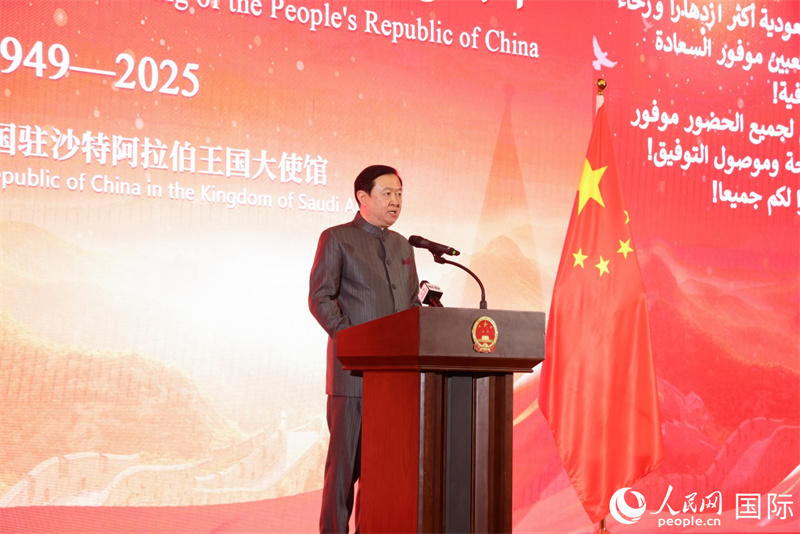
中国驻沙特使馆举行庆祝中华人民共和国成立76周年暨中沙建交35周年招待会
人民网-国际频道 原创稿· 2025-09-26 09:23
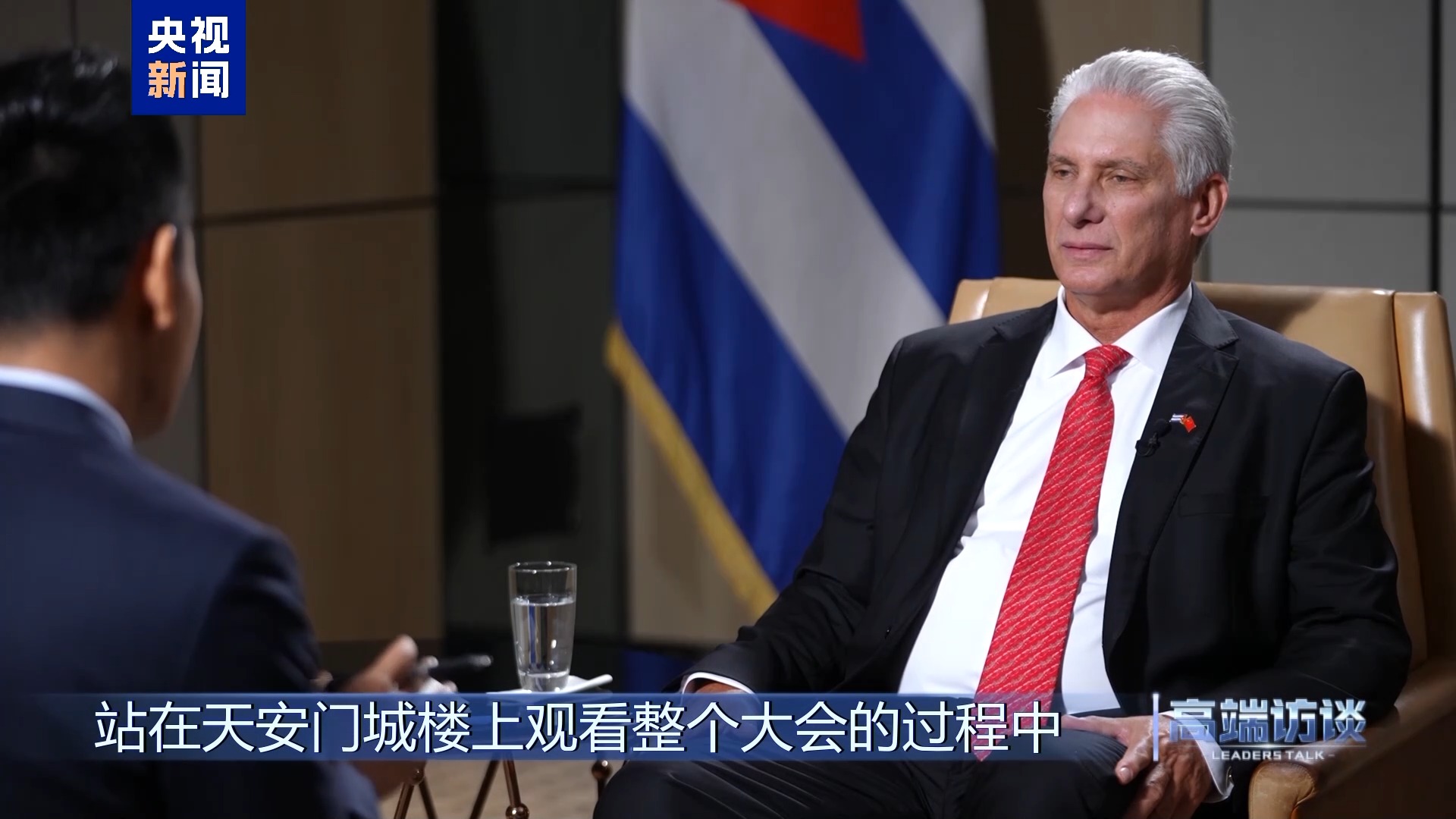
招待会现场。人民网记者 任皓宇摄 中国驻沙特大使兼驻伊斯兰合作组织代表常华致辞。人民网记者 任皓宇摄 中国驻沙特大使兼驻伊合组织代表常华在招待会上发表致辞,回顾新中国成立76年来中国共产党团结带领全 国人民为实现民族复兴接续奋斗的历程,特别是近年来推进高质量发展、高水平对外开放等方面成就和光明前 景,总结建交35年来中沙关系在两国领导人战略指引下实现快速发展及各领域合作成果,宣介全球治理倡议的重 大世界意义和中国在中东问题上的原则立场,强调中国式现代化将为中沙合作开辟更广阔新前景,中方愿同沙方 一道落实好两国领导人重要共识,携手推动构建人类命运共同体。 人民网利雅得9月26日电(记者任皓宇)9月25日,中国驻沙特使馆举行招待会,热烈庆祝中华人民共和国成 立76周年和中沙建交35周年。沙特利雅得地区副埃米尔穆罕默德·本·阿卜杜拉赫曼亲王、沙内政部副大臣阿卜杜勒 阿齐兹·阿亚夫亲王、沙外交部次大臣赛马里以及沙政府有关部门和军队高级官员,各国驻沙使节和伊斯兰合作组 织代表,沙各界友好人士,在沙中资机构、教师留学生、华侨华人代表约600人出席。 招待会上播放了中国人民抗日战争暨世界反法西斯战争胜利80周年纪念活动视频 ...
中国驻日本大使馆举行庆祝新中国成立76周年招待会
人民网-国际频道 原创稿· 2025-09-26 09:23
来宾观看图片展。人民网 许可摄 与会嘉宾祝贺新中国成立76周年,表示中国发展成就举世瞩目,是世界发展重要引擎,希望日中两国加强对 话合作,妥处矛盾分歧,推动关系改善发展,为地区和世界和平稳定繁荣作出贡献。 与会嘉宾祝贺新中国成立76周年。人民网 许可摄 吴江浩大使与各界人士亲切交流。人民网 许可摄 来宾观看中国人民抗日战争、战后中日关系恢复发展、中国式现代化及两国重要政治、经济、文化、科技、 人员交往活动图片视频,现场气氛热烈友好。 人民网东京9月26日电(孙璐、许可)9月25日,中国驻日本大使吴江浩在东京举行庆祝中华人民共和国成立 76周年招待会。日本前首相鸠山由纪夫、文部科学大臣阿部俊子、外务大臣政务官生稻晃子、公明党党首齐藤铁 夫,日中友好议员联盟会长、自民党干事长森山裕,日本共产党议长志位和夫及委员长田村智子、社民党党首福 岛瑞穗等政界人士,日中协会会长野田毅、日中投资促进机构会长佐藤康博等友好团体代表,110余国驻日使节及 日本各界人士、在日华侨华人、中资机构、留学生等约1600人出席。 中国驻日本大使吴江浩致辞。人民网 许可摄 吴江浩宣介习近平主席在纪念抗战胜利80周年大会上重要讲话精神和全球治理 ...