价值投资

Search documents
共话国际资本投资并购新机遇 上交所国际投资者大会将于11月12日开幕
Zhong Zheng Wang· 2025-11-11 06:01
Core Points - The Shanghai Stock Exchange International Investor Conference will be held from November 12 to 13, focusing on "Value Leading Open Empowerment - New Opportunities for International Capital Investment and Mergers and Acquisitions" [1] - This marks the seventh consecutive year the Shanghai Stock Exchange has hosted this conference, providing a platform for foreign institutions to engage with domestic regulatory bodies, exchanges, listed companies, and financial institutions [1] Group 1: Conference Overview - The opening remarks will be delivered by representatives from the China Securities Regulatory Commission, Shanghai Municipal Government, and the Shanghai Stock Exchange on the first day of the conference [1] - Discussions will include topics such as capital market institutional opening, investment and merger opportunities in the Chinese market, and value investing [1] Group 2: Sub-forums - The first sub-forum will focus on investment topics, including asset allocation in China, ESG, new consumption industry development, exchange-traded funds (ETFs), and the bond market, along with the release of cross-border index investment cooperation results [1] - The second sub-forum will address the development and reform of the Chinese merger and acquisition market and cross-border mergers and acquisitions [1] Group 3: Day Two Highlights - The second day will showcase the latest developments in the Sci-Tech Innovation Board, emphasizing the investment value of high-quality Chinese assets [1] - Discussions will revolve around industries such as artificial intelligence, biomedicine, and high-end equipment manufacturing, featuring industry leaders and representatives from Shanghai-listed companies and domestic and foreign financial institutions [1]
共享投资并购新机遇 上交所国际投资者大会即将开幕
Zhong Guo Jing Ying Bao· 2025-11-11 04:36
Core Viewpoint - The Shanghai Stock Exchange International Investor Conference will take place on November 12-13, focusing on "Value Leading Open Empowerment - New Opportunities for International Capital Investment and Mergers and Acquisitions" [1] Group 1: Conference Overview - The opening remarks will be delivered by leaders from the China Securities Regulatory Commission (CSRC), Shanghai Municipal Government, and the Shanghai Stock Exchange [1] - The conference will feature discussions on capital market institutional openness, investment and merger opportunities in the Chinese market, and value investing [1] Group 2: Sub-forums - The first sub-forum will focus on investment topics such as asset allocation in China, ESG, new consumption industry development, exchange-traded funds (ETFs), and the bond market, along with the release of cross-border index investment cooperation results [1] - The second sub-forum will address the development and reform of the Chinese merger and acquisition market, as well as cross-border mergers and acquisitions [1] Group 3: Industry Focus - The second day of the conference will highlight the latest developments in the Sci-Tech Innovation Board, showcasing the investment value of high-quality Chinese assets [1] - Discussions will center around industries such as artificial intelligence, biomedicine, and high-end equipment manufacturing, featuring industry leaders and representatives from domestic and international financial institutions [1] Group 4: Historical Context - This year marks the seventh consecutive year that the Shanghai Stock Exchange has hosted the International Investor Conference, establishing it as a significant platform for communication among foreign investment institutions, domestic regulatory bodies, exchanges, listed companies, and financial institutions [1]
上海证券交易所国际投资者大会明日开幕
Zheng Quan Ri Bao Wang· 2025-11-11 04:09
Core Points - The Shanghai Stock Exchange International Investor Conference will be held on November 12-13, focusing on "Value Leading Open Empowerment - New Opportunities for International Capital Investment and Mergers and Acquisitions" [1] - This marks the seventh consecutive year the SSE has hosted the conference, providing a platform for foreign institutions to communicate with domestic regulatory bodies, exchanges, listed companies, and financial institutions [1] Group 1 - The opening remarks will be delivered by leaders from the China Securities Regulatory Commission, Shanghai Municipal Government, and the SSE [1] - Discussions will cover topics such as capital market institutional openness, investment and merger opportunities in the Chinese market, and value investing [1] Group 2 - The first afternoon will feature two sub-forums: one focused on investment, discussing topics like asset allocation in China, ESG, new consumption industry development, exchange-traded funds (ETFs), and the bond market, along with the release of cross-border index investment cooperation results [1] - The second sub-forum will focus on mergers and acquisitions, addressing the development and reform of the Chinese M&A market and cross-border M&A [1] Group 3 - The second day will introduce the latest developments in the Sci-Tech Innovation Board, showcasing the investment value of high-quality Chinese assets [1] - Discussions will center around industries such as artificial intelligence, biomedicine, and high-end equipment manufacturing, featuring industry leaders and representatives from Shanghai-listed companies and domestic and foreign financial institutions [1]
南财快评|巴菲特:穿越周期的智者
2 1 Shi Ji Jing Ji Bao Dao· 2025-11-11 04:07
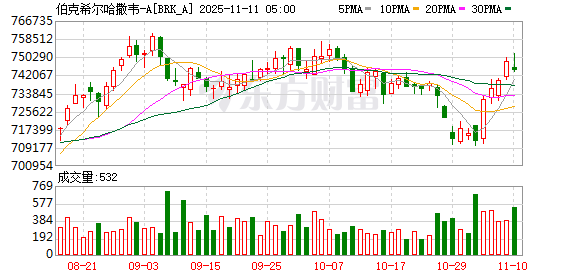
有意思的是,虽然从2006年开始,巴菲特每年都主动捐赠,但19年过去了,巴菲特依然在全球富豪榜上 名列前茅。这既反映出其富可敌国的资财,也充分说明了其投资理念的巨大成功。 作为二十世纪以来最有影响力的投资家,巴菲特以10.5万美元的创始资本起家,在近半个世纪的时间 里,将一个濒临倒闭的纺织厂,打造成了一个拥有保险、铁路、快消品和电子产品等知名公司股份或所 有权的横跨全球的投资、保险和商业帝国。 巴菲特最令人赞叹的,就是其前无古人,后面可能也很难有来者的股票投资奇迹。在1965年-2022年期 间,其执掌的伯克希尔•哈撒韦公司股票投资年化收益率达到了惊人的20.3%,而同期标普500指数只有 9.7%。换句话说,如果你在1965年买入了10000元该公司的股票,那么到今天这笔资金已膨胀至数亿 元。截至目前,该公司A类股票的每股最新价格已经超过了70万美元。 (巴菲特。资料图) 肖宇(中国社会科学院亚太与全球战略研究院副研究员) 当地时间11月10日,一代"股神"巴菲特正式官宣交棒。在这封最后一次以伯克希尔•哈撒韦公司CEO身 份致辞的股东信中,巴菲特用一贯谦卑和充满戏谑的口吻进行了人生的回顾,没有回避衰老和死亡 ...
巴菲特:穿越周期的智者
2 1 Shi Ji Jing Ji Bao Dao· 2025-11-11 04:06
Core Insights - Warren Buffett officially announced his retirement as CEO of Berkshire Hathaway, marking the end of over 60 years of leadership and leaving behind a legacy of wisdom that transcends monetary value [2][5] Company Overview - Buffett's plan includes converting 1,800 shares of Class A stock into 2.7 million shares of Class B stock, which will be donated to four family charitable foundations [2] - The main differences between Class A and Class B shares lie in their price, voting rights, and liquidity, with Class B shares having only one ten-thousandth of the voting power of Class A shares [2] - This strategic move is seen as a way to mitigate stock price volatility while balancing future company operations with family wealth transfer [2] Philanthropic Commitment - Buffett has committed to donating 99% of his wealth to charitable causes, focusing on poverty alleviation, education, health, food and water security, and gender equality [3] - Since 2006, Buffett has donated approximately 5% of his Berkshire stock annually, aiming to witness the impact of his donations during his lifetime [3] Investment Performance - Under Buffett's leadership from 1965 to 2022, Berkshire Hathaway achieved an annualized return of 20.3%, significantly outperforming the S&P 500's 9.7% during the same period [4] - The price of Class A shares has surpassed $700,000, illustrating the immense growth of the company [4] Investment Philosophy - Buffett advocates for a long-term investment approach, famously stating that if one does not intend to hold a stock for ten years, they should not hold it for ten minutes [4] - His investment criteria include companies with core technology, strong cost control, and good brand recognition, emphasizing the importance of a "margin of safety" when purchasing stocks [4] Legacy and Influence - Buffett's retirement signifies the end of an era, but his principles of kindness, wisdom, cycles, and value investing continue to resonate in the global capital markets [5] - His approach aligns with Eastern philosophies that emphasize the benefits of good deeds and the avoidance of misfortune, garnering him a large following in the investment community [5]
上交所国际投资者大会11月12日-13日举行 共话国际资本投资并购新机遇
Xin Lang Zheng Quan· 2025-11-11 02:46
Core Insights - The Shanghai Stock Exchange International Investor Conference will take place on November 12-13, 2025, focusing on "Value Leading, Open Empowerment - New Opportunities for International Capital Investment and Mergers" [1] - This marks the seventh consecutive year the Shanghai Stock Exchange has hosted this conference, providing a platform for foreign institutions to engage with domestic regulatory bodies, exchanges, listed companies, and financial institutions [1] Group 1: Conference Overview - The opening day will feature speeches from leaders of the China Securities Regulatory Commission, Shanghai Municipal Government, and the Shanghai Stock Exchange [1] - Discussions will cover topics such as capital market institutional openness, investment and merger opportunities in the Chinese market, and value investing [1] Group 2: Sub-forums - The first sub-forum will focus on investment, addressing topics like asset allocation in China, ESG, new consumption industry development, exchange-traded funds (ETFs), and the bond market, along with the release of cross-border index investment cooperation results [1] - The second sub-forum will concentrate on mergers and acquisitions, discussing the development and reform of the Chinese M&A market and cross-border mergers [1] Group 3: Industry Focus - The second day of the conference will highlight the latest developments in the Sci-Tech Innovation Board, showcasing the investment value of high-quality Chinese assets [2] - Key industries such as artificial intelligence, biomedicine, and high-end equipment manufacturing will be discussed, featuring industry leaders and representatives from Shanghai-listed companies and domestic and foreign financial institutions [2]
上交所国际投资者大会明日开幕 共话国际资本投资并购新机遇
Zheng Quan Shi Bao Wang· 2025-11-11 01:54
Core Points - The Shanghai Stock Exchange International Investor Conference will take place on November 12, focusing on "Value Leading Open Empowerment - New Opportunities for International Capital Investment and Mergers and Acquisitions" [1] - This marks the seventh consecutive year the SSE has hosted this conference, aimed at providing a platform for foreign investment institutions to communicate with domestic regulatory bodies, listed companies, and financial institutions [1] Group 1: Conference Overview - The opening remarks will be delivered by officials from the China Securities Regulatory Commission (CSRC), Shanghai Municipal Government, and the SSE [1] - Key discussions will include topics such as capital market institutional openness, investment and merger opportunities in the Chinese market, and value investing [1] Group 2: Sub-forums - The first sub-forum will focus on investment topics, including asset allocation in China, ESG, new consumption industry development, exchange-traded funds (ETFs), and the bond market, along with the release of cross-border index investment cooperation results [1] - The second sub-forum will address the development and reform of the Chinese merger and acquisition market, as well as cross-border mergers and acquisitions [1] Group 3: Day Two Highlights - The second day will showcase the latest developments in the Sci-Tech Innovation Board, emphasizing the investment value of high-quality Chinese assets [1] - Discussions will revolve around industries such as artificial intelligence, biomedicine, and high-end equipment manufacturing, featuring industry leaders and representatives from Shanghai-listed companies and domestic and foreign financial institutions [1]
95岁巴菲特发布“交棒”股东信
第一财经· 2025-11-11 00:08
2025.11. 11 本文字数:5064,阅读时长大约8分钟 作者 | 第一财经 樊志菁 当地时间周一,伯克希尔哈撒韦公司在官网发布首席执行官(CEO)巴菲特(Warren Buffett)致 股东的年度信,"奥马哈传奇"在信中表示将在今年年底卸任后 "减少公开活动"。虽然很可能是其作为 伯克希尔CEO的最后一份声明,这位95岁的老人目前暂不打算彻底退出公众视野。 巴菲特宣布,将不再撰写公司年度报告开篇的致辞,但"股神"会继续发表年度感恩节寄语,这项始 于1965年的传统将延续,同时还将 "加大"慈善投入力度,捐赠其仍持有的价值1490亿美元的伯克 希尔哈撒韦公司股票。 巴菲特透露,他已将1800股(总价值13.5亿美元)公司股票转换为 "B类股",并捐赠给了其家族旗 下的四家基金会。他表示:"为了提高在其他受托人接替他们之前,这些基金会能处理完我几乎全部 遗产的可能性,我需要加快在世期间向这三家基金会捐赠的进度。" 巴菲特已成为投资领域的标志性人物,这位亿万富豪塑造了亲切随和的公众形象,尤其通过致股东的 信件进一步强化了这一形象。尽管全球投资者都会密切关注他的市场动向,但巴菲特也一直努力将自 己定位为美国 ...


巴菲特“交棒”股东信:将“归于平静”,重申美国梦,力挺阿贝尔
Di Yi Cai Jing· 2025-11-10 23:29
Core Viewpoint - Warren Buffett, CEO of Berkshire Hathaway, announced plans to reduce public activities after stepping down at the end of the year, although he will remain in the public eye through annual Thanksgiving messages and increased charitable contributions [1][4]. Group 1: Leadership Transition - Greg Abel, currently Vice Chairman of non-insurance operations, will succeed Buffett as CEO, having been designated as his successor since 2021 [4][6]. - Buffett expressed high expectations for Abel, stating that his performance has exceeded those expectations [4][15]. Group 2: Charitable Contributions - Buffett plans to accelerate donations to family-run foundations, converting 1,800 shares of Berkshire stock valued at $1.35 billion into Class B shares for this purpose [4][14]. - The total value of Berkshire stock held for donation is approximately $149 billion [4]. Group 3: Company Performance - Berkshire Hathaway's stock price has risen over 10% this year, with a market capitalization exceeding $1 trillion [4][6]. - The company has achieved an annualized return of nearly 20% over the past 60 years, significantly outperforming the S&P 500's 10% return during the same period [6]. Group 4: Investment Strategy - Buffett remains a value investor, focusing on undervalued stocks and those with reasonable pricing that he believes will be recognized by the market in the future [6]. - Berkshire Hathaway has been a net seller of stocks for 12 consecutive quarters, with cash reserves reaching a record $381 billion, surpassing the value of its stock portfolio [6][7]. Group 5: Market Outlook - Buffett warned that many companies will likely outperform Berkshire in the next 10 to 20 years due to the pressures of its large size [5][15]. - Despite the current market conditions, Buffett emphasized the importance of careful evaluation of company valuations and long-term prospects before investing [7]. Group 6: International Investments - Berkshire Hathaway is increasing its investments in Japan, preparing for a new round of yen bond issuance and continuing to buy shares in Japanese trading companies [8][7]. - The total value of Berkshire's holdings in Japanese trading companies has increased to approximately $33 billion, up from $31 billion a month prior [8].
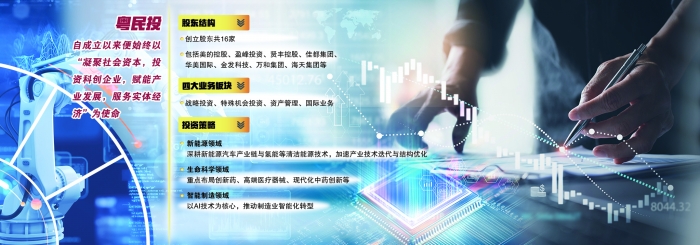
民营资本如何耐住寂寞守住长线——来自粤民投的实践答案
Shang Hai Zheng Quan Bao· 2025-11-10 17:59
Core Viewpoint - Guangdong Min Investment Co., Ltd. (referred to as "Yue Min Investment") has become increasingly active in the capital market while maintaining a low profile, focusing on its development history, growth path, and investment style [2] Group 1: Company Background - Yue Min Investment was officially established on September 23, 2016, with a registered capital of 16 billion yuan and 16 founding shareholders, including leading private enterprises from various industries [3] - The company positions itself as a cross-industry investment cooperation platform for large private enterprises and listed companies, aiming to undertake projects that individual companies cannot manage alone [3][4] Group 2: Investment Philosophy - The mission of Yue Min Investment is to "gather social capital, invest in innovative enterprises, empower industrial development, and serve the real economy" [4] - The management team is composed of professionals with advanced degrees from prestigious institutions, possessing deep knowledge of value investing [5] Group 3: Investment Strategy - Yue Min Investment focuses on sectors such as new energy, life sciences, and intelligent manufacturing, with strategic investments aimed at enhancing industrial upgrades [6] - The company has developed four mature business segments: strategic investment, special opportunity investment, asset management, and international business [6] Group 4: Long-term Commitment - Since its inception, Yue Min Investment has primarily led two major mergers and acquisitions in the capital market, emphasizing a long-term investment philosophy [6][8] - The company has actively supported the sustainable development of its portfolio companies, such as Liaoning Chengda, by providing management expertise and facilitating strategic partnerships [8][9] Group 5: Future Outlook - Yue Min Investment emphasizes the importance of "patient capital" for fostering technological innovation and enhancing economic growth quality [10] - The company believes that its commitment to long-term value accumulation will contribute significantly to the prosperity of Guangdong and its investment locations [10]