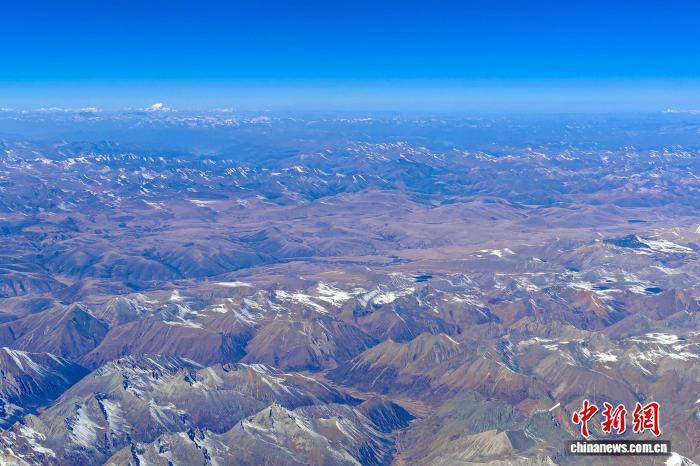
三极联动

Search documents
方小敏:“了解青藏高原的过去,才能预判地球的未来”
Ke Ji Ri Bao· 2025-12-25 07:05
Core Insights - The article discusses the "Three Polar Interaction" theory proposed by Fang Xiaomin, which emphasizes the interconnectedness of the Tibetan Plateau, North Pole, and South Pole in influencing global climate change [3][4][12]. Group 1: Three Polar Interaction Theory - The "Three Polar Interaction" theory posits that the Tibetan Plateau, North Pole, and South Pole form a dynamic system through atmospheric-oceanic circulation and carbon cycling, impacting the formation of mineral resources and landforms in Asia [3][4]. - The theory suggests that the continuous uplift of the Tibetan Plateau acts as a "super engine" for global climate regulation, affecting the ice caps in the polar regions [3][4]. Group 2: Mechanisms of Influence - The Tibetan Plateau influences the polar regions through two key pathways: the "Dust-Carbon Effect" and the "Chemical Weathering-Carbon Cycle" effect [4][5]. - The "Dust-Carbon Effect" involves the uplift of the Tibetan Plateau leading to increased aridity in Asia, which generates dust that promotes phytoplankton growth in the North Pacific, resulting in a decrease in atmospheric CO2 and global cooling [4]. - The "Chemical Weathering-Carbon Cycle" effect describes how increased rainfall due to the uplift enhances chemical weathering processes, converting CO2 into bicarbonate ions and facilitating long-term carbon storage in the ocean [5]. Group 3: Biodiversity and Evolution - The uplift of the Tibetan Plateau has not only reshaped the natural environment but also driven evolutionary processes, with evidence suggesting that some modern African savanna animals originated from adaptations in the Tibetan Plateau [7][8]. - The Tibetan Plateau serves as a "training camp" for species that later migrated to polar regions, equipping them with survival skills for extreme environments [8]. Group 4: Scientific Research and Applications - The second comprehensive scientific expedition to the Tibetan Plateau has shifted its focus from basic data collection to understanding changes, mechanisms, and strategies for sustainable development [9][10]. - Significant achievements include the publication of 245 high-level papers and the submission of over 110 advisory reports to government bodies, contributing to ecological protection laws and disaster risk management [10][11]. Group 5: Climate Change and Global Impact - The Tibetan Plateau is currently experiencing profound changes characterized by warming and increased humidity, leading to glacier retreat and permafrost degradation, which pose long-term challenges for water resource security [12][13]. - Addressing climate change requires a holistic approach, emphasizing the importance of protecting the Tibetan Plateau as a critical component of global climate stability [13][14].

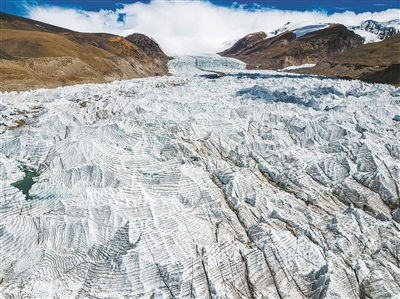
第二次青藏高原综合科学考察研究发布“十大应用成果”
Ren Min Ri Bao· 2025-12-03 03:32
Core Viewpoint - The second comprehensive scientific investigation of the Qinghai-Tibet Plateau has released "ten application results," which are crucial for ecological protection legislation, the establishment of a comprehensive observation and early warning platform, and the optimization of the national park system, thereby significantly contributing to the sustainable development of the region [1][2][3]. Group 1: Application Results - The "ten application results" include scientific support for ecological protection legislation, providing legal safeguards for the ecological barrier of the Qinghai-Tibet Plateau [3]. - A comprehensive Earth system observation and early warning platform has been established to support major projects and cross-border disaster prevention [3]. - An optimization plan for the national park system and natural protection areas has been proposed to scientifically support the establishment of related national parks [3]. - The assessment of major ecological projects in the Qinghai-Tibet Plateau has been conducted to strengthen the ecological safety barrier [3]. - An ecological protection and disaster avoidance plan for the Sichuan-Tibet Railway has been proposed to ensure the safety of major transportation projects [3]. - Innovative disaster prevention technologies for permafrost areas have been developed to support the construction of the Qinghai-Tibet Railway [3]. - The assessment of disaster risks in the Yarlung Tsangpo River basin has been conducted to support major hydropower projects [3]. - New breakthroughs in the status and prospects of mineral resources such as lithium, potassium, and oil and gas have been achieved to support the strategic resource base construction of the Qinghai-Tibet Plateau [3]. - A greenhouse gas monitoring network and the "Gongga" system have been established to continuously provide data for carbon accounting, aiding in the achievement of carbon neutrality goals [3]. - A new model for strengthening border security and development has been proposed, with scientific support for national land security [3]. Group 2: Scientific Contributions - The second comprehensive scientific investigation has published over 190 excellent scientific reports and 245 articles in top international academic journals, contributing significantly to scientific knowledge [4]. - The investigation has attracted participation from over 7,000 individuals across 222 organizations, focusing on ecological environment protection and sustainable development in the Qinghai-Tibet Plateau [5]. - The investigation has identified three environmental transformations that the Qinghai-Tibet Plateau has undergone, revealing its unique position as a biodiversity reservoir and its role in global climate change [7].
第二次青藏高原综合科学考察研究发布“十大应用成果” 为科学保护地球第三极提供参考(美丽中国)
Ren Min Ri Bao· 2025-12-02 23:02
Core Viewpoint - The second comprehensive scientific investigation of the Qinghai-Tibet Plateau has released "ten major application achievements," which are crucial for ecological protection legislation, the establishment of a comprehensive observation and early warning platform, and the optimization of the national park system, thereby revealing the mechanisms of environmental change in the region and promoting sustainable development [1][2]. Group 1: Major Achievements - The ten major application achievements include: - Comprehensive scientific support for ecological protection legislation on the Qinghai-Tibet Plateau [2] - Establishment of a comprehensive Earth system observation and early warning platform for major projects and cross-border disaster prevention [2] - Proposal for optimizing the national park system and natural protection areas [2] - Assessment of the positive effects of major ecological projects on the plateau [2] - Development of ecological protection and disaster avoidance plans for the Sichuan-Tibet Railway [2] - Innovation in disaster prevention technologies for permafrost areas [2] - Evaluation of disaster risks in the Yarlung Tsangpo River basin [2] - New breakthroughs in the status and prospects of mineral resources like lithium and potassium [2] - Continuous monitoring of greenhouse gases to support carbon accounting and climate change response [2] - Proposal for a new model for border security and development [2] Group 2: Scientific Contributions - The second comprehensive scientific investigation has published over 190 scientific reports and 245 articles in top international journals, contributing to public understanding through popular science books and videos [3]. - The investigation has involved over 3,000 scientific teams and more than 30,000 participants, focusing on ecological protection and sustainable development in the Qinghai-Tibet Plateau [4]. Group 3: Environmental Changes - The investigation has identified three environmental transitions in the Qinghai-Tibet Plateau, indicating that the region is currently undergoing its third transition, which enhances its water supply capacity and carbon sink potential [6]. - New discoveries of species and biodiversity highlight the plateau's unique status as a "biodiversity museum" and a "species cradle" in the Northern Hemisphere, providing critical evidence for understanding global biodiversity patterns [6].
为科学保护地球第三极提供参考(美丽中国)
Ren Min Ri Bao· 2025-12-02 22:33
Core Viewpoint - The second comprehensive scientific investigation of the Tibetan Plateau has released "ten major application results," which are crucial for ecological protection legislation, the establishment of a comprehensive observation and early warning platform, and the optimization of the national park system, thereby revealing the mechanisms of environmental change on the Tibetan Plateau and significantly contributing to its sustainable development [1][2]. Group 1: Major Application Results - The ten major application results include scientific support for ecological protection legislation, providing legal guarantees for the ecological barrier of the Tibetan Plateau [2] - Establishment of a comprehensive observation and early warning platform for the Earth system, aiding major projects and cross-border disaster prevention [2] - Proposal for the construction of a national park group and optimization of the natural protection area system, scientifically supporting the establishment of relevant national parks [2] - Assessment of the positive effects of major ecological projects on the Tibetan Plateau, reinforcing its ecological safety barrier [2] - Development of ecological protection and disaster avoidance plans for the Sichuan-Tibet Railway, ensuring the safety of major transportation projects [2] - Innovation in disaster prevention technology for permafrost areas, supporting the construction of the Qinghai-Tibet Railway [2] - Evaluation of disaster risks in the Yarlung Tsangpo River basin, serving major hydropower project construction [2] - Achievements in the assessment of mineral resources like lithium, potassium, and oil and gas, supporting the strategic resource reserve construction of the Tibetan Plateau [2] - Continuous monitoring of greenhouse gases through the Tibetan Plateau monitoring network, providing data for carbon accounting and climate change response [2] - Proposal of new models for border security and development, supporting the construction of national security barriers [2] Group 2: Scientific Contributions and Findings - The second comprehensive scientific investigation has published over 190 excellent scientific reports and 245 articles in top international academic journals, contributing to scientific communication and public understanding [3] - The investigation has involved over 3,000 scientific teams and more than 30,000 participants, covering the entire Tibetan Plateau and addressing various scientific tasks and topics [4] - New findings indicate that the Tibetan Plateau has undergone three environmental transformations, enhancing its role as Asia's water tower and increasing its carbon sink capacity, which supports national water resource security and carbon neutrality goals [6] - The investigation has revealed the unique status of the Tibetan Plateau as a "biodiversity museum" and "species cradle," providing critical evidence for understanding global biodiversity patterns [6]
第二次青藏科考:青藏高原还能再养活1307万人
Guan Cha Zhe Wang· 2025-11-25 11:40
Core Insights - The second comprehensive assessment of the Qinghai-Tibet Plateau indicates a potential carrying capacity of approximately 26.2 million residents, allowing for an increase of about 13.07 million from the current population of 13.13 million, highlighting significant development potential [1] - The research focuses on addressing major national strategic needs and has produced over 140 decision-making reports to support sustainable development in the region [1][2] Group 1: Research Achievements - The second Qinghai-Tibet scientific expedition has established a comprehensive observation network covering 19 key areas, integrating "air-space-ground" monitoring to facilitate a closed-loop transformation from science to policy to practice [2] - The urbanization rate of the Qinghai-Tibet Plateau is approximately 48%, with a potential increase of 9.67%, leading to a proposed urban development model based on "small gathering and large dispersal" [4] - The expedition has identified 10 differentiated green development models to support unique urbanization in the plateau [4] Group 2: Disaster Prevention and Ecological Protection - A multi-dimensional technological support system has been established, successfully issuing six warnings for ice avalanche disasters and optimizing transportation routes to avoid over 97% of mountain hazards [5] - The expedition has assessed the carbon sink capacity of the Qinghai-Tibet Plateau, estimating an annual carbon sink of 120 to 140 million tons, significantly exceeding local carbon emissions of about 55 million tons [5] Group 3: Biodiversity and Resource Exploration - The expedition has published over 3,000 new species, including 388 plants and 205 animals, and has created the largest glacier virus and bacteria gene collection globally [6] - In resource exploration, the expedition has identified 40 solid mineral prospecting areas and 110 brine lithium prospecting areas, alleviating reliance on foreign resources [7][8] Group 4: Environmental Transformation and Future Directions - The Qinghai-Tibet Plateau is undergoing a "third environmental transformation," characterized by global warming and human activities, with an increase in temperature at a rate of 0.37 degrees Celsius every decade, double the global average [9][10] - Future research will focus on green and livable development under the new environmental transformation, addressing water-carbon-health interactions and ensuring the safety of strategic mineral and biological resources [11][13]
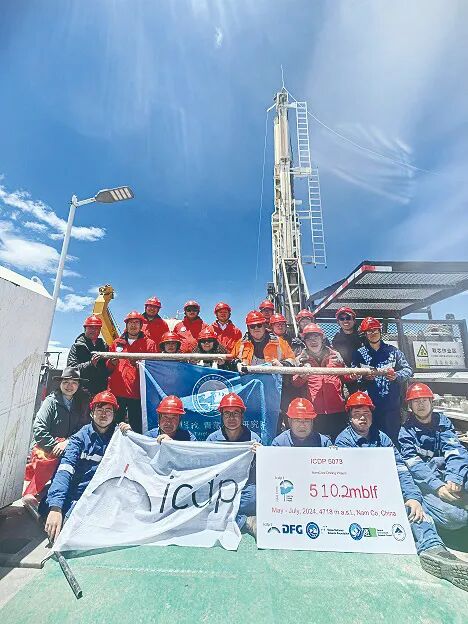
中国科学家:青藏高原隆升影响全球热量分配
Zhong Guo Xin Wen Wang· 2025-11-20 04:07
Core Viewpoint - Chinese scientists propose the "triple polar linkage" hypothesis, suggesting that the uplift of the Tibetan Plateau significantly influenced global heat distribution and climate change processes over millions of years [1][3]. Group 1: Tibetan Plateau Uplift - The Tibetan Plateau's northern region experienced rapid uplift between 12 million and 8 million years ago, altering atmospheric circulation and carbon cycling, which played a crucial role in global climate change [1][3]. - The second Tibetan scientific expedition detailed the uplift process of the Tibetan Plateau, highlighting that the central and southern parts rose rapidly from 40 million to 30 million years ago, while the northern and northeastern regions began significant uplift only from 12 million years ago [3][4]. Group 2: Climate and Ecological Impact - The uplift of the Tibetan Plateau has been linked to significant ecological changes, including the evolution of modern African savanna fauna originating from the northeastern edge of the plateau around 8 million years ago, and Arctic fauna tracing back to the plateau around 6 million years ago [3][4]. - The strong uplift in the northern Tibetan Plateau has driven significant aridification in inland Asia and global cooling, leading to a transformation of ecosystems from forests to deserts and salt lakes [4]. Group 3: Global Climate Dynamics - The uplift enhances the frozen zone, erosion, and dust nutrient transport, which boosts Pacific biological activity and organic carbon burial, contributing to global cooling and polar ice cap expansion [4]. - The northern uplift of the Tibetan Plateau is synchronized with the development of the Arctic ice cap, strengthening of westerlies and winter monsoons, and significant aridification in Asia, establishing the "triple polar linkage" [4]. Group 4: Future Research Directions - Future work aims to accurately reconstruct the uplift process and validate the "triple polar linkage" hypothesis through numerical simulations, which is crucial for understanding Earth's system responses in the context of current global warming [4].