
五个中心建设

Search documents
2030“五个中心”再跃升,2035基本建成国际大都市!上海市“十五五”规划《纲要》出炉
Guo Ji Jin Rong Bao· 2026-02-11 12:58
Core Objectives - Shanghai's "15th Five-Year Plan" aims for significant advancements in urban capabilities and competitiveness by 2035, with a goal of doubling per capita GDP compared to 2020 levels [3][5] - The plan emphasizes the development of "five centers" to enhance global positioning and resource allocation capabilities [4][8] Development Goals - The plan outlines key tasks and objectives for the "15th Five-Year" period, focusing on technological innovation, reform and opening-up, national strategic alignment, and modern urban governance [4][6] - Specific targets include achieving decisive progress in high-level institutional openness and improving the quality of life for residents [4][6] Key Indicators - The "15th Five-Year Plan" sets 20 core indicators, with 14 being anticipatory and 6 being binding, aimed at guiding economic and social development [6] - Indicators focus on economic growth, efficiency improvement, structural optimization, and enhancing the functions of the "five centers" [6] Major Initiatives - The plan includes 13 major initiatives categorized under "new momentum," "new space," and "new quality," aimed at enhancing urban core functions and competitiveness [8][10] - Initiatives for the international economic center focus on building a modern industrial system and promoting the digital and green transformation of traditional industries [8][9] Regional Development - The plan emphasizes the integration of the Yangtze River Delta region, promoting collaborative development and innovation [10] - It aims to optimize urban-rural spatial layouts and enhance infrastructure systems within the city [10] Quality of Life Improvements - The plan prioritizes cultural, ecological, and governance improvements to ensure high-quality living standards for residents [11] - Goals include enhancing public services in employment, housing, education, and healthcare, while also ensuring ecological sustainability [11]

乘势而上、全面发力,上海“十五五”规划《纲要》来了
Xin Lang Cai Jing· 2026-02-11 04:44
Core Viewpoint - The "15th Five-Year Plan" for Shanghai aims to enhance the city's global influence and modernize its economy and society, focusing on innovation, reform, and sustainable development [1][2]. Summary by Sections General Overview - The "15th Five-Year Plan" outlines Shanghai's development goals and key tasks for the next five years, emphasizing the importance of aligning with national strategies and local directives [1][2]. Key Tasks and Measures - The plan is structured into three parts: a general overview, key tasks and measures across 13 areas, and implementation guarantees [2]. - The guiding ideology includes "Four Emphases" and "Two Promotions and One Assurance," focusing on technological innovation, reform, national strategies, and modern urban governance [2]. Development Goals - By 2030, Shanghai aims to enhance its five core functions, improve living standards, and achieve significant reforms in key areas [3]. - By 2035, the city targets to double its per capita GDP from 2020 levels and fully establish itself as a world-class socialist modern metropolis [3][4]. Specific Indicators - The plan sets 20 main indicators, including 14 expected and 6 binding indicators, to guide economic and social development [3][4]. - Key indicators focus on economic growth, employment, income, housing, and green development [4]. Major Initiatives - The "Three News" framework includes new driving forces, new spaces, and new qualities, focusing on enhancing urban core functions and promoting high-quality development [5][6]. - Specific initiatives include building a modern industrial system, enhancing financial services, and promoting international trade and shipping [5][6][7]. Regional Integration - The plan emphasizes the integration of the Yangtze River Delta region, enhancing collaborative development and innovation [7][8]. Quality of Life Improvements - The plan aims to improve cultural, ecological, and governance aspects, ensuring a high quality of life for residents [8][10]. - Key areas include cultural innovation, public services, ecological sustainability, and urban governance modernization [8][10]. Infrastructure Development - The plan outlines the need for modern infrastructure, including transportation, energy systems, and urban renewal projects [44][45]. - Specific targets include expanding public transport and enhancing energy efficiency [44][45]. Environmental Goals - Shanghai aims to peak carbon emissions before 2030 and increase the share of renewable energy in its energy consumption [52][53]. - The plan includes measures for pollution control and enhancing green spaces [52][53]. Governance and Implementation - The plan emphasizes the importance of legal and regulatory frameworks to ensure effective implementation and monitoring [57][59]. - It aims to enhance government efficiency and public service delivery through digital transformation [56][57].

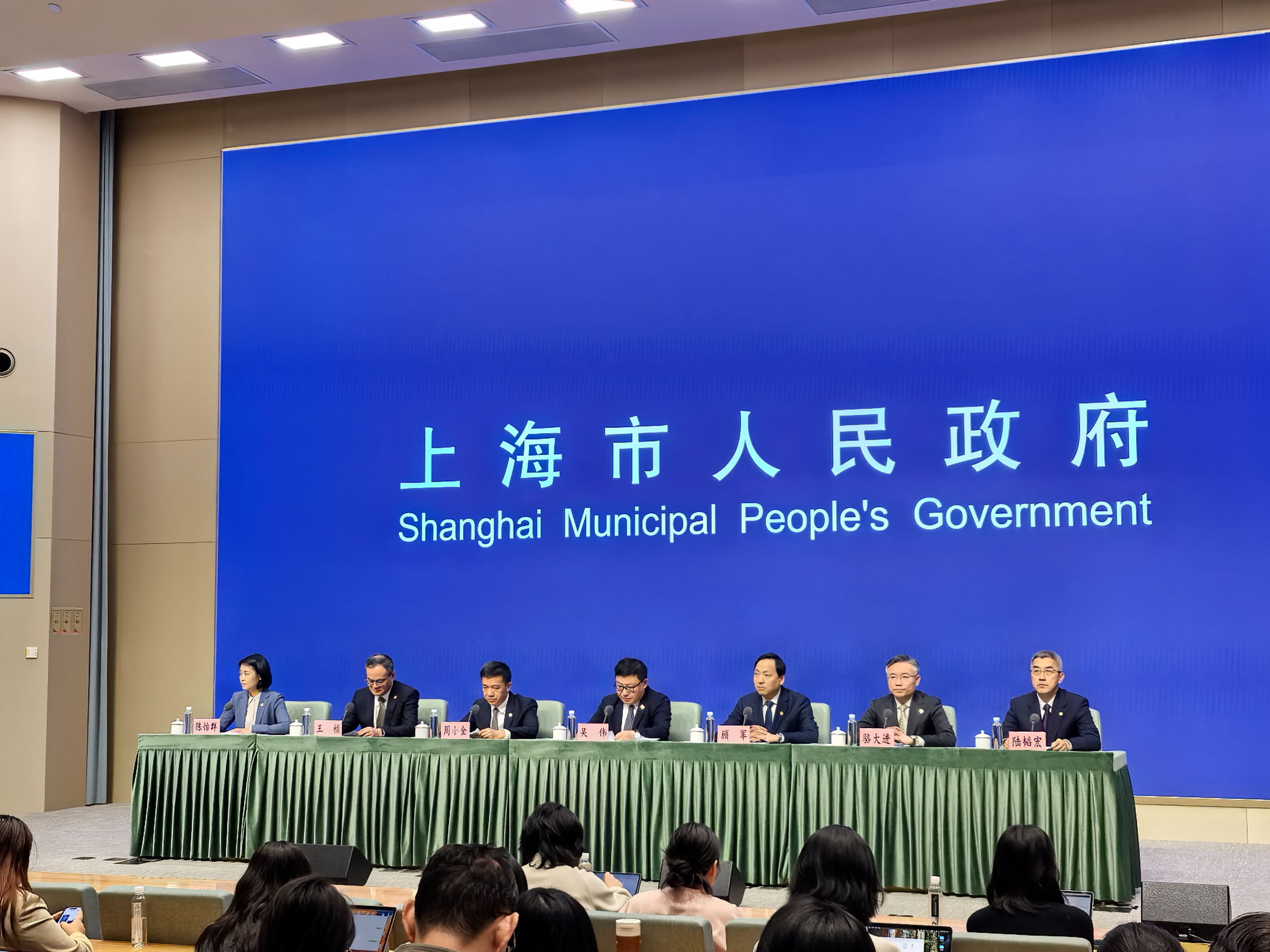
上海市人民政府主题记者会举行,市发展改革委负责人答记者问
Zhong Guo Fa Zhan Wang· 2026-02-10 04:25
Core Viewpoint - Shanghai aims to achieve a GDP growth rate of 5.4% in 2025, reaching a total GDP of 5.67 trillion yuan, while setting a target of around 5% growth for the current year as part of its "14th Five-Year Plan" and "15th Five-Year Plan" initiatives [4][5]. Group 1: Economic Development Strategies - The city will focus on five key areas to drive economic growth: deepening reform and opening up, promoting consumption and investment, nurturing new productive forces, enhancing service industry quality, and improving living standards [4][5]. - Shanghai plans to implement 184 major engineering projects with a total investment of 255 billion yuan to stimulate effective investment [4]. Group 2: Five Centers Construction - The construction of the "Five Centers" (International Economic, Financial, Trade, Shipping, and Technological Innovation Centers) is a strategic priority for Shanghai, with a focus on enhancing the city's global competitiveness [6][7]. - Specific initiatives include developing a modern industrial system centered on advanced manufacturing, particularly in sectors like integrated circuits, biomedicine, and artificial intelligence [6]. Group 3: International Financial and Trade Center Enhancements - Efforts will be made to strengthen Shanghai's position as an international financial center by enhancing its capabilities in risk management and expanding cross-border financial services [6]. - The city aims to upgrade its international trade center by attracting global supply chain management centers and supporting new trade formats such as cross-border e-commerce [7]. Group 4: Infrastructure and Innovation - Major infrastructure projects will be accelerated, including the development of the Yangshan North Port and the expansion of Pudong International Airport [7]. - The focus will also be on fostering a robust innovation ecosystem, supporting national laboratories, and promoting the application of significant technological achievements [7].
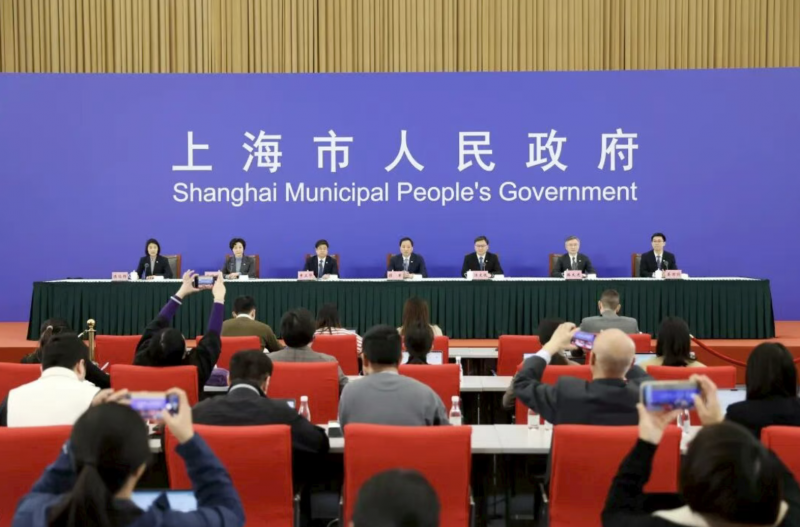
聚焦上海两会 | 市人代会六场专题审议,统一战线的代表们提了这些建议→
Xin Lang Cai Jing· 2026-02-09 00:44
Group 1: Accelerating the Construction of "Five Centers" - Representatives emphasized the need for mutual empowerment among the "Five Centers" to enhance urban capabilities and core competitiveness, focusing on industrial ecology, business environment optimization, youth innovation, and talent cultivation [3] - A proposal was made to establish an AI service platform for universities, research institutions, and SMEs, integrating AI capabilities with cross-border payment systems [3] - Suggestions included reforming academic credit systems to better align educational outcomes with industry needs, promoting vocational skills, and integrating high-skilled talent into the educational framework [3] Group 2: Enhancing the Scientific Innovation Ecosystem - There is a call for stronger collaboration between universities and enterprises to bridge the gap between basic research and industrial application, including the establishment of joint laboratories [5] - Recommendations were made to strengthen university technology parks and create entrepreneurial ecosystems around them, allowing for better integration with regional development [5] - The importance of developing domestic scientific instrument data standards and a data sharing evaluation mechanism was highlighted as a strategic resource for innovation [6] Group 3: Cultural Development as a City Brand - The integration of traditional cultural resources into modern industrial innovation systems was suggested to create cultural brands that reflect Chinese characteristics and Shanghai's uniqueness [8] Group 4: Improving Livelihoods and Social Welfare - The issue of "intended guardianship" was raised in response to the aging population, with suggestions to enhance professional guardianship organizations and streamline property management processes [10][11] - A proposal was made to establish a supervisory mechanism involving hospitals and community organizations to support the needs of the elderly living alone [11] Group 5: Promoting Green and Low-Carbon Transformation - The necessity of energy conservation and carbon reduction as key strategies for achieving carbon neutrality was emphasized, with suggestions to utilize high-quality agricultural products as carbon trading assets [12] Group 6: Modernizing Agriculture and Rural Development - Recommendations included promoting the integration of primary, secondary, and tertiary industries in rural areas, and developing new business models such as rural homestays and live-streaming for agricultural products [13] - The establishment of a cross-departmental coordination mechanism for rural revitalization was suggested to enhance policy collaboration and resource management [13] - The importance of agricultural technology innovation and attracting influential agricultural tech enterprises was highlighted to strengthen the agricultural sector [13]

上海,书写新一页传奇|上海两会
Guo Ji Jin Rong Bao· 2026-02-08 03:46
Core Insights - Shanghai aims for a GDP of 5.67 trillion yuan by 2025, with a growth rate of 5.4%, exceeding expectations [3] - The "15th Five-Year Plan" outlines a target of approximately 5% annual GDP growth over the next five years [13] Economic Performance - Shanghai's GDP increased from 4.16 trillion yuan to 5.67 trillion yuan during the "14th Five-Year Plan," marking a significant milestone as the first city in China to surpass a GDP of 5 trillion yuan [3] - The city's public budget revenue reached 850 billion yuan, with a growth of 1.5% [3] - The average urban unemployment rate was 4.2%, and consumer prices rose by only 0.1% [3] Industrial Development - R&D expenditure reached 4.5% of GDP, nearing levels of major innovative countries [4] - The output of strategic emerging industries grew by 6.5%, accounting for 45% of industrial output [4] - Key industries such as integrated circuits, biomedicine, and artificial intelligence surpassed a combined scale of 2 trillion yuan [4] Trade and Investment - Total foreign trade volume reached 4.51 trillion yuan, with exports growing by 10.8% [4] - Actual foreign investment amounted to 16.06 billion USD, equivalent to 114.8 billion yuan [4] Social Welfare - Per capita disposable income for residents reached 92,000 yuan, growing by 4.1% [6] - PM2.5 concentration averaged 26.3 micrograms per cubic meter, a decrease of 7.4% [6] - The city added 127 parks, achieving a total of 1,100 parks, with 89.4% open 24 hours [6] Strategic Initiatives - The construction of the "Five Centers" (international economic, financial, trade, shipping, and technological innovation centers) is a key strategic mission for Shanghai [7] - The eighth China International Import Expo achieved record participation and transaction amounts, with intent sales reaching 83.49 billion USD, a 4.4% increase [7] Future Outlook - The "15th Five-Year Plan" emphasizes the importance of technological innovation as a driving force for development [10] - Representatives expressed a strong desire for advancements in sectors like biomedicine, integrated circuits, and artificial intelligence [13] - The focus on enhancing the financial system to support innovation and industry integration is crucial for future growth [12]
上海市商务委主任:将着力塑造吸引外资新优势
Zhong Guo Xin Wen Wang· 2026-02-07 09:16
Group 1 - Shanghai has maintained a stable and high-quality foreign investment scale, with a target of 6,300 new foreign enterprises established by 2025, representing a year-on-year growth of 6.8% [1] - The city aims to enhance its attractiveness for foreign investment by aligning with international high-level economic and trade rules and expanding institutional openness [1] - Shanghai will support the transformation of foreign investment, focusing on advanced manufacturing, modern services, high-tech, and energy-saving industries [1] Group 2 - Shanghai is set to enhance its international financial center competitiveness by establishing a global RMB asset allocation center and risk management center [2] - The city will promote the upgrade of its international trade center, encouraging the establishment of global supply chain management centers and supporting new trade formats such as cross-border e-commerce [2] - Efforts will be made to deepen and innovate in service trade, digital trade, and offshore trade [2]
人代会收到68件代表议案
Xin Lang Cai Jing· 2026-02-07 07:21
Group 1 - The core viewpoint of the article highlights the submission of 68 representative proposals and 1317 suggestions during the Fourth Session of the 16th People's Congress, indicating active participation in legislative processes [1] - The proposals cover various sectors, including legal system, economic finance, education, urban construction, and social development, reflecting a broad range of concerns from representatives [1] - Key areas of focus in the proposals include accelerating the construction of "five centers," enhancing high-quality development, promoting legal guarantees in the Pudong leading area, improving people's living standards, and increasing urban governance efficiency [1]
【图解】动图解读!新鲜出炉的《2026年上海政府工作报告》亮点逐个数
Xin Lang Cai Jing· 2026-02-06 11:27
Economic Development Overview - Shanghai's GDP reached 5.67 trillion yuan, growing by 5.4%, exceeding expectations [5][29] - The city's general public budget revenue was 850 billion yuan, an increase of 1.5% [5][29] - The average urban unemployment rate was 4.2% [5][29] - Total R&D expenditure accounted for approximately 4.5% of GDP, with key industries like integrated circuits, biomedicine, and artificial intelligence exceeding 2 trillion yuan [5][29] Trade and Investment - Total foreign trade reached 4.51 trillion yuan, growing by 5.6%, with exports increasing by 10.8% [5][30] - The number of regional headquarters of multinational companies and foreign R&D centers accelerated, indicating a positive trend in foreign investment [5][30] Consumer and Retail Growth - Social retail sales increased by 4.6%, supported by various consumption-boosting initiatives [6][31] - The number of duty-free shops for outbound tax refunds grew by 136%, reaching 1,837 [6][31] Infrastructure and Urban Development - Fixed asset investment grew by 4.6%, with major project investments totaling 251 billion yuan, marking a 5.3% increase [6][31] - Significant infrastructure projects included the construction of 47 major industrial projects and the expansion of metro lines [6][31] Five Centers Development - The construction of a modern industrial system is underway, focusing on high-end medical devices, smart terminals, and commercial aerospace [7][32] - The financial sector saw the establishment of new investment funds and an increase in licensed financial institutions to 1,813 [7][32] - The Shanghai port maintained its position as the world's largest container port, with a throughput of 55.06 million TEUs [7][32] Technological Innovation - The city is promoting high-quality construction of national laboratories and has established new verification platforms and incubators [8][33] - The total value of technology contracts reached 649.68 billion yuan, growing by 24.9% [8][33] Regional Integration and Collaboration - The Yangtze River Delta integration is advancing, with the establishment of a manufacturing alliance and the implementation of 12 key cooperation projects [9][35] - The city is enhancing its role as a hub for international trade and innovation, with new policies supporting cross-border trade and investment [9][35] Social Welfare and Employment - The city added 64,100 new jobs, with a focus on employment support policies [11][37] - New community services and facilities were established, including 3,852 new elderly care beds and 336 community service stations [11][37] Environmental and Urban Management - The city is enhancing its ecological footprint with new green spaces and waste management facilities [10][36] - Urban renewal projects are accelerating, with significant improvements in community living conditions and infrastructure [10][36]
上海两会观察:专题审议频现“抢话筒”,代表为上海“挑大梁”竞相献计 | 大江东
Guo Ji Jin Rong Bao· 2026-02-06 05:25
Group 1: AI and Industry Integration - Shanghai should build key points for the integration of AI achievements and industry [5][6] - The city aims to enhance AI capabilities and public data to support industry integration [5][7] - There is a need for a public data platform for AI industry integration to support small and medium enterprises [5][9] Group 2: Cultural and Economic Development - Cultural exhibitions, such as the "Pyramid Summit: Ancient Egyptian Civilization Exhibition," have significantly boosted local economy, attracting over 2.77 million visitors [5][6] - The integration of cultural products is essential for enhancing the city's soft power and economic growth [5][11] - Shanghai's international financial and shipping centers should leverage cultural tourism to retain consumer spending [5][6] Group 3: Technological Innovation and Collaboration - There is a need to improve collaboration between research institutions and industries to bridge the gap between basic research and industrial application [7][9] - The government should shift from a subsidy mindset to a customer-oriented approach to enhance market-driven innovation [8][9] - Strengthening the financial ecosystem to support technological innovation is crucial for Shanghai's development [9][10] Group 4: Social Welfare and Community Support - Addressing the needs of vulnerable groups, such as the elderly and single residents, is a priority for improving social welfare [11][12] - Establishing a collaborative mechanism among hospitals, communities, and law enforcement is essential for emergency support for isolated individuals [11][12] - The integration of technology in community services can enhance the quality of life for the elderly and disabled [12][13] Group 5: Environmental Sustainability - Continuous efforts in ecological governance are necessary for sustainable urban development [15][16] - Enhancing public access and services along the Huangpu River is vital for creating a world-class waterfront area [16][17] - Establishing a comprehensive wetland protection system and improving ecological governance mechanisms are recommended [16][17]
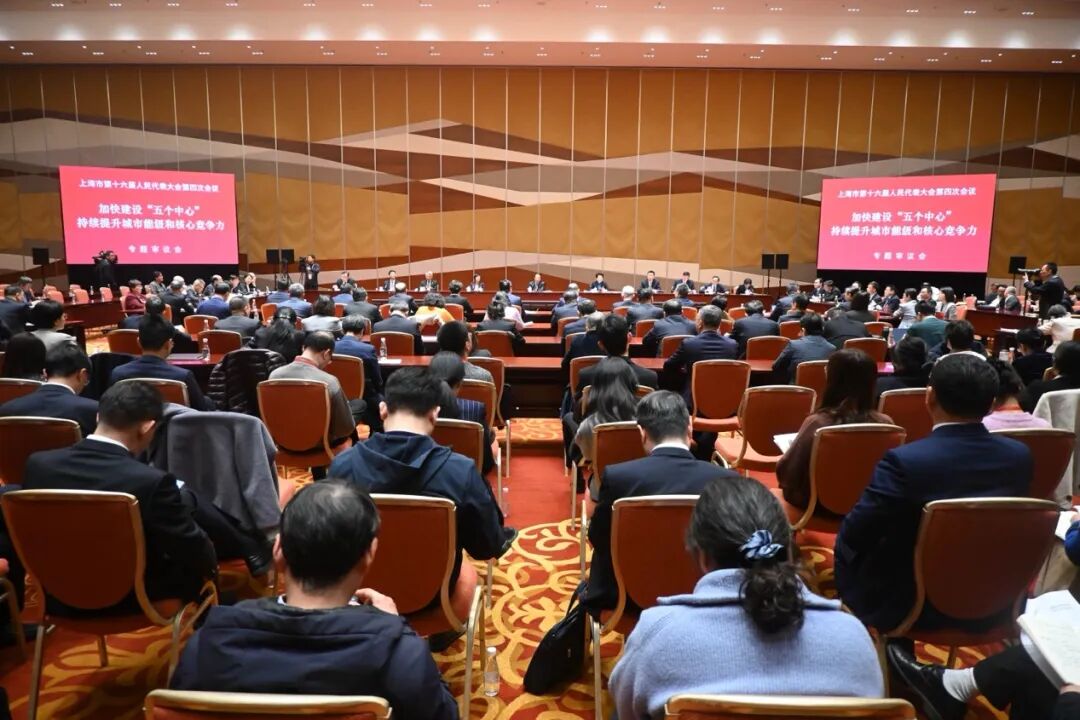
上海两会观察:专题审议频现“抢话筒”,代表为上海“挑大梁”竞相献计
Guo Ji Jin Rong Bao· 2026-02-06 03:32
Group 1: AI Integration and Industry Development - Shanghai should build key integration points for AI achievements and industry fusion, leveraging AI computing power and public data [4] - The demand for computing power driven by AI applications, such as AI smart glasses, is expected to become a new growth point in the computing market [6] - There is a need to optimize incubator policies to support the transformation of scientific research into industrial applications, enhancing collaboration between research institutions and enterprises [6][7] Group 2: Cultural and Economic Growth - High-quality cultural exhibitions, such as the "Pyramid Summit: Ancient Egyptian Civilization Exhibition," have significantly boosted Shanghai's economy, demonstrating the strong impact of cultural soft power [3] - The integration of the international financial center and international shipping center is crucial for Shanghai's economic growth, with inbound tourism contributing approximately $15 billion in consumer spending, a 35% increase year-on-year [2] Group 3: Social Welfare and Urban Development - Discussions highlighted the need for a coordinated mechanism to support vulnerable groups, such as the elderly and those living alone, emphasizing the importance of community support systems [10][11] - The ecological governance of Shanghai is transitioning from a "battle" phase to a "sustained" phase, requiring continuous improvement in scientific and systematic governance [12][13]