
人才军备竞赛

Search documents
大规模涨薪,这些车企的员工太爽了!
汽车商业评论· 2026-03-21 23:06
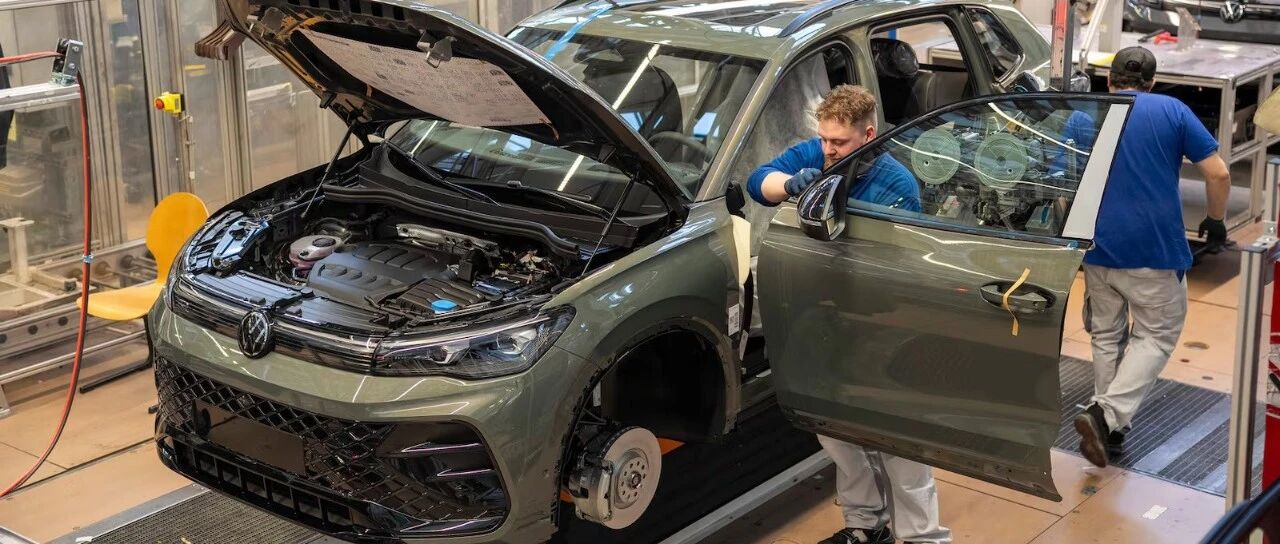
Group 1 - The core point of the article highlights a surprising trend in the automotive industry where companies are increasing employee compensation despite facing financial challenges, indicating a shift in how labor value is perceived [6][36][42] - Volkswagen plans to lay off about 50,000 employees in Germany by 2030 but simultaneously announced a one-time bonus of €1,250 for its employees in Germany as recognition for their work last year [3][7] - Toyota has fully met union demands for the sixth consecutive year, offering a maximum salary increase of ¥21,580 and a one-time bonus equivalent to 7.3 months' salary, showcasing the industry's commitment to employee compensation despite external pressures [5][36] Group 2 - In the U.S., Volkswagen agreed to a temporary labor agreement with the United Auto Workers, providing a 20% salary increase and a $6,550 bonus for employees at its Tennessee plant, reflecting a willingness to invest in workforce stability [7][9] - Ford, despite reporting a net loss of $8.2 billion for 2025, announced an increase in employee bonuses to 130%, emphasizing quality improvements over short-term financial performance [10][12][14] - Ferrari, despite a decline in vehicle deliveries, reported a 12% increase in operating profit, offering bonuses of up to €14,900 to eligible employees, demonstrating the luxury brand's unique market position [18][19] Group 3 - In China, companies like CATL and Chery are also increasing salaries significantly to attract talent, with CATL raising salaries for core R&D positions by up to ¥2,000 per month and Chery implementing an average salary increase of about 10% [21][25][28] - The article notes that the automotive industry is experiencing a "talent arms race," with companies competing aggressively for high-quality talent, particularly in advanced technology fields [34][40][41] - The global labor shortage is a driving factor behind these salary increases, as companies recognize the need to invest in human capital to enhance their competitiveness [36][39]


AI“人才军备竞赛”开启,字节涨薪抢人锁定胜局
Hua Er Jie Jian Wen· 2025-12-24 10:36
Group 1 - The core point of the article is that ByteDance has initiated a significant salary reform to enhance its competitiveness in the global AI talent market, increasing bonus investments by 35% and salary adjustments by 1.5 times [2][3][8] - This salary reform marks a new phase in the competition for talent within the Chinese internet industry, as AI technology transitions from a "tool" to a "foundation" [2][3] - ByteDance's CEO acknowledged the company's previous lag in AI development and has committed to substantial investments in AI, with capital expenditures projected to reach 800 billion RMB in 2024 and 1500-1600 billion RMB in 2025 [6][8] Group 2 - The company has increased the performance evaluation cycle for bonuses by 35% and raised salary adjustment investments by 1.5 times compared to the previous cycle [8] - The new salary structure includes a clearer career development path with a revised 10-level system, allowing for greater salary increases even without promotions [8][11] - The AI talent competition is intensifying, with a reported 10-fold increase in new AI job postings in the first half of 2025, leading to an average monthly salary of 61,475 RMB for AI positions, a 4.33% increase year-on-year [13][15] Group 3 - ByteDance's salary increase is part of a broader trend in the AI talent war, where companies are investing heavily to secure top talent, with Alibaba planning to invest over 380 billion RMB in AI and cloud infrastructure over the next three years [15][16] - The competition for AI talent is not just about salaries but also about strategic investments in future technology and market positioning, as companies recognize the critical importance of AI talent for defining the next technological era [15][16] - The article highlights that the battle for AI talent is a strategic arms race, with companies like Meta and Tencent also actively recruiting top talent, indicating a significant shift in the industry landscape [15][16]

AI顶尖人才工资超过两个詹姆斯?他们以后还会拿更多
虎嗅APP· 2025-07-04 13:50
Core Viewpoint - The AI industry is increasingly resembling professional sports, with significant financial backing and high salaries for top talent, leading to a competitive landscape where talent acquisition is crucial for success [1][3]. Group 1: Talent Acquisition and Compensation - Major tech companies like Meta are offering exorbitant salaries and signing bonuses, with reports of offers reaching up to $100 million for top talent, comparable to the salaries of sports stars [2][5]. - The competition for AI talent has shifted from computational power to human capital, with the industry's narrative now focusing on the importance of top-tier talent rather than just computational resources [3][4]. - The value of top talent in AI is non-linear, with the best researchers being exponentially more productive than their peers, leading to a talent arms race among companies [5][6]. Group 2: Market Dynamics and Future Outlook - The current high salaries reflect a prepayment for future potential rather than compensation for realized value, indicating that the AI ecosystem's commercial value is still largely untapped [8][9]. - The market for AI talent is characterized by high liquidity, necessitating continuous and attractive compensation packages to retain key personnel [8][9]. - As the AI market matures, the potential rewards for successful talent acquisition could increase significantly, with the expectation that AI will become a multi-trillion dollar opportunity [9]. Group 3: Strategies for Smaller Companies - Smaller companies are employing strategies such as global recruitment and emphasizing non-monetary incentives to attract talent, avoiding direct competition with larger firms [10]. - Some companies are leveraging data analysis to identify untapped talent from adjacent fields, akin to the strategies used in sports to find undervalued players [10].


AI顶尖人才工资超过两个詹姆斯?他们以后还会拿更多
Hu Xiu· 2025-07-04 03:44
Core Insights - The AI industry is increasingly resembling professional sports, with significant financial backing from major players like Microsoft, Google, and Meta [1] - Top AI researchers, akin to star athletes, command exorbitant salaries, sometimes reaching hundreds of millions, reflecting a shift in talent valuation [2][14] - The employment contracts in AI are typically short-term and highly fluid, allowing for easy poaching of talent [3] Talent Dynamics - The key competitive factor in the AI industry has shifted from computational power to talent acquisition [6][7] - New entrants in the AI space are focusing on top talent and algorithm improvements rather than just computational scale [7] - The efficiency of top AI researchers is exponentially greater than that of average engineers, with claims of a 10,000x difference in productivity [10] Financial Implications - The current high salaries for AI talent are seen as prepayments for future potential rather than returns on realized value, indicating that the market is still in its early stages [15] - Salaries for top AI talent have increased by approximately 50% since 2022, reflecting a rapidly rising valuation of their contributions [16] Competitive Strategies - Smaller companies are employing strategies like global recruitment and emphasizing non-monetary incentives to attract talent [17] - The competition for talent is fierce, with companies needing to continuously offer attractive compensation packages to retain key personnel [16] Market Trends - The AI talent market is characterized by high liquidity, meaning no company can feel secure in its talent pool [16] - The ultimate rewards for winning in the AI space are expected to drive continued increases in talent compensation [16]