人才生态体系

Search documents
比亚迪近3年累计招录5万多名应届大学生—— 构建全链条人才生态体系
Jing Ji Ri Bao· 2026-02-26 02:23
Group 1 - Talent is the source of innovation and a valuable asset for companies, with BYD establishing a comprehensive talent ecosystem through large-scale campus recruitment, school-enterprise cooperation, and multi-faceted collaboration with the government [1] - Over the past three years, BYD has recruited more than 50,000 fresh graduates, with a high proportion of master's and doctoral candidates at 70%, and nearly 80% of these positions are in R&D [1] - BYD's chairman emphasizes that the company's 30-year journey is driven by talent, which has been crucial for technological innovation and achieving industrial dreams [1] Group 2 - BYD collaborates with government departments to enhance employment opportunities, utilizing local talent subsidies and support policies to broaden recruitment channels and reduce costs [2] - The company has established an emergency collaboration mechanism with government support to quickly respond to labor shortages during peak hiring times [2] - BYD actively engages with various universities through national project applications and joint laboratories, fostering deep collaborative training mechanisms and has trained over 1,600 master's, doctoral, and postdoctoral candidates in partnership with more than 10 universities [2] Group 3 - To retain talent, BYD has over 120,000 R&D personnel, with more than half coming from campus recruitment, and has developed a "Tomorrow Star" training program for fresh graduates [3] - The company employs a mentorship system to help new hires quickly adapt and improve their professional skills through various training methods [3] - BYD addresses the skills shortage by implementing a comprehensive talent selection, training, and retention process, with over 50% of its skilled labor needs met through internal training [3]

构建全链条人才生态体系
Zhong Guo Jing Ji Wang· 2026-02-25 22:00
Core Viewpoint - Talent is the source of innovation and a valuable asset for companies, with BYD establishing a comprehensive talent ecosystem through large-scale campus recruitment, school-enterprise cooperation, and multi-faceted collaboration with the government [1][2]. Group 1: Talent Recruitment - In the past three years, BYD has recruited over 50,000 fresh graduates, with a high proportion of master's and doctoral candidates at 70%, and nearly 80% of these positions are in R&D [1]. - BYD collaborates with government departments to enhance recruitment precision and coverage, effectively broadening recruitment channels and reducing costs [2]. Group 2: Talent Development - BYD has over 120,000 R&D personnel, with more than half coming from campus recruitment, and has established a "Tomorrow's Stars" training camp for fresh graduates to support their career growth [3]. - The company employs a mentorship system for one-on-one guidance, helping new hires quickly adapt and improve their professional skills through various training methods [3]. Group 3: Talent Retention - To address the shortage of skilled workers, BYD has implemented a comprehensive talent selection, training, and retention process, including a "master-apprentice" model for critical skill positions [3]. - BYD has resolved over 50% of its skilled labor needs through internal training programs [3]. Group 4: Industry Impact - BYD's initiatives not only support its rapid growth but also contribute to the output of a large number of professionals in the new energy sector, highlighting the role of leading companies in stabilizing the job market and upgrading the industry [4].
比亚迪近3年累计招录5万多名应届大学生——构建全链条人才生态体系
Jing Ji Ri Bao· 2026-02-25 21:40
Core Insights - Talent is the source of innovation and a valuable asset for companies, with BYD establishing a comprehensive talent ecosystem through large-scale campus recruitment, school-enterprise cooperation, and diverse collaboration with the government [2][3] Group 1: Talent Recruitment and Development - Over the past three years, BYD has recruited more than 50,000 fresh graduates, with a high proportion of master's and doctoral candidates at 70%, and nearly 80% of these positions are in R&D [2] - BYD's chairman emphasized that half of the general managers directly under his supervision have grown from fresh graduates, highlighting the company's commitment to nurturing talent from within [2] - The company has developed a "Tomorrow Star" training camp for fresh graduates, utilizing a phased training mechanism and a mentorship system to enhance their professional skills [4] Group 2: Collaboration with Government and Educational Institutions - BYD collaborates with government departments to enhance recruitment precision and coverage, effectively broadening recruitment channels and reducing costs [3] - The company actively participates in government employment service platforms and has established an emergency collaboration mechanism for rapid workforce adjustment during peak hiring periods [3] - BYD has partnered with over 10 universities to jointly cultivate more than 1,600 master's, doctoral, and postdoctoral candidates through various collaborative models [3] Group 3: Addressing Skill Shortages - BYD has over 120,000 R&D personnel, with more than half coming from campus recruitment, and has implemented a comprehensive approach to address the shortage of skilled workers [4] - The company employs a mentorship model for critical skill positions and customized training programs for general skill roles, achieving over 50% of its skilled labor needs through internal training [4] - These initiatives not only support BYD's rapid growth but also contribute significantly to the stability of the employment market and the upgrading of the industry [4]

何源:构建人才生态体系,推动AI与产业深度融合
Nan Fang Du Shi Bao· 2026-02-05 07:45
Group 1 - The core viewpoint emphasizes the transformation of Huizhou from a "talent lowland" to a "talent highland" during a critical period, focusing on the development of the Greater Bay Area's intelligent creation base and talent cultivation in the AI industry [1] Group 2 - Huizhou's strategy to build an intelligent creation base relies on creating a collaborative innovation ecosystem that integrates education, research, and industry, with universities and research institutes acting as strategic points to connect resources from Hong Kong and Macau [2] - Specific suggestions include establishing characteristic colleges and research platforms in collaboration with Hong Kong and Macau universities, creating international schools, developing a collaborative education mechanism with local industries, and leveraging the European and American Alumni Association to facilitate regular exchange activities [2] Group 3 - To address talent issues, a healthy talent ecosystem is needed that attracts, retains, and utilizes talent effectively, with a focus on high-quality education for children, particularly in science and technology [3] - Huizhou is promoting the establishment of technology-oriented high school classes to create a systematic talent cultivation model, leveraging unique resources in "AI + nuclear energy" and local leading enterprises [3] Group 4 - The development of the AI industry requires proactive government involvement to bridge the gap between industry needs and research outcomes, emphasizing the importance of integrating innovation demands from industries with technological advancements from research and education [4] - The establishment of a dedicated institution to coordinate AI and robotics industries is seen as a forward-looking initiative, with plans to create an AI research institute in Huizhou in collaboration with Hong Kong and Macau universities [4] - The approach to AI empowerment should be gradual, focusing on building internal innovation capabilities while attracting external talent, thus creating a virtuous cycle of innovation and talent development [4]
如何破局期货人才结构性短缺?一文讲清楚!
Qi Huo Ri Bao· 2025-12-28 23:14
Core Insights - The futures industry in China is facing a talent shortage despite high demand, with nearly 90,000 professionals needed by October 2025, leading to challenges in recruitment and retention [1][2] Group 1: Talent Supply and Demand - There is a mismatch between the supply and demand of talent, as many finance graduates aspire to roles like traders or analysts, while the industry primarily requires sales-oriented positions [2] - The industry lacks composite talents who understand both finance and technology, particularly in specialized areas like risk control and compliance [2] - The overall compensation in futures companies is less competitive compared to securities firms and funds, contributing to high turnover rates among new hires [2][3] Group 2: Talent Development Initiatives - The industry is actively working to build a new talent ecosystem, with initiatives like the "Futures Industry Education Integration Alliance" to bridge the gap between education and industry needs [2][3] - Companies like Yong'an Futures and Zhonghui Futures are implementing multi-level training systems to enhance employee retention and engagement [3][6] - The industry is promoting a full career-cycle training system that includes new skills relevant to digital transformation, such as financial technology and artificial intelligence [3] Group 3: Social Responsibility and Recruitment - Zhonghui Futures has been focusing on campus recruitment as a means to fulfill industry responsibilities and support national employment initiatives, particularly targeting students from rural revitalization areas [4][5] - The company has successfully recruited 132 graduates over eight years, with nearly 50% coming from poverty-stricken or key rural revitalization areas, positioning itself as a leader in this effort within the futures industry [4][7] Group 4: Employee Integration and Growth - Zhonghui Futures has developed a comprehensive training program for new hires, particularly those from rural areas, to facilitate their integration into the company and the industry [6] - The training includes various aspects such as company culture, market fundamentals, and practical skills, ensuring a well-rounded onboarding experience [6][7] Group 5: Long-term Vision and Values - The company emphasizes that talent is the primary resource for sustainable development, and it aims to align its growth with national strategies [7] - Zhonghui Futures is committed to maintaining a culture of professionalism, hard work, and social responsibility, leveraging its advantages in futures tools and platforms to serve the real economy [7]
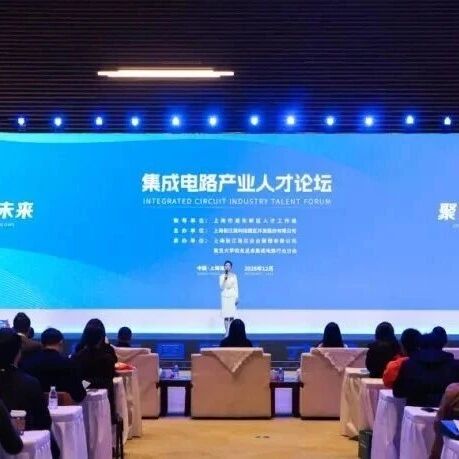
聚智引领,筑梦“芯”未来——2025浦东集成电路产业人才论坛成功举办
半导体行业观察· 2025-12-07 02:33
Core Viewpoint - The forum aims to promote the integration of industry, academia, and research in the integrated circuit sector, enhancing talent development and driving high-quality growth in the industry [2][23]. Group 1: Policy and Talent Development - The forum was guided by the latest talent policies presented by the Pudong New Area Talent Work Bureau, emphasizing the commitment to creating an international talent development hub [4]. - The event highlighted the importance of policy empowerment for the industry and attracting talent through a robust ecosystem [4]. Group 2: Innovation in Materials - The Secretary-General of the Integrated Circuit Materials Innovation Consortium, Feng Li, discussed the critical role of material innovation in enhancing chip performance in the AI era, sharing recent advancements and future industrial applications [7]. Group 3: Education and Talent Training - Yan Na, Vice Dean of the Microelectronics Institute at Fudan University, addressed the disconnect between higher education talent training and actual industry needs, presenting innovative practices for deep integration of industry and education [10]. Group 4: Technological Advancements - Xiong Yinjian, co-founder and chairman of Light-based Technology, introduced the principles and advantages of optical computing, proposing it as a new technological path to meet the computational challenges of the post-Moore era [13]. Group 5: Domestic Chip Development - Xiong Haifeng, chairman of Shanghai Taixi Microelectronics Co., analyzed the challenges and opportunities faced by domestic chips in entering the highly reliable automotive supply chain, showcasing local enterprises' determination and capabilities [16]. Group 6: Talent Data Insights - Zheng Tingyu, Chief Expert at Zhilian Recruitment, released a report on talent trends in the integrated circuit industry, providing critical data on talent mobility, skill demands, and salary structures to aid strategic decision-making for companies and individuals [19]. Group 7: Collaborative Strategies - A roundtable discussion focused on the need to break down organizational and disciplinary barriers to build a talent ecosystem that fosters deep integration of industry and education, essential for cultivating strategic talent at scale [22]. Group 8: Industry Ecosystem Development - Zhangjiang Hi-Tech, as the only full-industry chain service platform in Pudong, is committed to developing the integrated circuit industry, having gathered over 600 design companies and attracting major global chip design firms to establish regional headquarters and R&D centers [24]. - The company has implemented a talent service system that includes extensive recruitment efforts and partnerships with over 100 universities, providing comprehensive support for innovation and talent retention [27].