价格重构

Search documents
刘强东砸50亿杀进游艇业,创立Sea Expandary,游艇真能平民化?
Sou Hu Cai Jing· 2026-02-26 04:20
Core Perspective - Liu Qiangdong's personal investment of 5 billion yuan in the yacht industry aims to create affordable yachts priced at 100,000 yuan, targeting the working class and challenging the luxury market [1][2]. Group 1: Background and Motivation - Liu Qiangdong's family history as "century-old boatmen" adds a personal narrative to the venture, reflecting a return to roots and a blend of sentiment with business [2][3]. - The project represents a transformation of traditional boat culture into a modern business model, aiming to revitalize a marginalized industry [2]. Group 2: Market Disruption Potential - The current price range for mid-range small yachts in China is between 500,000 to 1 million yuan, making them unaffordable for average consumers [5]. - The initiative seeks to reconstruct pricing by leveraging e-commerce supply chain strategies to reduce costs and make yachts accessible as family consumer goods [5][6]. - Challenges include reliance on imported core technologies and insufficient infrastructure for yacht docking, which could hinder market penetration [5]. Group 3: Strategic Ecosystem and Growth - Although Liu emphasizes that Sea Expandary is a personal investment, the influence of JD.com’s logistics and data capabilities could provide a competitive edge [8]. - The integration of JD.com’s supply chain and user analytics may enhance operational efficiency and market targeting for the new brand [8]. - The yacht industry could represent a new growth avenue for JD.com as traditional e-commerce faces saturation, potentially creating a multi-billion market [8]. Group 4: Broader Lifestyle Impact - The venture aims to redefine water-based leisure activities, promoting a shift in consumer habits towards yacht culture [10]. - Sea Expandary could drive technological advancements in domestic manufacturing, reduce dependency on imports, and stimulate related industries such as marina development and water entertainment [10]. - The success of the 100,000 yuan yacht could signify a major shift from luxury to utility, similar to the evolution of mobile phones from luxury items to everyday tools [10]. Conclusion - Liu Qiangdong's yacht dream represents an experimental approach to transforming traditional manufacturing through internet-driven strategies, embodying the entrepreneurial spirit of innovation and possibility in the business landscape [11].


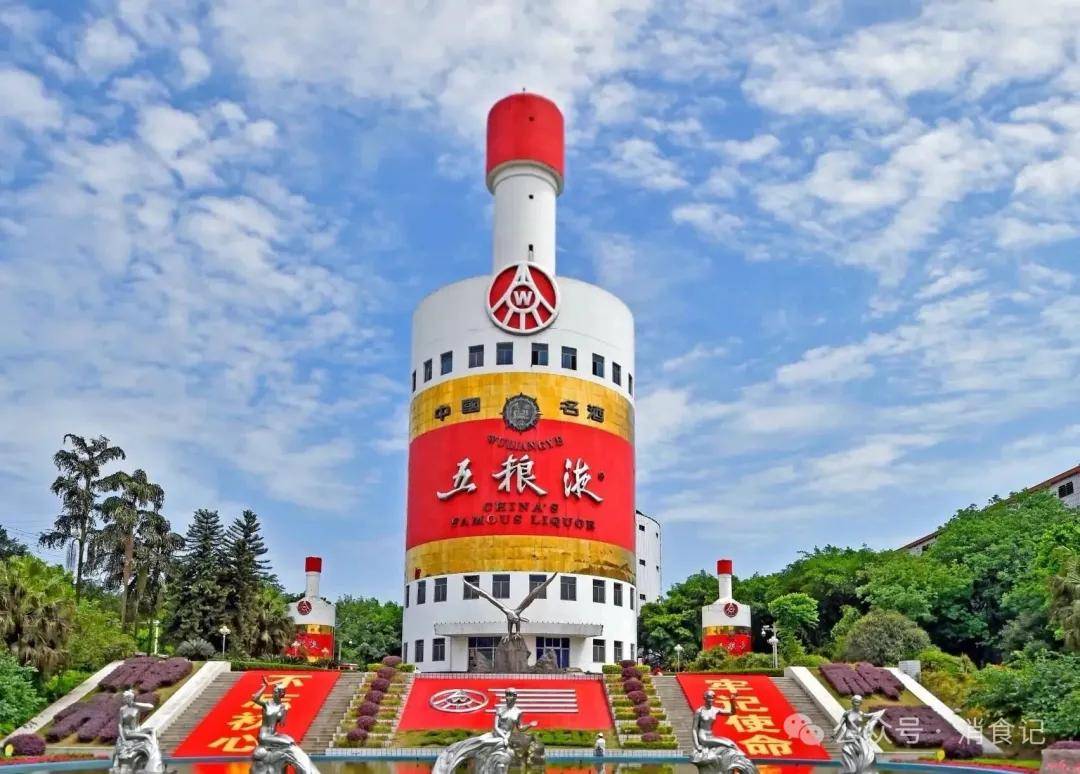
五粮液第八代普五开票价直降:白酒行业价格重构浪潮下的深度剖析
Sou Hu Cai Jing· 2025-12-11 18:59
Core Insights - The core point of the articles is that the Chinese liquor industry is undergoing a significant transformation, marked by Wuliangye's decision to reduce the price of its flagship product, the eighth generation of Pu Wu, from 1019 yuan to 900 yuan per bottle, indicating a shift from "bubble prosperity" to rationality in the market [1][2]. Industry Overview - The liquor industry entered a golden growth period in 2015 but faced a cyclical turning point in 2022 due to macroeconomic slowdown, insufficient consumer confidence, and regulatory pressures, leading to sustained pressure on high-end liquor pricing [2]. - The average inventory turnover days in the industry have risen to 900 days, with channel inventory levels reaching 5-6 months, significantly exceeding healthy levels [2]. Pricing Strategy - Wuliangye's price reduction is seen as a strategic move to accelerate inventory digestion and shift products from the channel to the consumer end, utilizing policies like "instant discounts + consumer bottle-opening QR code rewards" to bind subsidies with terminal sales [2][3]. - This approach contrasts with previous industry adjustments that led to significant revenue declines, showcasing improved channel management capabilities [2]. Market Dynamics - The industry is transitioning from "channel push sales" to "demand-driven sales," allowing distributors to focus more on consumer engagement and enhancing the consumption experience [3]. - Wuliangye's pricing decision is expected to influence competitors like Guojiao 1573 to adopt similar channel support policies, leading to a normalization of implicit discounts in the industry [3]. Competitive Landscape - Following Wuliangye's price cut, the price gap with Moutai has narrowed, potentially triggering a downward adjustment in the high-end liquor price range, affecting brands like Luzhou Laojiao and Yanghe [3][4]. - The top six companies in the industry now account for 87.6% of total revenue, indicating a strengthening of the "Matthew Effect" where larger firms gain market share at the expense of smaller brands [4]. Consumer Trends - While the price reduction may stimulate short-term demand, long-term consumer preferences are shifting towards value and quality, with younger generations showing increased interest in lower-alcohol and fruit-based beverages [4]. - Traditional high-end liquor brands need to innovate in product development and marketing strategies to attract new consumer demographics [4]. Future Outlook - The timing of the industry's recovery is anticipated to depend on economic recovery and genuine consumer revival, likely around the 2026 Spring Festival [6]. - Wuliangye's price reduction is both a pragmatic response to industry cycles and a strategic choice for transformation, emphasizing the need for companies to balance short-term survival with long-term development [6].