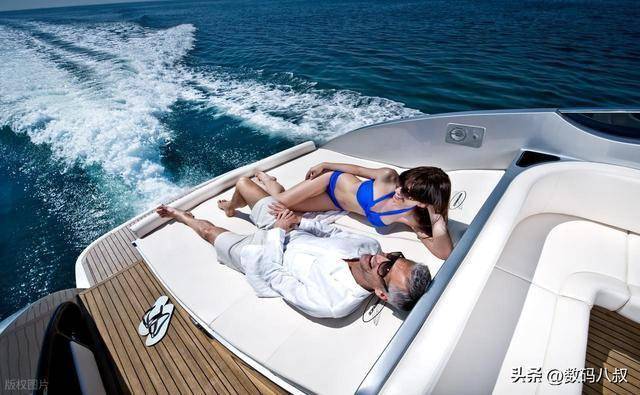
游艇

Search documents
刘强东旗下公司投资150亿元在大连造游艇;驭星三号06星柔性机械臂在轨操作试验任务完成丨智能制造日报
创业邦· 2026-03-27 07:18
Group 1 - The flexible robotic arm of Yuxing No. 3 satellite 06 has successfully completed its in-orbit operation test, marking a significant breakthrough in China's commercial space service technology [2] - The successful launch of the Siwei Gaojing No. 05 and 06 satellites was achieved using the Long March 2D rocket, marking the 634th flight of the Long March series [2] - Liu Qiangdong's company has invested 15 billion yuan to establish a yacht manufacturing base in Dalian, focusing on the production and operation of high-end customized yachts [2] Group 2 - SK Hynix is considering adopting TSMC's 3nm process for its HBM4E logic chips to narrow the performance gap with Samsung Electronics, although analysts warn of potential risks related to production timelines and costs [2]



自然资源部:游艇、海钓等休闲娱乐活动消费潜力大
Zheng Quan Ri Bao Wang· 2026-03-16 06:40
Group 1 - The Ministry of Natural Resources and the National Forestry and Grassland Administration have jointly issued a notification to enhance the guarantee of natural resource elements for key construction projects during the 14th Five-Year Plan period [1] - The notification includes thirteen policy measures aimed at optimizing land space layout, improving resource allocation efficiency, ensuring the development and utilization of mineral resources, and promoting integrated development [1] - The development of marine leisure activities such as yachting and sea fishing is highlighted as a significant growth point for the marine cultural tourism industry during the 14th Five-Year Plan period, driven by rising consumer spending [1] Group 2 - The notification addresses the need for improved infrastructure for yachting, including public docks and berths, to resolve issues faced by coastal cities [2] - It emphasizes the importance of ensuring reasonable land, sea, and island use for yachting projects and supports local governments in optimizing infrastructure layout [2] - The Ministry encourages the establishment of a system for the approval, transfer, registration, and trading of yacht berths to facilitate easier docking and enhance the overall experience for users [2]
税事秒懂丨日常消费购物是否需要缴纳消费税?
蓝色柳林财税室· 2026-03-14 02:29
Group 1 - The article discusses the categories of goods subject to consumption tax in China, including non-essential items and high-energy or high-pollution products such as tobacco, alcohol, luxury cosmetics, and motor vehicles [5][12][18] - It explains that consumption tax is primarily paid by manufacturers, importers, and specific wholesale and retail enterprises, and is typically included in the product price, meaning consumers do not need to file separately [5][12] - The article outlines the criteria for whether a product is subject to consumption tax, such as the price thresholds for luxury cosmetics and the retail price for certain high-value items [5][12] Group 2 - The article highlights that certain industries, including tobacco manufacturing, real estate, and entertainment, are specifically mentioned in the context of consumption tax regulations [12][13] - It details the research and development (R&D) tax deduction policies, indicating that failed R&D activities do not qualify for tax deductions, while successful R&D expenses can be deducted [14][16][21] - The article specifies that companies with sound accounting practices and accurate expense tracking can benefit from R&D tax deductions, while certain activities, such as routine upgrades or market research, do not qualify [18][19][21]

3吨黄金抵不了2.5亿元债务,马斯克拼不过比亚迪,魅族手机成弃子,现金流与AI是救命稻草吗?
Sou Hu Cai Jing· 2026-03-13 06:56
Group 1 - The article highlights the financial struggles of established companies, such as the 130-year-old jewelry store, Cuihua Jewelry, which is facing bankruptcy due to an inability to repay a loan of 250 million yuan, leading to account freezes by banks [1][4] - Tesla is shifting its business focus from car sales to providing transportation services, with plans to launch a self-driving taxi service called CyberCab, indicating a significant change in its operational strategy [1][6] - The article discusses the changing consumer perceptions of cashmere, which has transitioned from being viewed as outdated to becoming a sought-after luxury item among younger consumers, reflecting a shift in market demand [1][8] Group 2 - Meizu's smartphone business is reportedly on the verge of collapse, with the cancellation of its Meizu 22Air launch and significant layoffs, marking a potential end for another domestic smartphone brand [1][10] - The sales performance of Chery's new energy vehicle, Zhijie, has drastically declined, with a 90.6% drop in sales compared to the previous year, despite the overall growth of the company's sales [1][12] - The yacht industry is characterized by a stable profit model, with 20% gross margins being considered substantial, and the majority of profits coming from long-term services rather than initial sales [1][14]




中国制造,磨刀霍霍向游艇
创业邦· 2026-03-10 03:47
Core Viewpoint - Liu Qiangdong, a prominent figure in e-commerce, has announced the establishment of his yacht brand Sea Expandary, with a personal investment of 5 billion yuan to develop the yacht industry across the entire supply chain, aiming to disrupt the high-end yacht market traditionally dominated by Western countries [4][7][12]. Industry Growth Potential - The yacht industry in China is experiencing rapid growth, with over 61,000 yacht-related companies registered, more than 56% of which were established in the last five years. The annual growth rate of newly registered yachts has exceeded 40% in recent years [7][8]. - The potential market for yachts in China could exceed 1 trillion yuan, driven by the increasing demand from the growing middle class and the country's vast maritime resources [11][12]. Market Comparison - As of 2025, China has only 9,850 registered yachts, compared to over 15 million in the U.S., highlighting a significant gap in yacht ownership and a vast untapped market in China [11][12]. - The global yacht market is dominated by the U.S., which accounts for 44.4% of the total yacht count, while China's yacht manufacturing industry is currently underdeveloped, with a market share of less than 4% [10][12]. Manufacturing Capabilities - China's shipbuilding industry is the largest in the world, with a completion volume of 53.69 million deadweight tons in 2025, representing 56.1% of the global total. This strong manufacturing capability positions China well to enter the yacht market [25][26]. - The country has the potential to leverage its advanced supply chain to produce affordable yachts, similar to how it has transformed other luxury goods into mass-market products [22][23]. Consumer Market Dynamics - The perception of yachts in China has been shaped by media and cultural narratives, often seen as luxury items for the wealthy. However, there is a growing opportunity to shift this perception and make yachts accessible to the middle class [16][19]. - With the rise in disposable income and changing consumer preferences, the demand for leisure activities, including yachting, is increasing, indicating a readiness for market expansion [20][21]. Challenges and Opportunities - Despite the potential, the yacht industry in China faces challenges such as inadequate infrastructure, high mooring costs, and a shortage of skilled personnel [31][32]. - Recent policy changes are aimed at promoting yacht consumption, which could facilitate the industry's growth and help overcome existing barriers [32].

江苏“游艇经济”加速驶往“新蓝海”
Xin Hua Ri Bao· 2026-02-26 23:02
Core Viewpoint - The news highlights the ambitious plan of JD.com founder Liu Qiangdong to invest 5 billion yuan in the yacht industry, aiming to make yachts affordable for the general public, transforming them from luxury items into accessible leisure options [1][3]. Group 1: Industry Development - Jiangsu Province is actively promoting the yacht industry through a set of 21 measures aimed at addressing challenges such as high costs and management issues, thereby facilitating easier access for consumers [1][2]. - The province accounts for over 46% of China's shipbuilding capacity, providing a solid industrial foundation for yacht design and manufacturing [2]. - The local government supports pilot projects in cities like Wuxi and Suzhou to accelerate the development of the yacht industry [2][3]. Group 2: Consumer Accessibility - Liu Qiangdong's vision includes producing yachts priced around 100,000 yuan, making them comparable to cars in terms of accessibility [1]. - Wuxi has initiated a policy allowing yacht clubs to offer rentals for small yachts, enabling ordinary consumers to experience yachting without the burden of ownership costs [3]. - New recreational activities are emerging, such as yacht-based tourism and events, enhancing the consumer experience and making yacht usage more versatile [2][3]. Group 3: Economic Impact - The transformation of the yacht industry is seen as a new economic opportunity, integrating high-end manufacturing, leisure tourism, and modern services [2]. - The development of yacht consumption is expected to shift from luxury to everyday leisure, supported by the region's strong economic capabilities [2].
掏50亿投游艇,刘强东打的什么算盘?|财经早察
2 1 Shi Ji Jing Ji Bao Dao· 2026-02-26 14:36
Core Viewpoint - Liu Qiangdong's investment of 5 billion yuan into the yacht industry is driven by the recognition of a significant market gap in China's high-end yacht manufacturing sector, which is currently dominated by established players from Italy, the Netherlands, and Germany [1][4]. Group 1: Market Opportunity - China's automobile ownership has surpassed that of the United States, yet the yacht ownership in China stands at only 12,000 compared to 13 million in the U.S., indicating a vast market potential [2][3]. - Liu Qiangdong perceives the yacht industry as the last high-end void in China's industrial landscape, with domestic yacht manufacturers largely being small and underfunded [1][4]. Group 2: Investment Strategy - The investment will not merely focus on acquiring shipyards but aims for a comprehensive industry chain layout, including manufacturing, research and development, and operational services [4]. - A modern and intelligent yacht manufacturing base will be established in Zhuhai, along with a headquarters in Shenzhen, which will also involve the development of supporting infrastructure such as marinas and service centers [4][5]. Group 3: Vision for the Future - Liu Qiangdong envisions producing electric yachts priced at 100,000 yuan, making them accessible to the average worker, although this goal is contingent on developing a domestic supply chain [4][6]. - The current yacht market is compared to the automotive industry 40 years ago, suggesting that with technological advancements and economies of scale, costs can be reduced significantly [4][6]. Group 4: Challenges and Infrastructure - The existing yacht infrastructure in China is inadequate, with high costs for mooring and maintenance, which could deter potential buyers even if affordable yachts are produced [5]. - Liu Qiangdong's investment is not only a bet on yacht manufacturing but also on the broader development of marine culture and infrastructure in China [5][6].
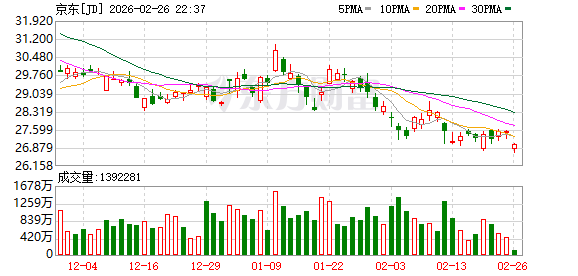
突发!刘强东杀入万亿新赛道
商业洞察· 2026-02-26 09:37
Core Viewpoint - Liu Qiangdong has entered the yacht industry with a significant investment of 5 billion RMB, aiming to create a comprehensive yacht company named Sea Expandary, driven by a vision to make yachts accessible to the middle class and to fill a gap in China's yacht manufacturing market [2][5][7]. Group 1: Market Potential - The yacht market in China is still in its infancy, with only 45,000 yachts compared to 11.67 million in the U.S., indicating a vast untapped market potential [10][12]. - The market size for yachts in China is projected to grow from 2.3 billion RMB in 2020 to 50 billion RMB by 2024, representing a more than 20-fold increase [13][15]. - Currently, the Chinese yacht industry is dominated by foreign brands, with local production being described as "small, scattered, and weak," contributing only 12.8 billion RMB to the industry in 2024 [16][17]. Group 2: Investment Strategy - Liu Qiangdong's investment of 5 billion RMB is unprecedented in the domestic yacht manufacturing sector, where most companies have not exceeded 10 million RMB in investment [19]. - The strategy focuses on redefining the yacht industry through innovations in renewable energy and smart technology, targeting middle-class consumers who seek weekend leisure activities [20][21]. - The company aims to produce yachts that are self-sufficient in energy, require no traditional crew, and offer a quiet, comfortable experience [21]. Group 3: Timing and Location - The timing of Liu Qiangdong's entry aligns with favorable government policies aimed at promoting high-quality development in yacht consumption [25][26]. - The choice of Guangdong, particularly Shenzhen and Zhuhai, is strategic due to the region's manufacturing capabilities and access to international talent and capital [28][29]. - The yacht industry is expected to drive a high-end supply chain, with the potential to localize production of core components currently reliant on imports [30][31]. Group 4: Broader Vision - Beyond commercial interests, Liu Qiangdong envisions fostering a marine culture in China, encouraging children to engage with the ocean through yacht experiences [34]. - The goal is to lower the consumption threshold for yachts, making them more accessible to the general public, and to challenge established European brands with competitive pricing and innovation [35][36]. - The journey to transform the yacht industry in China is anticipated to be long and challenging, but it represents a significant opportunity for the evolution of Chinese manufacturing towards higher value-added products [36].
50亿豪赌,刘强东这次能赢吗?
Jin Tou Wang· 2026-02-26 09:30
Core Viewpoint - Liu Qiangdong has launched a yacht brand with an investment of 5 billion RMB, aiming to make yacht prices as low as 100,000 RMB, similar to cars, to increase accessibility for the general public [1][4]. Group 1: Market Potential - The yacht market in China is significantly underdeveloped, with only 12,000 yachts compared to over 1.3 million in the U.S., indicating a vast market opportunity [1]. - Liu believes that the yacht industry represents the last high-end category in Chinese manufacturing that remains untapped [1]. Group 2: Strategic Location - The yacht project is based in Zhuhai, a city with a strong manufacturing base for yachts and a complete industrial chain, including the largest yacht manufacturing base in China [2][3]. - Zhuhai has seen significant growth in marine tourism, with GDP growth projected at 12% and industrial investment increasing by 59 times by 2025, enhancing the consumption side of the yacht industry [2]. Group 3: Financial Aspects - Liu's investment of 5 billion RMB is a personal venture, separate from his other business interests, indicating a significant personal commitment to this project [7]. - The company has already received orders for five large yachts, each priced at approximately 60 million euros, totaling nearly 2.4 billion RMB [7]. Group 4: Challenges and Considerations - Despite the ambition to lower yacht prices, the ongoing costs of ownership, such as docking and maintenance fees, may deter potential buyers, as these costs can exceed the initial purchase price [5][6]. - The success of this venture remains uncertain, as previous cross-industry expansions by Liu have had mixed results, with only the food delivery service making a significant impact [6][7].



刘强东砸50亿杀进游艇业,创立Sea Expandary,游艇真能平民化?
Sou Hu Cai Jing· 2026-02-26 04:20
Core Perspective - Liu Qiangdong's personal investment of 5 billion yuan in the yacht industry aims to create affordable yachts priced at 100,000 yuan, targeting the working class and challenging the luxury market [1][2]. Group 1: Background and Motivation - Liu Qiangdong's family history as "century-old boatmen" adds a personal narrative to the venture, reflecting a return to roots and a blend of sentiment with business [2][3]. - The project represents a transformation of traditional boat culture into a modern business model, aiming to revitalize a marginalized industry [2]. Group 2: Market Disruption Potential - The current price range for mid-range small yachts in China is between 500,000 to 1 million yuan, making them unaffordable for average consumers [5]. - The initiative seeks to reconstruct pricing by leveraging e-commerce supply chain strategies to reduce costs and make yachts accessible as family consumer goods [5][6]. - Challenges include reliance on imported core technologies and insufficient infrastructure for yacht docking, which could hinder market penetration [5]. Group 3: Strategic Ecosystem and Growth - Although Liu emphasizes that Sea Expandary is a personal investment, the influence of JD.com’s logistics and data capabilities could provide a competitive edge [8]. - The integration of JD.com’s supply chain and user analytics may enhance operational efficiency and market targeting for the new brand [8]. - The yacht industry could represent a new growth avenue for JD.com as traditional e-commerce faces saturation, potentially creating a multi-billion market [8]. Group 4: Broader Lifestyle Impact - The venture aims to redefine water-based leisure activities, promoting a shift in consumer habits towards yacht culture [10]. - Sea Expandary could drive technological advancements in domestic manufacturing, reduce dependency on imports, and stimulate related industries such as marina development and water entertainment [10]. - The success of the 100,000 yuan yacht could signify a major shift from luxury to utility, similar to the evolution of mobile phones from luxury items to everyday tools [10]. Conclusion - Liu Qiangdong's yacht dream represents an experimental approach to transforming traditional manufacturing through internet-driven strategies, embodying the entrepreneurial spirit of innovation and possibility in the business landscape [11].