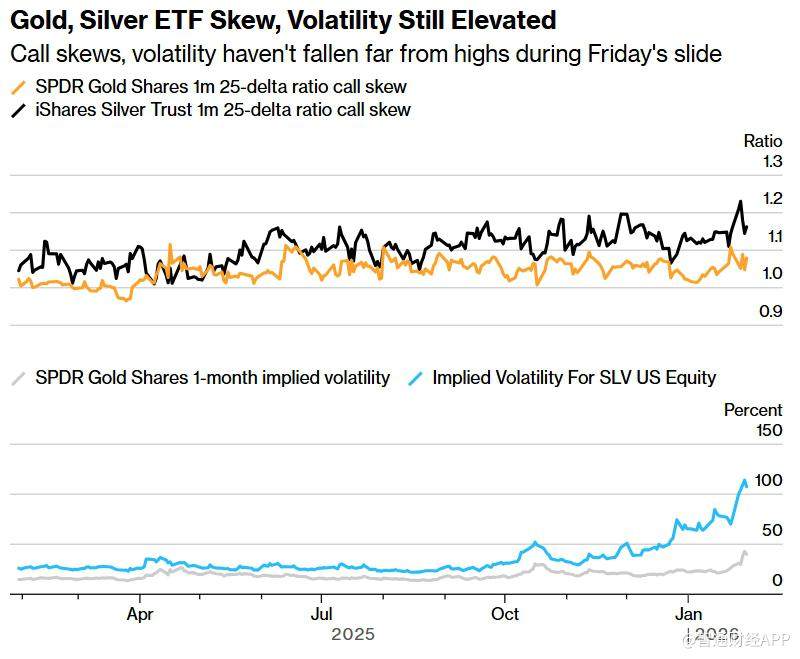
伽马挤压

Search documents
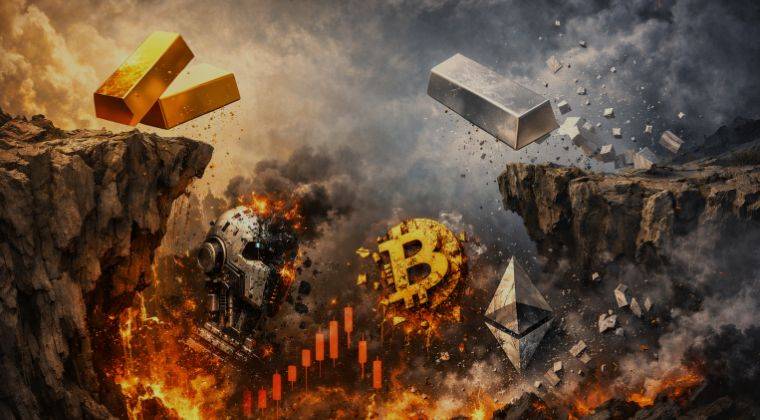
能抄底吗?全球财富大逃杀:金银跳崖,AI股、加密资产大蒸发!
Sou Hu Cai Jing· 2026-02-03 17:20
Core Viewpoint - A significant market crash, referred to as a "bloody massacre," has occurred, primarily affecting gold and silver markets, leading to massive sell-offs and a loss of over $3 trillion in market value, equivalent to half of the U.S. GDP [2]. Group 1: Market Dynamics - The market experienced extreme volatility due to a sudden increase in margin requirements by the Chicago Mercantile Exchange (CME), which coincided with a liquidity crisis and trading interruptions at the London Metal Exchange (LME) and HSBC [2]. - Silver prices plummeted from $120 to $78 within 24 hours, a 35% drop, while gold fell by 12% [2]. - The market structure, characterized by gamma squeeze, amplified the sell-off, triggering a chain reaction of leveraged and algorithmic trading [2]. Group 2: Supply Constraints - The silver market is under pressure due to low inventory levels, with Shanghai silver stocks dropping below 500 tons to 449 tons, leading to increased premiums [3]. - The London spot market is also facing a shortage of silver, with borrowing rates remaining high at 1.16% [4]. - COMEX silver inventories are critically low, with only about 400 million ounces available, half of which is not available for delivery, raising concerns about meeting physical delivery demands in March [5]. Group 3: Broader Market Impact - The crash in gold and silver markets has had a cascading effect on other sectors, including a significant drop in AI technology stocks, with Microsoft losing approximately $430 billion in market value [7]. - The cryptocurrency market also faced severe losses, with Bitcoin and Ethereum experiencing substantial declines, leading to over 420,000 liquidations globally [8]. - The financial turmoil has prompted a shift in investment strategies, with a growing number of financial advisors advocating for increased gold allocations as a hedge against market risks [10]. Group 4: Recovery and Future Outlook - Following the initial crash, gold and silver prices rebounded, with London spot gold rising by 5% and silver by over 9% [11]. - The largest silver ETF, iShares Silver Trust, saw a significant increase in holdings, indicating a potential recovery in demand [11]. - The interconnectedness of gold and silver with other financial markets suggests that fluctuations in these precious metals will continue to influence broader market trends [11].

黄金暴跌赖沃什?真相恐怕指向华尔街
Jin Shi Shu Ju· 2026-02-03 02:36
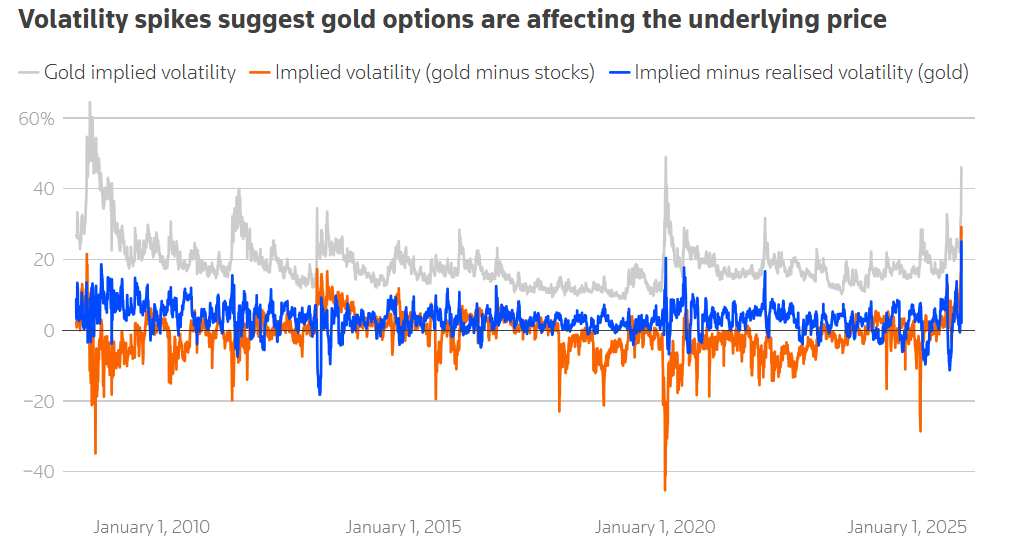
Group 1 - The core viewpoint is that the recent sharp decline in gold prices is attributed to the potential orthodox policies of Kevin Warsh, the Federal Reserve chair nominee, which may reduce gold's appeal as a hedge against currency devaluation [1] - The volatility in the options market is disrupting gold's role as a barometer for geopolitical conflicts, as indicated by the Chicago Board Options Exchange (Cboe) gold volatility index recently closing above 44, a level not seen since the 2008 financial crisis and the 2020 pandemic [2] - There has been a significant increase in the purchase of "call" options on the SPDR Gold Trust (GLD) and the iShares Silver Trust (SLV), leading to a feedback loop where banks face risks of price declines, resulting in potential massive sell-offs [2][3] Group 2 - The U.S. stock market has seen a dramatic increase in nominal trading volume of blue-chip stock options, from approximately $0.5 trillion in 2020 to nearly $3.5 trillion by 2025, indicating a similar trend in precious metals options trading [3] - The Cboe gold volatility index reached a record level of 44, surpassing both the actual volatility of gold and the implied volatility of the S&P 500, suggesting a frenzy of "call" option buying is contributing to the current market dynamics [3] - Historical analysis shows that when gold's implied volatility exceeds 40%, gold prices tend to rise by an average of 10% three months later, although the current situation may not follow this trend due to prior price increases [6]
开盘大跳水!
Zhong Guo Ji Jin Bao· 2026-02-02 00:37
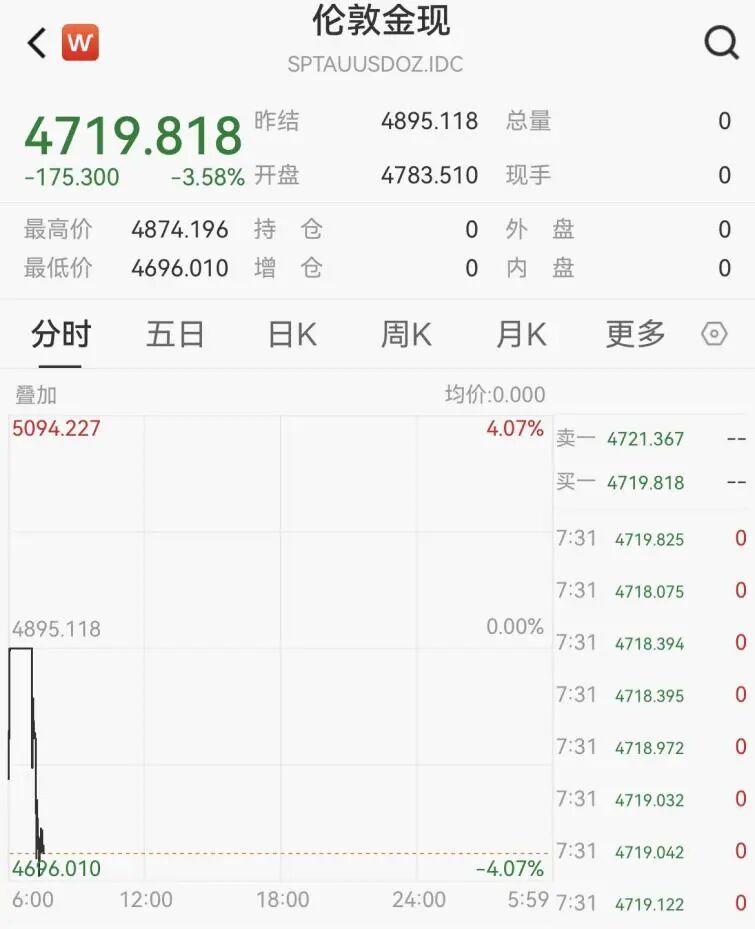
Core Viewpoint - The precious metals market is experiencing significant declines, with gold and silver prices dropping sharply due to panic selling and market reactions to recent events [1][5]. Group 1: Precious Metals Price Movements - Spot gold fell below $4,700, reaching a low of $4,696.01 per ounce, with a daily decline of over 3% [2]. - Spot silver dropped below $79, hitting a low of $78.495 per ounce, with a daily decline of 7% [2]. - The current price of spot gold is reported at $4,719.818 per ounce, while spot silver is at $79.357 per ounce [2]. Group 2: Market Analysis and Factors - A significant sell-off in the precious metals market is attributed to a "gamma squeeze," where traders holding short options positions are forced to buy futures to balance their portfolios as prices fluctuate [6]. - The Chicago Mercantile Exchange (CME) announced an increase in margin requirements for gold and silver futures, effective after Monday's close, raising margins for non-high-risk accounts for gold from 6% to 8% and for silver from 11% to 15% [8]. - The recent volatility in precious metals prices coincided with a substantial increase in the US dollar, which saw its largest single-day gain since May of the previous year, influenced by political developments [8]. Group 3: Upcoming Market Events - The market anticipates key events this week, including interest rate decisions from the European Central Bank, the Bank of England, and the Reserve Bank of Australia, as well as the US non-farm payroll report and numerous corporate earnings releases [9].
暴涨、火爆、崩盘——金银领衔主演,2026年市场“开年大戏”格外精彩
Sou Hu Cai Jing· 2026-01-31 08:25
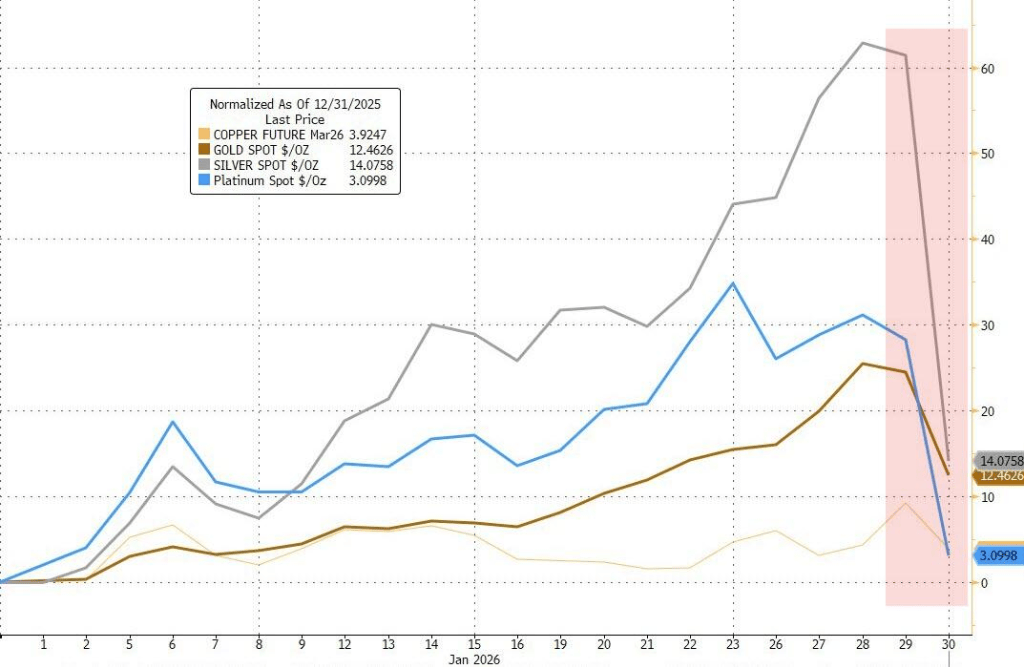
Core Viewpoint - The recent market turmoil highlights the fragility of consensus in a crowded trading environment, where even minor fluctuations can lead to significant volatility, particularly in precious metals following Trump's nomination of Waller as Fed Chair [1]. Group 1: Precious Metals Market - Gold prices plummeted by 10%, erasing $5 trillion in market value over two days, while silver and platinum saw declines of 37% and over 16% respectively [1]. - The market was already showing signs of overcrowding before the drop, with a Bank of America survey indicating that long positions in gold were the most crowded trade globally, with prices exceeding long-term trend lines by 44%, a level not seen since 1980 [4]. - The silver sentiment index reached its highest level since 1998, indicating extreme bullish sentiment [5]. Group 2: Broader Market Implications - The dollar index experienced its largest single-day gain since May, negatively impacting short positions on the dollar, while emerging market stocks underperformed relative to U.S. equities, marking the worst performance since 2022 [3][6]. - The crowded trading environment is evident across multiple markets, with significant leverage accumulating beneath the surface, leading to potential for sharp declines [6]. - The recent volatility in precious metals serves as a warning for other crowded trades, as consensus can often be misleading in extreme market conditions [14]. Group 3: Investor Sentiment and Strategy - The market's momentum-driven nature raises questions about the viability of contrarian investors, with some, like Rich Weiss, maintaining a position favoring U.S. equities despite recent underperformance against international markets [15]. - Weiss believes that growing profits will enable U.S. companies to outperform their foreign counterparts, despite current trends not aligning with his strategy [16]. - The recent market fluctuations have prompted some investors to reconsider their positions, questioning how much further prices can decline and whether exiting early could mean missing out on future gains [17].
沃什提名引爆贵金属血洗:金银遭遇历史性暴跌
Sou Hu Cai Jing· 2026-01-31 07:13
Group 1: Historical Market Crash - The nomination of Kevin Warsh as the Federal Reserve Chairman triggered a historic sell-off in the precious metals market, with gold and silver experiencing unprecedented declines [2][3] - Gold prices fell over 10%, reaching a low of $4,714.5 per ounce, marking the largest intraday drop in over 40 years, while silver plummeted more than 35%, also setting a record for the largest intraday decline [2][3] Group 2: Hawkish Expectations - The market attributed the sell-off to a sudden shift in investor expectations regarding Federal Reserve policy, with Warsh being perceived as more hawkish compared to other candidates [4] - The announcement of Warsh's nomination led to a rebound in the dollar, decreasing the attractiveness of dollar-denominated commodities, which further pressured the precious metals market [4] Group 3: Market Vulnerability - Analysts noted that the market's inherent fragility amplified the sell-off, as a significant number of long positions had accumulated during the recent price surge, creating a scenario ripe for a "gamma squeeze" [5] - The extreme levels of leverage and record-high call option purchases contributed to a bubble-like market condition, which was easily triggered by the news of Warsh's nomination [5] Group 4: Technical Indicators - Prior to the crash, several technical indicators had signaled an overbought condition in the gold and silver markets, with the Relative Strength Index (RSI) for gold reaching a historic high of 90 [6] - Despite the sharp decline, gold and silver had recorded substantial gains in January, with gold futures up 8.98% and silver futures up 11.63%, indicating a strong upward trend prior to the crash [6] Group 5: Mining Stocks Impact - The sharp decline in precious metals also adversely affected major mining companies, with stocks like Newmont and Barrick Mining dropping over 10% [7] - Silver ETFs faced even greater losses, with some funds experiencing declines of over 60%, marking their worst single-day performance in history [7] Group 6: Future Outlook - The recent crash serves as a warning for investors about the risks accumulated during the prolonged price increases, with uncertainty surrounding the future direction of the precious metals market [8][9] - Analysts suggest that if the Federal Reserve maintains a dovish stance, gold and silver could continue to rise after a correction, but a hawkish approach from Warsh could exert long-term pressure on the market [8][9]
暴涨、火爆、崩盘--金银领衔主演,2026年市场“开年大戏”格外精彩
华尔街见闻· 2026-01-31 06:28
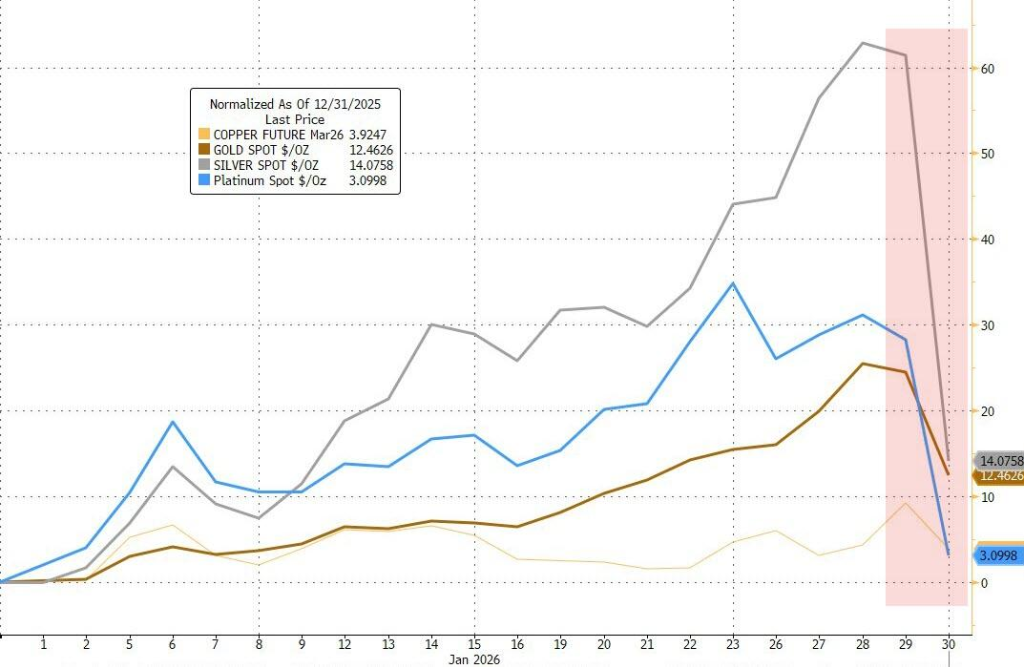
Core Viewpoint - The recent nomination of Walsh as the Federal Reserve Chair by Trump has triggered a significant sell-off in precious metals, leading to a market loss of $5 trillion in just two days, with gold prices plummeting by 10% and silver by 37% [1] Group 1: Market Dynamics - The market for precious metals was already showing signs of being overcrowded, with record levels of bullish positions and extreme leverage, making it susceptible to a "gamma squeeze" [3] - The dollar index experienced its largest single-day increase since May, negatively impacting investors who were shorting the dollar [4] - A significant amount of capital has rapidly flowed through the markets, leaving little room for error in positioning, which could lead to sharp declines [5] Group 2: Overcrowded Trades - A Bank of America survey indicated that being long on gold was the most crowded trade globally, with gold prices exceeding long-term trend lines by 44%, a level not seen since 1980 [8] - The dollar has faced selling pressure for three consecutive months, marking its worst start to the year in eight years, while also reaching its lowest level against other currencies since July 2022 [9] Group 3: Broader Market Implications - The collapse in precious metals serves as a warning for other crowded trades that have remained stable [16] - The MSCI Emerging Markets Index has outperformed the S&P 500 Index to an extent not seen since 2022, while momentum stocks in the U.S. have recently faced corrections [12] - The Russell 2000 Index, after outperforming the S&P 500 for 14 consecutive trading days, has underperformed in the last six days [14] Group 4: Investor Sentiment and Strategy - The recent market volatility has raised questions about the viability of contrarian investors in a momentum-driven market [17] - Some investors, like Rich Weiss, have maintained a contrarian stance despite unfavorable trends, believing that growing profits will allow U.S. companies to outperform their international counterparts [18] - Despite the downturn in gold prices, some investors are hesitant to exit their positions too early, fearing they might miss out on future opportunities if prices rebound [20]

暴涨、火爆、崩盘--金银领衔主演,2026的市场“开年大戏”格外精彩
Hua Er Jie Jian Wen· 2026-01-31 02:04
Core Viewpoint - The recent market volatility highlights the fragility of consensus, as extreme trading positions can lead to significant price swings even with minor fluctuations [1]. Group 1: Market Dynamics - The market experienced a dramatic sell-off in precious metals, with gold dropping 10% and erasing $5 trillion in market value over two days [1]. - Silver saw a sharp decline of 37%, while platinum fell over 16%, and copper reversed all gains from the previous day [1]. - The market is characterized by crowded long positions and record levels of bullish options, creating a potential for "gamma squeeze" [3]. Group 2: Investor Sentiment - A Bank of America survey indicated that being long on gold is currently the most crowded trade globally, with gold prices exceeding long-term trend lines by 44%, a level not seen since 1980 [4]. - The silver sentiment index reached its highest level since 1998, indicating extreme bullish sentiment among investors [4]. Group 3: Broader Market Implications - The dollar index experienced its largest single-day gain since May, negatively impacting investors who were short on the dollar [3]. - Emerging market equities have underperformed relative to U.S. stocks, marking the worst performance since 2022 [3]. - The recent volatility in precious metals serves as a warning for other crowded trades across various markets [10]. Group 4: Investment Strategies - The current market environment raises questions about the viability of contrarian investors, as momentum-driven trading dominates [11]. - Some investors, like Rich Weiss, have maintained a contrarian stance, favoring U.S. equities over international markets despite recent underperformance [11]. - Concerns are growing among investors about whether the recent market fluctuations signal an early warning for exiting crowded trades [11].
创有史以来最大跌幅!黄金、白银遭遇“血色星期五” 专业人士:这可能是期权惹的祸
美股IPO· 2026-01-31 01:39
Core Viewpoint - The recent sharp decline in gold and silver prices is attributed to the "gamma squeeze" effect in the options market, which has amplified price volatility significantly [1][3]. Group 1: Market Dynamics - On Friday, spot gold experienced an intraday drop of nearly 13%, marking the largest intraday decline since the early 1980s, surpassing the declines seen during the 2008 financial crisis [1]. - Spot silver saw a dramatic drop of over 35%, the largest recorded decline in history [1]. - The gamma squeeze occurs when options market makers, holding large short positions, need to buy more futures or ETF shares as prices rise and sell as prices fall, exacerbating price movements [3]. Group 2: Investor Behavior - Aakash Doshi from State Street Global Advisors indicated that the recent surge in short-term call options has driven up demand, leading to a parabolic rise in gold prices as market makers hedge their positions [7]. - As the end of the month approaches and with the announcement of Kevin Walsh as the next Federal Reserve Chair, the options-driven rally is experiencing a rapid "reverse unwind," causing significant price corrections [7]. - The options structure shows concentrated expiration pressure at key price levels, with significant options expiring around $465 and $455 for SPDR Gold ETF (GLD.US) and notable positions at $5300, $5200, and $5100 in the COMEX gold options market [7]. Group 3: Future Outlook - Despite the technical indicators suggesting further downside for gold prices, Doshi believes this correction may present a buying opportunity, as the long-term allocation advantages of gold remain intact [7]. - Mandy Xu from the Chicago Options Exchange noted that despite the sharp drop in gold prices, bullish bets in the options market have increased, indicating investor confidence in a potential rebound [9]. - Approximately 1,500 "year-end call combinations" were traded, betting on a significant future rebound in gold prices, with over 5,500 similar bullish trades occurring earlier in the week [9].
黄金白银史诗级暴跌!发生了什么?
华尔街见闻· 2026-01-31 01:14
Core Viewpoint - The article discusses a significant drop in gold and silver prices, attributed to the market's reaction to Trump's nomination of Kevin Warsh as the Federal Reserve Chairman, which is perceived as a hawkish choice, leading to a stronger dollar and reduced appeal for dollar-denominated commodities [1][3][14]. Group 1: Market Reaction - Gold prices fell sharply after reaching a historical high, with a drop of nearly 13%, marking the largest intraday decline since the early 1980s [1][11]. - Silver, which had previously surged past $120, saw its price plummet over 35%, the largest recorded drop in history [1][11]. - The entire metals market was affected, with copper also experiencing a significant decline of nearly 6% after reaching record highs [1][11]. Group 2: Federal Reserve Policy Expectations - The market's sell-off was driven by a sudden shift in expectations regarding Federal Reserve policy, with Warsh's nomination seen as a signal against aggressive rate cuts [3][4]. - Analysts noted that Warsh's hawkish reputation, despite recent support for rate cuts, contributed to a rebound in the dollar, making dollar-denominated commodities less attractive [4][18]. Group 3: Market Vulnerability - The dramatic price drop highlighted the extreme vulnerability of the precious metals market, which had been characterized by crowded long positions and record levels of bullish options buying [7][8]. - Analysts indicated that the market had become highly speculative, with a potential for a "gamma squeeze" that could exacerbate price movements [20][22]. Group 4: Technical Indicators and Market Sentiment - Prior to the crash, technical indicators suggested that gold and silver were overbought, with the Relative Strength Index (RSI) for gold reaching a historic high of 90 [24]. - Despite the sharp decline, both gold and silver recorded substantial gains for January, with gold up approximately 9% and silver over 10% [24]. Group 5: Mining Stocks and ETFs - The drop in precious metals prices led to significant declines in major mining companies, with stocks like Newmont and Barrick Mining falling over 10% [26]. - Silver ETFs experienced even greater losses, with some funds seeing declines of over 60%, marking their worst single-day performance [26]. Group 6: Future Outlook - Some analysts view the recent pullback as a healthy correction, suggesting that the rapid price increases necessitated a consolidation phase [26]. - There are indications that buying opportunities may arise as prices stabilize, particularly for silver, which is expected to benefit from industrial demand and supply shortages [26].





黄金、白银遭遇“血色星期五” 专业人士:这可能是期权惹的祸
智通财经网· 2026-01-30 23:32
Core Viewpoint - The recent sharp decline in gold and silver prices is attributed to a "gamma squeeze" effect in the options market, exacerbating price volatility and leading to significant intraday drops in both metals [1][4]. Group 1: Market Movements - Gold prices experienced an intraday drop of nearly 13%, marking the largest decline since the early 1980s, surpassing the declines seen during the 2008 financial crisis [1]. - Silver prices fell over 35% at one point, setting a record for the largest drop ever recorded [1]. - The options market has seen increased activity, with a notable rise in demand for short-term call options, which has contributed to the upward momentum in gold prices prior to the recent decline [4]. Group 2: Gamma Squeeze Effect - The gamma squeeze occurs when options market makers, holding significant short positions, must buy more futures or ETFs as prices rise and sell as prices fall, amplifying market volatility [1][4]. - Aakash Doshi from State Street Global Advisors indicated that the recent price movements are likely driven by market makers' hedging activities, which have led to a rapid reversal in gold prices as the month-end approaches [4]. Group 3: Options Market Dynamics - The options structure indicates concentrated expiration pressure at key price levels, with significant options expiring around $465 and $455 for SPDR Gold ETF (GLD) [4]. - Despite the sharp decline in gold prices, bullish bets in the options market have increased, with investors placing approximately 1,500 trades on "year-end call spreads" betting on a potential rebound [6]. - A large long-term trade was noted in SPDR Gold ETF, with significant positions taken in options expiring in January 2027, suggesting a strategy to hedge against potential future declines while positioning for a rebound [6].